
While hydrangeas are typically outdoor shrubs, they can thrive as indoor flowering plants if you provide the right environment. Learning how to care for potted hydrangeas indoors allows you to enjoy their stunning, mophead blooms inside your home. With the proper attention to their specific needs, these popular plants can remain vibrant and healthy.
It is important to understand that hydrangeas are naturally deciduous perennials that crave cool temperatures and high moisture levels. Keeping them indoors long-term is challenging because most homes are too warm and dry for their liking. However, with realistic expectations, you can successfully extend their blooming period and keep them thriving indoors.
This guide explains how to manage light, water, and humidity to keep your potted hydrangea healthy and vibrant throughout its indoor blooming period. We will walk you through essential maintenance tips, from choosing the perfect sunny spot to mastering a consistent watering schedule. Follow these practical steps to ensure your potted hydrangea flourishes beautifully.
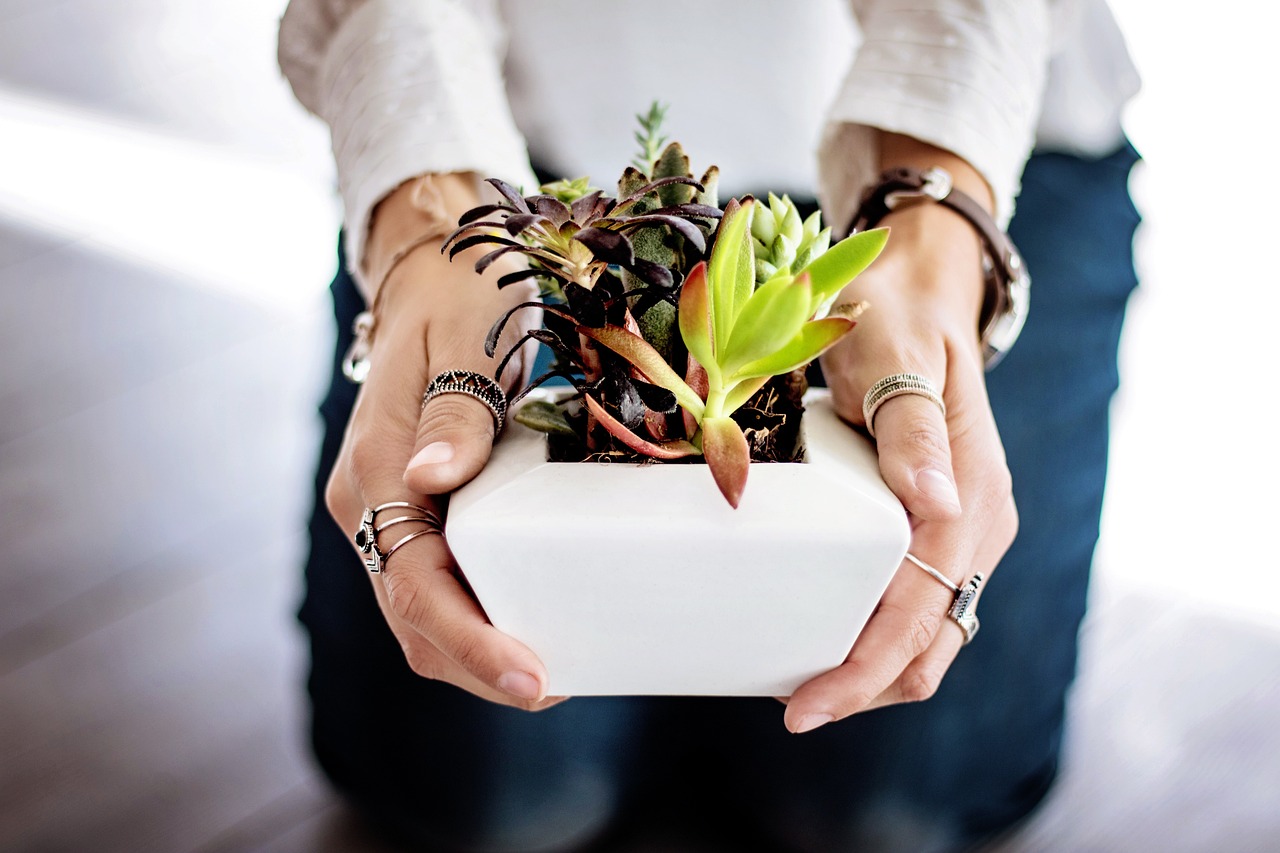
Ideal Light and Temperature Conditions
Hydrangeas are naturally outdoor shrubs, but they can thrive indoors if you mimic their preferred environment. Light is the most critical factor for successful blooming. These plants require bright, indirect sunlight to produce flowers and maintain healthy foliage. A south or west-facing window is ideal, but you must exercise caution: direct, intense sun can quickly scorch the delicate leaves and cause the flowers to wilt prematurely.
To provide the perfect light balance, place your potted hydrangea near a sunny window and use a sheer curtain to filter the rays. This setup provides the high-intensity light the plant craves without the damaging heat of direct exposure. If your home lacks sufficient natural light, a grow light positioned a few feet above the plant can serve as an effective substitute.
Temperature consistency is equally important for long-term health. Hydrangeas do not tolerate rapid fluctuations in temperature well. Aim to keep your plant in an environment that stays steady between 60 and 70 degrees Fahrenheit. To protect your hydrangea, avoid placing the pot in the following locations:
- Near drafty doorways or windows where cold air enters during winter.
- Directly in the path of air conditioning vents or ceiling fans.
- Close to heat sources such as radiators, space heaters, or wood stoves, which can dry out the soil and cause the plant to drop its buds.
If you notice the leaves drooping or the edges turning brown, the plant is likely signaling that it is either too hot or experiencing a draft. Simply moving the pot a few feet away from the offending heat source or window can often stabilize the plant. By maintaining these moderate conditions, you encourage the hydrangea to hold its blooms longer and stay vibrant throughout the season. Remember that indoor hydrangeas are often treated as temporary flowering gifts; however, with these precise light and temperature controls, you can significantly extend their beauty and vitality within your home.
Watering and Humidity Requirements
Potted hydrangeas are notoriously thirsty plants. Because their root systems are confined within a container, they cannot seek out moisture like garden-grown varieties. To keep your plant thriving, you must monitor its hydration levels consistently.
Check the soil moisture daily by pressing your finger about an inch deep into the potting mix. If the soil feels dry to the touch, it is time to water. When you water, do so thoroughly, ensuring moisture reaches the entire root ball until it begins to drain from the bottom of the pot.
Proper drainage is just as critical as the watering itself. Follow these essential tips to prevent damage:
- Always use a pot with drainage holes to allow excess water to escape.
- Never let your hydrangea sit in a saucer of standing water, as this quickly leads to root rot and plant decline.
- If you use a decorative cachepot, remove the inner plastic container to water it, let it drain completely, and then return it to the decorative vessel.
Hydrangeas also crave high humidity, which can be difficult to maintain in dry indoor environments. If your home has low humidity, particularly during the winter months, your plant may show signs of stress like wilting or browning leaf edges.
To create a localized humid microclimate, use a pebble tray:
- Fill a shallow tray or saucer with a layer of decorative pebbles.
- Add water to the tray until it reaches just below the top of the stones.
- Place your potted hydrangea on top of the pebbles.
The evaporating water will increase the humidity directly around the foliage. Ensure the bottom of the pot remains above the water line; if the pot sits directly in the water, the soil will wick up too much moisture, again risking root rot. By balancing consistent soil moisture with elevated ambient humidity, you provide the ideal conditions for your indoor hydrangea to remain lush and healthy.

Pruning and Tool Safety
Pruning is a vital aspect of maintaining healthy potted hydrangeas indoors. As your blooms begin to fade, they naturally draw energy away from the plant’s foliage and root system. By deadheading these spent flowers, you encourage the hydrangea to redirect its resources toward developing stronger stems and lush green leaves for the next growing cycle.
To prune effectively, always use sharp, high-quality pruning shears. Dull blades can crush stems rather than slicing through them, which leaves the plant vulnerable to rot and infection. A clean, precise cut promotes faster healing and maintains the aesthetic shape of your indoor shrub.
Follow these essential safety and hygiene practices when pruning:
- Wear protective gear: Always wear gardening gloves. They protect your skin from accidental nicks caused by sharp blades and prevent potential irritation from hydrangea sap.
- Sanitize your equipment: Wipe your shears with rubbing alcohol before and after every use. This simple step kills bacteria and fungal spores, preventing the spread of diseases between your indoor plants.
- Check your cuts: Make your cuts just above a set of healthy leaf nodes. This is where new growth will emerge, ensuring your plant remains bushy and vibrant.
- Prioritize storage: Sharp tools are hazardous. Immediately after finishing your gardening tasks, clean your shears and store them securely in a locked cabinet or high shelf, well out of reach of children and household pets.
Consistency is key to long-term success. If you notice any stems that look withered or diseased, remove them immediately, regardless of the blooming cycle. By keeping your tools clean and your pruning technique precise, you create a sterile environment that allows your indoor hydrangea to thrive year-round. Remember, a well-maintained tool is the most important asset in your gardening kit, ensuring both your plant’s longevity and your personal safety during routine maintenance.
Soil and Fertilization Needs
Hydrangeas grown in containers require a specific soil environment to thrive indoors. Because these plants are sensitive to “wet feet,” you must prioritize drainage to prevent root rot. Use a high-quality, peat-based potting mix that is formulated for moisture retention while still allowing excess water to pass through freely. Avoid using heavy garden soil, which compacts easily and suffocates the root system by restricting oxygen flow.
When potting or repotting, ensure your container has ample drainage holes at the bottom. If you notice the soil staying soggy for several days after watering, the mix may be too dense. You can improve aeration by amending your potting soil with a handful of perlite or coarse sand, which helps maintain the structural integrity of the root zone.
Regarding nutrition, indoor hydrangeas are often treated as seasonal guests rather than permanent houseplants. Because of this, they do not require aggressive fertilization. Over-fertilizing can lead to excessive foliage growth at the expense of blooms or cause salt buildup in the container, which may burn the roots.
If you intend to keep your hydrangea for an extended period, follow these simple guidelines for balanced feeding:
- Use a balanced, water-soluble fertilizer (such as a 10-10-10 formula).
- Always dilute the fertilizer to half-strength to avoid shock.
- Apply the solution only once a month during the active growing season, typically from spring through mid-summer.
- Discontinue all fertilization once the plant enters its dormant phase in the autumn.
Always water your plant thoroughly before applying fertilizer. Applying nutrients to bone-dry soil can damage the sensitive root hairs. By keeping the soil light and the feeding schedule conservative, you provide the stability your hydrangea needs to maintain vibrant leaves and healthy stems while indoors.

Common Questions and Long-Term Care
Many gardeners hope to keep potted hydrangeas as permanent houseplants. However, it is important to understand that hydrangeas are temperate shrubs, not true houseplants. To bloom again, they require a period of cold-induced winter dormancy that is difficult to replicate indoors. While you can enjoy them inside during their flowering stage, they will eventually struggle without a seasonal rest period.
If you notice your hydrangea wilting despite consistent watering, it is likely signaling an underlying issue. First, inspect the root system. If the roots are circling tightly around the bottom of the pot, the plant is root-bound and can no longer absorb moisture or nutrients effectively. You should also examine the undersides of the leaves for fine webbing, which indicates a spider mite infestation. These pests thrive in the dry, still air often found in indoor environments.
To keep your hydrangea healthy over the long term, follow these practical steps:
- Repotting: If the plant is root-bound, move it to a container only one or two inches larger in diameter using a high-quality, well-draining potting mix.
- Pest Management: If you spot mites, gently wash the foliage with a damp cloth or a mild insecticidal soap to remove the pests.
- Transitioning Outdoors: If the plant stops thriving or becomes too large for your space, transition it outdoors. Wait until the danger of frost has passed in your area, then gradually acclimate the plant to outdoor light levels over the course of a week.
Once your hydrangea has finished its indoor bloom cycle, the most successful path to long-term survival is planting it directly into a garden bed. Choose a spot that receives morning sun and afternoon shade. Even if the plant looks tired after its indoor stint, the natural cycle of the seasons in the ground will often encourage it to recover and produce a new flush of flowers the following year.

Dedicated team of gardening enthusiasts with years of hands-on experience testing lawn mowers, gardening tools, and outdoor equipment. We help home gardeners and professionals alike make informed buying decisions with honest, thorough reviews. From push mowers to pruning shears, we test it all so you don’t have to. Got a gardening tool you’d like us to review? Get in touch!