
Growing cilantro in pots is a rewarding way to have fresh herbs at your fingertips. This guide covers the essential steps for light, water, and soil management to ensure your potted cilantro thrives in your home or on your balcony. With the right approach, you can enjoy a continuous harvest of flavorful leaves for your favorite kitchen recipes.
While cilantro is known for being a bit temperamental, it is entirely possible to maintain a healthy plant indoors or on a small patio. It prefers cooler temperatures and tends to bolt quickly when exposed to intense summer heat. Understanding these specific environmental preferences is the secret to preventing premature flowering and keeping your herb productive for longer.
In the following sections, we will break down the practical care requirements needed for long-term success. You will learn how to select the best containers, establish a consistent watering routine, and provide adequate sunlight for robust growth. Follow these expert tips to master the art of container gardening and keep your cilantro lush, vibrant, and ready for harvest.
Choosing the Right Pot and Soil
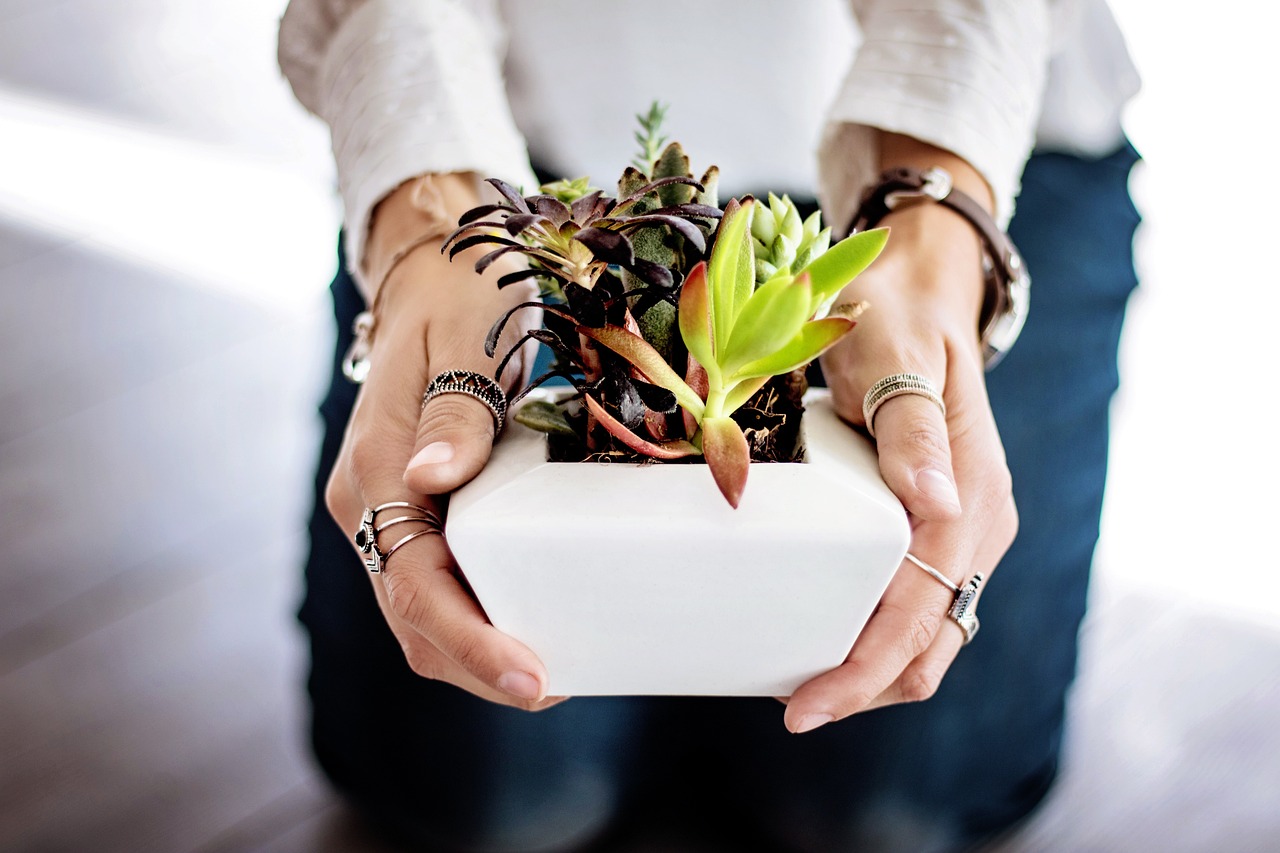
Cilantro is a fast-growing herb that requires specific conditions to thrive in a container. Because this plant develops a long, delicate taproot, it is sensitive to being cramped. To ensure your cilantro has enough room to establish a healthy root system, select a container that is at least 8 to 10 inches deep. A wider pot is also preferable, as it allows you to space multiple seeds out, which improves airflow and prevents overcrowding.
Adequate drainage is non-negotiable for healthy cilantro. If your pot does not have drainage holes at the bottom, water will pool around the roots, leading to root rot and stunted growth. If you are using a new container, ensure the holes are clear. If you need to modify your pot, use sharp garden shears or a utility knife to create drainage. Always handle these tools with care, keeping your fingers well away from the blades and working on a stable, flat surface.
Once your container is ready, focus on the medium. Cilantro performs best in a high-quality, well-draining potting mix. Avoid using heavy garden soil, which can become compacted in a container and suffocate the roots. A standard potting mix amended with a small amount of perlite or vermiculite is ideal, as this combination retains necessary moisture while allowing excess water to escape efficiently.
When preparing your setup, follow these steps for the best results:
- Inspect the container for any lingering packaging, stickers, or plastic debris that could block drainage holes.
- Fill the pot with your potting mix, leaving about an inch of space at the top to make watering easier.
- Lightly moisten the soil before planting to ensure it is evenly damp but not waterlogged.
By providing a deep, well-draining environment from the start, you create the foundation necessary for vigorous cilantro growth. Proper soil aeration and root space will help your plants stay productive and flavorful throughout the growing season.
Optimizing Light and Temperature
Cilantro is a cool-season herb that thrives when temperatures remain moderate. To achieve the best growth, aim for a location that provides at least six hours of bright, indirect sunlight daily. While the plant loves light, it is sensitive to intense heat, which can trigger premature bolting—a process where the plant shifts its energy from leaf production to flower and seed development. Once cilantro bolts, the leaves often become bitter and sparse.
If you are growing your cilantro indoors, a south-facing window is typically the best choice to ensure it receives adequate light throughout the day. If your home lacks a bright window, you may need to supplement with a grow light for 10 to 12 hours daily to prevent the stems from becoming leggy and weak.
For outdoor container gardening, consider these environmental tips to keep your plant productive:
- Morning Sun is Best: Position your pot where it gets gentle morning light. This provides the energy needed for growth without the harsh intensity of midday sun.
- Provide Afternoon Shade: If you live in a warm climate, move your container to a shaded area during the hottest part of the afternoon to prevent heat stress.
- Monitor Ambient Temperature: Cilantro prefers temperatures between 50°F and 75°F (10°C to 24°C). If temperatures consistently climb above 80°F, your plant is much more likely to go to seed.
- Rotate Your Pot: If the plant is leaning toward the light source, rotate the pot every few days to ensure even growth and sturdy stems.
By balancing light exposure and keeping the plant cool, you can significantly extend your harvest window. If you notice the plant starting to develop tall, thin stalks with feathery tops, it is a sign that the temperature is too high or the light is too intense. At that stage, you can harvest the remaining leaves quickly before the flavor profile changes.

Watering and Feeding Practices
Cilantro thrives when its soil remains consistently moist but never waterlogged. Because this herb is highly susceptible to root rot, achieving the right moisture balance is essential for success in containers. Poor drainage is the quickest way to kill a cilantro plant, so ensure your pot has adequate drainage holes at the bottom.
To determine if your plant needs water, perform a simple finger test daily. Insert your finger about one inch into the soil. If the soil feels dry to the touch, it is time to water. If it still feels damp, wait another day. When you do water, pour slowly until you see liquid escaping from the drainage holes, then discard any excess water sitting in the saucer.
Regarding nutrition, cilantro is not a heavy feeder. Over-fertilizing can actually diminish the flavor of the leaves and lead to weak, leggy growth. Instead, focus on providing a steady, mild supply of nutrients to support lush foliage production.
Follow these guidelines for effective feeding:
- Use a balanced, water-soluble liquid fertilizer diluted to half-strength.
- Apply the fertilizer no more than once a month during the active growing season.
- Avoid fertilizing if the plant appears stressed or if the soil is bone-dry, as this can burn the roots.
Consistency is your best tool when caring for potted cilantro. By keeping the soil evenly hydrated and avoiding the temptation to over-fertilize, you provide the ideal environment for the plant to produce a continuous supply of fresh, aromatic leaves. If you notice the lower leaves yellowing, it is often a sign of overwatering or poor drainage; adjust your schedule immediately to allow the soil to dry out slightly before the next application. With these simple practices, your cilantro will remain healthy and productive throughout its growing cycle.
Harvesting for Continuous Growth
Once your potted cilantro reaches approximately six inches in height, it is ready for its first harvest. Harvesting correctly is the secret to encouraging continuous growth throughout the season. If you harvest too aggressively or use the wrong technique, you risk damaging the plant’s ability to regenerate.
To keep your cilantro productive, always prioritize the outer leaves. These are the oldest parts of the plant and are perfectly mature for culinary use. By removing these outer stems first, you allow the younger, inner leaves in the center—often called the “crown”—to receive more sunlight and space to expand.
Follow these steps to ensure a healthy, ongoing harvest:
- Use clean, sharp kitchen scissors or garden snips to make precise cuts. Dull blades can crush the stems, leading to bruised tissue and potential disease.
- Snip individual stems close to the base of the plant, but avoid cutting into the main growing point at the center.
- Never remove more than one-third of the plant at any single time. Over-harvesting stresses the cilantro and can cause it to “bolt,” or go to seed, prematurely.
- If you notice flower buds forming, pinch them off immediately to redirect the plant’s energy back into leaf production.
Sanitation is a vital part of plant care that is often overlooked. After every harvesting session, wipe your scissors clean with a damp cloth or a mild disinfectant. This simple habit prevents the spread of bacteria or fungi between your indoor plants. Once the tools are dry, store them in a secure location, such as a dedicated kitchen drawer or a tool rack, to prevent accidental cuts and protect the metal blades from rust.
By consistently harvesting the outer growth and keeping your tools well-maintained, you can enjoy a steady supply of fresh cilantro for your kitchen. With proper care, a single pot can provide multiple harvests before the plant eventually completes its lifecycle.

Troubleshooting and Common Questions
Cilantro is a fast-growing herb that can be sensitive to environmental shifts. If you notice your plant suddenly shooting upward and producing delicate, lace-like flowers, it has bolted. This process is typically triggered by rising temperatures or the plant reaching maturity. While bolted leaves often develop a bitter, unpleasant flavor, do not discard the plant immediately. You can allow the flowers to fade and harvest the seeds, which are known as coriander, for use in your kitchen.
Yellowing leaves are another common concern, often signaling an issue with moisture levels. Cilantro prefers consistently moist but well-draining soil. If the leaves turn pale or yellow, it is frequently a sign of overwatering or poor drainage, which can lead to root rot. To remedy this, ensure your pot has adequate drainage holes and allow the top inch of soil to dry out slightly between waterings. Always empty the saucer beneath your pot to prevent the roots from sitting in stagnant water.
Pests can occasionally find their way to your indoor or patio cilantro. Aphids, which appear as tiny green or black insects on the undersides of leaves, are the most frequent culprits. If you spot them, take these steps to manage the infestation:
- Water Spray: Use a gentle stream of water from a spray bottle or kitchen sink sprayer to physically dislodge the insects from the foliage.
- Horticultural Soap: If the pests persist, apply an insecticidal soap specifically formulated for edible plants, following the label instructions carefully.
- Isolation: Keep affected plants away from your other herbs to prevent the spread of pests.
If you face persistent issues that do not resolve with these adjustments, take a sample of the affected foliage to a local garden center. They can help identify specific diseases or nutrient deficiencies unique to your local climate, ensuring you get the best harvest possible from your potted cilantro.

Dedicated team of gardening enthusiasts with years of hands-on experience testing lawn mowers, gardening tools, and outdoor equipment. We help home gardeners and professionals alike make informed buying decisions with honest, thorough reviews. From push mowers to pruning shears, we test it all so you don’t have to. Got a gardening tool you’d like us to review? Get in touch!