
Growing fresh parsley on your windowsill is a rewarding way to have herbs at your fingertips year-round. Learning how to care for a parsley plant indoors requires consistent light and proper drainage to ensure your greenery stays vibrant. With the right approach, you can easily enjoy a steady supply of fresh, flavorful leaves for your favorite kitchen recipes.
While parsley is relatively hardy, it is a biennial plant that prefers cooler temperatures and plenty of sunshine. You should expect your indoor herb to grow slowly at first, as it establishes a strong root system. Providing a stable environment away from harsh drafts will help your plant settle in and produce a bountiful harvest for months.
This guide covers the essential light, water, and soil requirements to help your indoor parsley thrive, even if you are new to gardening. We will walk you through the best practices for container selection, optimal watering schedules, and harvesting techniques. Follow these simple steps to master indoor herb gardening and keep your parsley healthy and productive all year long.
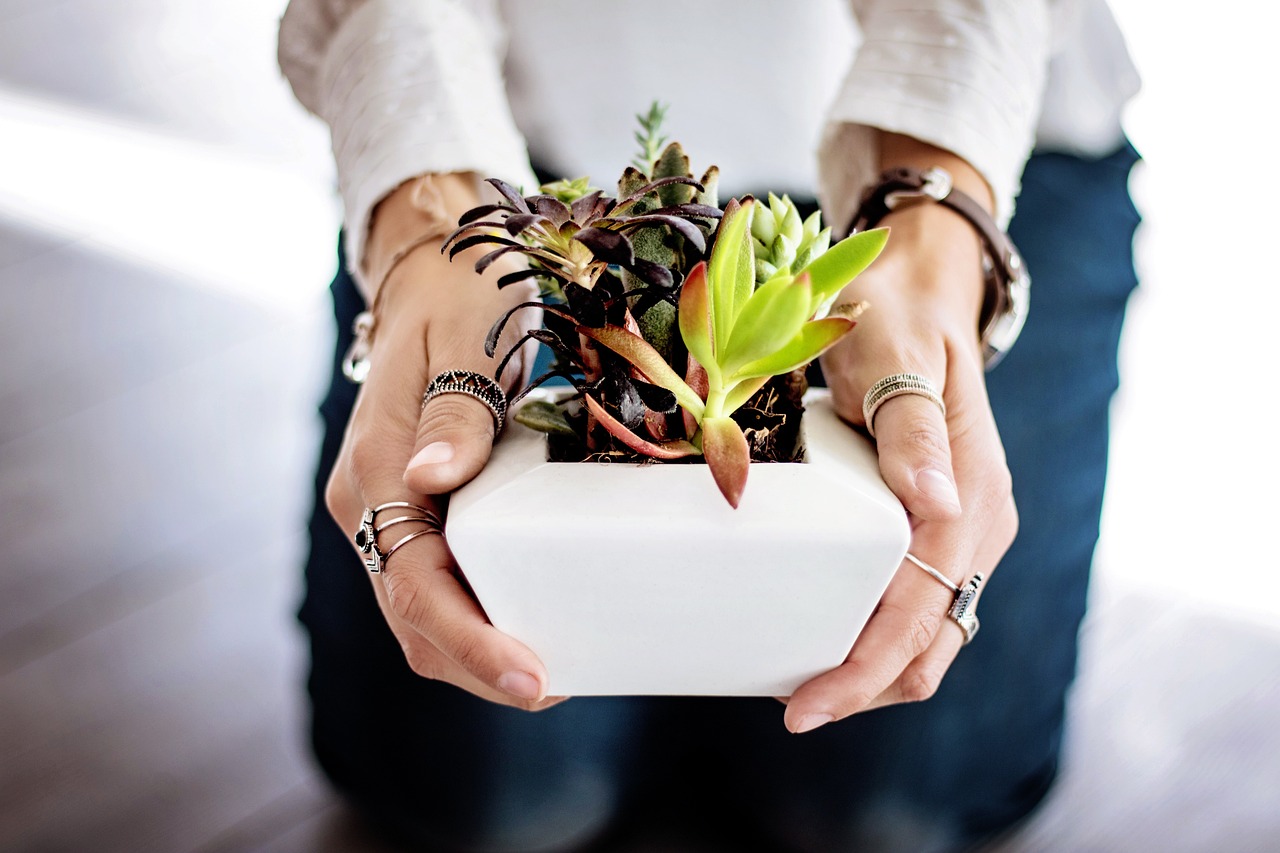
Choosing the Right Pot and Soil
Parsley is unique among kitchen herbs because it develops a long, sturdy taproot. Because of this specialized root system, your choice of container is the most critical factor in ensuring long-term plant health. Avoid shallow window boxes or tiny starter pots, which will quickly stunt growth and lead to a root-bound plant.
Select a container that is at least 8 to 10 inches deep. This depth provides the necessary vertical space for the taproot to stretch and anchor the plant properly. Regardless of the material—whether terra cotta, plastic, or ceramic—you must ensure the pot has adequate drainage holes at the bottom. Without these, water will pool at the base, leading to root rot and premature plant death.
Equally important is the medium you use to fill your container. Never use soil dug directly from your outdoor garden. Garden soil is often too heavy, contains pests or fungal spores, and will compact quickly in a container, suffocating the roots.
Instead, follow these guidelines for the best soil environment:
- Use high-quality potting mix: Choose a standard, peat-based or coco-coir-based potting mix designed for indoor containers. These are formulated to stay fluffy and aerated over time.
- Prioritize drainage: If your mix feels dense, you can improve it by adding a handful of perlite or coarse horticultural sand. This helps excess water move through the soil quickly.
- Check for nutrients: Look for a mix that includes a mild, slow-release organic fertilizer. This provides the essential nitrogen parsley needs to produce lush, flavorful leaves throughout the season.
By providing a deep container and a light, airy soil structure, you create the ideal foundation for a thriving indoor herb garden. Proper soil aeration allows the roots to absorb nutrients efficiently, resulting in a robust plant that can handle frequent harvesting. Once your parsley is settled into its new home, it will be well-positioned to grow vigorously in your kitchen or sunny windowsill.
Light and Temperature Requirements
Parsley is a sun-loving herb that thrives when provided with ample brightness. To keep your plant healthy and productive indoors, aim for at least 6 to 8 hours of bright, indirect sunlight every single day. A south-facing window is typically the best location in your home, as it offers the most consistent light intensity throughout the day.
If your home lacks a sunny windowsill or you live in an area with short winter days, natural light alone may not be enough. Without sufficient exposure, parsley stems often become “leggy,” meaning they grow thin, weak, and pale as they stretch toward the light source. If you notice this happening, supplement your plant’s environment with a full-spectrum LED grow light for 12 hours a day.
Temperature also plays a critical role in the vitality of your indoor parsley. While the plant is quite hardy, it prefers moderate conditions to thrive:
- Ideal range: Keep your parsley in a room where temperatures stay between 60°F and 70°F (15°C to 21°C).
- Avoid drafts: Keep the pot away from direct heat sources like radiators, vents, or fireplaces, which can dry out the soil too quickly and stress the leaves.
- Cool nights: Parsley actually appreciates a slight drop in temperature at night, so a cooler spot away from heaters is perfectly acceptable.
Consistency is the secret to success. Avoid placing your parsley in areas with extreme temperature fluctuations, such as near drafty exterior doors or windows that are opened frequently during cold weather. By maintaining a stable, bright environment, you encourage steady growth and ensure a continuous supply of fresh herbs for your kitchen. If you are using a grow light, place it about 6 to 12 inches above the top of the plant to maximize effectiveness without causing heat damage to the delicate foliage.

Watering and Humidity Needs
Parsley thrives when its soil remains consistently moist, but it is highly sensitive to overwatering. Achieving the right balance is the most critical step in keeping your indoor plant healthy. You should aim for a texture similar to a wrung-out sponge—damp to the touch, but never soggy or saturated.
To determine if your parsley needs water, use the finger test. Insert your index finger about one inch into the potting mix. If the soil feels dry at that depth, it is time to water. If it still feels cool or damp, wait another day or two before checking again.
Proper drainage is essential to prevent root rot, a common killer of indoor herbs. Follow these steps to ensure your plant stays healthy:
- Always use a pot with drainage holes at the bottom.
- After watering, allow the excess liquid to run completely through the soil.
- Empty the saucer or tray beneath the pot within 15 minutes. Never let the plant sit in standing water, as this will quickly lead to root decay and yellowing leaves.
In addition to soil moisture, consider the ambient environment. Indoor air, especially during winter months when heating systems are running, can be quite dry. Parsley prefers moderate humidity to keep its foliage lush and vibrant. If you notice the tips of the leaves turning brown or crispy, the air may be too dry.
You can easily boost local humidity levels using these simple methods:
- Mist the leaves lightly with a spray bottle once or twice a week.
- Place the pot on a tray filled with pebbles and a small amount of water, ensuring the bottom of the pot sits above the water line to avoid direct absorption.
- Group your parsley with other indoor plants to create a microclimate that naturally retains more moisture.
By monitoring the soil moisture and managing the immediate environment, you provide the stable conditions necessary for your parsley to produce a steady supply of fresh, flavorful leaves.
Safe Harvesting Techniques
Proper harvesting is the secret to maintaining a prolific indoor parsley plant. When you are ready to use your herbs, avoid pulling or pinching the stems with your fingers, as this can damage the delicate plant tissue and lead to stunted growth. Instead, use sharp, clean kitchen shears or dedicated garden snips to ensure a precise, clean cut that heals quickly.
To encourage continuous production, always harvest from the outer edges of the plant first. By selecting the oldest, outermost stems and cutting them near the base, you allow the center of the plant to focus its energy on producing new, tender growth. This technique keeps your parsley bushy and productive for months.
Follow these safety guidelines to protect both your plant and yourself during the process:
- Sanitize your tools: Wipe your shears with rubbing alcohol before and after use to prevent the spread of bacteria or plant pathogens.
- Angle your cuts: Make cuts at a slight angle near the soil line to prevent water from pooling on the stump, which can lead to rot.
- Mind your grip: Always keep the sharp blades pointed away from your body and your non-dominant hand while trimming.
- Secure storage: Once you have finished harvesting, immediately close your shears or replace the safety cover. Store tools in a locked drawer or high shelf, safely out of reach of children and pets.
Never harvest more than one-third of the plant at any single time. Over-harvesting can stress the parsley and prevent it from recovering. If your plant looks like it is struggling, give it a week or two of rest to regain its strength. By following these simple steps, you ensure a steady supply of fresh, flavorful parsley while keeping your indoor garden healthy and your kitchen workspace safe. Consistent, gentle harvesting is the best way to enjoy your homegrown herbs throughout the year.

Troubleshooting and Ongoing Maintenance
Parsley is generally hardy, but indoor environments can present unique challenges. Observing your plant daily allows you to catch minor issues before they compromise the entire crop.
If you notice the leaves turning yellow, it is often a warning sign of overwatering or inadequate soil drainage. Parsley roots are sensitive to “wet feet,” which can lead to root rot. Ensure your pot has drainage holes and allow the top inch of soil to dry out completely between waterings. If the soil feels waterlogged, pause watering immediately and improve airflow around the container.
Indoor plants can occasionally attract pests like aphids. These tiny insects cluster on the undersides of leaves or near new growth, sucking the plant’s sap. To manage an infestation safely:
- Mix a few drops of mild, fragrance-free dish soap with a quart of water.
- Gently wipe the leaves with a soft cloth or spray the solution lightly onto the affected areas.
- Rinse the leaves with clean water afterward to prevent residue buildup.
Ongoing maintenance also involves understanding the plant’s natural life cycle. Parsley is a biennial, meaning it typically grows foliage in its first year and produces flowers and seeds in its second. Once the plant begins to “bolt”—sending up a tall, woody flower stalk—the leaves will lose their sweet flavor and become bitter.
While you can harvest the seeds for future planting, the culinary quality of the leaves declines significantly at this stage. To maintain a continuous supply of fresh herbs for your kitchen, it is best to start a new plant from seeds every few months. This “succession planting” ensures you always have a vibrant, leafy supply ready for harvest rather than relying on a single plant that has reached the end of its productive life. By keeping your plants young and healthy, you will enjoy a consistent harvest throughout the year.

Dedicated team of gardening enthusiasts with years of hands-on experience testing lawn mowers, gardening tools, and outdoor equipment. We help home gardeners and professionals alike make informed buying decisions with honest, thorough reviews. From push mowers to pruning shears, we test it all so you don’t have to. Got a gardening tool you’d like us to review? Get in touch!