
To care for your yucca plant, provide it with bright, indirect sunlight and allow the soil to dry out completely between waterings. These striking, architectural plants are popular choices for both indoor and outdoor spaces because they are incredibly low-maintenance and can easily adapt to various home environments with just a little attention.
While yuccas are famously resilient, they still require specific conditions to truly thrive rather than just survive. Understanding their natural desert origins is key to avoiding common mistakes like overwatering, which is the fastest way to damage these hardy plants. Setting the right environment ensures your plant maintains its vibrant, healthy appearance year-round.
This comprehensive guide provides essential care tips tailored to your yucca’s specific needs. We will cover the ideal light exposure, precise watering schedules, and the best soil composition to promote vigorous growth. Follow these practical steps to troubleshoot common issues and keep your yucca plant looking its absolute best in any room.

Ideal Light and Placement Requirements
Yucca plants are desert natives that crave significant amounts of light to maintain their structural integrity and vibrant foliage. Providing the correct light balance is the most critical step in preventing your plant from becoming leggy or weak.
Ideally, your yucca should be positioned in a location that receives bright, indirect sunlight. While these plants are hardy, they are not strictly shade-tolerant; in low-light conditions, they will grow slowly and often lose their characteristic upright shape.
To ensure your plant remains healthy, consider these placement guidelines:
- South or West-facing windows: These locations typically offer the best intensity for a yucca. They provide the ambient, bright light necessary to fuel photosynthesis without requiring constant maintenance.
- Monitor for leaf scorch: While yuccas can handle direct sun, intense afternoon rays—especially during summer months—can cause unsightly brown patches or bleached spots on the leaves. If your plant is directly in a window that gets harsh, hot afternoon sun, use a sheer curtain to diffuse the light.
- Rotate the pot: Yuccas will naturally lean toward their light source. To promote even, symmetrical growth, rotate your plant a quarter-turn every time you water it.
If you notice your yucca’s leaves beginning to droop or the stem stretching thin, it is a clear indicator that the plant is not receiving enough light. In such cases, move the container closer to a brighter window. Conversely, if the leaves appear pale or develop crispy, brown edges, move the plant slightly further away from the window or provide light filtration.
Remember that light requirements can shift slightly with the seasons. During the shorter days of winter, your yucca may benefit from being moved to the sunniest spot in your home to compensate for the reduced daylight hours. Consistency is key; once you find a spot where the plant shows steady, compact growth, try to keep it there to avoid unnecessary environmental stress.
Watering and Soil Management
The most common mistake when caring for a yucca plant is overwatering. Because yuccas are native to arid environments, they are highly susceptible to root rot if left in soggy conditions. To maintain a healthy plant, you must allow the soil to dry out significantly between waterings.
Before adding water, check the moisture level by inserting your finger into the soil. You should allow the top two to three inches of the potting medium to become completely dry to the touch. If you feel any dampness, wait a few more days before watering. During the winter months, when the plant enters a period of dormancy, you should reduce your watering frequency even further.
Proper soil management is just as important as your watering schedule. If your yucca sits in heavy, water-retaining soil, the roots will eventually suffocate. To ensure long-term success, follow these guidelines:
- Use the right mix: Always plant your yucca in a high-quality cactus or succulent potting mix. These blends contain perlite, sand, or pumice, which encourage rapid drainage and prevent moisture from pooling around the roots.
- Prioritize drainage: Ensure your container has at least one large drainage hole at the bottom. Never allow the pot to sit in a saucer of standing water, as this will quickly lead to root decay.
- Avoid over-potting: Use a container that is only slightly larger than the root ball. Excess soil in a oversized pot holds too much moisture, which can lead to fungal issues.
When you do water, pour slowly until you see liquid escaping from the drainage holes at the base of the pot. Immediately empty the saucer or decorative cachepot to ensure the plant is not sitting in stagnant water. By mimicking the dry, well-drained conditions of its natural habitat, you will provide the ideal environment for your yucca to thrive for years to come.
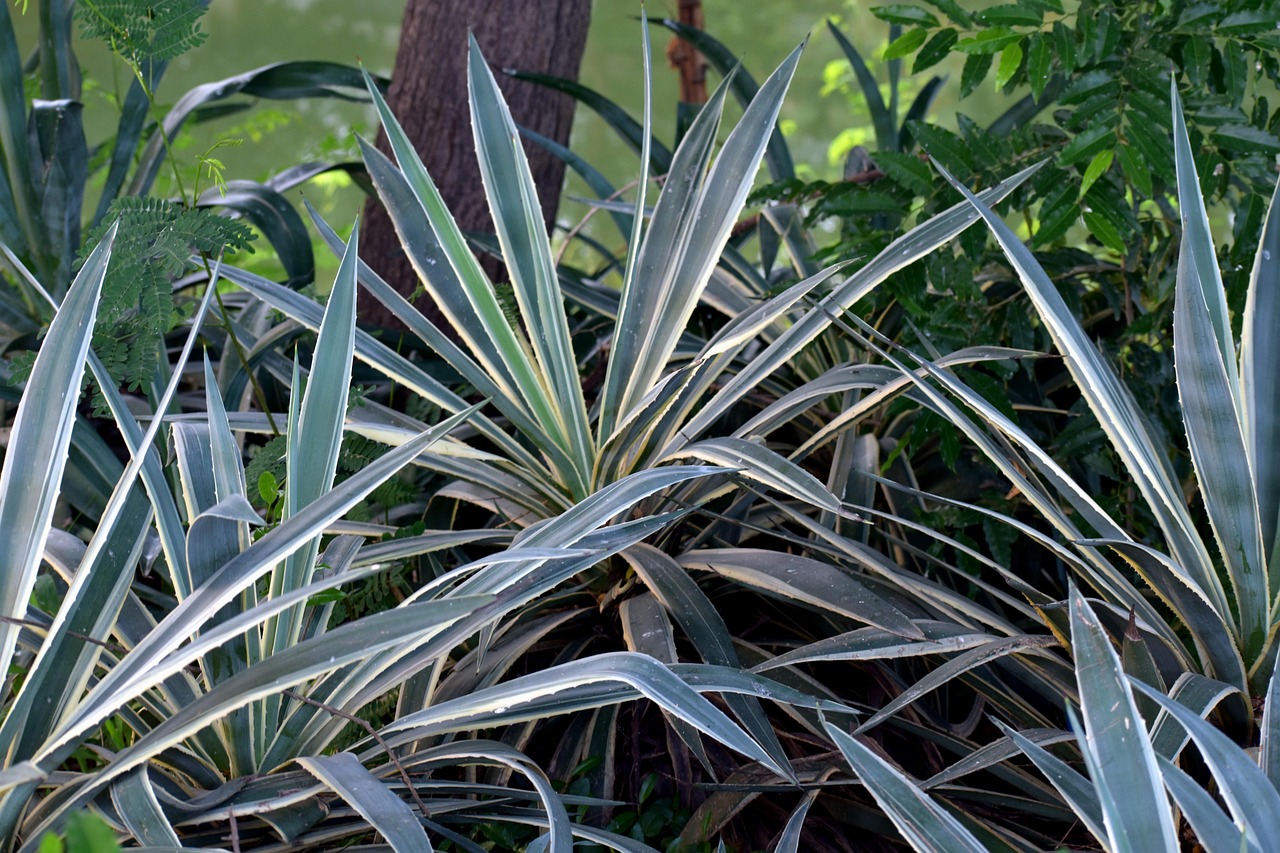
Temperature and Humidity Needs
Yuccas are remarkably adaptable plants, making them a popular choice for indoor environments. To keep your yucca thriving, aim to maintain an ambient temperature between 65 and 75 degrees Fahrenheit (18 to 24 degrees Celsius). While they can tolerate minor fluctuations, they perform best when kept away from extreme temperature swings, such as those caused by drafty windows, air conditioning vents, or direct heat sources like radiators and fireplaces.
When it comes to humidity, yuccas are incredibly low-maintenance. Unlike tropical houseplants that require high moisture levels, yuccas prefer drier air. This trait makes them an ideal addition to modern homes, where central heating often creates a parched indoor climate during the winter months.
Because they are native to arid regions, you should follow these practical care guidelines regarding their environment:
- Avoid Misting: Never mist your yucca. Increased moisture on the foliage can lead to fungal issues or rot, especially if the air circulation is poor.
- Skip the Humidity Tray: Do not use pebble trays or humidifiers near your plant. Excess humidity is unnecessary and can actually hinder the plant’s natural growth cycle.
- Prioritize Ventilation: While they prefer dry air, yuccas still benefit from good airflow. Ensure your plant is placed in a spot with gentle air circulation, which helps keep the soil surface dry and prevents stagnant conditions.
If you live in a particularly humid climate, ensure your yucca is placed in the brightest area of your home. Increased light exposure can help the plant manage higher humidity levels more effectively by encouraging faster transpiration and soil drying. If you notice the leaves becoming soft or yellowing, it is often a sign that the environment is too humid or the soil is retaining too much moisture. By keeping the air dry and the temperature consistent, you will provide the optimal conditions for your yucca to remain healthy and vibrant year-round.
Safe Pruning and Maintenance
Over time, your yucca may outgrow its space or develop unsightly, damaged foliage. Pruning is a safe and effective way to manage its size and encourage healthier growth. Because yucca leaves are stiff, fibrous, and often possess sharp, needle-like tips, prioritize your safety before making any cuts.
Always wear thick, puncture-resistant gardening gloves. Yucca leaves can cause painful skin abrasions or deep scratches if handled carelessly. Ensure you are working in a well-lit area so you can clearly see where you are placing your tools, which helps prevent accidental slips.
Use sharp, sanitized pruning shears or a heavy-duty saw for thicker stalks. Clean your tools with rubbing alcohol before and after the process to prevent the spread of pathogens. Follow these steps for safe maintenance:
- Remove dead leaves: Use your shears to trim away any brown, yellow, or withered leaves at the base of the plant. Cut as close to the main trunk as possible without damaging the stem tissue.
- Address height: If the plant has become too tall, you can safely “top” it by cutting the main trunk at your desired height. The plant will typically sprout new branches from the cut site within a few weeks.
- Clean up debris: Immediately collect and discard all pruned leaves. The sharp tips can easily pierce through thin trash bags or cause injury if left on the floor.
After pruning, your yucca will be under minor stress. Avoid overwatering during this recovery period, as the plant needs less moisture while it has fewer leaves to support. Place the plant in a spot with bright, indirect light to help it recover. If you notice the cut area weeping sap, do not be alarmed; this is a normal reaction and will eventually harden into a protective callous. With proper care, your yucca will quickly adapt and continue to thrive as a striking focal point in your home.

Troubleshooting and Long-Term Care
Even with the best intentions, your yucca may occasionally show signs of stress. Observing your plant’s foliage is the most effective way to catch issues before they become terminal. Because yuccas are desert-native, they are far more resilient to drought than they are to excessive moisture.
If you notice yellowing leaves, it is almost always a sign of overwatering. Check the soil moisture immediately; if the soil feels damp, stop watering and allow it to dry out completely. Conversely, brown, crispy leaf tips are common indicators of low humidity or a buildup of minerals from tap water. To mitigate this, try using filtered or distilled water, and keep the plant away from direct heating vents.
Keep a close watch for common pests, such as scale or spider mites, which can hide on the undersides of leaves. If you spot them, follow these steps to manage the infestation:
- Wipe the leaves thoroughly with a soft, damp cloth to physically remove pests and dust.
- For persistent infestations, apply organic neem oil according to the product label.
- Isolate the plant from others to prevent the pests from spreading.
The most serious threat to a yucca is root rot. If you notice the base of the plant or the stems becoming soft, mushy, or discolored, the plant is likely suffering from advanced rot. This often happens if the pot lacks proper drainage or the plant has sat in water for too long.
If you suspect rot, gently remove the yucca from its container. Inspect the root system; healthy roots should be firm and light-colored, while rotting roots will be dark and slimy. Trim away any damaged roots with sterilized shears and repot the plant into a fresh, well-draining succulent or cactus mix. Ensure the new pot has adequate drainage holes to prevent future issues. With proper soil management and careful observation, your yucca can thrive for many years.

Dedicated team of gardening enthusiasts with years of hands-on experience testing lawn mowers, gardening tools, and outdoor equipment. We help home gardeners and professionals alike make informed buying decisions with honest, thorough reviews. From push mowers to pruning shears, we test it all so you don’t have to. Got a gardening tool you’d like us to review? Get in touch!