
If you are wondering how to care for my fiddle leaf fig, you have come to the right place. These popular indoor trees are famous for their dramatic, violin-shaped leaves that instantly elevate any room. By mastering a few simple habits, you can keep your plant healthy, vibrant, and growing steadily for years.
While these plants often have a reputation for being finicky, they are actually quite predictable once you understand their needs. They thrive when provided with consistent, bright indirect light, proper watering techniques, and a stable environment. Understanding these core requirements is the secret to avoiding common issues like leaf drop or browning.
In this guide, we break down everything you need to know to cultivate a thriving indoor tree. From finding the perfect spot in your home to establishing a reliable watering schedule, we provide the essential steps. Follow these practical tips to ensure your fiddle leaf fig remains a stunning centerpiece in your home.

Finding the Perfect Spot for Your Fiddle Leaf Fig
The secret to a thriving fiddle leaf fig (Ficus lyrata) starts with its environment. These plants are native to tropical rainforests, where they grow under a canopy of larger trees. To replicate this in your home, you must prioritize consistent, bright, indirect light.
The ideal location is near a window that receives plenty of natural daylight throughout the day. An east-facing window is often perfect, as it provides gentle morning sun. If you place your tree near a south or west-facing window, use a sheer curtain to filter the light. Harsh, direct sun hitting the leaves for several hours will cause unsightly brown scorch marks and can permanently damage the foliage.
Beyond lighting, fiddle leaf figs are sensitive to their immediate surroundings. They dislike change and struggle when placed in areas with unstable climates. To prevent stress and premature leaf drop, avoid the following spots:
- Direct paths of air conditioning or heating vents, which dry out the leaves.
- Drafty entryways or spots near exterior doors that open frequently.
- Areas directly next to radiators or fireplaces, which create damaging heat spikes.
Once you find the perfect spot, try to keep your plant there. Fiddle leaf figs do not like to be moved; constant relocation forces the plant to continuously adjust its photosynthetic process, which often leads to shock. If you notice your plant leaning toward the light, rotate the pot a quarter-turn every time you water it. This simple habit encourages even, vertical growth rather than a lopsided silhouette.
If your home lacks natural light, you can supplement with a full-spectrum LED grow light. Position the light a few feet away from the canopy to mimic the intensity of a bright, filtered window. By stabilizing the light and temperature, you provide the foundation necessary for your fiddle leaf fig to produce large, healthy, and glossy leaves throughout the year.
Mastering the Watering Routine
The most frequent mistake fiddle leaf fig owners make is overwatering. Because these plants are native to tropical rainforests but thrive in indoor environments, they require a precise balance of moisture. If the soil remains constantly soggy, the roots will suffocate and develop rot, which often leads to brown, dropping leaves.
To establish a healthy routine, never water on a strict schedule. Instead, test the soil moisture manually. Before adding more water, insert your finger two inches deep into the soil. If it feels damp, wait a few more days. Only water when the top two inches are completely dry to the touch.
When it is time to water, follow these steps to ensure your plant stays healthy:
- Use drainage holes: Ensure your pot has adequate drainage holes at the bottom. Never keep your plant in a decorative container that lacks an exit point for excess water.
- Drench thoroughly: Pour water slowly over the soil until you see it flowing out of the drainage holes at the bottom. This ensures the entire root ball is hydrated.
- Empty the saucer: This is the most critical step. After watering, wait about 15 minutes for the excess to drain completely, then empty the saucer or cachepot. Never allow your fiddle leaf fig to sit in standing water, as this is a primary cause of root decay.
During the winter months, your plant will grow more slowly and require less hydration. You may find that you need to water significantly less frequently than you do during the spring and summer growing seasons. Always prioritize the feel of the soil over a calendar date. By allowing the soil to dry out slightly between waterings, you mimic the natural cycle the plant prefers, encouraging a robust root system and vibrant, glossy foliage. If you ever notice the leaves drooping, check the soil immediately; it is often a signal that the plant is thirsty, but always confirm the dryness before adding more water.

Cleaning and Pruning for Plant Health
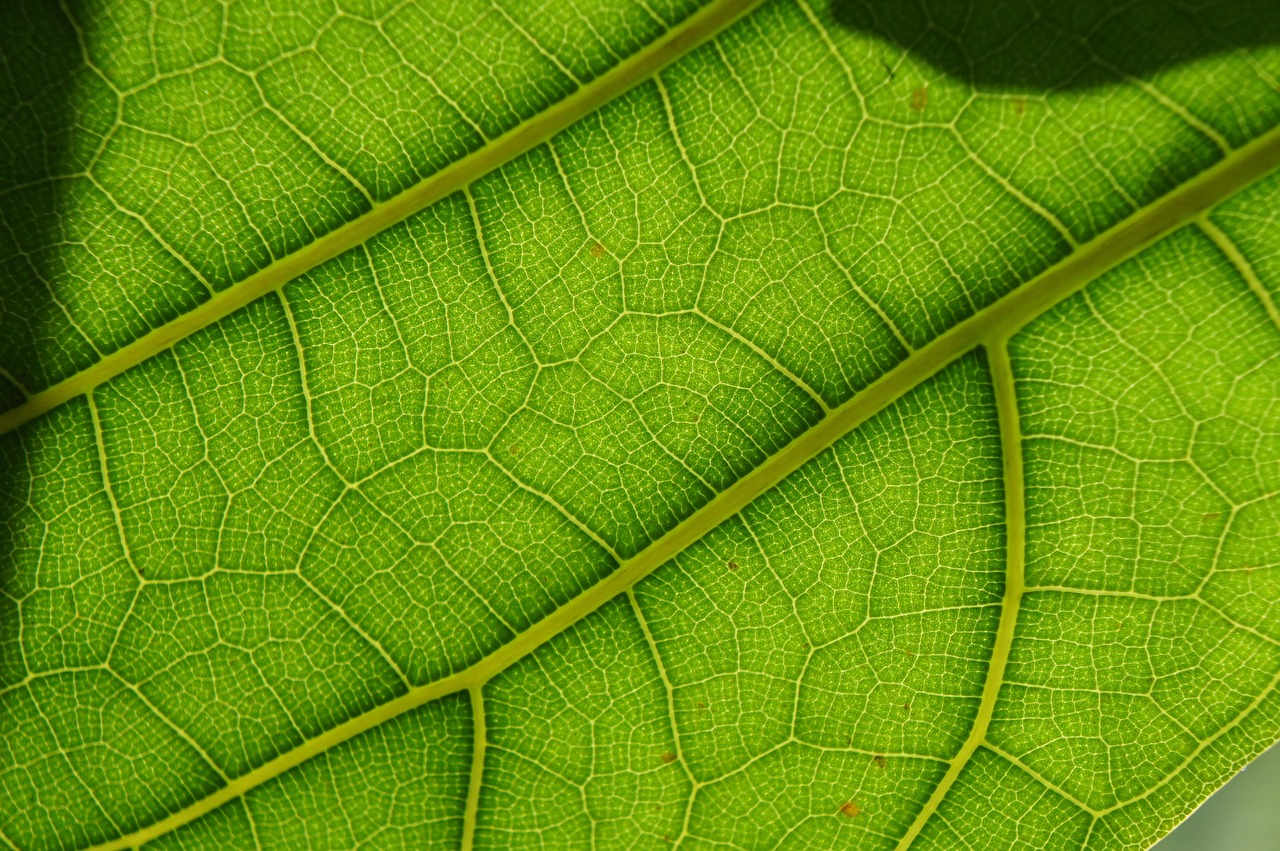
Your fiddle leaf fig’s large, broad leaves are beautiful, but they act as magnets for household dust. When a thick layer of dust settles on the foliage, it acts as a barrier that blocks essential sunlight from reaching the plant’s cells. This reduces the plant’s ability to photosynthesize, which can lead to stunted growth and a lackluster appearance.
To keep your plant thriving, incorporate leaf cleaning into your regular maintenance routine. Simply take a soft, damp cloth and gently wipe the top and underside of each leaf. Supporting the leaf from underneath with your hand while you wipe prevents accidental tears or stem damage. Avoid using commercial leaf-shine products, as these can clog the plant’s pores and hinder its ability to breathe.
Beyond cleaning, occasional pruning is necessary to maintain the shape and health of your fiddle leaf fig. If you notice brown, crispy, or damaged leaves, or if a branch has stopped producing growth, it is best to remove them to allow the plant to redirect its energy toward healthy new development.
Follow these safety and hygiene steps when pruning:
- Wear protective gear: Always wear gardening gloves. Fiddle leaf figs contain a milky sap that can cause skin irritation or allergic reactions upon contact.
- Use the right tools: Use a pair of sharp, clean pruning shears to make a clean cut. Avoid tearing the stem, as jagged wounds take longer to heal and are more susceptible to infection.
- Sanitize your equipment: Before and after pruning, wipe your shears down with rubbing alcohol. This prevents the spread of bacteria or fungal spores from other plants in your home.
By keeping the leaves dust-free and removing dying foliage, you ensure your fiddle leaf fig remains vibrant and resilient. Consistent, gentle care is the most effective way to prevent common health issues and encourage your plant to grow tall and lush in your indoor space.
Soil, Nutrition, and Repotting
Fiddle leaf figs are notoriously sensitive to their environment, and their root systems are no exception. To keep your plant thriving, you must prioritize soil quality and drainage. Avoid heavy garden soil, which retains too much moisture and can lead to root rot. Instead, use a high-quality, well-draining potting mix specifically formulated for indoor plants or tropicals. These blends often include perlite or bark, which create the necessary aeration for healthy root respiration.
Nutrition is equally important during the plant’s active growing season. From spring through summer, your fiddle leaf fig is putting out new foliage and requires supplemental energy. Use a balanced liquid fertilizer, typically diluted to half-strength, once a month. Cease fertilization during the fall and winter months when the plant enters a period of dormancy, as excess nutrients can build up in the soil and cause chemical burn.
Repotting should be approached with caution, as these plants dislike being disturbed. Only move your fiddle leaf fig to a larger pot when it becomes truly root-bound—signs include roots growing out of the drainage holes or the plant drying out significantly faster than usual.
When you do repot, follow these guidelines to ensure a smooth transition:
- Choose the right size: Select a container that is only one or two inches larger in diameter than the current pot. A pot that is too large will hold too much water, increasing the risk of root rot.
- Prioritize drainage: Always ensure your new pot has functional drainage holes at the bottom.
- Minimize stress: Gently loosen the root ball before placing it in the new container, but avoid aggressive pruning of the roots.
- Water thoroughly: After repotting, water the plant deeply to settle the soil around the roots and eliminate air pockets.
By maintaining consistent soil conditions and providing nutrients only when the plant is actively growing, you will create a stable foundation for your fiddle leaf fig to grow tall and healthy for years to come.
Common Questions and Troubleshooting
Fiddle leaf figs are notoriously sensitive to environmental changes. If you notice brown spots appearing on the foliage, this is frequently a sign of watering inconsistencies or root stress. Check the soil moisture level; if the soil remains soggy for extended periods, the roots may be struggling to breathe, leading to these telltale spots.
Yellowing leaves often serve as a distress signal. While this can sometimes indicate a natural aging process for the lowest leaves, widespread yellowing usually points to overwatering or a nutrient deficiency. If you haven’t fertilized your plant during the active growing season, it may be time to introduce a balanced, liquid houseplant fertilizer at half-strength.
If your plant stops growing or begins losing leaves rapidly, perform a quick audit of your care routine:
- Light Levels: Ensure your plant is in a spot that receives plenty of bright, indirect sunlight. If the plant is too far from a window, it may lack the energy to sustain its foliage.
- Watering Schedule: Allow the top two inches of soil to dry out completely before watering again. Never let the pot sit in standing water, as this leads to root rot.
- Temperature and Drafts: Keep the plant away from cold air vents, heaters, or drafty doorways, which can cause sudden leaf drop.
As your fiddle leaf fig matures, it can become quite heavy and top-heavy. If the plant becomes difficult to manage, avoid lifting it manually to prevent personal strain or accidental damage to the trunk. Instead, place the pot on a sturdy, wheeled plant dolly. This allows you to rotate the plant for even light exposure or move it easily for cleaning without risking injury.
Consistency is the secret to success. Once you identify the cause of a problem, make only one adjustment at a time. This helps you monitor how the plant responds, ensuring you don’t overwhelm it with too many changes at once.

Dedicated team of gardening enthusiasts with years of hands-on experience testing lawn mowers, gardening tools, and outdoor equipment. We help home gardeners and professionals alike make informed buying decisions with honest, thorough reviews. From push mowers to pruning shears, we test it all so you don’t have to. Got a gardening tool you’d like us to review? Get in touch!