
To learn how to care for my anthurium plant, you must prioritize bright, indirect light and consistent soil moisture. These stunning tropical houseplants thrive when you replicate their native rainforest environment by providing high humidity and well-draining potting mix. By mastering these basic environmental needs, you can easily keep your plant happy and healthy.
Anthuriums are beloved for their glossy, heart-shaped leaves and long-lasting, waxy blooms. While they have earned a reputation for being somewhat finicky, they are actually quite resilient when placed in the right spot. Understanding their specific requirements allows you to avoid common pitfalls like root rot or yellowing leaves caused by improper watering techniques.
This comprehensive guide covers the essential steps to keep your plant healthy, vibrant, and growing steadily throughout the year. We will walk you through the best practices for watering, fertilization, and repotting to ensure your indoor garden flourishes. Follow these practical tips to turn your living space into a lush, thriving tropical sanctuary today.
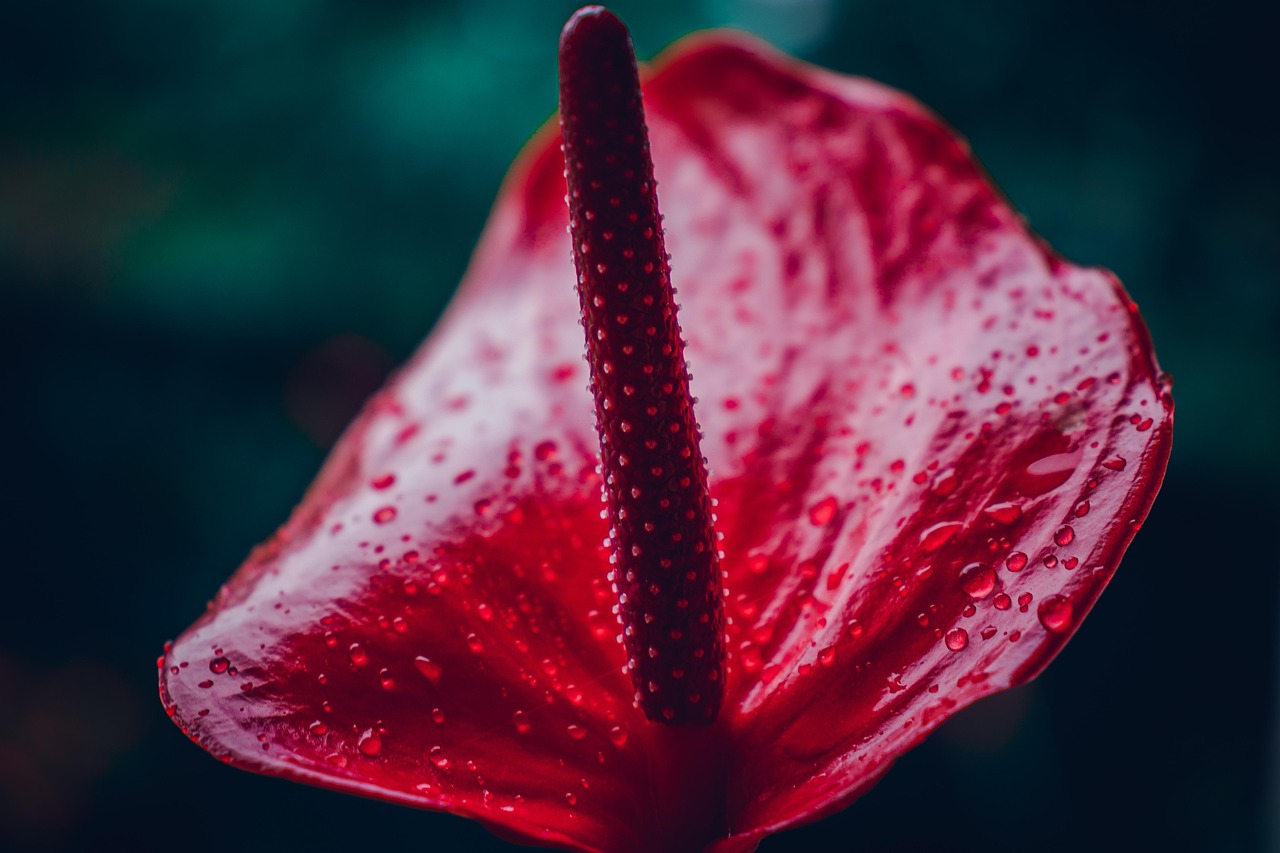
Light and Temperature Requirements
Anthuriums are prized for their glossy foliage and long-lasting blooms, but they require specific environmental conditions to thrive indoors. Achieving the right balance of light and temperature is the most effective way to encourage consistent flowering and prevent leaf damage.
These plants perform best in bright, indirect light. Think of the filtered sunlight found on a forest floor; they want to be near a window, but they should never sit directly in the path of intense, midday sun. Direct rays can quickly scorch the leaves, leaving unsightly brown patches or bleached spots. If your plant is near a south-facing window, use a sheer curtain to diffuse the light.
Temperature stability is equally important. Anthuriums are tropical plants that prefer a warm, consistent environment. To keep your plant healthy, aim for the following conditions:
- Ideal Temperature Range: Keep your home between 65°F and 80°F (18°C–27°C).
- Avoid Extremes: Temperatures consistently below 60°F can stunt growth and cause the plant to go dormant.
- Mind the Drafts: Keep your anthurium away from drafty windows, exterior doors, or air conditioning vents, as sudden temperature fluctuations can shock the plant.
- Watch for Heat Sources: Do not place your plant directly in front of heating vents, radiators, or fireplaces. These sources dry out the air rapidly and can cause the leaf edges to turn brown and crispy.
If you notice your anthurium is not producing new flowers, it is often a sign that it is not receiving enough bright, indirect light. Conversely, if the leaves appear yellow or wilted, check to ensure the plant is not being subjected to cold drafts or excessive heat. By maintaining these steady conditions, you provide the stability your anthurium needs to remain lush and vibrant throughout the year.
Watering and Humidity Needs
Mastering the balance of moisture is the most critical step in keeping your anthurium thriving. These plants prefer soil that stays consistently damp but never waterlogged. Before reaching for your watering can, perform a simple finger test: insert your finger about one inch into the potting mix. If the soil feels dry to the touch, it is time to water. If it still feels moist, wait a few more days to avoid overwatering.
Proper drainage is non-negotiable. Always ensure your pot has functional drainage holes at the bottom. If water pools at the base of the pot, the roots will quickly succumb to rot, which is often fatal for anthuriums. After watering, allow the excess liquid to drain completely into a saucer, and be sure to empty that saucer shortly after so the plant is not sitting in stagnant water.
As tropical epiphytes, anthuriums naturally crave high humidity. Most indoor environments, especially during winter months, are far too dry for them. If your plant’s leaf tips begin to turn brown and crispy, it is a clear sign that the air is too arid. You can boost the ambient moisture levels using these practical methods:
- Pebble Tray: Place your pot on a tray filled with pebbles and a small amount of water. As the water evaporates, it creates a localized humid microclimate around the foliage.
- Humidifier: Running a humidifier nearby is the most effective way to mimic the tropical conditions these plants love.
- Grouping: Place your anthurium near other houseplants. As plants transpire, they release moisture into the air, creating a beneficial collective humidity.
Avoid placing your anthurium directly in the path of air conditioning vents, heaters, or drafty windows. These sources of forced air dry out the foliage rapidly and can cause significant stress. By maintaining consistent soil moisture and elevated humidity, you will provide the ideal foundation for your plant to produce healthy, glossy leaves and long-lasting blooms.
Soil and Fertilization Tips
Anthuriums are epiphytes in their natural habitat, meaning they grow on trees rather than in dense ground soil. To mimic this environment in your home, you must prioritize drainage and aeration. Standard potting soil is often too heavy and can lead to root rot, which is the most common cause of decline in these plants.
For the best results, create a loose, chunky medium that allows air to reach the roots while retaining just enough moisture. A reliable DIY blend includes:
- Peat moss or coco coir: Provides moisture retention.
- Pine bark: Creates necessary air pockets and mimics forest floor debris.
- Perlite: Improves drainage and prevents the soil from compacting over time.
Aim for an equal ratio of these ingredients. If you prefer a pre-mixed option, a high-quality orchid mix often works exceptionally well for anthuriums because it provides the structural support and drainage these plants crave.
Feeding your plant is essential during the active growing season, which typically spans from spring through early autumn. Anthuriums are not heavy feeders, so consistency is more important than strength. Using a balanced, water-soluble liquid fertilizer helps support both lush foliage and the development of their signature waxy spathes.
Follow these fertilization guidelines to keep your plant healthy:
- Dilution: Always dilute your liquid fertilizer to half-strength. Full-strength doses can cause salt buildup in the soil, leading to scorched leaf tips.
- Frequency: Apply the diluted solution once every month during the growing season.
- Rest Period: Cease fertilization entirely during the winter months when the plant enters a period of dormancy and growth slows down.
Always water your plant thoroughly before applying fertilizer. Applying nutrients to bone-dry soil can shock the root system and cause unnecessary stress. By maintaining this balance of proper aeration and moderate feeding, you create the ideal foundation for a vibrant, long-lasting anthurium.
Safe Maintenance and Pruning
Regular maintenance is essential to keep your anthurium thriving and looking its best. Over time, it is natural for older leaves to yellow or develop brown edges. Removing these spent leaves allows the plant to redirect its energy toward new, healthy growth rather than sustaining damaged foliage.
When you notice a leaf that is discolored or withered, use a pair of clean, sharp pruning shears to make a precise cut. Always snip the stem close to the base of the plant, being careful not to nick the main stem or surrounding healthy leaves.
Safety is a priority during this process. Follow these guidelines to protect yourself and your home environment:
- Sanitize your tools: Before and after pruning, wipe your shears thoroughly with rubbing alcohol. This prevents the transfer of bacteria or fungal spores that could lead to plant disease.
- Wear protective gloves: Anthurium sap contains calcium oxalate crystals, which can cause significant skin irritation, redness, or itching upon contact. Always wear gloves while handling the plant.
- Prioritize plant safety: Anthuriums are toxic to both pets and humans if ingested. Keep the plant in a location inaccessible to curious children and animals. If you have pets that are prone to chewing on greenery, consider placing your plant on a high shelf or in a room with a closed door.
After pruning, take a moment to inspect the remaining foliage for signs of pests, such as spider mites or mealybugs, which often hide on the undersides of leaves. If you notice any sticky residue or webbing, wipe the leaves gently with a damp cloth. Maintaining a clean plant not only improves its aesthetic appeal but also discourages common household pests from settling in. By following these simple maintenance habits, you ensure your anthurium remains a vibrant, healthy centerpiece in your home for years to come.
Troubleshooting and Long-Term Care
Anthuriums are resilient plants, but they will communicate their needs through their foliage. If you notice brown, crispy leaf tips, your plant is likely struggling with low humidity or an inconsistent watering schedule. Anthuriums thrive in tropical environments, so aim to keep the soil consistently moist—but never waterlogged—and consider placing a humidifier nearby to mimic their natural habitat.
If your plant has stopped producing its signature spathes, it is often a sign that it requires more light. While they tolerate lower light levels, anthuriums need bright, indirect sunlight to bloom successfully. Move your plant to a spot near a north or east-facing window where it can receive gentle, filtered light throughout the day.
Long-term maintenance also involves monitoring the root system and overall health:
- Repotting: Anthuriums prefer to be slightly snug in their pots, but they should be repotted every two to three years. If you notice roots circling the surface or growing out of the drainage holes, it is time to move up to a container one size larger using a well-draining, chunky potting mix.
- Pest Management: Inspect the undersides of leaves regularly for common pests like spider mites or scale. These insects appear as tiny webs or small, waxy bumps. If detected, isolate the plant immediately and treat the foliage with insecticidal soap or neem oil.
Consistency is the secret to long-term success. By observing these subtle cues, you can adjust your care routine before minor issues become significant problems. Always ensure your pot has adequate drainage holes to prevent root rot, which is the most common cause of decline in indoor anthuriums. If you decide to prune, use clean, sharp shears to remove dead or damaged leaves, which allows the plant to redirect its energy toward new, healthy growth. With a little patience and attention to environmental conditions, your anthurium will remain a vibrant, blooming centerpiece in your home for years to come.

Dedicated team of gardening enthusiasts with years of hands-on experience testing lawn mowers, gardening tools, and outdoor equipment. We help home gardeners and professionals alike make informed buying decisions with honest, thorough reviews. From push mowers to pruning shears, we test it all so you don’t have to. Got a gardening tool you’d like us to review? Get in touch!