
Learning how to care for kalanchoe succulent plants is surprisingly simple, even for beginners. These popular, vibrant succulents are cherished for their long-lasting, colorful blooms and remarkably low-maintenance nature. By understanding their specific environmental needs, you can easily keep your plant healthy and encourage beautiful flowering cycles throughout the entire year.
While kalanchoes are incredibly resilient, they do require specific conditions to reach their full potential indoors. They are not indestructible, so providing the right balance of light and drainage is essential for long-term success. With a bit of consistency and attention to their basic habits, you will enjoy a thriving, decorative indoor garden.
This comprehensive guide covers the essential light, water, and soil requirements to help your plant flourish in any room. We will walk you through practical troubleshooting tips and maintenance routines tailored for home growers. Follow these expert recommendations to master your plant care and ensure your kalanchoe stays vibrant and healthy for seasons to come.
Ideal Light and Temperature Conditions
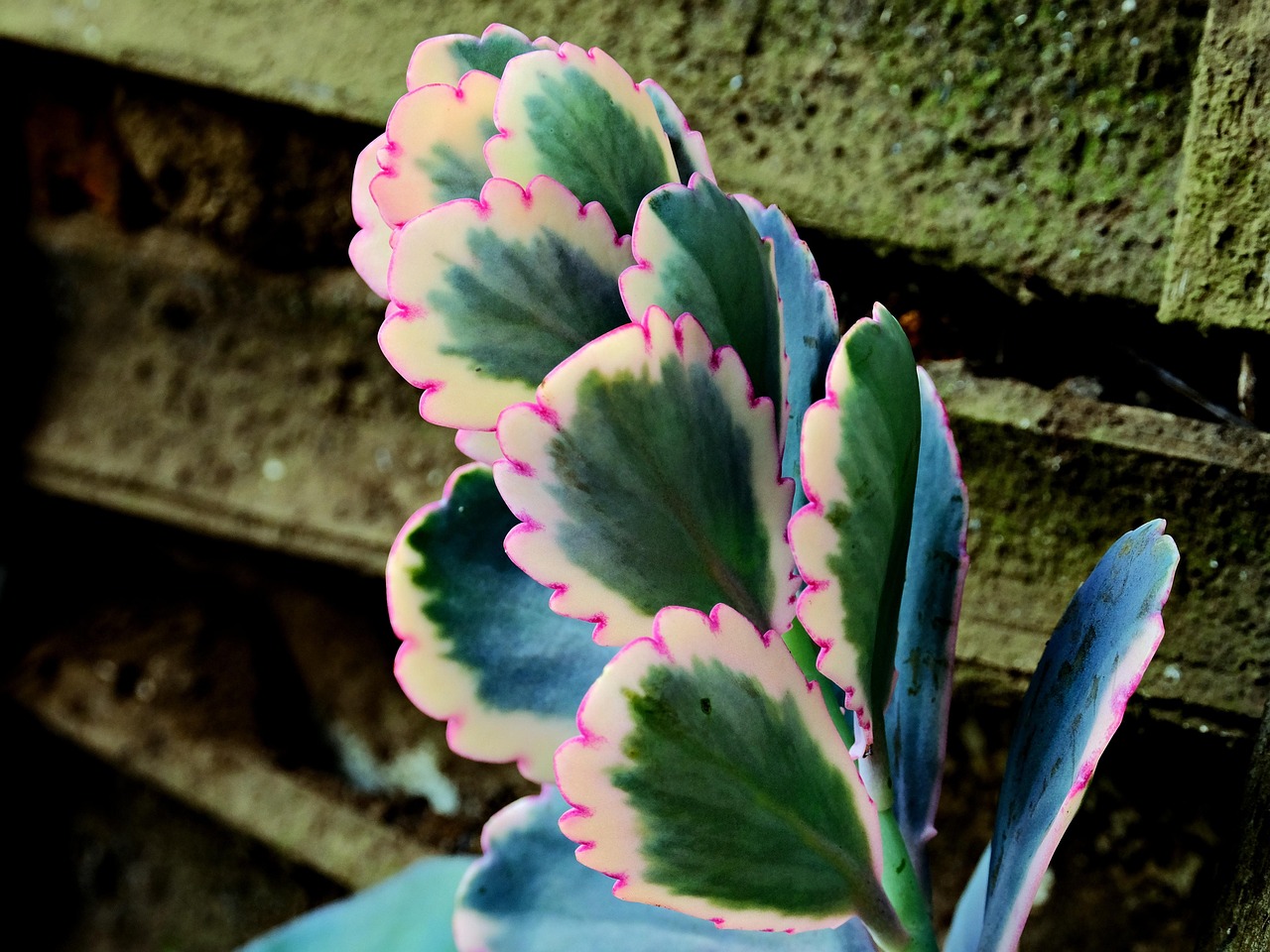
Kalanchoes are sun-loving succulents that reward you with vibrant blooms when provided with the right light. To keep your plant healthy and encourage consistent flowering, place it in a spot that receives bright, indirect sunlight. A south or west-facing window is usually ideal, as these locations offer the intensity the plant craves without the harsh, direct rays that can scorch its fleshy leaves.
If you notice your Kalanchoe becoming “leggy”—stretching out with long gaps between leaves—it is a clear signal that the plant is not receiving enough light. Conversely, if the edges of the leaves turn reddish or develop brown, crispy patches, it is likely receiving too much direct sun. Adjusting its position by a few feet or using a sheer curtain can help filter the light to the perfect intensity.
When it comes to temperature, Kalanchoes are quite comfortable in standard indoor environments. They thrive in temperatures ranging from 60 to 75 degrees Fahrenheit (15 to 24 degrees Celsius). While they are resilient, they are sensitive to sudden environmental shifts.
To maintain a stable climate for your succulent, follow these practical guidelines:
- Avoid cold drafts: Keep the plant away from drafty windows, exterior doors, or uninsulated areas during the winter months.
- Steer clear of heat sources: Do not place your Kalanchoe directly next to radiators, space heaters, or air vents, as the dry, artificial heat can dehydrate the plant and cause leaves to shrivel.
- Monitor seasonal changes: As temperatures drop in the evening, ensure the plant isn’t touching cold glass, which can lead to frost damage even if the room temperature feels comfortable.
By mimicking their natural, temperate habitat, you create a stress-free environment that allows your Kalanchoe to focus its energy on producing lush foliage and colorful, long-lasting flowers. Consistent, moderate conditions are the secret to a long-lived and thriving succulent collection.
Watering and Soil Requirements
Kalanchoes are resilient, drought-tolerant succulents that store water in their fleshy leaves. Because of this natural adaptation, their biggest enemy is overwatering. If the roots sit in damp soil for too long, they will quickly succumb to root rot, which is often fatal to the plant.
The golden rule for watering your Kalanchoe is to prioritize the “soak and dry” method. Before adding more water, check the soil moisture level by inserting your finger into the pot. You must allow the top two inches of soil to dry out completely. If the soil still feels cool or damp, wait a few more days before watering again.
When you do water, ensure the moisture reaches the entire root ball, but never let the plant sit in a saucer of standing water. If your pot has a drainage tray, always empty it shortly after watering to prevent the soil from wicking moisture back up.
Soil composition is just as critical as your watering schedule. These plants require a medium that facilitates rapid drainage and prevents compaction. To ensure your Kalanchoe stays healthy, follow these soil and container guidelines:
- Use specialized mix: Always use a high-quality cactus or succulent potting mix. These blends contain perlite, pumice, or coarse sand to improve aeration.
- Prioritize drainage: Never plant a Kalanchoe in a container without drainage holes. If you choose a decorative pot without one, use it as a cachepot and keep the plant in a plastic nursery liner that can be removed for watering.
- Avoid garden soil: Standard garden soil or heavy potting soil designed for tropical plants will retain too much moisture, leading to suffocation of the roots.
During the winter months, your Kalanchoe will enter a period of slower growth. During this time, you should reduce your watering frequency even further, as the plant will use significantly less water than it does during the active growing season in spring and summer.

Pruning and Maintenance Tips
Regular pruning is essential for maintaining a healthy, compact shape and stimulating your Kalanchoe to produce vibrant new blooms. Without occasional trimming, these succulents can become “leggy” or stretched as they reach for light, which weakens the overall structure of the plant.
To keep your Kalanchoe thriving, follow these simple maintenance steps:
- Remove Spent Blooms: Once a flower cluster fades, use clean, sharp garden shears to snip the stalk off at the base. This directs the plant’s energy back into foliage growth and future flowering rather than seed production.
- Clear Damaged Foliage: Regularly inspect your plant for yellowing, shriveled, or diseased leaves. Removing these promptly prevents the plant from wasting resources and helps maintain good airflow around the stems.
- Sanitize Your Tools: Always wipe your shears with rubbing alcohol before and after pruning. This crucial step prevents the accidental spread of bacteria or fungal spores from other plants in your collection.
- Protect Your Skin: Kalanchoe sap can cause mild skin irritation for some individuals. If you have sensitive skin, wear gardening gloves while pruning to avoid direct contact with the sap.
When pruning, aim to cut just above a leaf node—the point where leaves emerge from the stem. This encourages the plant to branch out, resulting in a bushier, more attractive appearance. If your Kalanchoe has become significantly overgrown, you can safely trim back the stems by a few inches to reset its size; the plant will typically respond by pushing out new, vigorous growth within a few weeks.
After pruning, ensure your plant is placed in a spot with bright, indirect sunlight. Avoid overwatering immediately after a major trim, as the plant will have less leaf surface area to transpire moisture. By following this routine, you will keep your Kalanchoe compact, healthy, and ready to put on a spectacular floral display during its next blooming cycle.
Fertilizing and Reblooming
Kalanchoes are relatively low-maintenance, but they appreciate a nutritional boost during their active growth phase. To support healthy foliage and vibrant blooms, feed your plant with a balanced, water-soluble fertilizer formulated for succulents or houseplants. Always dilute the fertilizer to half-strength to avoid root burn, as these plants are sensitive to excess salts.
Apply this diluted feed once every four to six weeks throughout the spring and summer months. Avoid fertilizing during the autumn and winter, as the plant enters a period of dormancy and does not require extra nutrients.
One of the most rewarding aspects of kalanchoe care is encouraging them to bloom again. Because these plants are photoperiodic, they rely on specific light cycles to trigger flower production. If your kalanchoe has stopped blooming, follow these steps to reset its cycle:
- Starting in late autumn, provide the plant with 12 to 14 hours of total, uninterrupted darkness every night.
- Place the plant in a pitch-black closet or cover it with a cardboard box from early evening until the following morning.
- Ensure the plant receives bright, indirect sunlight during the daytime hours.
- Maintain this strict schedule consistently for six weeks.
During this dark-treatment period, it is crucial to avoid even small amounts of artificial light, such as lamps or hallway lights, as this can interrupt the chemical process needed for bud formation. Once you see flower buds beginning to develop after the six-week mark, you can return the plant to its normal light routine. By mimicking the shorter days of winter, you signal to the kalanchoe that it is time to shift its energy from leaf growth to producing a fresh display of colorful blossoms. With patience and consistency, your plant will reward you with a long-lasting, vibrant show of flowers that can brighten up your home during the gloomier months of the year.
Troubleshooting and Common Questions
Even with the best intentions, you may encounter a few bumps in the road while caring for your kalanchoe. Most issues are easy to fix once you identify the early warning signs.
If your kalanchoe leaves appear mushy, discolored, or translucent, you are likely overwatering. These succulents store water in their fleshy foliage and require their soil to dry out completely between waterings. To remedy this, pause watering immediately and ensure your pot has adequate drainage holes. If the soil remains waterlogged, you may need to repot the plant into fresh, well-draining cactus mix.
A leggy kalanchoe—where the stems look stretched out with large gaps between leaves—is a clear indicator that the plant is not receiving enough sunlight. Kalanchoes thrive in bright, indirect light. If yours begins to lean or grow thin, move it to a sunnier windowsill or supplement with a grow light to encourage compact, healthy growth.
Keep these specific care considerations in mind to ensure a safe environment for your home:
- Pet Safety: Kalanchoes contain cardiac glycosides, which are toxic to cats and dogs if ingested. Always place your plant on a high shelf or in a room inaccessible to curious pets.
- Pest Management: If you notice small, white, cotton-like clusters on the stems or leaf junctions, you likely have mealybugs. To treat them, dip a cotton swab in isopropyl alcohol and gently wipe the pests away.
- Flowering Issues: If your kalanchoe refuses to bloom again after its initial cycle, it likely needs a period of “short days.” These plants require about 12 to 14 hours of total darkness each night for several weeks to trigger new bud formation.
By observing your plant’s appearance, you can adjust your care routine before minor issues become permanent damage. Consistent monitoring allows your kalanchoe to remain a vibrant, healthy addition to your indoor plant collection for years to come.

Dedicated team of gardening enthusiasts with years of hands-on experience testing lawn mowers, gardening tools, and outdoor equipment. We help home gardeners and professionals alike make informed buying decisions with honest, thorough reviews. From push mowers to pruning shears, we test it all so you don’t have to. Got a gardening tool you’d like us to review? Get in touch!