
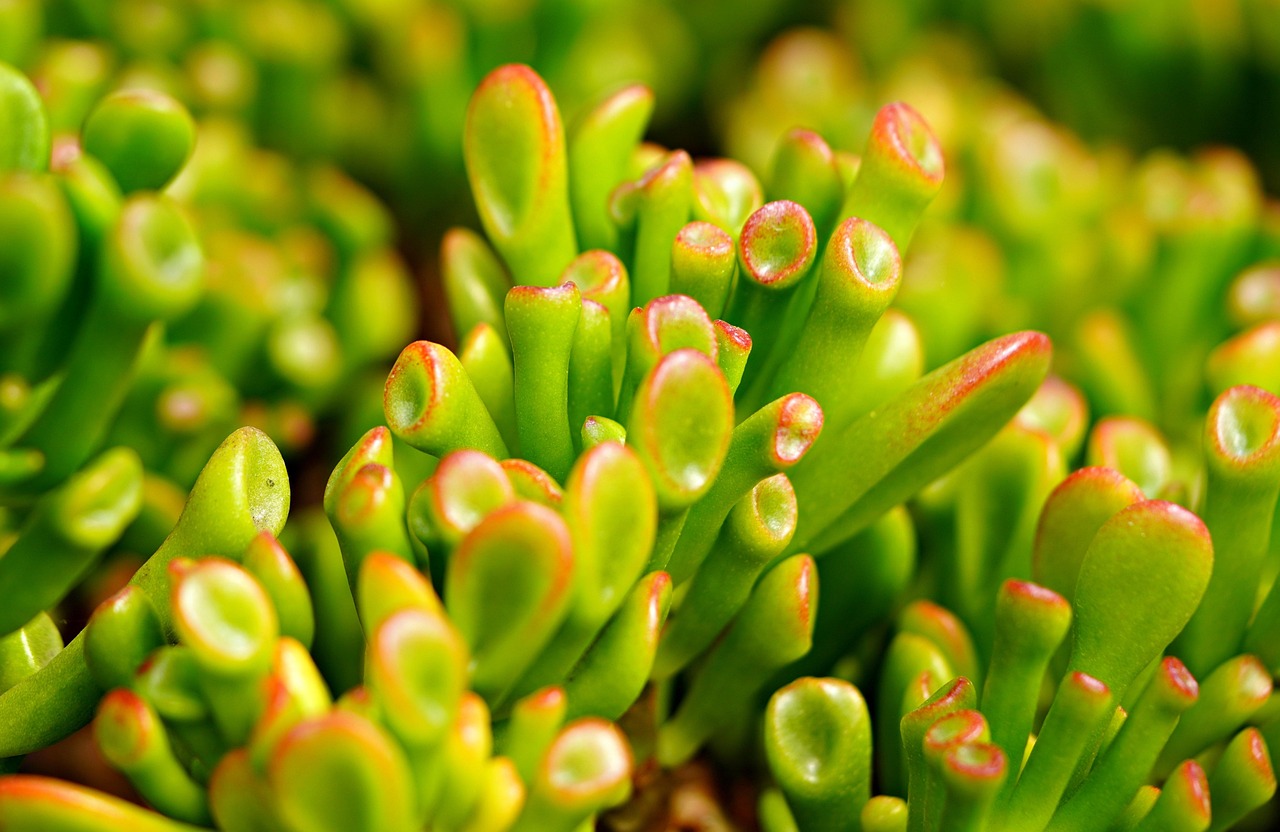
Jade succulents are iconic, long-lived houseplants known for their thick, woody stems and fleshy green leaves. Learning how to care for jade succulents is surprisingly simple once you master their specific environmental needs. These resilient plants thrive when provided with the right balance of bright light, consistent drainage, and careful watering habits.
While jade plants are famous for being low-maintenance, they are not entirely indestructible. They require a specific routine to prevent common issues like root rot or leaf drop. By understanding their native growing conditions, you can easily replicate the ideal environment in your home, ensuring your plant stays vibrant and healthy for decades.
This guide explains how to provide the right balance of light, water, and soil to help your jade plant thrive for years to come. We will cover essential maintenance tips, including choosing the perfect potting mix and identifying the signs of a thirsty succulent. Follow these practical steps to cultivate a beautiful, flourishing jade.

Light Requirements for Healthy Jade Plants
Jade plants thrive when they receive plenty of bright, indirect sunlight. Providing the right light is the most important factor in maintaining their signature compact growth habit and preventing the stems from becoming weak or spindly.
For optimal health, place your jade plant in a spot that receives at least four to six hours of sunlight daily. South or west-facing windows are typically the best locations in a home, as they provide the intensity these succulents crave without the harsh, direct rays that can scorch their leaves during the peak of summer.
If you notice your plant struggling, it is likely signaling a need for a change in environment. Keep an eye out for these common signs of inadequate lighting:
- Stretching (Etiolation): If the space between leaves grows larger or the stems begin to elongate and lean, the plant is “reaching” for more light.
- Loss of Color: Vibrant, deep green leaves may turn pale or lose their reddish-tinted edges if the plant is kept in a dim corner.
- Leaning: A plant that consistently tilts toward the window is struggling to find enough energy to support its own weight.
If you live in a home with limited natural light, a supplemental LED grow light can be a highly effective solution. Position the light a few inches above the plant and keep it on for 8 to 12 hours a day to mimic the intensity of a sunny windowsill.
When moving a jade plant from a darker area to a brighter one, do so gradually over the course of a week. Sudden exposure to intense, direct sun can cause sunburn, which appears as unsightly brown or white patches on the leaves. By slowly acclimating your plant, you ensure it stays vibrant and structurally sound throughout the year.
Watering Techniques to Prevent Root Rot
The most frequent cause of jade succulent decline is root rot, which stems from overly damp soil. Because jade plants store water in their thick, fleshy leaves, they are highly susceptible to damage if their roots sit in moisture for too long. Mastering your watering routine is the single most important step in keeping your jade healthy.
Before adding water, always check the soil moisture. Use your finger to probe the top two inches of the potting mix. If you feel any dampness, wait a few more days. Only water when the soil is completely dry to the touch. When you do water, soak the soil thoroughly until water runs out of the drainage holes, then discard any excess water sitting in the saucer immediately.
To ensure success, follow these practical guidelines:
- Use proper containers: Always plant your jade in a pot with drainage holes. Without them, water collects at the bottom, creating a swampy environment that leads to rapid root decay.
- Adjust for the seasons: Jade plants enter a period of dormancy during the winter months. During this time, their growth slows significantly, and they require much less water. Reduce your watering frequency by half or more during the winter to mimic their natural cycle.
- Observe the leaves: Your plant will communicate its needs. If the leaves appear shriveled or slightly puckered, the plant is likely thirsty. Conversely, if leaves look mushy, yellow, or translucent, you are likely overwatering.
If you suspect you have overwatered your jade, stop watering immediately and move the plant to a brighter location to encourage evaporation. If the soil remains saturated for more than a few days, you may need to repot the plant into fresh, dry, fast-draining succulent soil. Inspect the roots during this process; healthy roots should be firm and light-colored. If you find any dark, mushy, or foul-smelling roots, trim them away with sterile shears before repotting to save the plant.
Soil and Potting Essentials
The foundation of a healthy jade succulent begins with the right soil. Unlike tropical houseplants that thrive in moisture-retentive peat, jade plants require a porous environment that mimics their native arid habitat. Always use a specialized cactus or succulent potting mix; these blends contain higher ratios of perlite, pumice, or coarse sand, which ensure water moves quickly through the container rather than pooling around the roots.
Avoid using standard indoor potting soil. Regular mixes are designed to hold moisture, which can quickly lead to root rot—the most common cause of jade plant decline. If you cannot find a pre-mixed succulent blend, you can create your own by combining two parts standard potting soil with one part perlite or poultry grit to improve aeration.
When it comes time to repot your jade, follow these steps to ensure a safe and successful transition:
- Prepare your tools: Use sharp, sanitized pruning shears to trim any dead or circling roots. Sterilizing your blades with rubbing alcohol prevents the spread of pathogens.
- Prioritize safety: Always wear gardening gloves. This protects your hands from sharp debris and prevents potential skin irritation caused by contact with the plant’s sap.
- Select the right vessel: Always use a pot with drainage holes. A heavy ceramic or terracotta pot is often preferred, as the porous material helps the soil dry out more evenly than plastic.
- Handle with care: Jade plants can be top-heavy. When repotting, hold the plant by the root ball rather than the stems to avoid snapping brittle branches.
Once repotted, resist the urge to water immediately. Give the plant about one week to settle into its new environment and allow any damaged roots to callous over. This brief waiting period significantly reduces the risk of fungal infections and helps your jade establish a strong, healthy root system in its new home.
Temperature and Fertilizer Needs
Jade plants thrive in standard indoor conditions, making them ideal companions for most homes. They prefer temperatures ranging from 65 to 75 degrees Fahrenheit (18 to 24 degrees Celsius). While they can tolerate slight fluctuations, they are sensitive to extreme shifts.
To keep your jade healthy, avoid placing it in areas with direct airflow. Keep the pot away from cold window drafts during winter and avoid positioning it near heating vents, radiators, or fireplaces. Consistent, moderate temperatures prevent leaf drop and encourage steady growth.
Regarding nutrition, jade plants do not require heavy feeding. They grow slowly and can easily suffer from fertilizer burn if overfed. Focus your efforts on the active growing season, which typically spans from spring through late summer.
Follow these steps for safe fertilization:
- Choose a balanced, water-soluble fertilizer specifically formulated for succulents or houseplants.
- Dilute the solution to half-strength to prevent root damage.
- Apply the fertilizer only once or twice throughout the entire spring and summer period.
- Always apply fertilizer to slightly moist soil rather than bone-dry dirt to protect the root system.
Refrain from fertilizing during the autumn and winter months. During this time, the plant enters a natural period of dormancy and requires little to no extra nutrients. Forcing growth when the plant is resting can lead to weak, spindly stems that are prone to pests.
If you notice your jade plant is growing very slowly or looks pale despite receiving adequate light, it may be a sign that it needs a light feeding. However, if the plant looks vibrant and firm, it is likely satisfied with the nutrients already present in its potting mix. When in doubt, it is always safer to under-fertilize than to over-fertilize. A light touch ensures your jade remains compact, sturdy, and long-lived for many years to come.
Common Questions and Troubleshooting
Even the most resilient jade plants occasionally show signs of distress. Learning to read your plant’s physical cues is the best way to ensure long-term health and prevent minor issues from becoming fatal.
The most frequent problems stem from improper watering habits. Because jade plants are succulents, they store water in their fleshy leaves, making them highly sensitive to moisture levels:
- Shriveled or wrinkled leaves: This is a classic sign of dehydration. If the leaves feel thin or puckered, your plant is likely overdue for a thorough watering.
- Yellowing or mushy leaves: This indicates overwatering or poor drainage. If the leaves look translucent or soft, stop watering immediately and check the soil; it should be completely dry before you add more moisture.
As your jade plant matures, its woody stems may struggle to support the weight of its succulent foliage, causing the plant to lean or tip over. If your jade becomes top-heavy, do not be afraid to use a sturdy wooden or bamboo stake. Gently secure the main stem to the stake using soft gardening twine or plant ties. This provides the necessary structural support while the stem continues to thicken and strengthen on its own.
While jade plants are generally pest-resistant, you may occasionally encounter mealybugs. These appear as small, white, cotton-like clusters in the crevices where leaves meet the stems. You can often remove them by dabbing the area with a cotton swab dipped in isopropyl alcohol. If you notice a persistent infestation that does not resolve after simple cleaning, consult a local nursery. They can recommend specific horticultural soaps or systemic treatments that are safe for indoor succulents.
Remember that consistency is key. By observing your plant weekly and adjusting your care based on these visual signals, you can keep your jade healthy for decades. When in doubt, it is almost always better to underwater a jade plant than to keep it in soggy, waterlogged soil.

Dedicated team of gardening enthusiasts with years of hands-on experience testing lawn mowers, gardening tools, and outdoor equipment. We help home gardeners and professionals alike make informed buying decisions with honest, thorough reviews. From push mowers to pruning shears, we test it all so you don’t have to. Got a gardening tool you’d like us to review? Get in touch!