
Growing mint indoors is a rewarding way to have fresh herbs at your fingertips year-round. To successfully care for an indoor mint plant, you must provide it with at least six hours of bright, indirect sunlight and consistent soil moisture. These fragrant herbs thrive in containers when given proper drainage and regular attention.
While mint is famously known for being a vigorous grower, it requires specific light and moisture conditions to flourish within the confines of a pot. Unlike outdoor garden patches where mint can spread uncontrollably, indoor plants rely entirely on your care to prevent wilting or stunted growth throughout the changing seasons.
This guide covers the essential steps to keep your indoor mint healthy, aromatic, and ready for harvest. We will walk you through optimal watering techniques, the best soil types for container gardening, and simple pruning tips. Follow these practical instructions to ensure your kitchen herb garden remains productive and vibrant all year long.
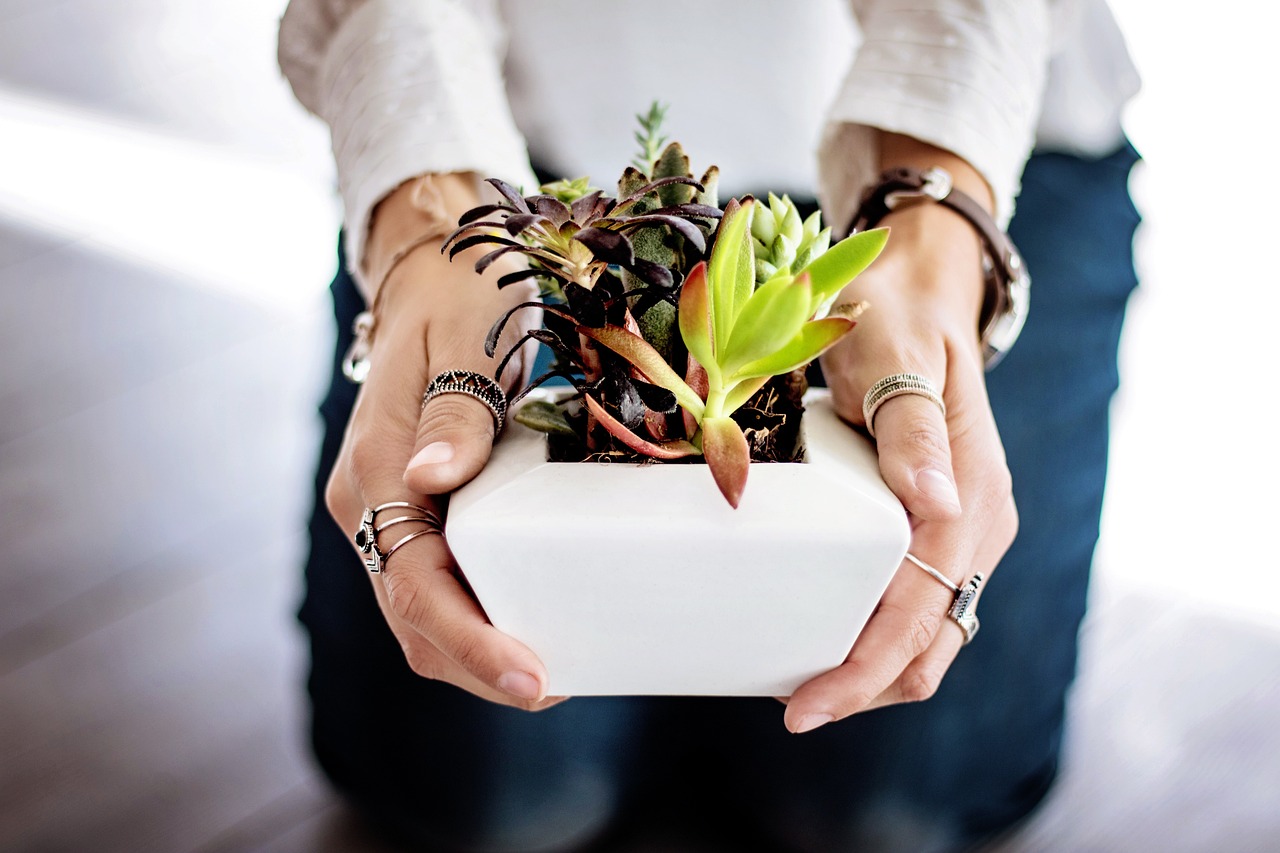
Choosing the Right Pot and Soil
Mint is a famously vigorous grower. To keep your indoor plant healthy, you must accommodate its aggressive root system, known as rhizomes. These roots spread rapidly and will quickly become root-bound if confined in a small or narrow container, which can stunt the plant’s growth and lead to poor foliage production.
When selecting a pot, prioritize width over depth. A wide container provides ample space for the roots to spread horizontally, which is how mint naturally expands. Regardless of the material—whether terracotta, plastic, or ceramic—ensure the pot has large, unobstructed drainage holes at the bottom. Mint enjoys consistent moisture, but it detests “wet feet.” Excess water trapped at the bottom of a pot will lead to root rot, which is often fatal.
Because mint is such a competitive grower, it is best to provide it with its own dedicated home. Avoid planting mint in a mixed herb garden or a shared container with other plants. Its rapid growth and voracious appetite for nutrients mean it will quickly outcompete and crowd out neighboring herbs, leaving them struggling for resources.
For the best results, use a high-quality, well-draining potting mix. Standard garden soil is too heavy and often contains pests or pathogens that thrive indoors. Instead, look for a lightweight indoor potting mix that includes perlite or vermiculite. These amendments improve aeration and prevent the soil from compacting, ensuring that oxygen can reach the roots effectively.
Follow these quick tips for your potting setup:
- Size: Choose a pot at least 10–12 inches in diameter to allow for expansion.
- Drainage: Place a saucer under the pot to catch runoff, but always empty it after watering to prevent waterlogging.
- Soil: Use a fresh, peat-based or coco-coir-based potting mix designed for indoor containers.
- Isolation: Keep mint in a solo pot to prevent it from choking out other plants in your collection.
Light and Temperature Requirements
Mint is a vigorous grower, but its success indoors depends heavily on light quality. To keep your plant thriving, place it in a spot that receives at least four to six hours of bright, indirect sunlight daily. A south or west-facing windowsill is generally ideal, as these locations provide the consistent, gentle light mint craves without scorching its delicate leaves.
If your home lacks sufficient natural light, a standard LED grow light can serve as an excellent substitute. Simply position the light a few inches above the plant for approximately eight to ten hours a day to mimic the intensity of the sun.
Temperature stability is equally vital for maintaining a healthy mint plant. While mint is relatively hardy, it prefers consistent indoor conditions. Aim to keep your plant in an environment between 65 and 75 degrees Fahrenheit. Sudden fluctuations can stress the plant, leading to wilting or stunted growth.
To protect your mint from environmental stress, follow these placement guidelines:
- Avoid placing your pot directly on or near radiators, heating vents, or space heaters, as the dry, intense heat will quickly dehydrate the soil and scorch the foliage.
- Keep the plant away from drafty windows or exterior doors during the winter months, as cold air can cause leaf drop and shock the root system.
- Ensure there is adequate air circulation around the plant to prevent fungal issues, but avoid areas with strong, direct air conditioning blasts.
If you notice your mint becoming “leggy”—stretching out with long spaces between the leaves—it is a clear sign that the plant is not receiving enough light. In this case, move it to a brighter location immediately. By balancing these light and temperature needs, you provide the foundation for a lush, productive indoor herb garden that will provide fresh harvests year-round.

Watering and Humidity Needs
Mint is a thirsty plant that thrives when its soil remains consistently moist. Unlike many other indoor herbs that prefer to dry out between waterings, mint dislikes being bone-dry. However, there is a fine line between damp and waterlogged; if the soil becomes soggy, your plant is at high risk for root rot.
To determine if your mint needs water, use the finger test. Insert your index finger about one inch into the potting mix. If the soil feels dry to the touch at that depth, it is time to water. If it still feels cool or damp, wait another day or two before checking again.
Proper drainage is the most critical factor in preventing root rot. Always ensure your pot has drainage holes at the bottom. When you water, pour until you see moisture escaping through the base, then discard any excess water that collects in the saucer. Never leave your mint sitting in a pool of standing water.
In addition to soil moisture, consider the ambient humidity in your home. Mint enjoys a humid environment, which can be challenging during winter months when indoor heating dries out the air. If the leaves begin to look crisp or brown at the edges, your plant is likely struggling with low humidity.
Follow these quick tips to manage moisture effectively:
- Water thoroughly until excess liquid flows out of the drainage holes.
- Empty the saucer immediately after watering to prevent root suffocation.
- Mist the foliage with a spray bottle occasionally if your home air feels particularly dry.
- Use a pot with adequate drainage to ensure the root system stays healthy.
By monitoring the soil moisture daily and ensuring your plant is never left in stagnant water, you will provide the ideal environment for your mint to grow lush, fragrant leaves year-round. Consistent care is the secret to keeping this vigorous herb thriving indoors.
Pruning and Safe Harvesting Practices
Regular pruning is the secret to maintaining a vibrant, productive indoor mint plant. Because mint grows rapidly, it can quickly become leggy if left untended. Consistent harvesting acts as a natural pruning process, signaling the plant to redirect its energy into creating side shoots, which results in a fuller, bushier appearance.
To keep your plant healthy, always use clean, sharp kitchen shears or garden snips. Dull blades can crush delicate stems, creating ragged wounds that invite disease or rot. Before you begin, wipe your blades with rubbing alcohol to ensure they are sterile. When handling your tools, work slowly and deliberately to avoid accidental nicks to your fingers or the plant’s main stalk.
Follow these steps for safe and effective harvesting:
- Locate the node: Identify a leaf node—the point where leaves emerge from the stem. Make your cut approximately one-quarter inch directly above this node.
- Encourage branching: By cutting just above the node, you stimulate the dormant buds located there to sprout two new stems, effectively doubling your harvest potential.
- Follow the one-third rule: Never remove more than one-third of the plant’s total foliage in a single session. Over-harvesting stresses the plant and prevents it from photosynthesizing enough energy to recover.
- Prioritize the top: Always harvest from the top of the stems first. This encourages the plant to grow outward rather than reaching awkwardly toward the light.
If you notice any stems that have turned brown or appear wilted, remove them entirely at the base. This “cleaning” process improves airflow through the foliage, which is vital for preventing common indoor issues like powdery mildew. By removing spent growth, you allow the plant to focus its resources on healthy, flavorful new leaves. If you find yourself with more mint than you can use immediately, the stems can be kept fresh in a glass of water for a few days or dried for long-term storage.

Troubleshooting and Long-Term Care
Even with the best intentions, indoor mint can occasionally struggle. Recognizing the early warning signs of distress allows you to adjust your care routine before the plant suffers significant damage. Most issues are easily corrected with minor environmental tweaks.
If your mint plant begins to look “leggy”—meaning it has long, thin stems with sparse leaves—it is almost certainly reaching for more light. Mint thrives in bright, indirect sunlight. Move your container to a south-facing window or supplement with a grow light to encourage compact, bushy growth. If the stems have already become too long, do not hesitate to prune them back; this encourages the plant to branch out and become fuller.
Yellowing leaves are frequently a symptom of moisture imbalance. Mint prefers consistently moist soil, but it should never be waterlogged. If the leaves turn yellow or the soil feels soggy, you are likely overwatering or failing to provide adequate drainage. Ensure your pot has drainage holes and always empty the saucer after watering to prevent root rot.
Follow these steps for long-term health:
- Monitor root health: If roots begin growing out of the drainage holes or the plant dries out almost immediately after watering, it is likely root-bound. Gently repot it into a container one size larger using fresh, high-quality potting mix.
- Maintain airflow: Proper air circulation prevents fungal issues and mold growth on the soil surface. Avoid crowding your mint with other houseplants.
- Address pests: If you notice webbing or tiny spots on the undersides of leaves, you may have spider mites or aphids. Isolate the plant immediately to protect your other greenery.
For persistent problems that do not resolve with these adjustments, such as recurring mold or stubborn pest infestations, consult a local nursery professional. They can provide specific, organic treatment recommendations tailored to your local climate and the severity of the issue, ensuring your mint remains safe for culinary use.

Dedicated team of gardening enthusiasts with years of hands-on experience testing lawn mowers, gardening tools, and outdoor equipment. We help home gardeners and professionals alike make informed buying decisions with honest, thorough reviews. From push mowers to pruning shears, we test it all so you don’t have to. Got a gardening tool you’d like us to review? Get in touch!