
Caring for house plants is a rewarding way to bring nature indoors, but it requires understanding the specific needs of your green companions. Learning how to care for house plants effectively involves mastering the balance of light, water, and soil requirements to ensure your indoor greenery thrives in any environment throughout the year.
Every plant species has unique preferences, meaning there is no single universal schedule for maintenance. While some varieties crave bright, direct sunlight and frequent hydration, others prefer low-light corners and dry soil. Recognizing these subtle differences is the secret to preventing common issues like yellowing leaves, root rot, or stunted growth patterns.
This comprehensive guide covers the fundamentals of light, water, and soil to help your indoor garden flourish. We will walk you through practical steps for diagnosing plant health, choosing the right pots, and establishing a consistent care routine. Whether you are a beginner or a seasoned enthusiast, these expert tips guarantee long-term success.
Understanding Light Requirements
Light is the fuel for your houseplants, but providing the wrong intensity is a leading cause of plant decline. To help your greenery thrive, you must first assess the natural light levels in your living space. Observe how sunlight moves through your rooms throughout the day; a spot that is sunny at 9:00 AM may be in deep shade by noon.
Use these categories to determine where your plants will be happiest:
- Bright Indirect Light: This is the gold standard for most tropical houseplants. Place these plants near a window with a sheer curtain or a few feet away from a bright, unobstructed window. They should receive plenty of illumination without harsh, direct sun rays hitting their leaves.
- Medium Light: These spots are usually found in the center of a room or near an east-facing window. Plants here receive some direct morning sun but are protected from the intense heat of the afternoon.
- Low Light: Ideal for resilient varieties like snake plants or pothos, these areas are typically several feet away from windows or in rooms with limited natural exposure. Note that “low light” does not mean “no light”—all plants require some level of illumination to survive.
Placement is crucial for preventing physiological stress. If you notice brown, crispy patches on leaves, your plant is likely suffering from leaf scorch caused by too much direct sun. Conversely, if your plant is stretching, leaning heavily toward the light source, or producing tiny new leaves, it is likely “reaching” because it is starved for energy. This stunted growth indicates that the plant needs to be moved closer to a window.
Always research the specific needs of your plant variety before finalizing its location. By mimicking the light conditions of their natural habitats, you ensure your plants remain vibrant, healthy, and capable of sustained growth throughout the year.
Mastering Your Watering Routine
Overwatering is the leading cause of houseplant failure. While it is tempting to stick to a strict weekly schedule, your plants’ needs change based on light levels, temperature, and humidity. Instead of watering by the calendar, learn to water based on the actual needs of the soil.
The most reliable way to check moisture is the finger test. Insert your index finger about one inch deep into the soil. If the soil feels damp or sticks to your skin, hold off on watering. If the soil feels dry and crumbly, it is time for a drink. For deeper pots, you can use a wooden skewer or a moisture meter to reach further down into the root zone.
Proper drainage is non-negotiable for healthy plants. Always ensure your pots have functional drainage holes at the bottom. Without them, water collects at the base, creating an anaerobic environment that leads to root rot—a condition that is often fatal to houseplants.
Follow these essential steps to maintain a healthy watering routine:
- Use drainage holes: Never plant directly into decorative pots that lack holes unless you use a plastic nursery liner inside.
- Empty the saucer: After watering, wait 15 minutes and then discard any water that has collected in the saucer. Never let a plant sit in standing water, as this invites pests and fungal issues.
- Water thoroughly: When you do water, pour until moisture flows freely from the drainage holes. This ensures the entire root ball is hydrated and helps flush out accumulated mineral salts.
- Adjust for seasons: Most plants grow actively in spring and summer and require more water. During the darker, cooler winter months, growth slows down, and plants typically need significantly less water.
By observing your plant’s soil rather than following a rigid calendar, you will avoid the most common pitfalls of indoor gardening. Consistency in checking the moisture level is the secret to helping your greenery thrive year-round.
Soil, Humidity, and Essential Maintenance
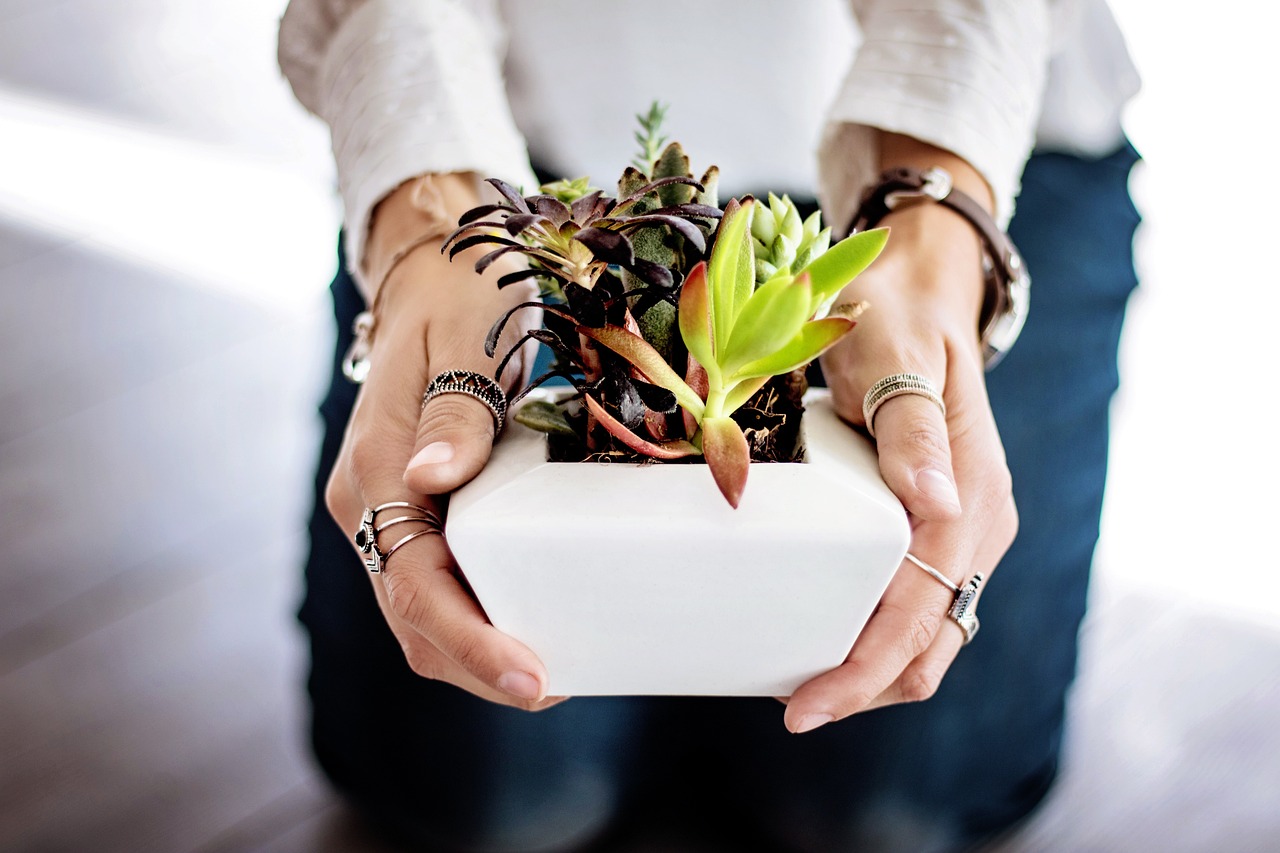
The foundation of a thriving houseplant is the soil. Never use standard garden soil, as it compacts too easily in containers and can introduce pests or diseases. Instead, choose a high-quality potting mix specifically formulated for your plant’s needs. Succulents and cacti require gritty, well-draining mixes that prevent root rot, while tropical plants like ferns or monsteras prefer moisture-retentive, nutrient-rich substrates containing peat or coconut coir.
Humidity is often overlooked, yet it is vital for plants native to tropical environments. Many homes, especially during winter, have air that is too dry for these species. If you notice brown, crispy leaf tips, your plant likely needs more moisture in the air. You can effectively increase local humidity using these simple methods:
- Pebble Trays: Place your pot on a shallow tray filled with stones and a small amount of water. As the water evaporates, it creates a humid microclimate around the foliage.
- Group Plants: Clustering several plants together creates a collective transpiration effect, naturally raising the humidity level in that specific area.
- Misting: Lightly spraying your plants with water can provide temporary relief, though it is less effective than the methods above for long-term health.
Regular maintenance is the final pillar of plant care. Over time, dust and debris accumulate on leaf surfaces, physically blocking sunlight and hindering the plant’s ability to photosynthesize. This buildup can also invite pests like spider mites.
To keep your plants breathing and growing efficiently, wipe leaves down every few weeks. Use a soft, damp cloth and gently support the leaf from underneath to prevent tearing. If your plant has large, waxy leaves, you can use a diluted, mild soap solution, but avoid harsh leaf-shine products, which can clog the plant’s pores. By maintaining clean foliage and providing the right soil and humidity, you create a stable environment that allows your indoor garden to flourish year-round.
Safety and Tool Handling
Proper tool maintenance is the foundation of healthy plant care. When pruning dead foliage or repotting root-bound specimens, always use sharp, sterilized shears. Dull blades crush plant stems rather than slicing through them, which creates jagged wounds that invite bacteria, fungi, and pests. To sterilize your tools, wipe the blades with rubbing alcohol or a mild bleach solution between each plant to prevent the cross-contamination of diseases.
Protecting your physical well-being is just as important as protecting your plants. Wear durable gardening gloves whenever you handle soil or perform maintenance. Gloves provide a necessary barrier against:
- Sap irritants: Many popular houseplants, such as Philodendrons and Monsteras, contain calcium oxalate crystals in their sap that can cause skin rashes or irritation.
- Soil pathogens: Potting mixes may contain fungi or bacteria that can enter small cuts or abrasions on your hands.
- Thorns and debris: Gloves shield your skin from sharp stems, hidden thorns, or coarse drainage materials like perlite and clay shards.
If your plant collection includes specimens on high shelves or hanging planters, prioritize stability. Never stand on unstable furniture, rolling chairs, or uneven surfaces to reach a plant. If you must use a step stool, ensure it is fully unfolded on a level, non-slip floor. If a plant is too heavy or positioned at an awkward height, bring the plant down to a stable table or countertop rather than reaching overhead. This prevents strain on your back and significantly reduces the risk of accidental falls.
Finally, always store your tools securely after use. Wipe down shears to remove moisture and sap, then keep them in a dry, organized space out of the reach of children and pets. By keeping your workspace clean, your tools sharp, and your body protected, you ensure that gardening remains a safe and rewarding hobby for years to come.

Troubleshooting Common Plant Issues
Even with the best intentions, house plants occasionally struggle. When you notice your green companions looking less than vibrant, don’t panic. Most issues are simply signals that your plant needs a slight adjustment to its environment or care routine.
Start by observing the specific symptoms. Yellowing leaves often point to overwatering or poor drainage, while drooping foliage frequently indicates that a plant is either thirsty or suffering from extreme temperature fluctuations. If you spot fine webbing or tiny spots on the undersides of leaves, you are likely dealing with pests like spider mites.
Follow these steps to troubleshoot effectively:
- Assess moisture levels: Before watering, stick your finger an inch into the soil. If it feels damp, hold off. If it is bone-dry, give it a thorough soak.
- Check light exposure: If a plant is stretching toward a window, it needs more light. If leaves appear scorched or bleached, move it further away from direct sun.
- Inspect for pests: Wipe leaves with a damp cloth or use a gentle insecticidal soap if you identify an infestation.
- Improve drainage: Ensure your pots have drainage holes. Standing water is the leading cause of root rot, which is often fatal if left unaddressed.
If you suspect root rot—characterized by mushy, dark roots and a foul odor—carefully repot the plant into fresh, well-draining soil after trimming away the damaged sections. Always isolate a struggling plant from your healthy collection to prevent the spread of potential pests or diseases.
Consistency is your best tool for recovery. Make one change at a time rather than overhauling your entire care routine, as this allows you to see exactly what helps your plant bounce back. If a plant remains in decline despite your best efforts, do not hesitate to consult a local nursery professional. They can provide specific guidance based on your local climate and the unique needs of your plant species, helping you decide whether the plant can be saved or if it is time to start fresh.

Dedicated team of gardening enthusiasts with years of hands-on experience testing lawn mowers, gardening tools, and outdoor equipment. We help home gardeners and professionals alike make informed buying decisions with honest, thorough reviews. From push mowers to pruning shears, we test it all so you don’t have to. Got a gardening tool you’d like us to review? Get in touch!