
Learning how to care for gardenias in pots indoors requires mimicking their native tropical environment to keep them healthy. While these plants are prized for their intoxicating fragrance and glossy foliage, they have a reputation for being notoriously finicky when moved inside, often struggling with dry air and fluctuating indoor temperatures.
It is important to set realistic expectations because gardenias are not low-maintenance houseplants. They demand consistent moisture, bright indirect light, and high humidity to truly flourish. Understanding these specific physiological needs is the secret to preventing common issues like yellowing leaves or bud drop, allowing your plant to thrive rather than just survive.
This comprehensive guide explains exactly how to replicate their ideal habitat within your home. We will cover essential practical tips, including proper soil selection, strategic watering techniques, and temperature management. Follow these expert recommendations to successfully cultivate your potted gardenia and enjoy its stunning, aromatic blooms throughout the year, even in challenging indoor conditions.
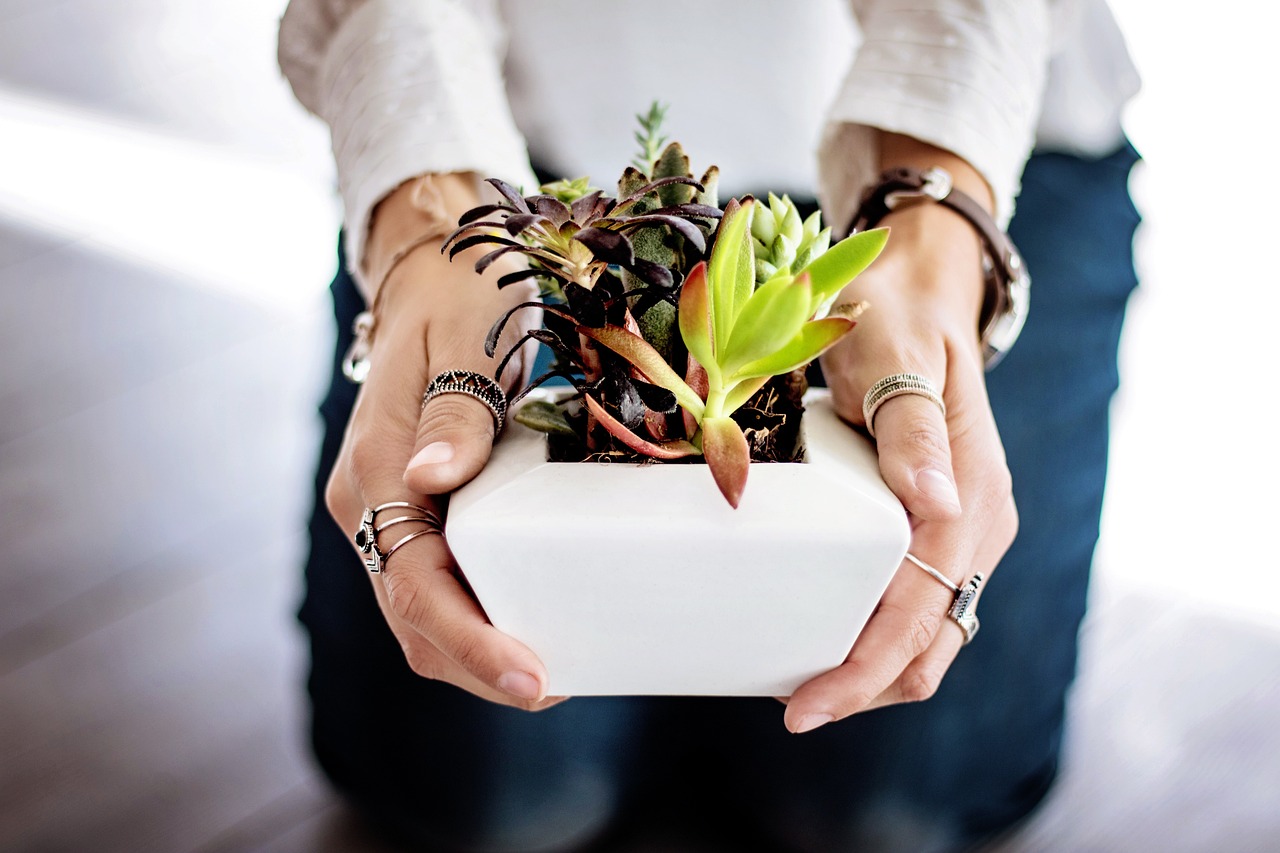
Selecting the Right Pot and Soil
Selecting the correct container and soil medium is the foundation of successful indoor gardenia care. Because these plants are highly susceptible to root rot, your choice of pot is the most critical factor in preventing moisture-related issues.
Always choose a pot that features functional drainage holes at the bottom. While decorative cachepots are aesthetically pleasing, they often trap excess water, which leads to oxygen deprivation in the root zone. If you prefer using a decorative container, place the gardenia in a standard nursery pot first, then set that inside the decorative one. Ensure you empty any standing water from the outer pot immediately after watering.
For the planting medium, gardenias thrive in a specialized, slightly acidic environment. A standard, heavy garden soil will compact too quickly, suffocating the roots. Instead, opt for a high-quality, peat-based potting mix designed for acid-loving plants like azaleas or camellias.
To ensure optimal health, follow these soil and potting best practices:
- Prioritize Drainage: If your pot lacks sufficient holes, drill extra ones before planting to ensure water flows freely.
- Enhance Aeration: Mix a handful of perlite or pumice into your peat-based soil to improve structure and prevent the mix from becoming too dense.
- Check Moisture Levels: Before watering, touch the top inch of soil. If it feels damp, wait a day or two. If it feels dry to the touch, it is time to water.
- Avoid Waterlogging: Never allow the pot to sit in a saucer of water for more than 30 minutes.
By mimicking the well-draining, airy forest floor conditions gardenias prefer, you create an environment where the roots can thrive. Consistent moisture is essential, but the ability of the soil to shed excess water is what ultimately keeps the plant from developing fungal diseases or root decay. Proper preparation at this stage saves significant trouble as the plant matures.
Managing Light and Temperature Requirements
Gardenias are notoriously particular about their environment, but mastering their light and temperature needs is the secret to preventing bud drop and yellowing leaves. Because they are native to tropical and subtropical climates, they thrive when you mimic those conditions within your home.
For optimal growth, place your gardenia in a spot that receives bright, indirect light for at least six hours every day. A south- or west-facing window is often ideal, provided you use a sheer curtain to filter the light. If the sun hits the leaves directly, it can cause scorching, which manifests as brown, crispy patches on the foliage.
Consistency is the most important factor when managing temperature. Gardenias prefer a steady range between 60 and 75 degrees Fahrenheit. Sudden fluctuations are the primary trigger for leaf drop and flower bud abortion. To keep your plant healthy, follow these placement guidelines:
- Avoid drafty zones: Keep your pot away from exterior doors, heating vents, and air conditioning units. Cold drafts in winter or hot blasts of air in summer will quickly stress the plant.
- Monitor seasonal shifts: As the seasons change, the intensity of light coming through your windows will shift. Be prepared to move the plant slightly further from the glass during the peak of summer to avoid overheating.
- Maintain stable humidity: While temperature is vital, remember that high temperatures often lower humidity. If your room stays on the warmer side of the spectrum, consider placing the pot on a tray filled with pebbles and water to increase the ambient moisture around the foliage.
If you notice your gardenia losing its leaves or failing to bloom, evaluate its location first. Often, simply moving the pot a few feet away from a radiator or into a brighter corner is all that is required to restore the plant to its lush, fragrant state. By maintaining these stable conditions, you create the perfect indoor sanctuary for your gardenia to thrive year-round.

Watering and Humidity Essentials
Gardenias are notoriously temperamental, but their primary requirement for indoor success is consistent moisture. Because they originate from humid, subtropical environments, they struggle in the dry air common in most homes, especially during winter months when heaters are running. If the air is too dry, flower buds often turn brown and drop before they ever have a chance to bloom.
To keep humidity levels high, consider these practical strategies:
- Pebble Trays: Place your pot on a shallow tray filled with pebbles and a small amount of water. Ensure the bottom of the pot sits on the stones, not directly in the water, to prevent root rot. As the water evaporates, it creates a localized humid microclimate around the foliage.
- Humidifiers: Running a small humidifier nearby is the most effective way to maintain consistent moisture levels throughout the day.
- Grouping: Place your gardenia near other houseplants. As plants transpire, they release moisture into the air, creating a collective humid environment that benefits the entire group.
Proper watering technique is equally critical. Gardenias prefer soil that is consistently moist but never waterlogged. Before adding more water, check the soil by inserting your finger about an inch deep. If the soil feels dry to the touch, it is time to water. If it still feels damp, wait another day or two to prevent the roots from suffocating.
When you do water, always use room-temperature water. Gardenias are sensitive to sudden temperature fluctuations, and using ice-cold water directly from the tap can shock the root system, causing the plant to drop its leaves or buds. Aim to water at the base of the plant, keeping the foliage dry to discourage fungal issues like powdery mildew. If your tap water is heavily chlorinated or contains high mineral content, using filtered or distilled water can help prevent leaf tip burn and keep your gardenia thriving.
Pruning and Maintenance Safety
Regular maintenance is essential to keeping your indoor gardenia healthy and aesthetically pleasing. The best time to prune your plant is immediately after it finishes its primary flowering cycle. By trimming back long, leggy stems, you encourage a bushier, more compact growth habit, which is ideal for indoor containers.
Precision is key when pruning to ensure the plant recovers quickly. Always use sharp, sterilized pruning shears. Dull blades can crush delicate stems, creating ragged wounds that invite fungal infections or pests. You can easily sanitize your tools by wiping the blades with isopropyl alcohol before and after each use to prevent the transmission of diseases between plants.
Safety should remain a priority during your maintenance routine. Gardenia sap can be a skin irritant for some individuals, so it is best to follow these safety practices:
- Wear gardening gloves to protect your skin from potential sap irritation and to provide a better grip on your shears.
- Keep your pruning tools clean and dry. Moisture on metal blades can lead to rust, which compromises the integrity of your equipment and makes precise cuts more difficult.
- Ensure your work area is well-lit so you can clearly identify the nodes where you intend to make your cuts.
When making your cuts, aim for a 45-degree angle just above a leaf node. This technique directs water away from the cut surface, reducing the risk of rot. If you notice any yellowing leaves or dead branches during your session, remove them promptly. These parts of the plant are no longer contributing to the gardenia’s health and can harbor unwanted pests.
By consistently following these maintenance steps, you prevent your indoor gardenia from becoming overgrown or stressed. A well-pruned plant not only looks better but also enjoys improved air circulation, which is vital for preventing common indoor issues like powdery mildew. Always store your shears in a dry, safe location once you have finished your tasks to keep them in peak condition for the next growing season.

Troubleshooting Common Issues and Follow-up Care
Even with the best intentions, gardenias can be temperamental when grown in containers. If you notice your plant struggling, use these troubleshooting steps to identify and correct the problem quickly.
Yellowing Leaves and Bud Drop
If your gardenia’s leaves begin to yellow or flower buds drop before opening, the culprit is often environmental stress. The most common cause is overwatering; ensure the pot has excellent drainage and allow the top inch of soil to dry out before watering again. Low humidity is another frequent trigger. Because gardenias thrive in moist air, place your pot on a tray filled with pebbles and water, or use a humidifier nearby to mimic their natural tropical environment.
Pest Management
Indoor gardenias are susceptible to common houseplant pests, particularly when air circulation is poor. Regularly inspect the undersides of leaves and the junctions where stems meet the main branch. Keep an eye out for:
- Aphids: Small, soft-bodied insects that cluster on new growth.
- Spider Mites: Look for fine webbing between leaves or a stippled, dusty appearance on the foliage.
If you spot an infestation, gently wipe the leaves with a damp cloth or apply a mild insecticidal soap specifically formulated for indoor plants. Always isolate the affected plant to prevent the pests from spreading to your other houseplants.
Addressing Stunted Growth
If your plant appears stunted or refuses to bloom despite consistent light and water, the issue may be hidden in the soil. Gardenias are acid-loving plants that require a specific pH balance to absorb nutrients effectively. If the soil becomes too alkaline, the plant cannot process iron, leading to chlorosis and lack of vigor.
If basic adjustments do not improve the plant’s health, consult a local nursery expert. They can help you test your soil pH or recommend a specialized acidic fertilizer to correct nutrient deficiencies. With the right balance of acidity and moisture, your gardenia will be much more likely to produce its signature fragrant blooms year after year.

Dedicated team of gardening enthusiasts with years of hands-on experience testing lawn mowers, gardening tools, and outdoor equipment. We help home gardeners and professionals alike make informed buying decisions with honest, thorough reviews. From push mowers to pruning shears, we test it all so you don’t have to. Got a gardening tool you’d like us to review? Get in touch!