
Learning how to care for a fiddle leaf fig requires balancing consistent light with a precise watering schedule. While this stunning statement plant has a reputation for being finicky, you can easily help your Ficus lyrata thrive indoors by mimicking its natural tropical environment through careful environmental management and attention to its specific needs.
Success starts with understanding that these plants dislike sudden changes in their surroundings. They prefer bright, indirect sunlight and will often drop leaves if moved frequently or exposed to cold drafts. By setting realistic expectations and providing a stable home, you can prevent common issues like browning edges or premature leaf loss throughout the year.
This comprehensive guide simplifies the entire care process by focusing on the essential requirements for healthy growth. We will walk you through the best soil mixtures, optimal watering techniques, and effective fertilization schedules. Follow these practical steps to master indoor plant care and ensure your fiddle leaf fig becomes a long-lasting, vibrant centerpiece.

Mastering Light and Placement
The Fiddle Leaf Fig (Ficus lyrata) is a sun-loving plant that thrives when its lighting requirements are met with precision. In its native rainforest habitat, this plant grows under the canopy, receiving consistent, filtered light. To help your Fiddle Leaf Fig flourish indoors, you must mimic these conditions as closely as possible.
The ideal location for your plant is near a south or east-facing window. These spots provide the bright, indirect light necessary for photosynthesis without exposing the delicate foliage to the intensity of midday rays. If your windows are particularly clear, you may need to use a sheer curtain to diffuse the light, preventing the scorched, brown patches that occur when the sun is too harsh.
Placement involves more than just light levels; it also requires environmental stability. Fiddle Leaf Figs are notoriously sensitive to sudden changes in their surroundings. To ensure your plant remains healthy, follow these placement guidelines:
- Avoid direct afternoon sun: Intense, unfiltered western exposure can quickly burn the large, waxy leaves.
- Steer clear of drafts: Keep your plant away from exterior doors, drafty windows, or high-traffic hallways where temperature swings are common.
- Mind the climate control: Position your fig away from air conditioning vents, space heaters, and radiators. These appliances dry out the air and can cause leaf drop or browning edges.
Consistency is the secret to a happy Fiddle Leaf Fig. Once you find a spot that provides bright, indirect light and a stable temperature, try to leave the plant there permanently. Moving it frequently forces the plant to constantly adjust to new light intensity and airflow patterns, which often leads to stress and stunted growth. If you notice your plant leaning heavily toward the light, rotate the pot a quarter-turn every time you water to encourage even, symmetrical growth. By prioritizing a stable, well-lit environment, you provide the foundation your Fiddle Leaf Fig needs to develop its signature, lush canopy.
Watering Techniques and Soil Health
Mastering your watering routine is the most critical step in keeping a fiddle leaf fig healthy. Overwatering is the leading cause of plant failure, often leading to irreversible root rot. To avoid this, always check the soil moisture before reaching for your watering can.
Use your finger to test the soil depth. You should allow the top two inches of soil to dry out completely before providing more water. If the soil still feels damp or cool to the touch, wait a few more days. Fiddle leaf figs prefer to be slightly on the drier side rather than constantly wet.
When it is time to water, follow these steps to ensure your plant thrives:
- Water thoroughly: Pour water evenly over the soil until it begins to flow out of the drainage holes at the bottom of the pot. This ensures the entire root ball receives moisture.
- Drain completely: Never allow your plant to sit in a saucer of standing water. If water collects in the tray, empty it immediately. Excess moisture trapped at the base of the pot is a primary trigger for fungal issues and root decay.
- Use the right medium: Soil health starts with the potting mix. Use a high-quality, well-draining mix specifically formulated for indoor tropical plants. These blends typically contain perlite or bark, which help aerate the soil and prevent compaction.
Consistency is key, but remember that your plant’s needs will shift throughout the year. During the active growing season in spring and summer, your fiddle leaf fig will consume water more rapidly than during the dormant winter months. Always adjust your watering frequency based on the ambient temperature, light levels, and the current moisture state of the soil rather than sticking to a rigid calendar schedule. By prioritizing drainage and checking soil moisture levels regularly, you create the ideal environment for your fiddle leaf fig to grow strong, vibrant leaves.

Cleaning and Maintenance
Fiddle leaf figs are prized for their broad, violin-shaped leaves, but those large surfaces act as magnets for household dust. When a layer of dust settles on the foliage, it acts as a physical barrier that blocks sunlight, significantly hindering the plant’s ability to photosynthesize efficiently. To keep your plant thriving, you should clean the leaves every few weeks.
To clean your fiddle leaf fig safely, use a soft, lint-free cloth dampened with room-temperature water. Support the underside of each leaf with one hand while gently wiping the top surface with the other to prevent accidental tearing. Avoid using commercial leaf-shine products, which can clog the plant’s pores and attract more dust over time.
Routine maintenance also involves managing the plant’s growth through pruning. Removing dead, yellowing, or damaged leaves redirects the plant’s energy toward healthy new growth. When pruning, follow these essential safety and hygiene steps:
- Use the right tools: Always use sharp, sterilized pruning shears to ensure clean cuts that heal quickly and minimize the risk of infection.
- Protect your skin: The fiddle leaf fig contains a milky, latex-based sap that can cause skin irritation or allergic reactions. Always wear gardening gloves when pruning.
- Make clean cuts: Cut damaged stems or leaves close to the main trunk, but be careful not to damage the primary stem itself.
- Manage sap: If sap leaks from a fresh cut, wipe it away immediately with a damp cloth to prevent it from hardening on the bark.
Regular inspection is the best way to catch potential issues early. While wiping the leaves, take a moment to look at the undersides for signs of pests, such as spider mites or scale. If you notice any sticky residue or webbing, address it immediately with a gentle insecticidal soap. By keeping the foliage clean and clear of debris, you ensure your fiddle leaf fig remains a vibrant, healthy centerpiece in your home.
Fertilizing and Humidity Needs
Fiddle leaf figs (Ficus lyrata) are native to tropical rainforests, meaning they crave consistent moisture in the air. In most home environments, the air is too dry, especially during winter when heating systems are running. If your plant’s leaves are browning at the edges or dropping unexpectedly, low humidity is often the culprit.
To create a more hospitable environment, aim to keep ambient humidity levels between 40% and 60%. You can easily achieve this by:
- Running a humidifier in the same room as your plant.
- Grouping several plants together to create a localized microclimate.
- Placing the pot on a tray filled with pebbles and a small amount of water (ensure the pot sits on the pebbles, not directly in the water, to avoid root rot).
Beyond humidity, proper nutrition is essential for supporting the large, waxy leaves that make this plant so iconic. During the active growing season—typically from early spring through late summer—your fiddle leaf fig will benefit from regular feeding.
Use a high-quality, balanced liquid fertilizer diluted to half-strength. Apply this solution once a month when watering. A balanced fertilizer (such as a 10-10-10 formula) provides the necessary nitrogen, phosphorus, and potassium to encourage healthy, vibrant new growth.
It is vital to adjust your care routine as the seasons change. As day length decreases and temperatures drop in the fall, the plant enters a natural period of dormancy. During this time, its metabolism slows significantly, and it no longer requires supplemental nutrients.
Stop all fertilization entirely from late autumn through the end of winter. Continuing to feed a dormant plant can lead to a buildup of mineral salts in the soil, which may eventually burn the roots or cause foliage damage. Resume your monthly feeding schedule only once you observe consistent new growth appearing in the spring.
Troubleshooting Common Issues
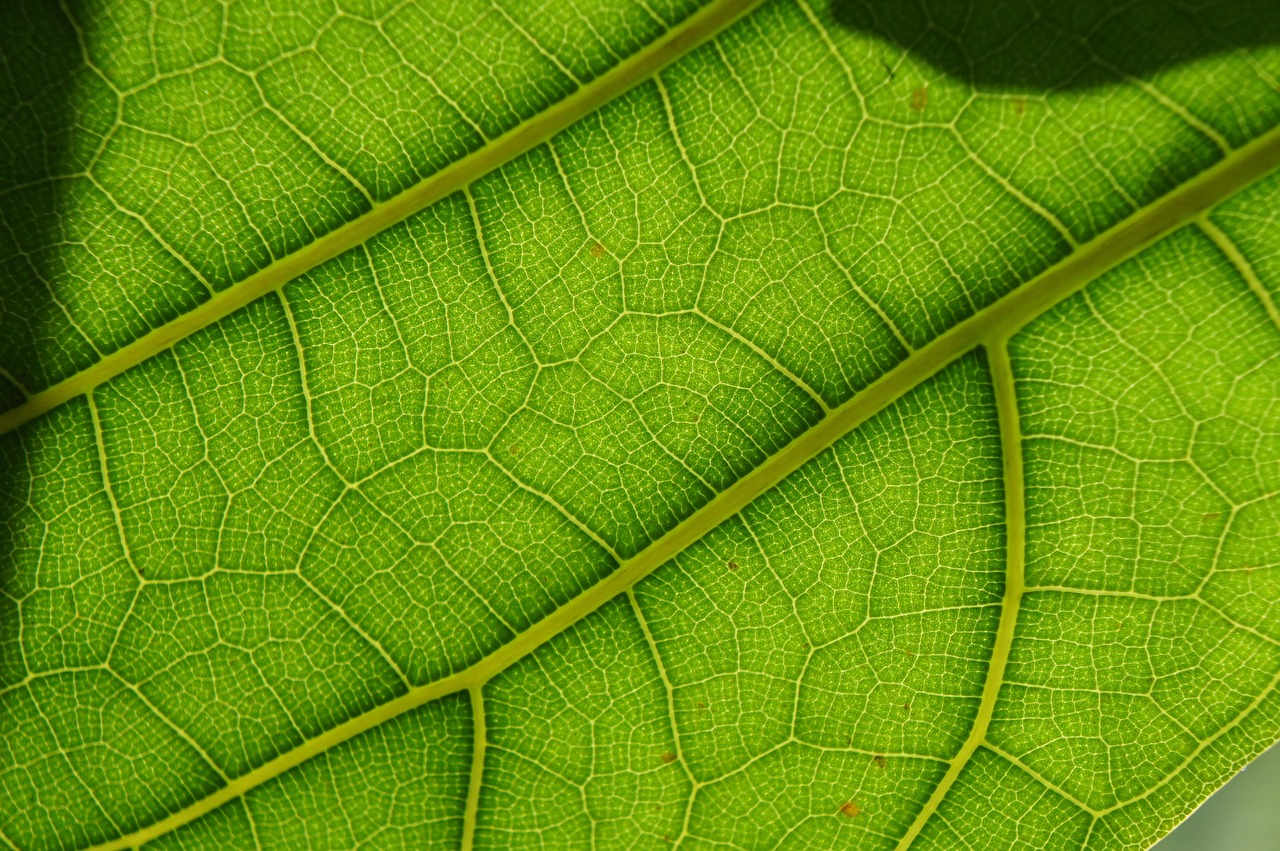
Fiddle leaf figs are notoriously sensitive, and their leaves often act as a barometer for their overall health. If you notice brown spots appearing on the foliage, it is frequently a sign of inconsistent watering or, more seriously, root rot caused by overwatering. Check the soil moisture level; if the soil remains soggy for days, allow it to dry out significantly before watering again.
Yellowing leaves usually signal that the plant is struggling with its environment. This is most commonly caused by poor drainage, which traps moisture around the roots, or a light deficiency. Ensure your pot has adequate drainage holes and move the plant closer to a bright, indirect light source to encourage recovery.
If your plant stops growing or begins to drop leaves rapidly, inspect the undersides of the leaves and the stems for pests. Spider mites are common culprits that thrive in dry indoor air. You can often manage a minor infestation by wiping the leaves with a damp cloth or using a gentle insecticidal soap.
As your fiddle leaf fig matures, it may become top-heavy or start to lean. To maintain a healthy, upright structure, consider these practical steps:
- Install a bamboo stake or a decorative plant support to provide stability for the main trunk.
- Use soft garden twine to loosely secure the stem to the stake, ensuring you do not constrict the plant’s growth.
- Rotate the pot every few weeks to encourage even growth toward the light, which helps prevent leaning.
If your plant has grown quite tall and you need to reach the upper canopy for cleaning or pruning, prioritize your safety. Avoid using heavy tools or climbing equipment that could damage the plant or cause a fall. Instead, use a sturdy, flat-surfaced step stool to reach higher areas. Always ensure your stool is on a stable, level base before stepping up to inspect or prune the top of your tree.

Dedicated team of gardening enthusiasts with years of hands-on experience testing lawn mowers, gardening tools, and outdoor equipment. We help home gardeners and professionals alike make informed buying decisions with honest, thorough reviews. From push mowers to pruning shears, we test it all so you don’t have to. Got a gardening tool you’d like us to review? Get in touch!