
Learning how to care for echeveria is simple once you understand their specific environmental preferences. These popular, rosette-shaped succulents thrive when provided with bright, direct sunlight and a well-draining soil mix. By mimicking their native arid habitats, you can easily maintain their stunning colors and architectural beauty in your own home.
While echeveria are widely considered low-maintenance plants, they are not entirely foolproof. They require a delicate balance of moisture and light to prevent common issues like leggy growth or root rot. Understanding these realistic expectations helps you avoid overwatering, ensuring your succulent remains compact, vibrant, and healthy throughout the changing seasons.
This guide provides actionable steps to help your echeveria flourish indoors or outdoors. We will cover the essential techniques for proper watering, ideal light exposure, and choosing the perfect potting medium. Follow these practical care tips to troubleshoot common problems and keep your collection looking its absolute best for years to come.

Providing the Right Light Conditions
Echeveria are sun-loving succulents that rely on intense, consistent light to maintain their signature rosette shape. When these plants do not receive enough energy, they begin to “stretch” or become leggy, with large gaps appearing between their leaves as they reach toward the nearest light source. This process, known as etiolation, is difficult to reverse, so proper placement is essential from the start.
For indoor plants, a south-facing windowsill is generally the best location, as it provides the brightest available light throughout the day. If your home lacks a sunny window, you can easily supplement with a full-spectrum LED grow light. Aim to keep the light on for 6 to 8 hours daily to ensure the plant remains compact and healthy.
If you choose to move your echeveria outdoors for the warmer months, you must prioritize a gradual transition. Even though these plants love sun, moving them directly from a dim indoor environment into harsh, midday outdoor rays will cause the leaves to scorch, leaving permanent brown patches on the foliage. Follow these steps to acclimate your plant safely:
- Start by placing the plant in a spot that receives only morning sun for the first few days.
- Slowly increase the amount of direct sun exposure over a two-week period.
- Monitor the leaves for signs of stress, such as bleaching or dark spots, and move the plant to a slightly shadier area if necessary.
Keep in mind that the intensity of the sun changes with the seasons. If you notice your echeveria beginning to lean or lose its tight, structural form, it is a clear signal that it needs more light. Simply move it closer to a window or increase the duration of your grow light usage. By providing the right balance of brightness, you ensure your echeveria stays vibrant, colorful, and perfectly shaped year-round.
Watering Techniques for Succulent Health
Mastering your watering routine is the most effective way to ensure your Echeveria thrives. Because these succulents are highly susceptible to root rot, the “soak-and-dry” method is the gold standard for maintaining their health. This technique mimics the natural wet-and-dry cycles of their native desert environments, preventing the roots from sitting in stagnant moisture.
To implement the soak-and-dry method correctly, follow these steps:
- Water thoroughly: Pour water directly onto the soil until you see it flowing freely out of the drainage holes at the bottom of the pot. This ensures that the entire root ball is hydrated.
- Wait for complete dryness: Do not water again until the soil has dried out entirely. You can test this by inserting a wooden skewer or your finger about two inches into the soil; if it feels damp, wait a few more days.
- Monitor the leaves: Healthy Echeveria leaves should feel firm. If they begin to look slightly wrinkled or shriveled, your plant is signaling that it is thirsty and ready for its next soak.
How you apply the water is just as important as how often you do it. Always aim your watering can or squeeze bottle at the soil surface. Avoid pouring water directly into the center of the rosette, where the leaves meet the stem.
If water becomes trapped in the tight crevices of the rosette, it can lead to fungal issues and rapid crown rot. If you accidentally get water on the leaves, gently blow it away or use a soft cloth to blot it dry. During the winter months, your Echeveria will enter a period of dormancy and require significantly less water. Reduce your frequency during this time to account for slower growth and cooler temperatures. By prioritizing soil moisture levels over a strict calendar schedule, you will keep your Echeveria vibrant, compact, and free from decay.
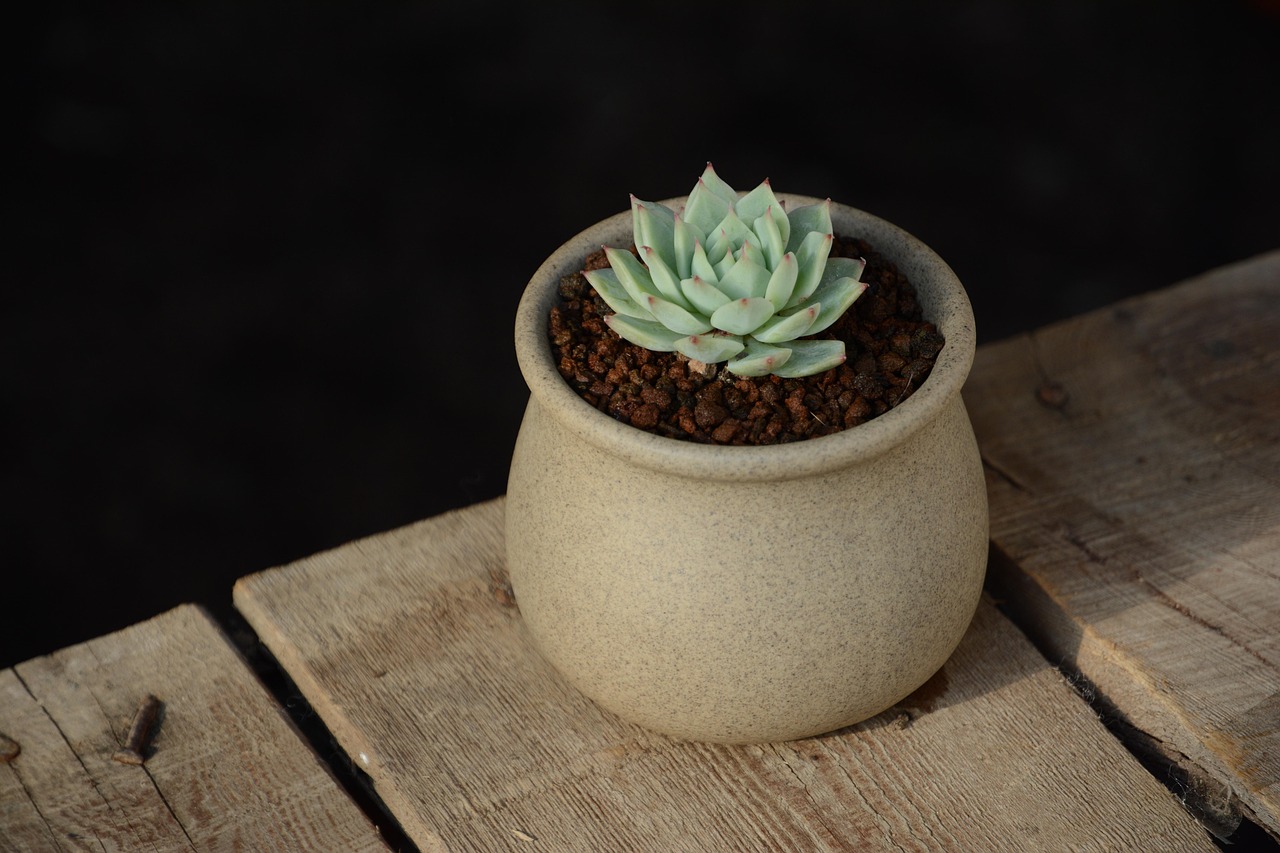
Soil and Container Requirements
Echeveria are desert-native succulents that thrive in arid conditions. Because they are highly susceptible to root rot, the foundation of their care begins with selecting the right soil and container. If these plants sit in moisture for too long, their roots will quickly decay, leading to the decline of the entire plant.
For the best results, use a specialized cactus or succulent potting mix. These commercial blends are formulated with extra grit, such as perlite, pumice, or sand, which ensures water passes through the medium quickly rather than retaining it. Avoid using standard indoor potting soil, as it holds too much moisture and will likely cause your echeveria to struggle.
Your choice of container is just as critical as the soil. To ensure long-term health, follow these guidelines:
- Prioritize drainage holes: Always select a pot with at least one drainage hole at the bottom. This allows excess water to escape immediately after watering.
- Choose breathable materials: Unglazed terracotta or clay pots are excellent choices because they are porous, allowing the soil to dry out more evenly.
- Avoid stagnant water: Never let your echeveria sit in a saucer of standing water. Empty the saucer shortly after watering to prevent the roots from soaking up excess moisture.
If you choose to use a decorative container that lacks a drainage hole, you must exercise extreme caution. While some gardeners add a layer of gravel or rocks to the bottom of these pots to create a reservoir for excess water, this method is risky. It does not actually increase drainage; it simply moves the water table closer to the root zone. If you must use a decorative pot without holes, use it as a “cachepot” by placing a smaller, plastic nursery pot inside it. This allows you to remove the plant for watering, ensuring the roots never sit in trapped liquid. For the best growth and longevity, a pot with a functional drainage hole remains the gold standard for echeveria care.
Grooming and Maintenance Safety
Regular maintenance is essential for keeping your Echeveria healthy and vibrant. Over time, the lower leaves of your succulent will naturally shrivel, dry up, and turn brown as the plant focuses its energy on new growth. Removing these spent leaves is a critical step in your care routine, as it improves airflow around the base of the plant and eliminates hiding spots for common pests like mealybugs.
To groom your Echeveria safely, follow these practical steps:
- Use the right tools: Always use clean, sharp pruning shears or scissors. Dull blades can crush delicate plant tissue, creating jagged wounds that are more susceptible to rot or infection.
- Prioritize safety: When trimming, keep your fingers well away from the cutting blade. If the leaves are loose enough, you can often gently pull them away by hand, but use tools for any that remain firmly attached.
- Protect your skin: While Echeverias are generally safe, the sap of some succulents can cause mild skin irritation or allergic reactions in sensitive individuals. Consider wearing lightweight gardening gloves while handling your plants to prevent direct contact.
- Sanitize your equipment: Wipe your shears with isopropyl alcohol before and after trimming. This simple habit prevents the spread of bacteria or fungal spores from one plant to another.
After grooming, inspect the base of the plant for any hidden debris. If you accidentally nick the stem during the process, allow the plant to sit in a dry, well-ventilated area for a day or two before watering. This allows the wound to callous over naturally, acting as a protective barrier against soil-borne pathogens.
By consistently removing dead material, you allow your Echeveria to maintain its iconic rosette shape while ensuring it remains free from moisture-trapping debris. A tidy plant is a resilient plant, and these small, intentional actions will significantly extend the lifespan and aesthetic appeal of your succulent collection.

Troubleshooting Common Echeveria Issues
Even with the best intentions, Echeveria can occasionally show signs of stress. Recognizing these symptoms early is the key to preventing long-term damage and keeping your succulent healthy.
If you notice your Echeveria leaves turning yellow, translucent, or mushy to the touch, you are likely overwatering. These succulents store water in their leaves, and excess moisture leads to root rot. Stop watering immediately, remove the plant from its pot to inspect the roots, and trim away any black, slimy sections before repotting into fresh, well-draining soil.
A common issue known as “stretching” or etiolation occurs when the plant does not receive enough sunlight. If your Echeveria begins to grow tall and spindly with large gaps between the leaves, it is reaching for a light source. Move the plant to a brighter location, such as a south-facing windowsill, to encourage compact, rosette-shaped growth.
Pests can also compromise your plant’s health. Mealybugs, which appear as small, white, cotton-like masses in the crevices of the leaves, are the most frequent offenders. If you spot them, follow these steps to protect your collection:
- Isolate the affected plant immediately to prevent the infestation from spreading to your other succulents.
- Treat the plant by dabbing the pests with a cotton swab dipped in 70% isopropyl alcohol.
- For more severe infestations, apply a light coat of neem oil or insecticidal soap, ensuring you cover both sides of the leaves.
Consistency is vital for recovery, but do not rush the process. If you have attempted these steps and remain unsure about your plant’s health, take a clear photo or bring the plant to a local nursery. A professional can provide a definitive diagnosis and recommend specific treatments tailored to your local climate and environment. With patience and minor adjustments, most Echeveria can recover fully from these common setbacks.

Dedicated team of gardening enthusiasts with years of hands-on experience testing lawn mowers, gardening tools, and outdoor equipment. We help home gardeners and professionals alike make informed buying decisions with honest, thorough reviews. From push mowers to pruning shears, we test it all so you don’t have to. Got a gardening tool you’d like us to review? Get in touch!