
Learning how to care for Echeveria succulents is straightforward once you understand their specific needs for light and drainage. These popular, rosette-forming succulents are prized for their stunning geometric beauty and architectural appeal. By following a few essential maintenance tips, you can easily keep these resilient plants healthy, vibrant, and thriving in any home environment.
While Echeveria are famously low-maintenance, they are not entirely foolproof and require consistent attention to thrive. These desert natives demand plenty of bright, indirect sunlight and a well-draining soil mix to prevent root rot. Understanding these environmental requirements is the key to preventing common issues like stretching, discoloration, or leaf drop over time.
This comprehensive guide provides practical, step-by-step instructions for mastering your plant care routine. From selecting the perfect potting medium to establishing a proper watering schedule, we cover everything you need to know. Whether you are growing your collection indoors or outdoors, these actionable tips will ensure your Echeveria remains a beautiful, long-lasting focal point.

Light and Temperature Requirements
Light is the most critical factor in keeping your Echeveria healthy and structurally sound. These succulents are sun-worshippers that require plenty of bright, direct light to maintain their iconic, tight rosette shape. When Echeveria do not receive enough light, they begin to “stretch” or etiolate, resulting in a leggy, unattractive appearance as the plant reaches desperately for a light source.
To ensure your plant thrives, prioritize these lighting strategies:
- South-facing windows: This is the ideal indoor location, as it provides the most consistent, intense sunlight throughout the day.
- Supplemental grow lights: If your home lacks bright natural light, use full-spectrum LED grow lights. Position them 6 to 10 inches above the plant for 10 to 12 hours daily to replicate natural conditions.
- Acclimation: If moving a plant from a dim area to direct sun, do so gradually over a week to prevent leaf scorch.
Temperature management is equally vital for long-term health. Echeveria prefer a moderate climate, ideally between 65°F and 75°F (18°C–24°C) during the active growing season. They are not frost-hardy, meaning they cannot tolerate freezing temperatures or prolonged exposure to extreme cold.
As winter approaches, you must protect your plants from the elements:
- Indoor transition: Move any outdoor Echeveria containers inside well before the first frost arrives.
- Draft avoidance: Keep plants away from cold window panes, drafty doors, or heating vents that cause rapid temperature fluctuations.
- Winter dormancy: During the cooler months, Echeveria grow more slowly. While they still require light, they will need significantly less water, as the lower temperatures and reduced light levels mean the soil will take longer to dry out.
By mimicking their native arid environment through consistent light and stable, frost-free temperatures, you will prevent common issues like stretching and rot, ensuring your Echeveria remains compact, vibrant, and healthy year-round.
Watering Techniques for Healthy Roots
The most critical aspect of caring for your Echeveria is mastering the “soak-and-dry” method. These succulents are adapted to arid environments, meaning they thrive when their soil is thoroughly saturated and then allowed to dry out completely before the next watering. Constant moisture is the primary cause of root rot, which can quickly kill a healthy plant.
Before you reach for your watering can, always test the soil moisture. Do not rely on a set schedule, as humidity, light levels, and temperature change how quickly your plant drinks. Instead, use these methods to check if it is time to water:
- The Finger Test: Insert your finger about two inches into the soil. If you feel any moisture at all, wait a few more days.
- The Skewer Method: Gently push a wooden skewer into the soil. If it comes out damp or with dark soil clinging to it, the plant does not need water.
- Leaf Texture: If the leaves feel firm and plump, the plant is hydrated. Only water when the bottom leaves begin to feel slightly soft or show minor wrinkling.
When it is time to water, direct the flow of water specifically at the soil line. Avoid getting water on the leaves or in the center rosette of the Echeveria. Trapped water in these crevices can lead to fungal growth, rot, and unsightly spotting. If water does accidentally pool in the leaves, gently blow it away or use a paper towel to absorb it.
Finally, your choice of container is non-negotiable. Always use pots with drainage holes at the bottom. Without drainage, excess water collects at the base of the pot, creating a swampy environment that suffocates the roots. If you are using a decorative pot without holes, use it as a cachepot by placing the Echeveria in a standard plastic nursery pot inside the decorative container, ensuring you remove the inner pot to drain it thoroughly after every watering session.
Soil and Potting Essentials
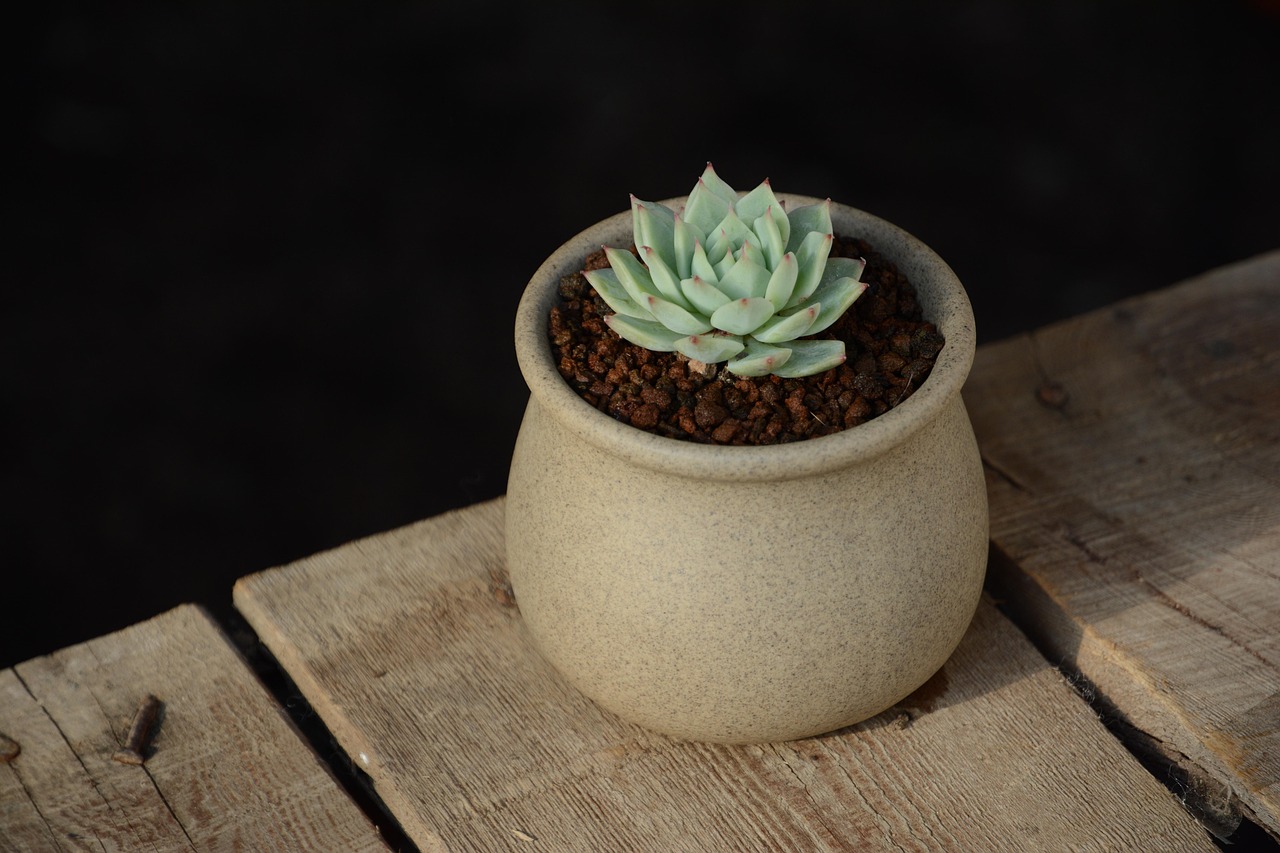
Echeveria thrive in environments that mimic their native arid habitats. The most critical factor in their long-term health is soil drainage. Standard potting soil retains too much moisture, which can quickly lead to root rot. Instead, use a high-quality cactus or succulent mix. To further improve aeration, amend this mix with perlite or pumice at a ratio of one part amendment to two parts soil.
When selecting a container, always ensure it features drainage holes at the bottom. Terracotta pots are an excellent choice because the porous clay material helps wick excess moisture away from the roots, providing a buffer against overwatering.
If your Echeveria has outgrown its current home, follow these steps to repot safely:
- Gently loosen the plant from its current pot by squeezing the sides.
- Brush away old, compacted soil from the root ball.
- Inspect the roots for signs of decay; healthy roots are firm and light-colored.
- If you need to trim damaged or overgrown roots, use clean, sharp shears or a knife. Always cut away from your body and keep your fingers clear of the blade’s path.
- Place the plant in its new pot at the same depth it was previously planted.
- Fill the remaining space with your fresh, well-draining soil mix.
Safety is paramount during this process. Some Echeveria species produce a milky sap that can cause skin irritation or allergic reactions upon contact. Always wear gardening gloves to protect your hands while handling the plant. Additionally, ensure your workspace is stable and well-lit when using sharp tools to avoid accidental slips or cuts. After repotting, resist the urge to water immediately. Wait about one week to allow any trimmed roots to callous over; this simple precaution prevents soil-borne pathogens from entering the plant through fresh wounds. Once the roots have settled, resume your regular watering schedule, ensuring the soil dries out completely between sessions.
Maintaining Appearance and Grooming
Regular grooming is essential to keep your Echeveria looking its best and to ensure it stays healthy. As your succulent grows, it is perfectly natural for the older, lower leaves to wither, turn brown, and eventually dry up. These spent leaves are no longer contributing to the plant’s energy production and can actually hinder its progress.
Removing these dead leaves is a simple task that significantly improves airflow around the base of the plant. Better air circulation is a critical defense against common succulent issues, such as fungal infections or pests that thrive in stagnant, humid environments near the soil line.
When you notice dead or shriveled leaves, follow these steps to groom your plant safely:
- Gently pull: If the leaf is completely dried out, it will often come away with a light, gentle tug. Always pull downward and slightly to the side to avoid snapping the stem.
- Use sharp tools: If a leaf is stubborn or partially attached, use clean, sharp scissors or pruning shears. Sterilize your blades with rubbing alcohol before use to prevent the spread of bacteria.
- Cut cleanly: Make your cut as close to the main stem as possible without nicking it. Leaving a jagged, fleshy stub can invite rot.
While grooming, you must exercise extreme caution regarding the plant’s surface. Echeverias are often covered in a delicate, powdery, waxy coating known as farina. This natural “dust” acts as a sunscreen, protecting the leaves from harsh light and water damage. It does not grow back once rubbed off, leaving the plant vulnerable to sunburn and unsightly blemishes.
To preserve this protective layer, avoid touching the leaves with your bare fingers. If you need to stabilize the plant while pruning, use a soft brush or a pair of long, padded tweezers. By handling your Echeveria with a light touch and keeping its base clear of debris, you provide the ideal conditions for a vibrant, symmetrical, and disease-free succulent.
Troubleshooting and Ongoing Care
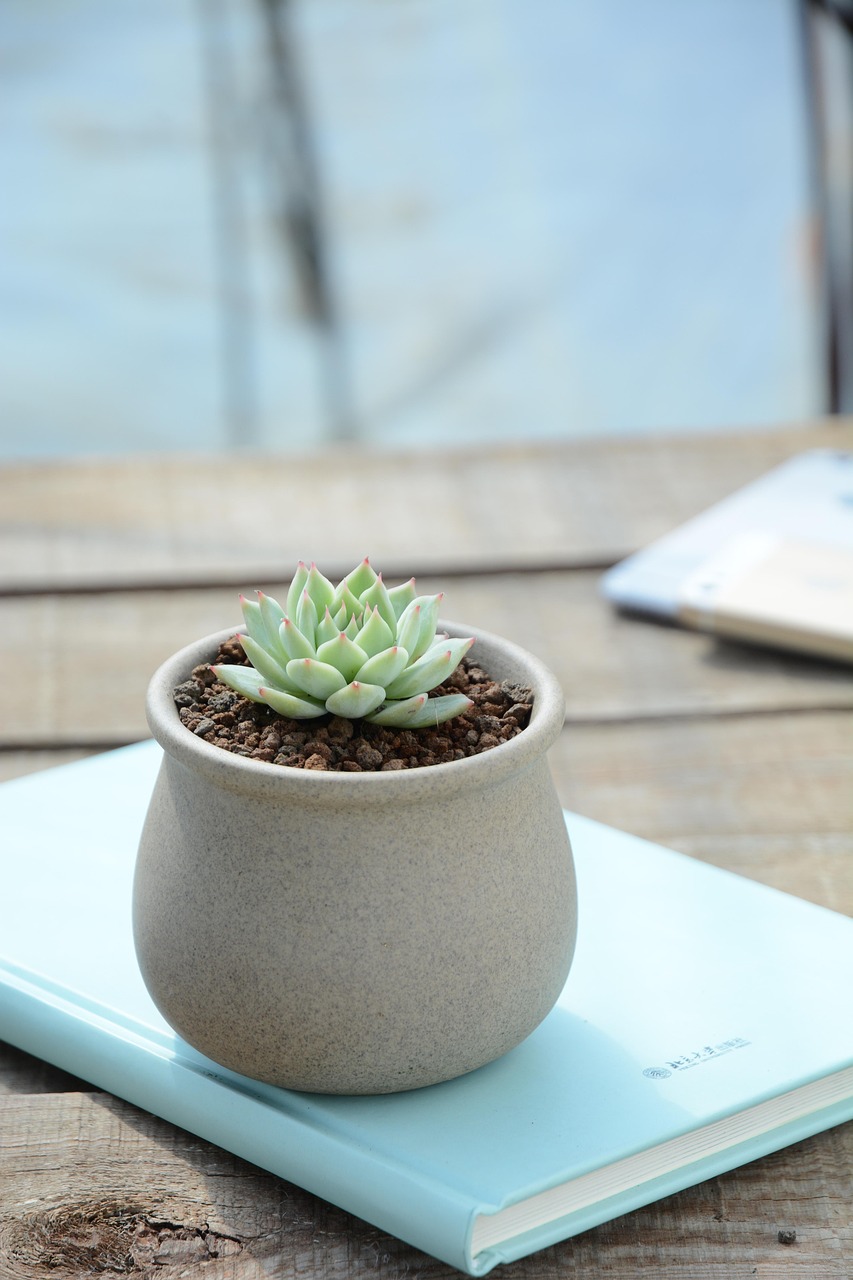
Even with the best intentions, Echeveria can face challenges as they adapt to your home environment. Recognizing early warning signs is the key to keeping your succulent vibrant and compact.
Common Growth Issues
- Etiolation (Stretching): If your Echeveria begins to grow tall and leggy with wide gaps between leaves, it is “reaching” for more light. Move the plant to a brighter location, such as a south-facing windowsill, to restore its tight, rosette shape.
- Leaf Drop: Lower leaves that turn yellow and mushy often indicate overwatering. Conversely, if the bottom leaves shrivel and crisp up, the plant is likely underwatered.
- Pests: Mealybugs appear as small, white, cotton-like masses in the crevices of the leaves. If you spot them, isolate the plant immediately and dab the pests with a cotton swab dipped in 70% isopropyl alcohol.
Watering Wisdom
The “soak and dry” method is the safest approach. Only water when the soil is completely dry to the touch. If you are unsure, wait an extra few days; Echeveria are far more resilient to drought than they are to waterlogged roots. If the leaves feel firm and plump, the plant is hydrated. If they feel soft or wrinkled, it is time for a thorough watering.
When to Seek Expert Help
While most issues are manageable at home, some situations require professional intervention. If you notice dark, blackened stems or a foul odor coming from the soil, your plant likely has stem rot, which is often fatal. Additionally, if an infestation of pests has spread to the entire plant or you cannot identify a mysterious decline in health, take a photo or bring the plant to a local nursery. Local experts can provide specific advice tailored to your region’s humidity and light levels.
By monitoring your Echeveria’s water needs and light exposure, you can prevent most common ailments and enjoy a healthy, thriving succulent for years to come.

Dedicated team of gardening enthusiasts with years of hands-on experience testing lawn mowers, gardening tools, and outdoor equipment. We help home gardeners and professionals alike make informed buying decisions with honest, thorough reviews. From push mowers to pruning shears, we test it all so you don’t have to. Got a gardening tool you’d like us to review? Get in touch!