
Learning how to care for Dracaena massangeana is straightforward because this plant thrives on neglect. To keep your Corn Plant healthy, provide bright, indirect light and allow the top few inches of soil to dry out completely between waterings. Following these simple steps will ensure your plant remains a vibrant, lush focal point in your home.
The Dracaena massangeana, often called the Corn Plant, is a popular indoor choice due to its striking, palm-like appearance and low-maintenance nature. While it is remarkably resilient, understanding its specific environmental needs is the key to preventing common issues like yellowing leaves or root rot. Consistency is much more important than constant attention for this species.
This guide covers the essential light, water, and soil requirements to keep your plant healthy and thriving in your home. You will learn how to troubleshoot common problems, choose the right potting mix, and determine the perfect spot for your plant to grow. Get ready to master the basics of indoor gardening with these practical tips.

Light and Temperature Requirements
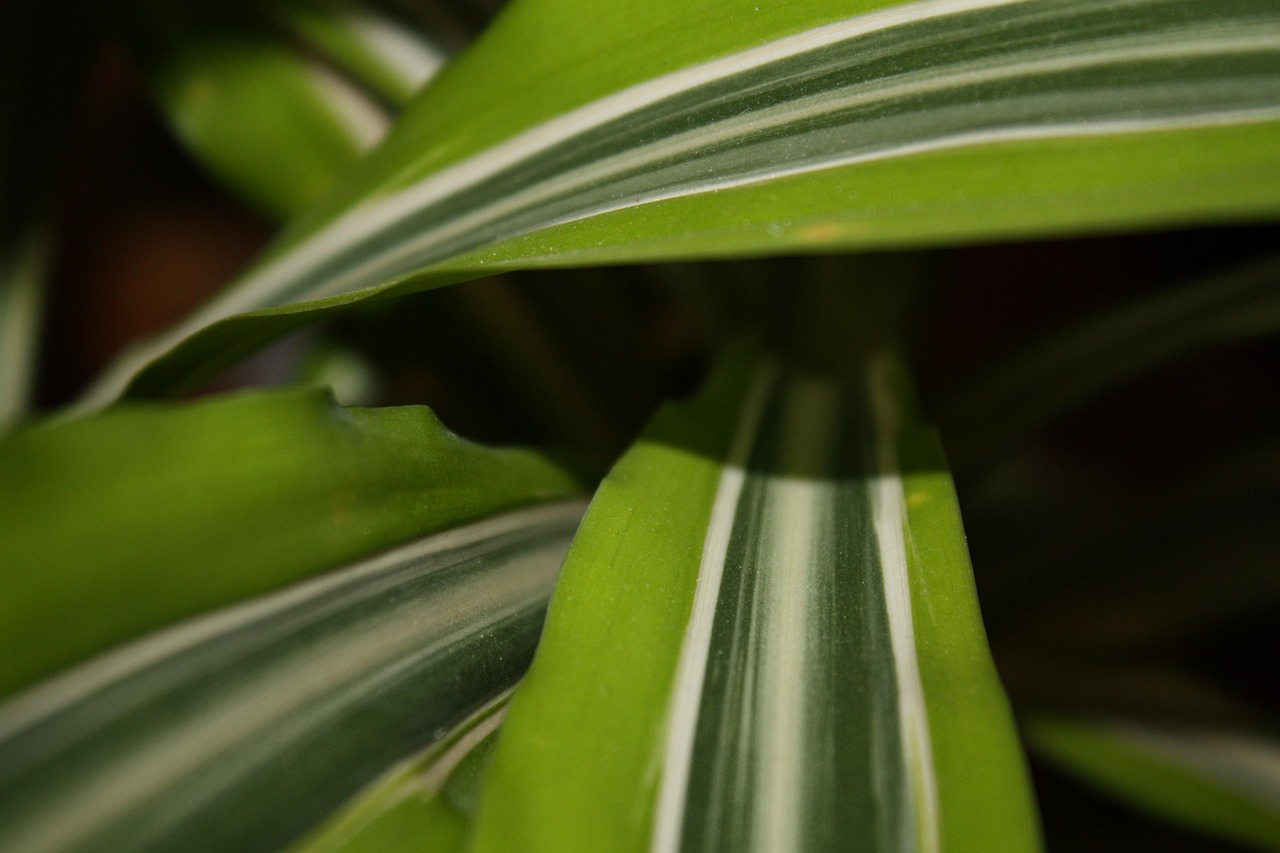
The Dracaena massangeana, commonly known as the corn plant, is prized for its lush, variegated foliage. To keep yours vibrant and healthy, light management is your most critical task. These plants thrive in bright, indirect light. Placing your plant near a window with a sheer curtain or in a well-lit room away from harsh, direct sun is ideal.
Direct sunlight is the primary cause of scorched, brown leaf tips. Conversely, if your plant is kept in a dim corner, you will notice stunted growth and the loss of the signature yellow stripe down the center of the leaves. If the plant begins to look “leggy” or reaches excessively toward a light source, move it to a brighter location to encourage robust, compact growth.
Temperature consistency is equally important for long-term health. The corn plant prefers the same environment that most humans find comfortable. To ensure your plant remains stress-free, follow these guidelines:
- Maintain an ambient room temperature between 65°F and 80°F (18°C to 27°C).
- Avoid placing the pot near exterior doors or drafty windows, as sudden cold snaps can cause leaf drop.
- Keep the plant away from heating vents, radiators, or air conditioning units. These sources create dry, fluctuating air currents that dehydrate the foliage quickly.
If you notice the leaves curling or turning yellow, first check the temperature stability of the room. Because these plants are tropical in origin, they are sensitive to rapid thermal changes. A stable environment prevents the shock that often leads to common pest issues or root stress. By mimicking their native, filtered-light habitat and keeping them away from artificial temperature extremes, you provide the foundation for a long-lived, architectural specimen in your home. Regularly rotating the pot every few weeks will also ensure that all sides of the plant receive equal light exposure, promoting an even, balanced shape as it continues to grow toward the ceiling.
Watering and Soil Needs
Proper hydration is the most critical factor in keeping your Dracaena massangeana, or Corn Plant, healthy. These plants are highly susceptible to root rot, which typically stems from overwatering. To avoid this, never water on a strict schedule. Instead, rely on the “finger test”: insert your finger two inches into the soil. If it feels dry, it is time to water. If the soil still feels damp, wait a few more days.
When you do water, saturate the soil thoroughly until you see liquid draining from the bottom of the pot. Immediately discard any excess water sitting in the saucer. Allowing your plant to sit in standing water is a recipe for fungal issues and yellowing leaves.
Your choice of soil and container is just as important as your watering frequency. To provide the best environment for your Corn Plant, follow these guidelines:
- Use Well-Draining Soil: Choose a high-quality, peat-based potting mix. Adding a handful of perlite or coarse sand can further improve aeration and drainage, ensuring the roots have access to oxygen.
- Ensure Drainage Holes: Never plant your Dracaena in a decorative pot without drainage holes. If you love a specific container that lacks them, use it as a cachepot, keeping the plant inside a plastic nursery liner that can be removed for watering.
- Monitor Seasonal Needs: During the active growing season (spring and summer), your plant will use water faster. In the winter months, growth slows down significantly, and the soil will take much longer to dry out. Always adjust your frequency accordingly.
Finally, consider the quality of your water. Corn Plants are sensitive to fluoride and chlorine, which are common in tap water. If you notice brown tips on the leaves, try using filtered, distilled, or rainwater instead. This simple adjustment often resolves minor aesthetic issues and helps maintain the vibrant, lush appearance of your foliage.
Pruning and Maintenance
As your Dracaena massangeana, or Corn Plant, matures, it may naturally become top-heavy or develop yellowing foliage at the base. Regular maintenance is essential to keep your plant looking vibrant and to encourage healthy new growth. Pruning is a straightforward process that helps manage the plant’s height and improves its overall aesthetic.
When you notice lower leaves turning yellow or brown, gently pull them away from the stem. If they do not come off easily, use clean, sharp bypass pruners to snip them close to the main stalk. Removing these dying leaves allows the plant to redirect its energy toward healthy, new foliage at the top.
If your plant has grown too tall for your space, you can safely prune the main cane. Simply cut the stem at your desired height. While this may look drastic, the plant will typically sprout new growth from the sides of the cut within a few weeks. Follow these steps to ensure a safe and successful pruning process:
- Sanitize your tools: Wipe your bypass pruners with rubbing alcohol before and after each cut. This simple step prevents the transmission of bacteria or fungal spores into the plant’s vascular system.
- Protect your skin: Wear gardening gloves during the process. The sap of the Dracaena can be a mild skin irritant for some people, and gloves provide a necessary barrier.
- Make clean cuts: Use sharp blades to ensure a smooth, clean slice. Jagged or crushed stems take longer to heal and are more susceptible to rot.
- Monitor the wound: After pruning, keep the plant in a spot with stable temperatures and avoid getting water directly on the cut surface until it has calloused over.
By staying proactive with these maintenance tasks, you prevent the plant from becoming straggly. Regular care ensures your Corn Plant remains a lush, manageable centerpiece in your home for years to come.
Fertilizing and Humidity
Feeding your Dracaena massangeana is essential for maintaining its vibrant, striped foliage. During the active growing season—typically spring through summer—apply a balanced, water-soluble houseplant fertilizer once every four to six weeks. Always dilute the fertilizer to half the recommended strength to prevent salt buildup in the soil, which can lead to unsightly brown leaf tips.
Avoid fertilizing during the autumn and winter months. As natural light levels drop, the plant enters a period of dormancy and requires little to no supplemental nutrients. Resuming a feeding schedule in early spring, once you notice new growth, is the safest approach.
While the Corn Plant is remarkably resilient and tolerates the average humidity levels found in most homes, it originates from tropical environments. It performs best when its surroundings mimic these natural conditions. You can enhance your plant’s health by following these simple practices:
- Misting: Lightly mist the leaves with filtered or distilled water once or twice a week to clear away dust and increase localized moisture.
- Pebble Trays: Place your pot on a tray filled with pebbles and a small amount of water. Ensure the bottom of the pot sits on the stones, not directly in the water, to prevent root rot.
- Grouping: Clustering your Dracaena with other houseplants creates a microclimate that naturally raises the humidity level around the foliage.
Be mindful of your home’s environment, especially during winter when central heating systems often dry out the air. If you notice the leaf edges becoming crisp or turning brown despite regular watering, it is a clear sign that the plant needs a boost in humidity. Keep your Dracaena away from direct drafts, such as those from air conditioning vents or heating ducts, as these can rapidly dehydrate the leaves and cause stress to the plant. By maintaining consistent humidity and a light feeding schedule, you will ensure your Dracaena remains healthy and lush year-round.

Common Questions and Troubleshooting
If you notice brown, crispy leaf tips, your Dracaena massangeana is likely reacting to the quality of your water. These plants are highly sensitive to fluoride and chlorine, which are commonly found in municipal tap water. To resolve this, switch to filtered, distilled, or rainwater. Allowing tap water to sit out overnight in an open container can also help some chlorine evaporate, though it will not remove fluoride.
Sudden leaf drop or yellowing leaves often point to issues beneath the surface. If your plant begins to shed foliage despite a consistent watering routine, inspect the soil immediately. Ensure your pot has adequate drainage holes and that the plant is not sitting in standing water. Overwatering leads to root rot, which prevents the plant from absorbing the nutrients it needs to maintain healthy leaves.
When troubleshooting persistent problems, consider these quick checks:
- Pest Inspection: Check the undersides of leaves and along the stems for signs of spider mites, scale, or mealybugs. If found, wipe the leaves with a damp cloth or apply neem oil.
- Soil Moisture: Always check the top two inches of soil with your finger before watering. If the soil is still damp, wait a few more days.
- Light Exposure: Ensure your plant is receiving bright, indirect light. Direct sun can scorch the leaves, while too little light may cause the plant to become leggy.
Finally, prioritize safety if you share your home with animals. Dracaena massangeana is toxic to both cats and dogs if ingested, as it contains saponins that can cause vomiting, drooling, and loss of appetite. Always keep your plant on a high shelf, in a plant stand, or in a room that is strictly off-limits to pets. If you suspect your pet has consumed any part of the plant, contact your veterinarian immediately for guidance.

Dedicated team of gardening enthusiasts with years of hands-on experience testing lawn mowers, gardening tools, and outdoor equipment. We help home gardeners and professionals alike make informed buying decisions with honest, thorough reviews. From push mowers to pruning shears, we test it all so you don’t have to. Got a gardening tool you’d like us to review? Get in touch!