
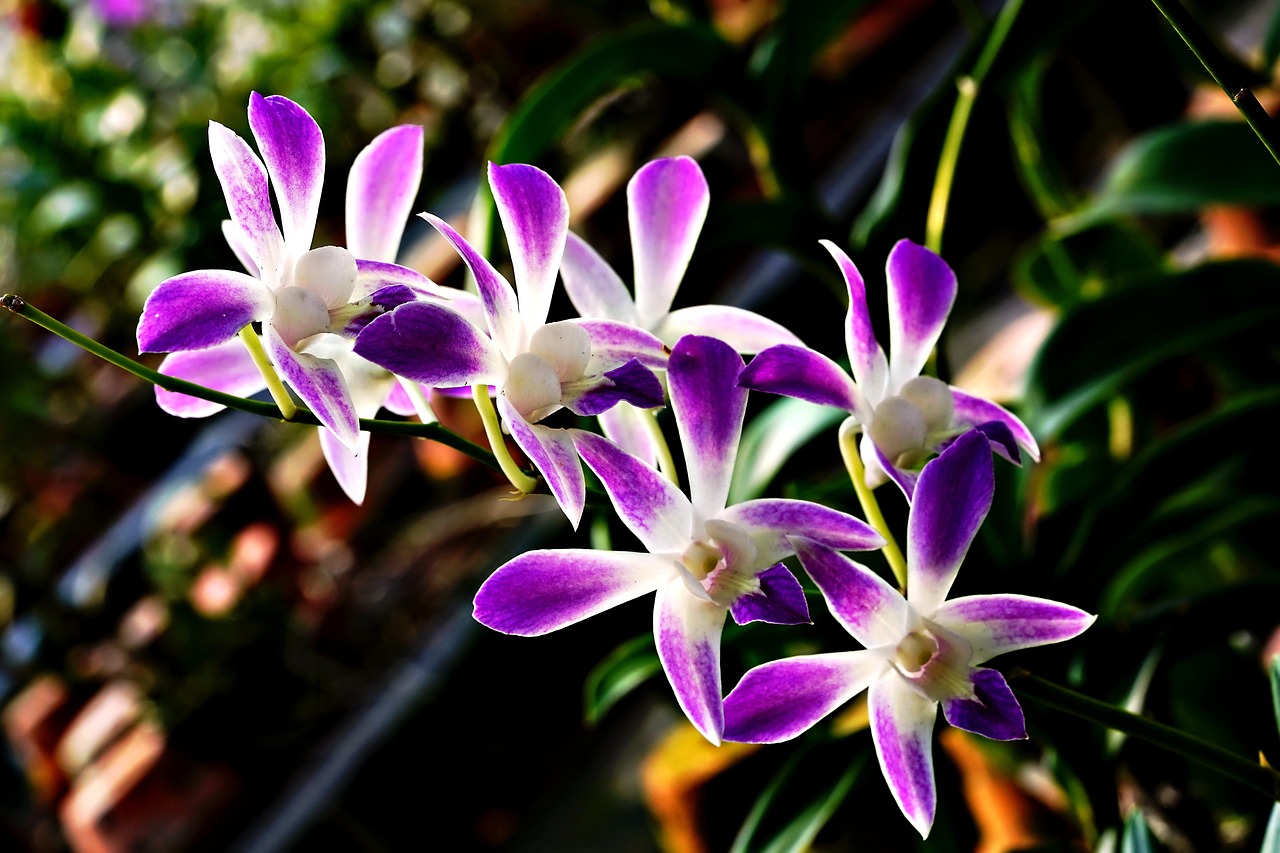
Learning how to care for Dendrobium orchids indoors is simpler than many gardeners assume. These popular plants are prized for their stunning, long-lasting blooms and relative ease of maintenance in a home setting. By providing the right balance of light, water, and temperature, you can easily help your indoor orchid thrive and produce vibrant flowers.
While Dendrobiums are more forgiving than some other varieties, they still require specific conditions to reach their full potential. Understanding their natural growth cycle is essential for success, as these orchids often need a distinct rest period to trigger new blooms. Setting realistic expectations ensures you provide the consistent environment your plant needs to remain healthy.
This guide explains the essential steps to help your indoor orchid flourish throughout the year. We will cover critical requirements, including optimal light exposure, proper watering techniques, and necessary environmental adjustments. Follow these practical tips to ensure healthy growth and consistent repeat flowering, turning your home into a beautiful, blooming sanctuary for your favorite orchids.

Ideal Light and Temperature Conditions
Dendrobium orchids are native to environments that receive filtered, dappled sunlight. To mimic these conditions indoors, place your plant near an east-facing window where it can enjoy gentle morning sun. If you only have south or west-facing windows, use a sheer curtain to diffuse the light. Direct, harsh midday sun can quickly scorch the leaves, causing unsightly yellow or brown patches that weaken the plant.
You can gauge if your orchid is receiving the correct amount of light by observing its foliage. Healthy leaves should be a bright, grassy green. If the leaves turn a dark, olive green, the plant is likely not getting enough light and may refuse to bloom. Conversely, if the leaves appear pale or yellow, move the plant to a slightly shadier spot to prevent stress.
Temperature plays a critical role in both the health and the flowering cycle of your Dendrobium. Aim for the following conditions to help your orchid thrive:
- Daytime Temperatures: Maintain a range between 65°F and 80°F (18°C–27°C).
- Nighttime Temperatures: Provide a slight drop of about 10 to 15 degrees at night. This cooling period is essential for triggering the plant to produce new flower spikes.
Consistency is key, but avoid placing your orchid in areas with sudden temperature fluctuations. Keep your plant away from direct drafts caused by air conditioning units, heating vents, or exterior doors that open frequently. These blasts of dry, extreme air can cause buds to drop prematurely and dehydrate the foliage.
If you find that your home environment is too dark during the winter months, supplemental LED grow lights can be a highly effective solution. Place the light source about 12 to 18 inches above the foliage for 10 to 12 hours a day. By stabilizing these light and temperature factors, you create the perfect foundation for your Dendrobium to produce vibrant, long-lasting blooms year after year.
Watering and Humidity Requirements
Proper hydration is the cornerstone of keeping a Dendrobium orchid healthy indoors. Unlike many houseplants, these orchids prefer a cycle of moisture followed by a brief period of drying out. To determine when it is time to water, insert your finger about an inch deep into the potting medium. If the material feels dry to the touch, it is time to hydrate. If it still feels damp, wait a few more days to avoid overwatering.
When you do water, ensure the pot has excellent drainage holes. Never allow your orchid to sit in standing water, as this quickly leads to root rot, which is often fatal to the plant. Thoroughly soak the medium and allow all excess water to drain completely from the bottom of the pot before returning it to its saucer or decorative container.
Humidity is equally vital for Dendrobium orchids, which naturally thrive in tropical environments. Aim to maintain humidity levels between 50 and 70 percent. Indoor air, particularly during the winter months when heating systems are running, is often far too dry for these plants. If your home environment is arid, consider these practical solutions:
- Humidity Trays: Place your orchid pot on a shallow tray filled with pebbles and a small amount of water. Ensure the base of the pot sits on the pebbles above the water line to prevent the roots from soaking.
- Room Humidifiers: Running a humidifier in the same room as your orchids is the most effective way to stabilize moisture levels consistently.
- Grouping Plants: Placing your orchids close to other houseplants can create a microclimate with slightly higher ambient humidity.
Avoid misting the leaves directly as a primary source of humidity, as water trapped in the foliage or leaf axils can encourage fungal infections. By balancing consistent moisture in the roots with a humid atmosphere, you provide the ideal conditions for your Dendrobium to thrive and bloom reliably year after year.
Potting Medium and Fertilization
Dendrobium orchids are epiphytes, meaning they naturally grow on trees rather than in soil. To thrive indoors, they require a specialized orchid bark mix. Standard potting soil will suffocate their roots, leading to rot. Instead, use a chunky, well-draining medium—typically a blend of fir bark, perlite, and charcoal—that ensures excellent aeration and allows the roots to breathe.
You do not need to repot your orchid frequently. In fact, Dendrobiums prefer to be slightly root-bound. Only repot your plant when the potting medium has broken down into a fine, soggy consistency or when the plant has clearly outgrown its container. Spring, just as new growth begins, is the ideal time for this task.
Proper fertilization is essential for healthy blooms. During the active growing season, from spring through early autumn, provide your orchid with nutrients using a balanced, water-soluble fertilizer. Follow these guidelines for safe application:
- Dilution: Always dilute the fertilizer to half-strength. Orchids are sensitive to over-fertilization, which can burn their delicate root systems.
- Frequency: Apply the diluted solution every two weeks while the plant is producing new leaves or canes.
- Winter Rest: Reduce or stop fertilization entirely during the winter months when the plant enters its natural dormant phase.
Even with careful feeding, mineral salts from fertilizers and tap water can accumulate in the potting medium over time. These salts can damage root tips and hinder growth. To prevent this, perform a monthly “flush.” Take your orchid to the sink and run plain, room-temperature water through the pot for several minutes. This simple practice leaches out excess mineral deposits and keeps the root zone healthy and environment-neutral.
By mimicking their natural environment through proper drainage and consistent, gentle nutrition, you will ensure your Dendrobium remains vigorous and ready to produce its signature vibrant blooms year after year.
Pruning and Safety Precautions
Proper maintenance of your Dendrobium orchid involves regular grooming to ensure the plant remains healthy and disease-free. When you notice a flower spike has turned brown and brittle, or if old leaves have yellowed and withered, it is time to prune. Removing this dead material allows the orchid to redirect its energy toward new growth and future blooms.
Hygiene is critical during this process. Always use sharp, high-quality pruning shears to ensure clean cuts that heal quickly. Before you begin, sterilize your blades by wiping them down with rubbing alcohol or a 10% bleach solution. This simple step is vital to prevent the transmission of viruses, fungi, or bacteria from one plant to another.
To maintain a safe environment for both you and your plants, follow these essential precautions:
- Wear protective gloves: While Dendrobiums are generally safe, some orchid varieties contain sap or microscopic hairs that can cause skin irritation or contact dermatitis. Gloves provide a necessary barrier.
- Ensure stability: Always place your orchid on a sturdy, flat table or countertop. Avoid holding the plant in your hand while cutting, as a slip of the shears can easily cause a painful injury.
- Prioritize lighting: Work in a well-lit area. Clear visibility allows you to distinguish between healthy green tissue and dead material, preventing accidental damage to the plant’s pseudobulbs.
- Manage tools carefully: When finished, wipe your shears clean and store them in a dry place. Never leave sharp implements resting near the edge of a workspace where they could be knocked off.
By treating your pruning sessions with care and attention to detail, you minimize the risk of infection for your orchid and ensure a safe, efficient experience for yourself. Regularly inspecting your plant during these maintenance sessions also allows you to catch early signs of pests, such as mealybugs or scale, before they become a larger problem for your indoor collection.

Troubleshooting and Long-Term Care
Even with the best intentions, your Dendrobium orchid may occasionally show signs of stress. Observing your plant closely is the best way to catch issues before they become permanent. Most common problems are directly linked to your watering routine and environmental conditions.
If you notice yellowing leaves, it is often a sign of overwatering or poor drainage. Ensure your orchid is not sitting in standing water, as the roots require excellent airflow. Conversely, wrinkled pseudobulbs typically indicate that the plant is dehydrated. If the canes look shriveled, increase your watering frequency slightly, but always allow the potting medium to dry out significantly between sessions.
If your orchid is healthy but refuses to bloom, it likely needs a seasonal trigger. Dendrobiums often require a “rest” period to initiate flower spikes. To encourage blooming, follow these steps during the autumn months:
- Reduce watering significantly, allowing the plant to stay drier than usual.
- Cease all fertilizer applications until new growth appears.
- Ensure the plant experiences a distinct temperature drop at night, ideally between 50°F and 60°F (10°C–15°C), for several weeks.
Consistency is key to long-term success. However, if you encounter persistent issues that do not resolve with these adjustments, do not hesitate to seek expert help. Signs of distress that require professional intervention include:
- Persistent Pests: If you spot webs, sticky residue, or visible insects that remain after wiping leaves with neem oil or insecticidal soap.
- Fungal Rot: Dark, mushy, or foul-smelling patches on the stems or roots that continue to spread despite keeping the plant drier.
In these cases, take a clear photo or bring the plant to a local nursery. A professional horticulturist can identify specific pathogens or infestations and recommend specialized, safe treatments tailored to your local climate. With patience and careful observation, you can keep your Dendrobium thriving for many years, enjoying its beautiful blooms season after season.

Dedicated team of gardening enthusiasts with years of hands-on experience testing lawn mowers, gardening tools, and outdoor equipment. We help home gardeners and professionals alike make informed buying decisions with honest, thorough reviews. From push mowers to pruning shears, we test it all so you don’t have to. Got a gardening tool you’d like us to review? Get in touch!