
To care for cyclamens, keep them in a cool spot with bright, indirect light and water them from the bottom to avoid crown rot. These beloved plants are famous for their vibrant, butterfly-like blooms and marbled foliage, but they often have a reputation for being finicky indoor companions for many home gardeners.
Successfully growing these plants requires understanding their unique seasonal needs, as they naturally prefer cooler temperatures that mimic their native Mediterranean environment. While they can be challenging to maintain in overheated homes, providing the right balance of moisture and airflow allows them to flourish beautifully throughout the winter months when other flowers fade.
This comprehensive guide demystifies cyclamen care, helping you master the specific light, water, and temperature conditions these plants require to thrive indoors. By following these practical, step-by-step instructions, you will learn how to keep your cyclamens healthy, vibrant, and blooming longer, ensuring your home garden remains a stunning display of color all season long.

Understanding the Ideal Environment for Cyclamens
To keep your cyclamen thriving and ensure a long-lasting display of vibrant blooms, you must replicate its natural, cool-weather habitat. These plants are not typical houseplants that crave warmth; in fact, heat is their primary enemy. The single most important factor in extending their blooming period is maintaining a cool environment, ideally between 50 and 70 degrees Fahrenheit.
When choosing a location in your home, prioritize spots that offer consistent, moderate temperatures. Avoid placing your cyclamen near heat sources that can quickly dehydrate the plant and cause the flowers to wilt prematurely. Specifically, keep your plant away from the following areas:
- Radiators, space heaters, or furnace vents.
- Drafty doorways or windows that experience extreme temperature fluctuations.
- Appliances that generate heat, such as ovens or televisions.
Lighting is equally critical for the health of your cyclamen. While they require plenty of energy to produce their signature upswept flowers, they are sensitive to harsh conditions. Place your plant in a spot that receives bright, indirect light. A north- or east-facing windowsill is often ideal, as it provides enough illumination to keep the plant vigorous without the risk of scorching the leaves.
Direct sunlight is generally too intense for cyclamens and can cause the foliage to yellow or the buds to drop. If you notice the leaves leaning heavily toward the light source, rotate the pot a quarter turn every few days to encourage even growth. If the plant seems to be struggling despite proper light, check the temperature immediately; even a few degrees of excess heat can significantly shorten the plant’s lifespan. By balancing cool air with soft, filtered light, you create the perfect sanctuary for your cyclamen to flourish throughout its blooming season.
Proper Watering Techniques to Prevent Rot
Watering is the most critical aspect of cyclamen care, as these plants are highly susceptible to crown rot if handled incorrectly. The crown—the point where the stems meet the soil—is delicate and prone to fungal decay if it remains damp. To keep your plant healthy, never pour water directly into the center of the plant.
The most effective way to hydrate a cyclamen is to water from the bottom. This method ensures the roots receive moisture without wetting the foliage or the crown. Follow these steps for success:
- Fill a shallow saucer or bowl with room-temperature water.
- Place the pot inside the saucer, ensuring the drainage holes are submerged.
- Allow the plant to sit for approximately 20 minutes, or until the surface of the soil feels slightly moist to the touch.
- Remove the pot from the water and allow it to drain completely. Never leave the plant sitting in standing water, as this leads to root rot.
If you prefer to water from the top, use a narrow-spout watering can to carefully direct water around the inner edges of the pot, keeping the stream away from the center stems. Regardless of the method, consistency is key to preventing stress.
Before watering again, check the moisture level of the soil. Insert your finger about one inch deep into the potting mix. If the soil still feels damp, wait a few more days. Cyclamens prefer to dry out slightly between waterings; the top inch of soil should feel dry before you add more water. If the leaves begin to yellow or droop, it is often a sign that the soil is staying too wet or the drainage is insufficient.
By mimicking these natural moisture cycles and protecting the crown from excess water, you can prevent common rot issues and encourage your cyclamen to bloom for many weeks. Proper drainage is your best defense against long-term plant health problems.
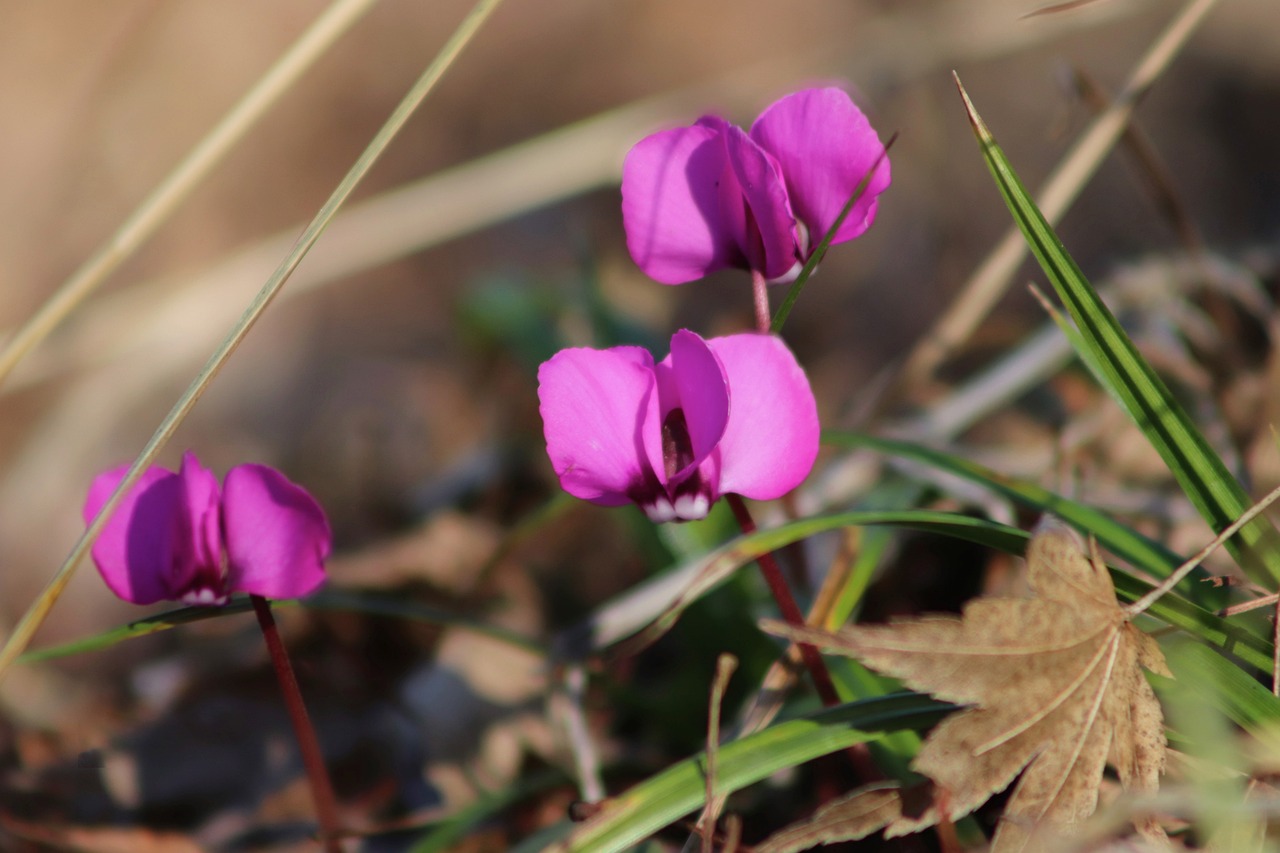
Maintenance and Pruning Best Practices
Consistent maintenance is the secret to keeping your cyclamen vibrant and productive throughout its blooming season. Regular grooming prevents the plant from wasting energy on decaying foliage and encourages the development of fresh, healthy buds.
When you notice a flower or leaf beginning to yellow, wilt, or brown, it is time to remove it. Allowing dead material to remain on the plant can invite rot or fungal issues, especially in the humid environments cyclamens prefer. Proper removal ensures the plant’s energy is redirected toward new growth.
Follow these steps for safe and effective pruning:
- The Twist-and-Pull Method: Grip the base of the stem firmly between your thumb and forefinger. Give it a gentle, decisive twist and pull upward. The stem should snap cleanly away from the tuber.
- Use Sharp Tools: If the stem does not come away easily, do not force it, as this can damage the tuber. Instead, use clean, sharp garden shears to snip the stem as close to the base as possible.
- Sanitation: Always wipe your shears with rubbing alcohol between cuts if you are pruning multiple plants. This prevents the accidental spread of pathogens.
- Skin Protection: Cyclamen sap can be a mild irritant to some individuals. If you have sensitive skin, wear a pair of thin gardening gloves while grooming to avoid contact with the plant’s juices.
Always inspect the crown of the plant while you are pruning. Ensure that no debris from your trimming has fallen into the center of the tuber, as trapped moisture in the crown can lead to crown rot. If you accidentally leave clippings behind, gently brush them away. By keeping the base of the plant clear and airy, you significantly reduce the risk of disease and help your cyclamen maintain a tidy, professional appearance. Consistent, gentle care will reward you with a longer, more prolific flowering cycle year after year.
Soil and Fertilizer Requirements
Cyclamens are highly sensitive to moisture levels around their tubers. To prevent rot, always plant them in a high-quality, peat-based potting mix. This specific type of medium provides the necessary acidity while ensuring excellent drainage. If the soil remains heavy or waterlogged, the tuber will quickly succumb to fungal decay, which is the most common cause of failure for indoor cyclamens.
When potting or repotting, ensure the top of the tuber sits just slightly above the soil surface. Burying the tuber too deeply can trap moisture against the crown, leading to crown rot. If you are using a standard potting soil, consider mixing in a handful of perlite or coarse sand to improve aeration and drainage further.
Feeding your cyclamen correctly is essential for maintaining a long-lasting display of blooms. During the active growing season—typically fall through spring—follow these guidelines to keep your plant healthy:
- Use a balanced, water-soluble liquid fertilizer.
- Dilute the fertilizer to half-strength to avoid burning the sensitive root system.
- Apply the solution every four to six weeks.
- Always ensure the soil is slightly moist before applying fertilizer to prevent root damage.
It is important to exercise restraint when feeding. While it is tempting to provide extra nutrients, over-fertilizing is counterproductive. Too much nitrogen will encourage the plant to produce a lush, dense canopy of foliage at the expense of flower production. If you notice your cyclamen growing large, dark green leaves but failing to produce buds, reduce your feeding frequency immediately.
As the plant enters its natural dormancy period in late spring or summer, stop fertilizing entirely and gradually reduce watering. This rest period allows the tuber to recharge, ensuring it has the energy required to produce a robust display of flowers when the cooler temperatures of the next growing season arrive.

Troubleshooting and Dormancy Cycles
If your cyclamen begins to yellow and drop its leaves shortly after the flowering period ends, do not panic. This is not necessarily a sign of poor health; rather, it is a natural part of the plant’s life cycle. Your cyclamen is likely entering dormancy, a necessary resting phase that allows the tuber to recharge for the next season.
To support this transition, follow these steps:
- Reduce watering: Gradually decrease the frequency of watering as the foliage dies back. Allow the soil to dry out significantly, as the plant no longer needs moisture to support active growth.
- Relocate the plant: Move the pot to a cool, dark, and well-ventilated location. A basement or a cool garage is often ideal.
- Wait for regrowth: Keep the tuber in its dry soil for several months. Once you notice new growth appearing in the late summer or early autumn, bring the plant back into indirect light and resume a regular watering schedule.
While managing your plant, please remember that cyclamens are toxic to cats and dogs. Ingesting any part of the plant, especially the tuber, can cause severe gastrointestinal distress or more serious health complications. Always place your cyclamen on a high shelf or in a room strictly off-limits to curious pets.
If your plant appears distressed outside of its dormancy cycle, inspect it carefully. Brown, mushy spots on the stems or leaves often indicate fungal issues, usually caused by overwatering or poor air circulation. If you notice a foul odor or soft, decaying tissue around the base of the tuber, it is likely suffering from rot. In cases of severe rot, the plant is often difficult to save; it is usually best to discard the plant and the soil to prevent the spread of pathogens to your other houseplants. Always ensure your pot has adequate drainage to prevent water from pooling around the tuber in the future.

Dedicated team of gardening enthusiasts with years of hands-on experience testing lawn mowers, gardening tools, and outdoor equipment. We help home gardeners and professionals alike make informed buying decisions with honest, thorough reviews. From push mowers to pruning shears, we test it all so you don’t have to. Got a gardening tool you’d like us to review? Get in touch!