
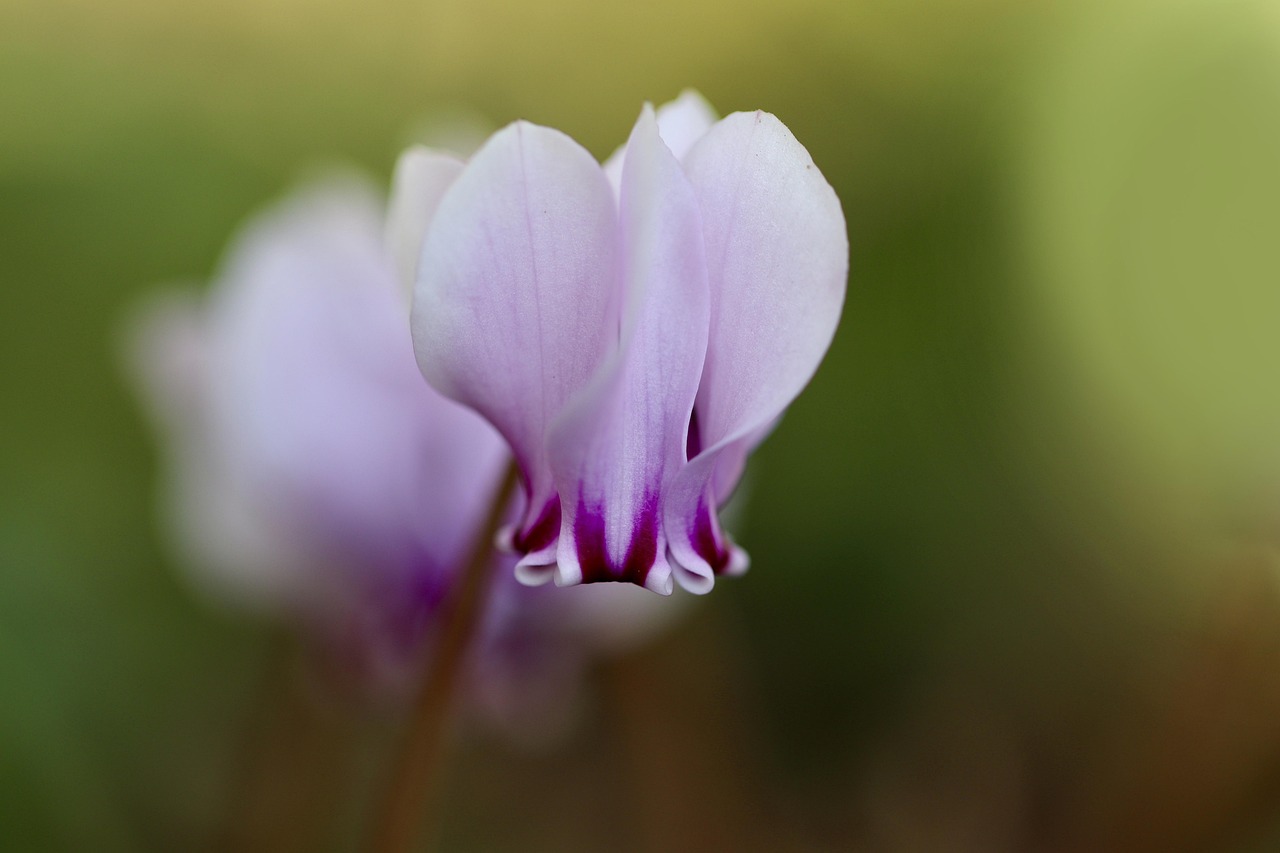
Learning how to care for cyclamen flower is simple once you understand their specific environmental needs. These popular plants are prized for their unique, butterfly-like blooms and striking patterned foliage. By mimicking their natural habitat, you can easily maintain their health and encourage vibrant, long-lasting flowers throughout the entire growing season.
While cyclamen often have a reputation for being finicky, they are actually quite resilient when provided with the right balance of temperature, light, and moisture. They prefer cooler indoor temperatures and bright, indirect sunlight rather than harsh, direct rays. Understanding these specific preferences is the secret to keeping your plants thriving year after year.
This comprehensive guide covers everything you need to know to keep your cyclamen healthy, happy, and blooming beautifully. We will walk you through essential watering techniques, ideal soil conditions, and simple maintenance tips to prevent common issues. Follow these practical steps to ensure your potted plants remain a stunning focal point in your home.

Ideal Light and Temperature Conditions
Cyclamen are unique indoor plants that thrive when their environment mimics the cool, misty conditions of their native Mediterranean habitat. To keep your plant healthy and blooming, you must prioritize temperature control above all else. These plants prefer a cool room, ideally staying between 50 and 70 degrees Fahrenheit. If your home is consistently warmer than 70 degrees, you will likely notice the leaves yellowing or the flowers wilting prematurely.
Positioning is key to managing these temperature requirements. Avoid placing your cyclamen near heat sources that cause rapid moisture loss and thermal stress, such as:
- Forced-air vents or heating ducts
- Radiators or baseboard heaters
- Fireplaces or wood-burning stoves
- Drafty windows that experience extreme temperature swings
Regarding light, cyclamen require bright, indirect sunlight to maintain their vibrant foliage and encourage repeat blooming. While they enjoy a well-lit room, direct sun is their enemy. Exposure to harsh, midday sun can easily scorch the delicate leaves and cause the plant to collapse. A north or east-facing windowsill is usually the best location, as these spots provide the soft, morning light the plant needs without the intensity of afternoon heat.
If you notice your plant leaning heavily toward one side, it is likely reaching for more light. Rotate the pot a quarter-turn every few days to ensure even growth and prevent the stems from becoming leggy. If your home lacks a suitable cool, bright spot, consider placing the plant in a slightly cooler room at night, such as a sunroom or a screened-in porch, provided temperatures do not drop below 50 degrees. By keeping the plant cool and shielding it from direct sun, you significantly extend the duration of its bloom cycle and ensure the health of the tuber for future seasons. Consistency is the most important factor in preventing the heat stress that causes most indoor cyclamen to fail.
Watering Techniques for Longevity
Mastering the watering routine is the most critical factor in keeping your cyclamen healthy and preventing the dreaded tuber rot. Because cyclamens are prone to fungal issues when their foliage remains damp, precision is key.
The most effective way to hydrate your plant is the bottom-watering method. This technique ensures the roots receive adequate moisture without saturating the vulnerable crown.
Follow these steps for optimal results:
- Fill a shallow saucer or basin with room-temperature water.
- Place the cyclamen pot directly into the water, ensuring the water level is about an inch deep.
- Allow the plant to sit for approximately 20 minutes. This gives the soil enough time to absorb the moisture through the drainage holes.
- Remove the pot and let it drain thoroughly in a sink for several minutes. Never allow the plant to sit in standing water, as this will quickly lead to root decay.
It is vital to keep water away from the center of the plant. If moisture becomes trapped within the crown—where the stems emerge from the tuber—it creates an ideal environment for rot to set in. If you accidentally splash the leaves or crown while cleaning, gently dab the area with a paper towel to absorb the excess liquid.
Before you reach for the watering can again, always test the soil. Stick your finger about an inch deep into the potting mix. If the soil still feels damp, hold off on watering for another day or two. Cyclamens prefer to dry out slightly between waterings rather than staying constantly soggy.
By prioritizing consistent, indirect moisture, you protect the tuber from disease and encourage your cyclamen to produce vibrant blooms for a much longer season. If the leaves begin to yellow or droop unexpectedly, it is often a sign that the soil has been kept too wet, so adjust your frequency accordingly to maintain a healthy balance.
Maintenance and Safety Tips
Consistent grooming is the secret to keeping your cyclamen vibrant and blooming throughout its season. Regularly removing faded flowers and yellowing leaves prevents the plant from wasting energy on dying tissue, redirecting those resources toward new growth. This simple practice also improves air circulation around the crown, which is vital for preventing rot.
When grooming your plant, use sharp, clean shears or scissors. Always make a clean cut at the very base of the stem, near the soil line. Avoid snapping stems off by hand, as ragged wounds can become entry points for bacteria or fungal pathogens. To keep your tools in top condition and protect your plant’s health, wipe the blades with rubbing alcohol between cuts.
Safety is equally important when maintaining your indoor garden. Follow these essential guidelines to keep your home environment secure:
- Wear protective gear: If you have sensitive skin, wear gardening gloves while pruning. Some gardeners experience mild irritation when handling cyclamen foliage.
- Prioritize plant hygiene: Regularly disinfect your shears with rubbing alcohol to stop the accidental spread of fungal pathogens between different plants.
- Keep away from pets and children: Cyclamen tubers contain saponins, which are toxic if ingested. Place your plant on a high shelf or in a room inaccessible to curious pets and small children.
If you suspect a pet or child has ingested any part of the cyclamen, contact your veterinarian or a poison control center immediately. While the plant is a beautiful addition to your home, its toxicity requires a mindful placement strategy.
By staying diligent with your pruning schedule and maintaining a clean workspace, you ensure your cyclamen remains a healthy, attractive focal point. Remember that a little maintenance goes a long way in extending the life of your plant. If you notice any signs of mushy stems or unusual spots on the leaves, remove those parts immediately and adjust your watering routine to ensure the soil is not staying too wet, as this is the most common cause of decline in indoor cyclamen.
Managing Soil and Humidity
Cyclamen are sensitive to their environment, making the right balance of soil and humidity essential for their longevity. Because these plants are prone to root rot, you must use a well-draining, peat-based potting mix. This medium provides the necessary aeration while holding enough moisture to keep the plant hydrated without becoming waterlogged.
Avoid heavy garden soil, which packs too tightly and prevents oxygen from reaching the roots. If you are repotting, ensure your container has ample drainage holes at the bottom to allow excess water to escape freely.
Beyond the soil, cyclamen thrive in cool, humid air. In many indoor environments, central heating can dry out the atmosphere, causing leaves to yellow or wilt. You can effectively manage local humidity by creating a simple pebble tray:
- Select a shallow tray or saucer slightly wider than your plant’s pot.
- Fill the tray with a layer of decorative pebbles or gravel.
- Add water to the tray until it reaches just below the top of the stones.
- Place your cyclamen pot on top of the pebbles, ensuring the bottom of the pot sits above the water line.
This setup creates a beneficial microclimate around the foliage. As the water in the tray evaporates, it increases the ambient humidity directly surrounding the plant. It is vital that the pot does not touch the standing water directly; if the soil wicks up too much moisture, the tubers will quickly begin to decay.
Finally, keep your cyclamen away from direct heat sources like radiators, fireplaces, or sunny windowsills. A cool, draft-free spot with consistent humidity will mimic their natural woodland habitat, encouraging the plant to produce vibrant blooms for weeks. If you notice the edges of the leaves turning brown or crisp, it is a clear sign that the air is too dry and your pebble tray requires a refill.

Troubleshooting and Dormancy Care
If your cyclamen begins to yellow and drop its leaves shortly after the blooming season, do not panic. This is rarely a sign of neglect; instead, it indicates that your plant is entering its natural summer dormancy period. Cyclamen are tuberous perennials that require a seasonal rest to store energy for the next year’s growth.
To support this transition, follow these steps to ensure your plant survives the summer:
- Gradually reduce watering as the foliage dies back.
- Once the leaves have completely withered, move the pot to a cool, dark, and dry location.
- Keep the tuber barely moist to prevent it from shriveling, but avoid soaking the soil.
- Leave the plant undisturbed until you see signs of new growth emerging in the early autumn.
While dormancy is normal, other changes in appearance may signal underlying health issues. If you notice gray, fuzzy mold on the stems or leaves, or if the stems feel soft and mushy to the touch, you are likely overwatering. These symptoms often point to fungal issues caused by excessive moisture trapped around the crown of the plant. Immediately improve air circulation, remove the affected parts, and allow the soil to dry out significantly before watering again.
If you have adjusted your watering habits and provided proper drainage, yet the plant continues to decline, you may be dealing with more complex soil pathogens or stubborn pests. In these instances, it is best to consult a local nursery or garden center. Professionals can help identify specific issues, such as root rot or cyclamen mites, and recommend targeted treatments. Remember that prevention is the best medicine: always water at the base of the plant rather than overhead to keep the foliage dry and healthy. With the right balance of rest and care, your cyclamen will be well-positioned to reward you with vibrant blooms when the cooler weather returns.

Dedicated team of gardening enthusiasts with years of hands-on experience testing lawn mowers, gardening tools, and outdoor equipment. We help home gardeners and professionals alike make informed buying decisions with honest, thorough reviews. From push mowers to pruning shears, we test it all so you don’t have to. Got a gardening tool you’d like us to review? Get in touch!