
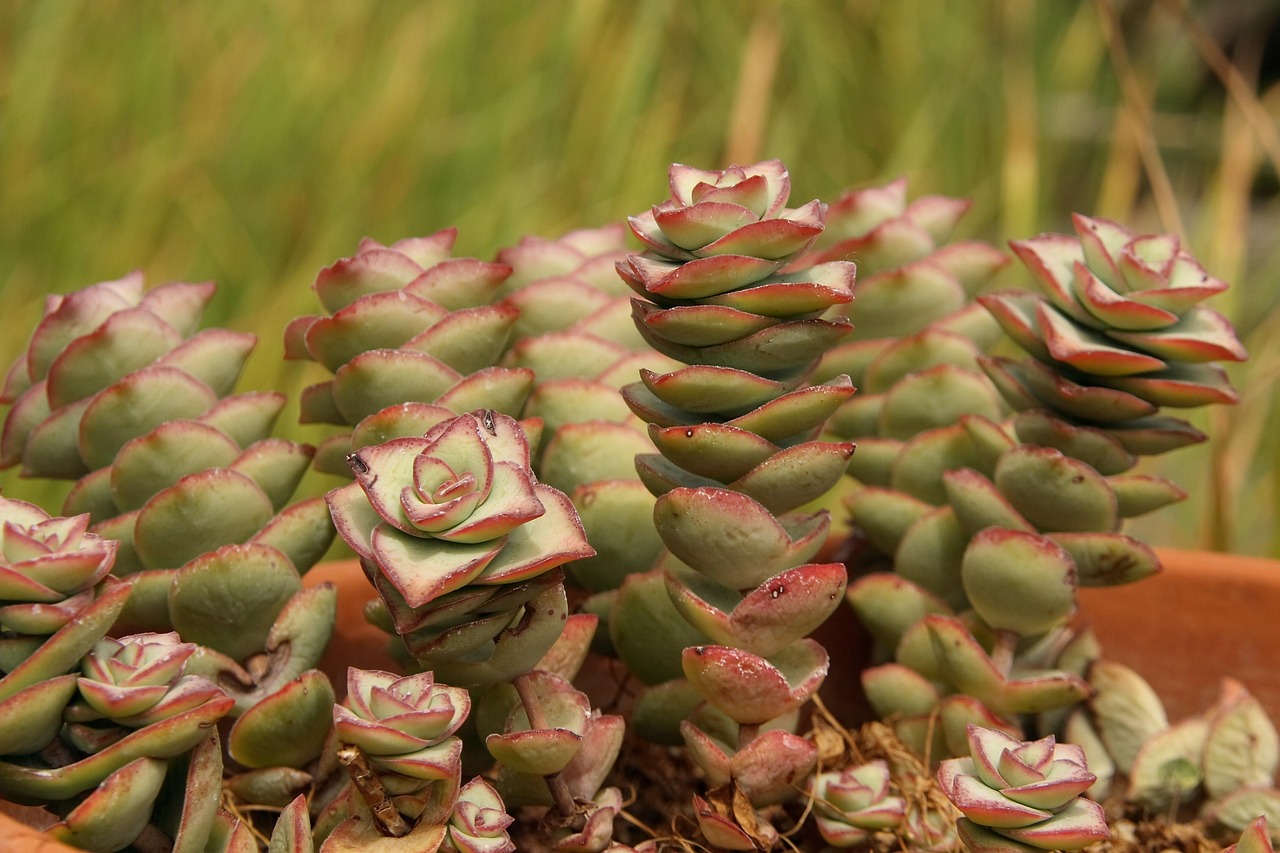
Learning how to care for a Crassula plant is straightforward because these hardy succulents are remarkably forgiving for indoor gardeners. By mastering a few simple environmental adjustments, you can ensure your plant remains vibrant and healthy for years. These iconic succulents, including the popular Jade plant, are prized for their structural beauty and low-maintenance nature.
While Crassula plants are generally easy to manage, they do require specific conditions to reach their full potential. Understanding that these plants originate from arid climates helps you set realistic expectations for their growth habits and seasonal needs. Providing the right balance of light and drainage is the secret to preventing common issues like root rot.
This guide provides essential steps to help your Crassula thrive indoors by mastering light, water, and soil requirements. We will walk you through the best practices for watering schedules, choosing the correct potting mix, and finding the perfect sunny spot in your home. Follow these practical tips to keep your succulent flourishing with minimal effort.

Optimal Light and Temperature Conditions
Crassula plants, including the popular Jade plant, are sun-loving succulents that require specific light conditions to maintain their structural integrity and vibrant color. To help your plant thrive, place it near a south or west-facing window. These locations typically provide the most consistent light throughout the day.
Ideally, your Crassula should receive at least four to six hours of bright, indirect sunlight daily. While these plants appreciate intensity, be cautious of harsh, direct afternoon sun, which can scorch the leaves and cause unsightly brown spots. If you notice your plant stretching or becoming “leggy,” it is a clear sign that it is reaching for more light and should be moved to a brighter spot.
Temperature management is equally vital for long-term health. Crassula plants prefer moderate indoor conditions, ideally staying between 65 and 75 degrees Fahrenheit. They are not frost-tolerant, so keeping them in a stable environment is essential for preventing stress.
To ensure your plant stays comfortable, follow these practical environmental tips:
- Avoid cold drafts: Keep your plant away from drafty windows, exterior doors, or air conditioning vents, especially during the winter months.
- Maintain distance from heat sources: Do not place your Crassula directly next to radiators, space heaters, or heating vents, as these can dry out the foliage and soil too rapidly.
- Rotate regularly: Since these plants lean toward light sources, rotate the pot every few weeks to ensure even growth on all sides.
- Monitor seasonal changes: In the winter, light levels drop significantly. You may need to move your plant closer to the glass or use a supplemental grow light if your home becomes too dim.
By mimicking their native, arid environment through consistent light and steady temperatures, you provide the foundation for a healthy, long-lived succulent. Observe how your specific variety reacts to its location, as minor adjustments can make a significant difference in leaf color and overall vigor.
Watering Techniques and Soil Requirements
The most frequent mistake when caring for a Crassula plant is overwatering. Because these succulents store water in their thick, fleshy leaves, they are highly susceptible to root rot if left in saturated soil. To keep your plant healthy, you must mimic the arid conditions of its natural habitat by strictly following the soak-and-dry method.
Follow these steps to water your Crassula correctly:
- Water thoroughly: Pour water over the soil until you see liquid flowing freely out of the drainage holes at the bottom of the pot. This ensures the entire root ball is hydrated.
- Wait for dryness: Allow the plant to rest until the top two inches of soil are completely dry to the touch. If you are unsure, insert a wooden skewer or your finger into the soil; if it comes out damp, wait a few more days.
- Adjust by season: Your Crassula will require less water during the winter months when growth slows down. Always prioritize soil dryness over a set schedule.
Soil composition is just as critical as your watering frequency. Crassula plants require a porous, fast-draining medium that prevents moisture from lingering around the roots. Use a high-quality commercial cactus or succulent potting mix, which typically contains perlite, pumice, or coarse sand to improve aeration.
Finally, the container you choose is a vital component of your plant’s success. Never plant a Crassula in a decorative pot that lacks drainage holes. If your favorite container does not have an opening at the bottom, use it as a cachepot—keep the plant in a simple plastic nursery pot inside the decorative one, and be sure to remove the plastic pot during watering to allow all excess liquid to escape. If water collects in the bottom of the outer pot, empty it immediately to prevent the roots from sitting in stagnant moisture, which is the primary cause of decline for indoor succulents.

Pruning and Maintenance Safety
Pruning is an essential practice for maintaining the aesthetic appeal and structural health of your Crassula. Over time, these succulents can become “leggy,” stretching toward the light and losing their compact, bushy form. Regular trimming encourages the plant to branch out, resulting in a fuller, more robust appearance.
To prune your Crassula effectively, use clean, sharp bypass pruners or heavy-duty scissors. Sharp blades ensure a clean cut that heals quickly, whereas dull tools can crush the succulent tissue, leaving the plant vulnerable to rot. Before you begin, sanitize your cutting tools with rubbing alcohol. This simple step is critical for preventing the transmission of pathogens or fungal infections between your plants.
When you are ready to trim, follow these safety and maintenance steps:
- Identify target areas: Focus on removing stems that have become excessively long, weak, or show signs of decay.
- Make precise cuts: Snip just above a leaf node—the point where leaves emerge from the stem. This encourages the plant to produce two new stems from that location.
- Wear protective gear: Always wear gardening gloves. While Crassula are generally safe, some varieties have edges that can cause minor skin irritation. Gloves also provide a better grip, preventing accidental slips during the cutting process.
- Monitor for sap: Crassula sap can be sticky. If it comes into contact with your skin, wash the area thoroughly with soap and water to avoid potential irritation.
After pruning, place your plant in a spot with bright, indirect light. Avoid watering the plant immediately after a heavy trim; giving the cut stems a few days to callous over helps protect the plant from moisture-related issues. If you have removed healthy, firm cuttings, you can allow them to dry for several days and then replant them in fresh, well-draining succulent soil to propagate new specimens. With consistent, careful maintenance, your Crassula will remain a healthy and vibrant centerpiece in your home collection.
Fertilizing and Repotting
Crassula plants, including the popular Jade plant, have modest nutritional needs. Over-fertilizing can lead to weak, leggy growth, so moderation is key. Feed your plant only during its active growing season, which typically spans from early spring through late summer.
Use a balanced, water-soluble fertilizer formulated for succulents or cacti. To ensure safety and prevent root burn, always dilute the fertilizer to half the strength recommended on the product label. Apply the solution to moist soil rather than bone-dry roots to encourage better nutrient uptake and protect the root system.
Avoid fertilizing during the autumn and winter months. During this period, the plant enters a phase of dormancy and requires a rest period to maintain its health and structural integrity.
Repotting is generally necessary every two to three years. You will know it is time to repot if the plant appears root-bound, growth has stalled, or the soil drains almost instantly due to a lack of organic matter. Spring is the ideal time for this task, as the plant is entering its most vigorous growth phase.
Follow these steps for a successful transfer:
- Select the right container: Choose a pot only one size larger than the current one, ensuring it has adequate drainage holes.
- Use proper medium: Use a specialized, well-draining succulent or cactus potting mix.
- Handle with care: Crassula stems are brittle and snap easily. Support the main stem and base of the plant carefully when removing it from the old pot.
- Gently loosen roots: Tease out any circling roots without damaging the main root ball.
- Wait to water: After repotting, wait about a week before watering. This allows any roots damaged during the transition to callus over, preventing potential rot.
By following this simple maintenance schedule, you provide your Crassula with the stability and nutrients it needs to thrive for many years, keeping the foliage firm and the stems robust.
Troubleshooting Common Issues
Even with the best intentions, your Crassula may occasionally struggle. Observing your plant closely is the best way to catch problems before they become irreversible. Most issues stem from adjustments in watering habits or environmental stressors.
If you notice the leaves turning yellow, translucent, or mushy, your plant is likely suffering from overwatering. This is a critical warning sign of root rot. Immediately stop watering and allow the soil to dry out completely. If the pot lacks drainage holes, move the plant to a new container with well-draining succulent soil to help the roots recover.
Conversely, environmental conditions can cause different symptoms:
- Brown spots or shriveling: This often indicates the plant is dehydrated or receiving too much intense, direct sunlight. If the soil is bone-dry, give it a thorough watering. If the spots appear scorched, move the plant to a spot with bright, indirect light.
- Mealybugs: These small, white, cottony pests can hide in the crevices of your plant. To remove them, dip a cotton swab in isopropyl alcohol and gently wipe the affected areas. Repeat this process every few days until the infestation is gone.
- Leggy growth: If your Crassula is stretching out and losing its compact shape, it is not getting enough light. Gradually move it to a brighter location to encourage sturdy, healthy growth.
Consistency is key to recovery. Avoid drastic changes in temperature or light while the plant is stressed. If you notice signs of severe decay—such as a foul-smelling base, blackening stems, or a total collapse of the plant structure—it may be time to consult a local nursery professional. They can provide a hands-on diagnosis to see if propagation from a healthy leaf cutting is a viable option to save your plant’s legacy.

Dedicated team of gardening enthusiasts with years of hands-on experience testing lawn mowers, gardening tools, and outdoor equipment. We help home gardeners and professionals alike make informed buying decisions with honest, thorough reviews. From push mowers to pruning shears, we test it all so you don’t have to. Got a gardening tool you’d like us to review? Get in touch!