
Coleus plants are prized for their vibrant, multicolored foliage that can instantly brighten any indoor space. To successfully care for coleus plants indoors, you must provide them with bright, indirect light and consistently moist, well-draining soil to mimic their natural tropical environment. With these basic requirements met, your plants will thrive beautifully.
While many gardeners treat these tropical beauties as outdoor annuals, they make excellent, long-lasting houseplants when given proper attention. You should expect to adjust your care routine slightly as the seasons change, especially regarding humidity and light levels. Understanding these environmental needs is the secret to maintaining their stunning, saturated leaf colors all year.
This guide covers everything you need to know to keep your indoor coleus healthy, bushy, and vibrant. We will explore essential tips for watering, light placement, pruning techniques to encourage fuller growth, and how to troubleshoot common indoor pests. Follow these practical steps to turn your home into a lush, colorful indoor oasis.
Optimal Light and Temperature Requirements
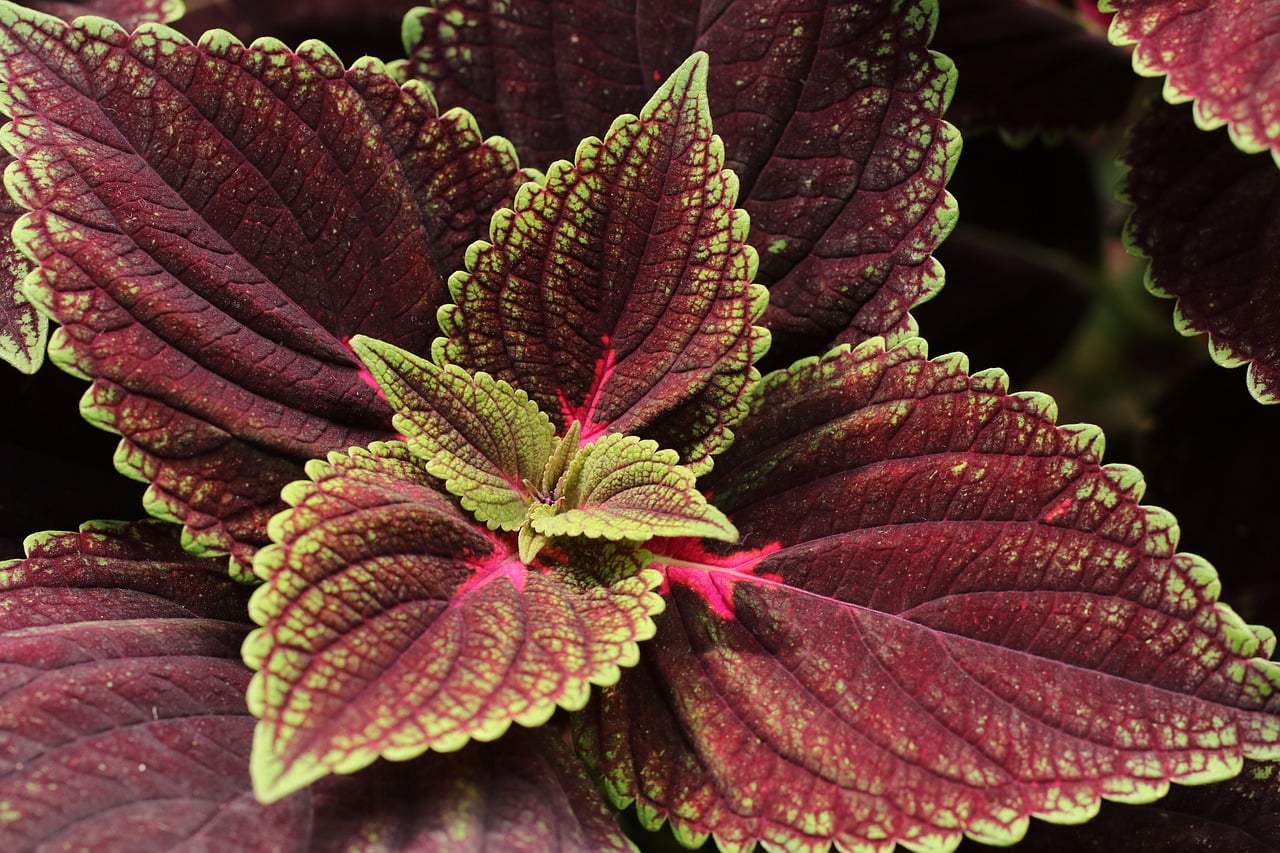
Coleus plants are prized for their vibrant, multicolored foliage, but their ability to maintain those intense patterns depends heavily on the light they receive. To keep your coleus healthy and colorful indoors, place them in a spot that offers bright, indirect light. A south- or east-facing window is usually ideal, as it provides plenty of illumination throughout the day.
While these plants love light, they are sensitive to intensity. Avoid placing them directly in the path of harsh, midday sun, which can quickly scorch the delicate leaves and cause them to fade or develop brown, crispy edges. If your plant begins to look “leggy” or loses its deep coloration, it is likely not receiving enough light and may need to be moved closer to a window.
Temperature consistency is just as important as lighting for indoor coleus. These tropical plants thrive when kept in conditions that mimic their natural environment. Follow these guidelines to ensure your plant stays comfortable:
- Maintain the ideal range: Keep your indoor temperature between 65 and 75 degrees Fahrenheit (18 to 24 degrees Celsius).
- Avoid temperature swings: Keep pots away from cold drafts, such as those near drafty windows or exterior doors.
- Mind the vents: Position your plant away from direct airflow from air conditioning vents or heating units, as these can dry out the foliage and cause stress.
If you notice the leaves drooping or curling, check the surrounding area for sudden temperature fluctuations. Because coleus plants are sensitive to cold, ensure they stay above 60 degrees Fahrenheit at night. By stabilizing both light levels and ambient temperatures, you provide the perfect foundation for your coleus to produce lush, dramatic growth year-round. If your home lacks natural light, a simple LED grow light placed a few feet above the plant can serve as an effective supplement, ensuring your coleus maintains its striking appearance regardless of the season.
Watering and Humidity Needs
Achieving the perfect balance of moisture is the most critical aspect of indoor coleus care. These vibrant plants thrive when their potting soil remains consistently moist, mimicking their native tropical environment. However, they are sensitive to overwatering, which can quickly lead to root rot.
To determine when your plant needs a drink, perform a simple finger test. Insert your finger into the soil up to the first knuckle. If the top inch feels dry to the touch, it is time to water. If the soil still feels damp, wait another day or two before checking again.
Proper drainage is non-negotiable for indoor coleus. Always ensure your container has adequate drainage holes at the bottom. If you use a decorative outer pot without drainage, remove the inner nursery pot to water it in the sink, allowing all excess liquid to drain away completely before returning the plant to its display spot. Never let your coleus sit in a saucer of standing water.
Because coleus are tropical plants, they struggle in the dry air common in many homes, especially during winter months. Low humidity can cause leaf edges to turn brown or crispy. You can easily boost the ambient moisture around your plant using these methods:
- Pebble Trays: Fill a shallow tray with pebbles and add water until it reaches just below the top of the stones. Place your pot on top of the pebbles, ensuring the bottom of the pot does not touch the water. As the water evaporates, it creates a humid microclimate.
- Group Plants Together: Clustering your coleus with other houseplants creates a mini-ecosystem where plants release moisture through transpiration, naturally raising the humidity level in that area.
- Room Humidifiers: For a more consistent approach, running a humidifier in the same room helps maintain optimal moisture levels for your tropical foliage.
By monitoring the soil moisture closely and providing a humid environment, you will keep your coleus healthy, lush, and vibrant throughout the year.

Soil and Fertilization for Lush Growth
The foundation of a thriving indoor coleus begins with the right potting medium. Because these plants prefer consistent moisture without sitting in waterlogged soil, you must use a high-quality, peat-based potting mix. This type of soil provides the necessary structure to hold moisture while ensuring excellent drainage, which is critical for preventing root rot.
When potting or repotting your coleus, ensure the container has adequate drainage holes. If you find your potting mix is too dense, you can improve aeration by mixing in a small amount of perlite. This creates a light, airy environment that encourages healthy root development and supports the vibrant, lush foliage coleus is known for.
Feeding your coleus is essential during its active growing phase. To maintain its brilliant color and vigorous growth, follow these fertilization guidelines during the spring and summer months:
- Use a balanced, water-soluble fertilizer formulated for indoor houseplants.
- Always dilute the fertilizer to half-strength to avoid burning the sensitive root system.
- Apply the solution every four to six weeks while the plant is actively producing new leaves.
As the days grow shorter and temperatures drop in the autumn, your coleus will naturally enter a period of slower growth. During the winter months, you should significantly reduce or completely stop fertilization. The plant’s metabolic rate decreases during this time, and excess nutrients can accumulate in the soil, potentially damaging the roots.
If you notice your coleus becoming “leggy” or losing its vibrant hue during the winter, resist the urge to fertilize. Instead, focus on providing as much bright, indirect light as possible. Once you see new growth emerging in early spring, you can gradually resume your regular feeding schedule. By adjusting your care routine to match the plant’s seasonal needs, you ensure your coleus remains a healthy, colorful focal point in your home year-round.
Pruning and Maintenance Safety
Regular pruning is the secret to maintaining a vibrant, healthy coleus indoors. Without intervention, these plants naturally stretch toward light, resulting in a leggy, sparse appearance. By consistently pinching back the stems, you encourage the plant to branch out, creating a dense, bushy growth habit that looks much fuller.
To prune effectively, always use clean, sharp garden shears or scissors. Dull blades can crush delicate stem tissue, creating jagged wounds that are slow to heal and prone to infection. Before you begin, sanitize your tools with a quick wipe of rubbing alcohol to prevent the accidental transmission of bacteria or fungal spores between your houseplants.
Follow these steps for safe and effective maintenance:
- Identify the node: Locate a set of leaves on a stem and make your cut just slightly above that junction. This is where new growth will emerge.
- Pinch for density: For younger plants, you can simply use your thumb and forefinger to pinch off the very tips of the stems. This triggers immediate lateral branching.
- Remove flowers: If your coleus begins to produce small flower spikes, snip them off promptly. Flowering diverts energy away from foliage production and can cause the plant to decline prematurely.
- Clear debris: Always remove any dead or yellowing leaves from the soil surface to maintain good airflow and discourage pests.
Safety should remain a priority during your maintenance routine. If you have sensitive skin, wear a pair of lightweight gardening gloves to avoid irritation from the plant’s sap. Additionally, ensure you are working in a well-lit area. Clear visibility allows you to make precise, intentional cuts, protecting your fingers from accidental nicks and ensuring you do not damage the plant’s main structural stems. By keeping your tools sharp and your approach methodical, you will keep your indoor coleus thriving and aesthetically pleasing for seasons to come.
Troubleshooting Common Issues and Long-Term Care
Even with the best intentions, coleus plants occasionally face challenges. Most issues are easily corrected by adjusting your care routine, but identifying the signs early is key to keeping your plant vibrant.
If you notice your coleus wilting, check the soil moisture immediately. While these plants enjoy consistent hydration, they do not like sitting in soggy soil. If the leaves are drooping despite damp soil, it may be a sign of root rot, which requires repotting into fresh, well-draining soil. Conversely, if leaves are dropping or the stems look stretched and pale, the plant likely needs more bright, indirect light or protection from cold drafts near windows and vents.
Stay vigilant for common indoor pests, particularly during the drier winter months. If you notice tiny webs or sticky residue on the undersides of leaves, you may be dealing with spider mites or aphids. You can manage these infestations effectively by following these steps:
- Isolate the affected plant to prevent the spread to other houseplants.
- Gently wash the foliage with a mild solution of water and a drop of dish soap, or use a store-bought insecticidal soap.
- Repeat treatment every few days until the pests are completely eradicated.
Over time, coleus plants can become leggy, woody, or outgrow their space. Rather than discarding an aging plant, use it to create new ones. Taking stem cuttings is a simple, reliable way to propagate vigorous, bushy replacements. Simply snip a healthy four-inch stem just below a leaf node, remove the lower leaves, and place the cutting in a glass of water.
Finally, if you observe persistent yellowing leaves or dark fungal spots that do not resolve after adjusting your watering or lighting, do not hesitate to reach out to a local nursery. They can provide specific advice based on your local climate and help you identify if a more serious pathogen is affecting your plant’s health. With consistent observation, your coleus will remain a colorful staple in your home for years to come.

Dedicated team of gardening enthusiasts with years of hands-on experience testing lawn mowers, gardening tools, and outdoor equipment. We help home gardeners and professionals alike make informed buying decisions with honest, thorough reviews. From push mowers to pruning shears, we test it all so you don’t have to. Got a gardening tool you’d like us to review? Get in touch!