
Coleus plants are prized for their stunning, multicolored foliage and ability to thrive in containers. While often grown outdoors, they make excellent houseplants if you understand their specific light, water, and humidity requirements to keep them healthy. By providing the right indoor environment, you can enjoy their vibrant, patterned leaves throughout the entire year.
Successfully growing coleus indoors requires a bit of patience and attention to detail, as these tropical plants prefer consistent conditions. They are not particularly difficult to manage, but they do have distinct preferences regarding sunlight intensity and soil moisture. Understanding these environmental needs is the primary key to preventing common issues like leggy stems.
This comprehensive guide covers everything you need to know to keep your indoor coleus healthy and vibrant year-round. We will walk you through the best placement strategies, essential watering schedules, and simple propagation techniques. Follow these practical steps to master indoor plant care and ensure your coleus remains a colorful centerpiece in your home.
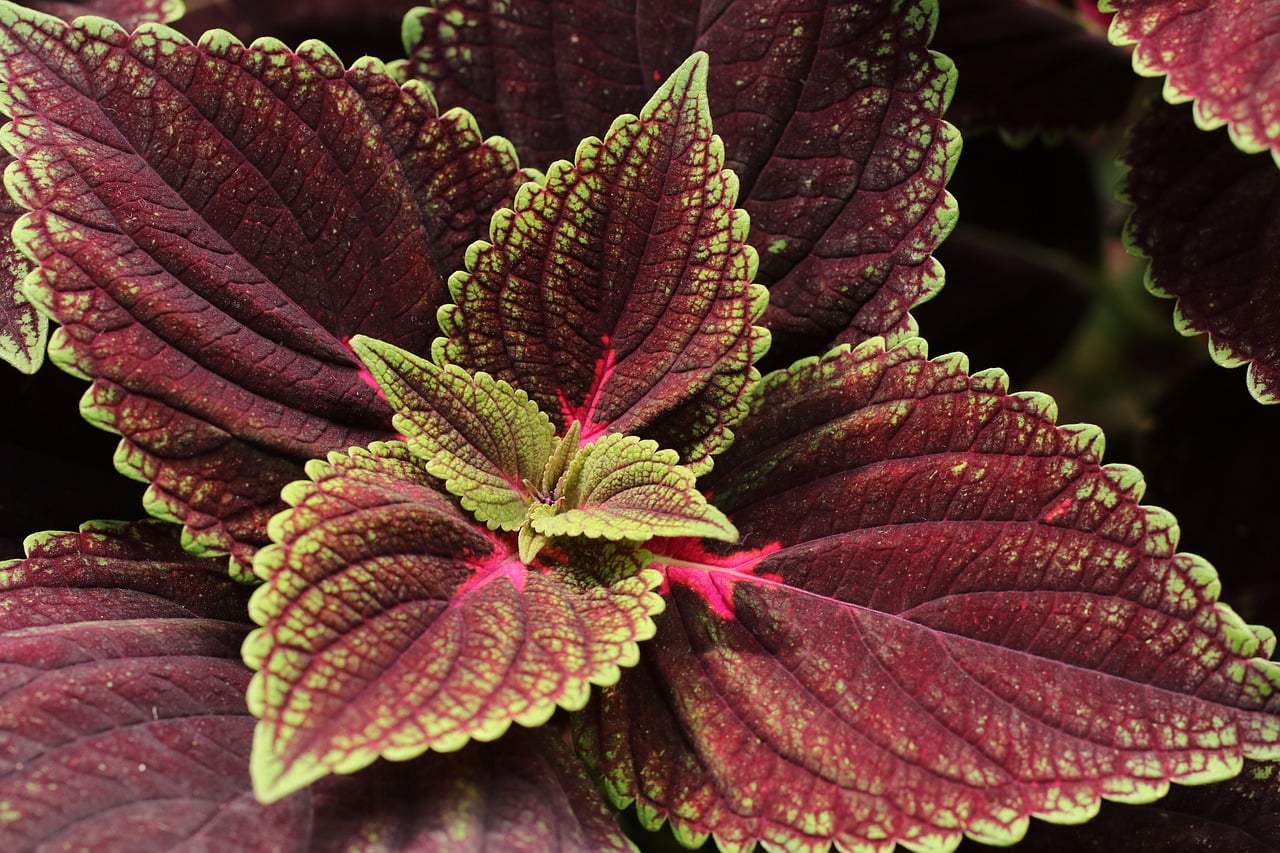
Optimal Light and Temperature for Indoor Coleus
Coleus plants are prized for their vibrant, multicolored foliage, but their appearance depends heavily on the light they receive. To maintain those intense leaf patterns and deep hues, place your coleus in a spot with bright, indirect light.
A south or west-facing window is generally the best location. However, because indoor sunlight can intensify through glass, you should use a sheer curtain to filter the rays. This prevents the foliage from losing its color or suffering from scorched, crispy edges caused by harsh midday sun.
If your coleus begins to look “leggy” or loses its bright coloration, it is likely not receiving enough light. In these cases, moving the plant closer to the window or supplementing with a grow light can help restore its compact, colorful growth.
Temperature also plays a critical role in the health of indoor coleus. These tropical plants thrive in environments that mimic their native habitats. Follow these guidelines to keep your plant comfortable:
- Ideal Range: Maintain a consistent room temperature between 65°F and 75°F (18°C–24°C).
- Avoid Fluctuations: Keep your plant away from cold drafts, such as those near entry doors or poorly sealed windows.
- Mind the Vents: Never place your coleus directly in the path of heating or air conditioning vents, as the dry, forced air can cause rapid dehydration and leaf drop.
Consistency is the secret to success. While coleus can tolerate minor temperature shifts, they are sensitive to sudden changes. By stabilizing their light and temperature, you provide the foundation necessary for your plant to remain lush and vibrant throughout the year. If you notice the leaves drooping, check the temperature of the immediate area first, as this is often the plant’s first signal that it is too cold or sitting in a drafty location.
Watering and Humidity Needs
Coleus plants thrive when their soil moisture remains consistent. They do not tolerate prolonged periods of dryness, but they are equally sensitive to “wet feet.” To strike the perfect balance, check the soil regularly by inserting your finger about an inch deep. If the soil feels dry to the touch, it is time to water. If it still feels damp, wait another day or two to prevent waterlogged roots.
Proper drainage is the most critical factor in preventing root rot. Always ensure your pot has functional drainage holes at the bottom. After watering, allow the excess liquid to drain completely into a saucer, and be sure to empty that saucer shortly after. Never let your coleus sit in standing water, as this quickly leads to yellowing leaves and decaying roots.
Beyond soil moisture, coleus plants are tropical natives that crave humidity. Indoor environments, particularly during the winter when heating systems are running, often become too dry for them. You may notice the leaf tips turning brown or crispy if the air humidity drops too low. To keep your plant vibrant, consider these practical adjustments:
- Pebble Trays: Fill a shallow tray with pebbles and add water until it reaches just below the top of the stones. Place your pot on top of the pebbles, ensuring the bottom of the pot does not touch the water. As the water evaporates, it creates a localized humid microclimate.
- Humidifiers: Grouping your coleus with other houseplants or placing a small humidifier nearby can significantly improve ambient moisture levels.
- Avoid Direct Heat: Keep your plant away from heating vents, radiators, or drafty windows, as these areas fluctuate in temperature and quickly sap moisture from the foliage.
By monitoring the top inch of soil and maintaining a humid environment, you provide the stable conditions necessary for your coleus to maintain its striking, colorful foliage throughout the year.

Soil and Fertilization Requirements
To keep your indoor coleus thriving, the foundation begins with the right soil. Because these plants are susceptible to root rot if left in soggy conditions, you must use a high-quality, well-draining potting mix. A standard peat-based or coco-coir-based mix formulated for indoor containers is ideal. If you find the mix retains too much moisture, you can improve drainage by incorporating a small amount of perlite or pumice, which ensures oxygen reaches the roots and prevents water from pooling at the bottom of the pot.
Feeding your coleus is essential for maintaining its vibrant, colorful foliage, but moderation is key. During the active growing season—typically from spring through late summer—your plant will benefit from consistent nutrition. Follow these guidelines for safe fertilization:
- Use a balanced, water-soluble liquid fertilizer (such as a 10-10-10 formula).
- Always dilute the fertilizer to half-strength to avoid burning the delicate root system.
- Apply the solution every two to four weeks while the plant is actively producing new leaves.
As the days grow shorter and natural light levels decrease in autumn and winter, your coleus will enter a period of dormancy or significantly slowed growth. During this time, the plant does not need the extra energy provided by fertilizer. Continuing to feed it during the winter can lead to salt buildup in the soil and weak, leggy growth that struggles to support the plant’s structure.
Simply stop fertilization entirely once the weather turns cold and the plant stops pushing out new foliage. Resume your regular feeding schedule only when you observe fresh growth appearing in the early spring. By adjusting your care routine to match the plant’s natural life cycle, you ensure that your coleus remains healthy and robust year-round. Always remember to water thoroughly after fertilizing to help distribute the nutrients evenly throughout the root zone and prevent concentrated chemical burn.
Pruning and Maintenance Safety
Regular maintenance is the secret to keeping your indoor coleus looking vibrant and lush. Without intervention, these plants naturally grow tall and spindly as they reach for light. To encourage a dense, bushy habit rather than a sparse, leggy structure, you must practice consistent pinching.
Every few weeks, use your fingers or a pair of sharp, sanitized scissors to pinch off the top set of leaves on each stem. This simple action triggers the plant to redirect its energy into lateral growth, forcing it to sprout new branches from the nodes below the cut. If you notice flower spikes forming, remove them immediately; flowering often causes the plant to lose its leaf color and focus energy on seed production instead of foliage development.
When performing your maintenance, follow these safety best practices to protect both your plant and yourself:
- Use clean tools: Always wipe your garden shears or scissors with rubbing alcohol before and after trimming. This prevents the spread of bacteria or fungal spores between stems.
- Ensure sharp cuts: Dull blades crush plant tissue rather than slicing through it, which can lead to browning or infection. Keep your blades sharp to ensure clean, quick-healing cuts.
- Handle with care: Treat your tools as you would any sharp kitchen implement. Always cut away from your body and keep fingers clear of the blades.
- Wear protective gear: If you are pruning large, mature, or woody specimens, wear lightweight gardening gloves. This protects your skin from potential irritation caused by plant sap and keeps your hands clean from debris.
Finally, always dispose of your trimmings promptly. While coleus cuttings can be easily propagated in water, leaving dead plant matter in the soil surface of your pot can attract pests like fungus gnats. By keeping the base of your plant clear of debris and maintaining a rigorous pinching schedule, you will enjoy a healthy, colorful, and compact coleus year-round.

Troubleshooting Common Coleus Issues
Even with the best intentions, indoor coleus can occasionally struggle. Recognizing the early warning signs of distress is the best way to keep your plant vibrant and healthy throughout the year.
If your coleus begins to droop or shows pale, washed-out foliage, it is often a cry for help. Start by inspecting the plant closely, specifically looking at the undersides of leaves and along the stems. Common indoor pests like aphids or spider mites thrive in dry environments and can quickly sap a plant’s energy.
To manage and prevent these issues, follow these practical steps:
- Clean the foliage: Regularly wipe leaves with a soft, damp cloth. This removes dust that blocks sunlight and discourages spider mites from settling.
- Check soil moisture: If you notice persistent yellowing leaves or stems that feel mushy to the touch, you are likely overwatering. Ensure your pot has adequate drainage and allow the top inch of soil to dry out before watering again.
- Isolate and treat: If you spot an active infestation, isolate the plant immediately to protect your other houseplants. Use a gentle insecticidal soap or a diluted neem oil solution to treat the affected areas.
Sometimes, despite your best efforts, a plant may fail to thrive. If the stems have become woody and leggy, or if the root system is severely compromised by rot or a stubborn pest outbreak, do not be discouraged. The most effective solution is often to start fresh.
Before discarding a struggling plant, look for healthy, firm stems near the top. You can easily propagate these by placing them in a jar of water until new roots develop. This allows you to preserve the genetics of your favorite coleus while leaving behind the problems of the parent plant. By focusing on these proactive care habits, you can keep your indoor coleus flourishing for many seasons to come.

Dedicated team of gardening enthusiasts with years of hands-on experience testing lawn mowers, gardening tools, and outdoor equipment. We help home gardeners and professionals alike make informed buying decisions with honest, thorough reviews. From push mowers to pruning shears, we test it all so you don’t have to. Got a gardening tool you’d like us to review? Get in touch!