
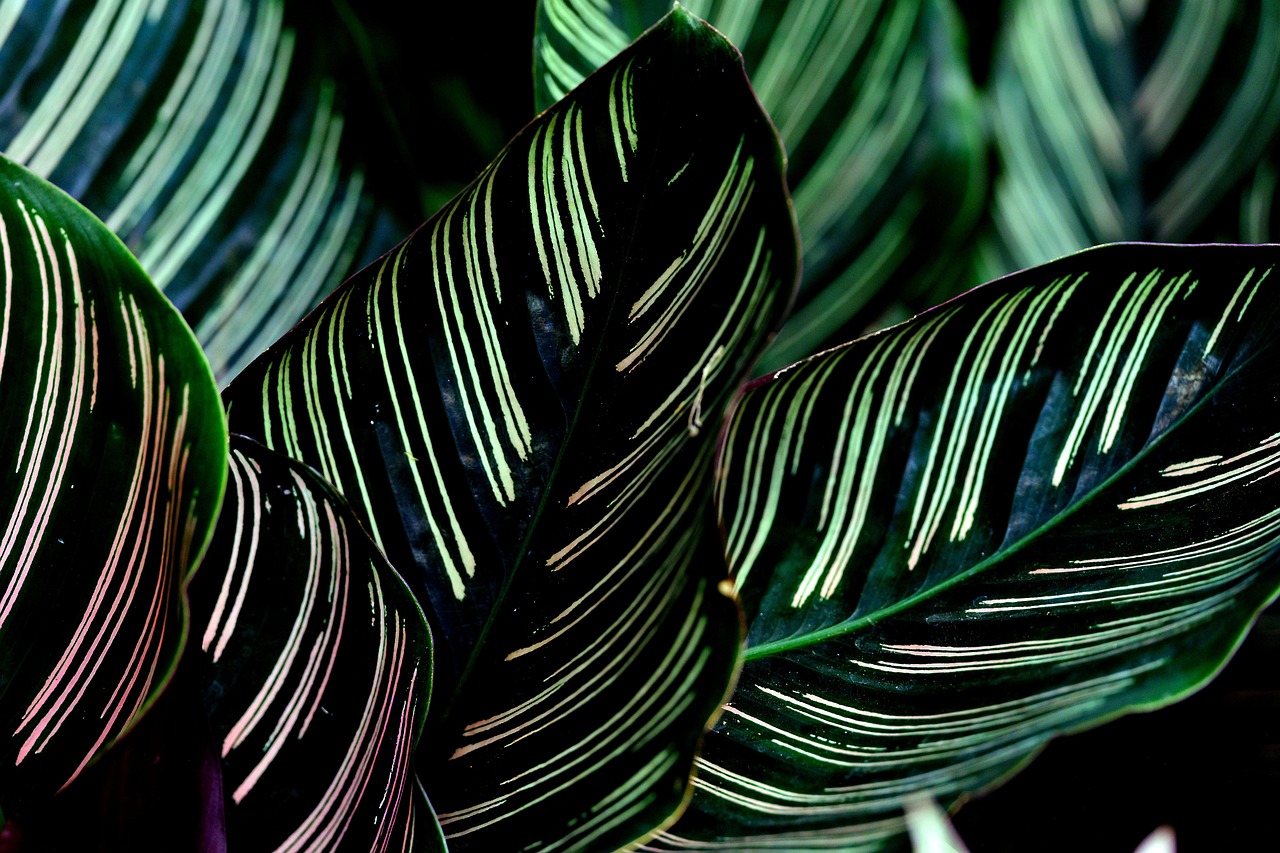
Learning how to care for Calathea roseopicta is the secret to maintaining its stunning, dramatic, and patterned foliage. This tropical beauty thrives when you mimic its native environment by providing consistent moisture and high humidity levels. With the right approach to its specific environmental needs, you can easily keep this plant healthy and vibrant indoors.
While many indoor gardeners consider this species somewhat finicky, success is entirely achievable with a little patience. These plants are not particularly forgiving of neglect, as they react quickly to dry air or inconsistent watering schedules. Setting realistic expectations early helps you monitor your plant’s health and make necessary adjustments before issues arise.
In this guide, we provide practical, expert-backed advice to help your plant flourish. We will cover essential care requirements, including the best light conditions, ideal watering techniques, and effective ways to boost household humidity. Follow these straightforward steps to ensure your Calathea roseopicta remains a lush, eye-catching centerpiece in your home garden for years.

Optimal Light and Temperature Requirements
The Calathea roseopicta is a tropical beauty that demands specific environmental conditions to maintain its vibrant, patterned foliage. Mastering its light and temperature needs is the most important step in preventing leaf damage and ensuring long-term health.
This plant thrives in bright, indirect light. Think of the filtered sunlight it would receive on a rainforest floor; it wants to see the sky, but never the sun itself. Direct sunlight is the primary cause of scorched leaves, which manifest as unsightly brown, crispy patches or faded, washed-out colors.
For the best results, follow these placement guidelines:
- Ideal Positioning: Place your plant near a north or east-facing window where it can enjoy gentle morning light. If your only options are south or west-facing windows, pull the plant several feet back from the glass or use a sheer curtain to diffuse the intensity.
- Rotation: Rotate the pot by a quarter turn every time you water to ensure even growth and prevent the plant from leaning toward the light source.
Temperature consistency is equally vital for this sensitive species. Calathea roseopicta prefers a stable household environment ranging between 65 and 80 degrees Fahrenheit (18 to 27 degrees Celsius). Because these plants are native to tropical climates, they do not tolerate sudden shifts in temperature well.
To protect your plant from thermal stress, keep it away from the following areas:
- Cold Drafts: Avoid placing the pot near drafty windows, exterior doors, or in the direct path of air conditioning units.
- Heating Sources: Keep the plant away from radiators, space heaters, and HVAC vents. These sources create dry, hot air that can cause the leaf edges to curl and turn brown rapidly.
If you notice your plant struggling, check the temperature first. If the environment feels comfortable for you in a light sweater, it is likely perfect for your Calathea. By mimicking its natural, sheltered habitat, you will be rewarded with lush, healthy growth throughout the year.
Watering and Humidity Needs
Calathea roseopicta thrives when its soil remains consistently moist. The goal is to achieve a balance where the potting medium feels like a wrung-out sponge—damp to the touch but never soggy. Before watering, check the top inch of soil with your finger; if it feels dry, it is time to hydrate. Avoid letting the plant sit in standing water, as this quickly leads to root rot.
The quality of your water is just as important as the frequency. These plants are sensitive to the chemicals found in standard tap water, such as chlorine and fluoride. Exposure to these minerals often results in unsightly brown, crispy leaf tips. To keep your foliage pristine, follow these guidelines:
- Use filtered, distilled, or rainwater whenever possible.
- Ensure the water is at room temperature to prevent shocking the sensitive root system.
- If you must use tap water, let it sit out in an open container for 24 hours to allow some chlorine to dissipate.
Beyond soil moisture, humidity is the secret to a healthy Calathea. Native to the tropical rainforest floor, these plants struggle in the dry air common in most homes, especially during winter months. If the air is too dry, you will notice the edges of the leaves curling or turning brown.
To mimic their natural environment and boost local humidity, try these practical methods:
- Use a humidifier: Placing a small humidifier near the plant is the most effective way to maintain consistent moisture levels.
- Group plants together: Clustering your Calatheas with other tropical plants creates a microclimate where moisture is trapped between the leaves.
- Utilize a pebble tray: Place the pot on a tray filled with pebbles and a small amount of water. Ensure the bottom of the pot sits above the water line, not directly in it, to prevent root saturation.
By mimicking these tropical conditions, you will encourage lush, vibrant growth and prevent the common issues that often plague this beautiful species.
Soil and Fertilization Best Practices
The foundation of a thriving Calathea roseopicta lies in its soil. Because these plants are native to tropical rainforest floors, they require a growing medium that mimics their natural habitat: rich in organic matter but exceptionally well-draining. Avoid standard garden soil, which can compact and suffocate the roots.
Instead, prioritize a high-quality, peat-based potting mix. Peat moss provides the necessary moisture retention these plants crave, while the addition of perlite or orchid bark ensures that excess water can escape easily. Proper drainage is the most effective way to prevent root rot, the most common cause of decline in indoor Calatheas.
To ensure your potting mix remains effective, follow these structural guidelines:
- Aeration: Mix in perlite or pumice to create air pockets, allowing oxygen to reach the root system.
- Moisture Balance: If your mix dries out too quickly, you may need to increase the ratio of peat moss or coco coir.
- Pot Selection: Always use a container with drainage holes. A decorative pot without holes can trap water at the base, leading to stagnant conditions.
Regarding fertilization, consistency is key during the active growing season. From early spring through late summer, your plant is putting energy into producing new, vibrant leaves. Support this growth by applying a balanced, water-soluble fertilizer once a month.
Always dilute the fertilizer to half-strength. Calatheas are sensitive to salt buildup, and applying full-strength chemicals can easily cause leaf-tip burn. If you notice white crusting on the soil surface, it is a sign of mineral accumulation; flush the soil with distilled water to clear out excess salts.
As autumn approaches and light levels drop, the plant enters a period of dormancy. Cease all fertilization during these cooler winter months. The plant’s metabolic rate slows down significantly, and providing extra nutrients while it is resting can lead to root damage. Resume your regular feeding schedule only when you observe new growth in the following spring.
Pruning and Maintenance Safety
Maintaining the health of your Calathea roseopicta requires consistent attention to its foliage. Because these plants are prized for their intricate, patterned leaves, removing damaged or yellowing growth is essential to keep the plant looking its best and to redirect energy toward new, healthy development.
When you notice a leaf fading or showing signs of decay, do not pull it off by hand. Tearing the foliage can damage the delicate stem or crown of the plant. Instead, use sharp, clean pruning shears or household scissors to make a precise cut at the base of the stem, as close to the main stalk as possible without nicking it.
To ensure you are practicing proper plant hygiene, follow these safety and maintenance steps:
- Sanitize your tools: Wipe your shears with rubbing alcohol before and after each pruning session. This simple step prevents the transmission of fungal spores or bacteria between your plants.
- Protect your skin: If you have sensitive skin or are prone to contact dermatitis, wear lightweight gardening gloves while handling your plants.
- Clear your workspace: Ensure your table or floor area is free of debris. A cluttered workspace increases the risk of slipping or accidentally damaging the plant while you are focused on making precise cuts.
- Monitor for pests: While pruning, take a moment to inspect the undersides of the leaves. If you see webbing or small spots, address them immediately before they spread to the rest of your collection.
Proper maintenance is not just about aesthetics; it is a vital part of your plant’s long-term vitality. By removing dead material, you improve airflow around the base of the plant, which helps prevent moisture-related issues like crown rot. Always dispose of pruned leaves in your compost or trash rather than leaving them in the pot, as decaying matter can attract unwanted pests. With these careful practices, your Calathea will remain a vibrant, healthy centerpiece in your home.

Troubleshooting Common Issues and Care Tips
Calathea roseopicta is a beautiful but sensitive plant. If you notice its leaves curling, it is usually a distress signal indicating that the plant needs more water or higher ambient humidity. Check the soil moisture first; if the top inch feels dry, give it a thorough watering until liquid drains from the bottom of the pot.
Brown, crispy edges are another frequent concern. This is typically caused by low humidity or the accumulation of minerals from tap water. To improve your plant’s health, consider these adjustments:
- Increase Humidity: Group plants together, use a pebble tray, or place a humidifier nearby to mimic their native tropical environment.
- Switch Water Sources: Use filtered, distilled, or rainwater instead of tap water to prevent chemical buildup that causes leaf tip burn.
- Relocate: If you struggle to maintain consistent conditions, move your Calathea to a bathroom. The natural steam from daily showers often provides the ideal humidity levels these plants crave.
If your plant stops growing or appears stunted, inspect it closely for pests, particularly spider mites. These tiny invaders often hide on the undersides of leaves, leaving behind fine webbing. If you spot them, isolate the plant immediately to protect your other greenery. Gently wipe the leaves with a damp cloth and treat the foliage with neem oil or insecticidal soap, ensuring you reach the undersides where pests congregate.
Consistency is the secret to a thriving Calathea. Avoid placing your plant in direct sunlight, which can scorch the delicate, patterned foliage, or near drafty windows and air conditioning vents. By keeping the soil lightly moist—never soggy—and maintaining a stable, humid environment, you can prevent most common issues before they start. If a leaf does turn brown or damaged, do not hesitate to prune it off at the base of the stem; this allows the plant to redirect its energy into producing new, healthy growth.

Dedicated team of gardening enthusiasts with years of hands-on experience testing lawn mowers, gardening tools, and outdoor equipment. We help home gardeners and professionals alike make informed buying decisions with honest, thorough reviews. From push mowers to pruning shears, we test it all so you don’t have to. Got a gardening tool you’d like us to review? Get in touch!