
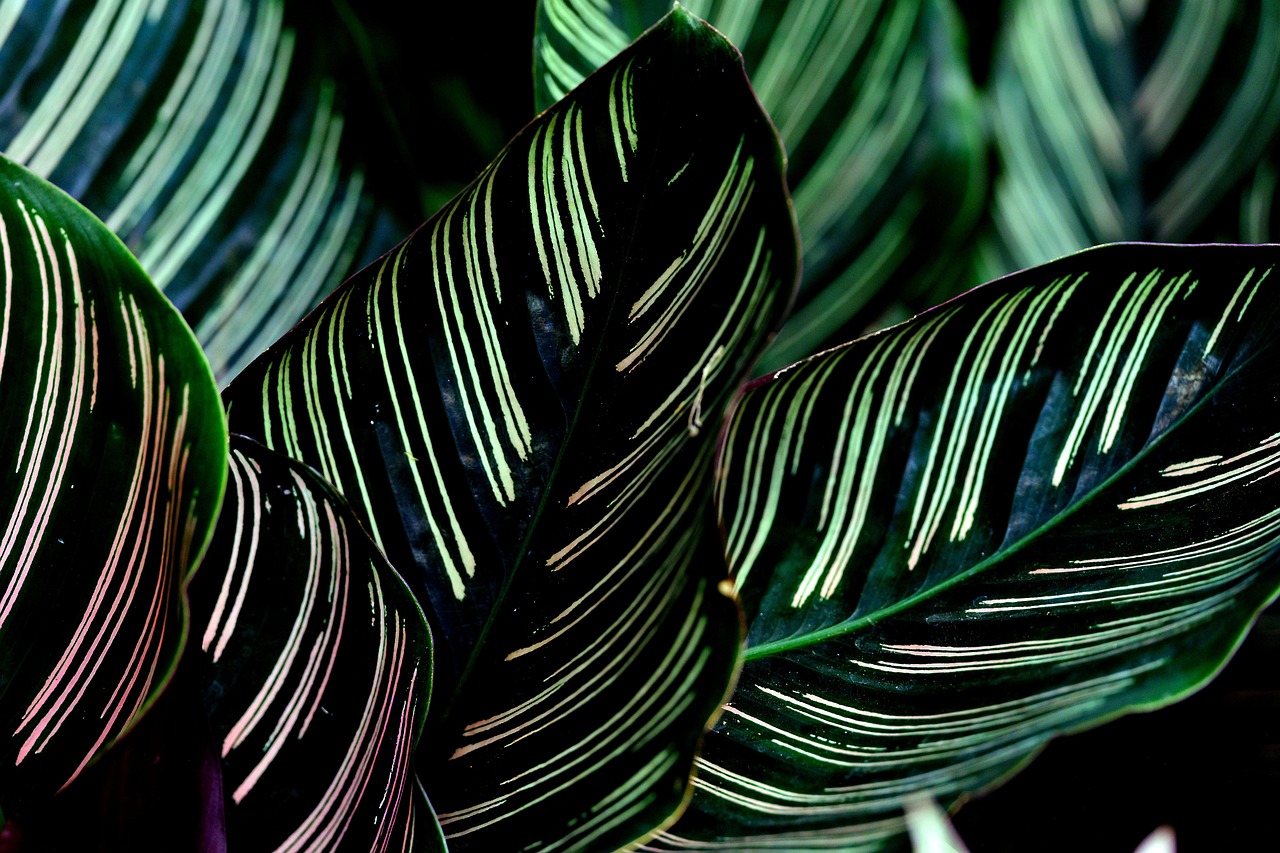
Learning how to care for Calathea ornata involves mastering a consistent routine that mimics its native tropical environment. This stunning Pinstripe Plant is prized for its dark, glossy leaves and delicate pink stripes, though it can be quite temperamental if its specific environmental needs for light, water, and humidity are not met.
While these plants have a reputation for being fussy, they are certainly manageable once you understand their preferences. Success requires patience and close observation, as they quickly signal when they are unhappy. By setting realistic expectations and providing the right indoor conditions, you can easily keep your houseplant lush and vibrant year-round.
This guide breaks down the essential steps to help your plant thrive in a home setting. We will cover the ideal lighting conditions, proper watering techniques, and how to maintain the high humidity levels these plants crave. Follow these practical tips to ensure your Calathea remains healthy, beautiful, and free from common stressors.

Optimal Light and Temperature Requirements
Achieving the perfect balance of light and temperature is the secret to maintaining the vibrant, pinstriped foliage of Calathea ornata. Because these plants are native to the shaded floors of tropical rainforests, they are highly sensitive to their environment and require specific conditions to thrive indoors.
Light Requirements
Your Calathea needs bright, indirect light to stay healthy. Place your plant near a window with a sheer curtain or in a spot where it receives plenty of ambient brightness without the sun’s rays touching the leaves directly. Direct sunlight is the most common cause of damage for this species; it can quickly scorch the delicate foliage, causing the signature pink stripes to fade and the leaves to curl or turn brown at the edges.
If you notice the leaves losing their luster or the patterns becoming dull, try moving the plant slightly closer to a light source. Conversely, if the leaves appear bleached or develop crispy patches, move the plant further away from the window.
Temperature and Air Stability
Calathea ornata prefers a stable, warm environment. To keep your plant happy, aim for the following conditions:
- Ideal Temperature Range: Keep your home between 65 and 80 degrees Fahrenheit (18–27 degrees Celsius).
- Avoid Fluctuations: Drastic temperature swings can stress the plant. Avoid placing your Calathea near drafty windows, exterior doors, or directly in the path of air conditioning units.
- Watch for Heat Sources: Keep the plant well away from heating vents, radiators, or fireplaces. These sources create dry, hot air that rapidly dehydrates the foliage, leading to brittle leaf tips and stunted growth.
Consistency is key. By protecting your Calathea from harsh sunlight and maintaining a steady, moderate temperature, you provide the stability it needs to produce new, healthy growth year-round.
Watering and Humidity Essentials
Calathea ornata, often called the Pinstripe Plant, is famously particular about its environment. Mastering its watering and humidity needs is the most effective way to prevent common issues like brown, crispy leaf edges and drooping foliage.
Consistency is the secret to success. You should aim to keep the soil consistently moist but never waterlogged. Before watering, check the soil with your finger; if the top inch feels slightly dry to the touch, it is time to hydrate the plant. Always ensure your pot has adequate drainage holes to prevent excess water from pooling at the roots, which can lead to root rot.
Water quality matters significantly for this species. Calatheas are highly sensitive to the minerals, salts, and chlorine commonly found in tap water. If you notice your plant struggling, try these adjustments:
- Use filtered, distilled, or rainwater to prevent mineral buildup in the soil.
- Allow tap water to sit out overnight before using it, which helps some chlorine evaporate.
- Ensure the water is at room temperature to avoid shocking the root system.
Beyond soil moisture, humidity is non-negotiable. These tropical plants thrive in environments with humidity levels consistently above 50 percent. If your home air is dry, especially during winter months, your plant will likely show distress through curled or browned leaves.
To boost local humidity, consider these practical methods:
- Pebble Tray: Place your pot on a tray filled with pebbles and a small amount of water. Ensure the bottom of the pot sits above the water line to prevent root saturation.
- Humidifier: Running a humidifier nearby is the most effective way to maintain the steady moisture levels these plants crave.
- Grouping: Place your Calathea near other houseplants to create a small microclimate where moisture is trapped more effectively.
By mimicking the damp, humid conditions of their native rainforest floor, you will keep your Calathea ornata vibrant and healthy year-round.

Soil and Repotting Best Practices
The foundation of a thriving Calathea ornata lies in its soil. These plants are native to tropical rainforests and require a medium that mimics their natural habitat: moisture-retentive but never soggy. A high-quality, peat-based potting mix is ideal, as it offers the necessary aeration to prevent root rot while holding enough hydration to keep the foliage vibrant.
To create the perfect environment, consider amending a standard indoor potting soil with perlite or orchid bark. This improves drainage and ensures that excess water flows away from the sensitive root system. Avoid heavy garden soils, which can compact easily and suffocate the plant’s delicate roots.
When it comes time to repot your Pinstripe Calathea, follow these steps to ensure a smooth transition:
- Prepare your tools: Use sharp, clean gardening shears to trim away any dead, mushy, or discolored roots. Sterilizing your blades with rubbing alcohol beforehand prevents the spread of pathogens.
- Prioritize safety: Always wear gardening gloves when handling soil to protect your skin from potential irritants or bacteria found in organic matter.
- Work on a stable surface: Place your pot on a level, sturdy table. This prevents the container from tipping over during the repotting process, which can damage the stems or cause a mess.
- Choose the right size: Only move up to a pot that is one or two inches larger in diameter than the current one. A container that is too large will hold excess water, leading to root rot.
After repotting, avoid fertilizing for at least four to six weeks. The plant needs time to recover from the stress of being moved and to establish itself in the fresh soil. Gently firm the soil around the base of the plant to eliminate large air pockets, then water lightly until moisture begins to trickle from the drainage holes. Monitor the plant closely for the next few days, keeping it out of direct sunlight while it acclimates to its new home.
Fertilizing and Routine Maintenance
Calathea ornata, often called the Pinstripe Plant, requires a consistent but gentle approach to feeding. During the active growing season—typically from early spring through late summer—your plant will benefit from a balanced, water-soluble fertilizer. To prevent fertilizer burn, always dilute the solution to half-strength before application. Apply this feed once a month, ensuring the soil is slightly moist before you pour to protect the sensitive root system.
Avoid fertilizing during the autumn and winter months. As growth naturally slows down due to reduced light levels, the plant does not need the extra nutrients. Over-fertilizing during this dormant period can lead to salt buildup in the soil, which may cause leaf tips to brown or curl.
Routine maintenance is just as vital as feeding. Because Calathea leaves are broad and patterned, they act as magnets for household dust. This layer of grime can physically block sunlight, hindering the plant’s ability to photosynthesize effectively. To keep your plant thriving, follow these maintenance steps:
- Leaf Cleaning: Every two weeks, gently wipe both the tops and undersides of the leaves with a soft, damp cloth. Use room-temperature, filtered water to avoid spotting.
- Pest Inspection: While wiping the leaves, inspect the base of the stems and the undersides of the foliage. If you notice yellowing leaves or fine webbing, check for common pests like spider mites.
- Grooming: If a leaf begins to yellow or turn crispy at the edges, use clean, sharp shears to trim it off at the base. This keeps the plant looking tidy and allows it to redirect energy toward healthy new growth.
Consistency is the secret to success with this species. By keeping the foliage clean and providing nutrients only when the plant is actively growing, you create the ideal environment for your Calathea to maintain its vibrant, signature pinstripes year-round.
Troubleshooting and Long-Term Success
Even with the best intentions, your Calathea ornata may occasionally show signs of distress. Because these plants are native to tropical rainforests, they are highly sensitive to their environment. Most common issues are not signs of a “black thumb” but rather direct feedback from the plant regarding its surroundings.
If you notice brown, crispy leaf tips or edges, the air in your home is likely too dry. Calatheas thrive in humidity levels above 50%. To remedy this, place your plant on a pebble tray filled with water or group it with other humidity-loving plants to create a microclimate. Avoid placing it near air conditioning vents or heaters, which rapidly dehydrate the delicate foliage.
Curling leaves are another frequent complaint. This is often a sign of underwatering or poor water quality. Calatheas are notoriously picky about minerals; tap water containing fluoride, chlorine, or excess salts can cause chemical burn. If you suspect your water is the culprit, try switching to distilled water, rainwater, or filtered water.
To troubleshoot effectively, follow this checklist:
- Check the soil moisture: Only water when the top inch of soil feels dry to the touch.
- Inspect for pests: Wipe the undersides of leaves regularly with a damp cloth to discourage spider mites.
- Assess drainage: Ensure your pot has drainage holes to prevent water from pooling at the base, which leads to root rot.
If your plant stops growing entirely or exhibits mushy, foul-smelling stems, it may be suffering from severe root rot. In these instances, repotting into fresh, well-draining soil and trimming away decayed roots is necessary. If the damage appears extensive, do not hesitate to consult a local nursery professional for a hands-on assessment. With consistent humidity, filtered light, and high-quality water, your Calathea ornata will remain a vibrant, healthy centerpiece in your home for years to come.

Dedicated team of gardening enthusiasts with years of hands-on experience testing lawn mowers, gardening tools, and outdoor equipment. We help home gardeners and professionals alike make informed buying decisions with honest, thorough reviews. From push mowers to pruning shears, we test it all so you don’t have to. Got a gardening tool you’d like us to review? Get in touch!