
Learning how to care for Calathea orbifolia is all about replicating the humid, shaded conditions of its native tropical rainforest floor. To keep this plant thriving, you must provide consistent moisture and high humidity levels while avoiding direct sunlight. These simple adjustments will prevent common issues like brown, crispy leaf edges.
While this species is often labeled as finicky, it is actually quite manageable once you understand its specific environmental preferences. It is not a plant you can simply ignore, as it requires regular attention to maintain its lush, silver-striped appearance. With a bit of practice, you can easily master its unique routine.
This guide provides actionable, straightforward care instructions to help you master the humidity, light, and watering needs of this beautiful tropical foliage plant. We will break down exactly how to create the perfect home environment, ensuring your plant stays healthy and vibrant. Follow these practical steps to become a confident indoor gardener today.

Ideal Light and Temperature Requirements
Achieving the perfect balance of light is the most critical factor in keeping your Calathea orbifolia healthy and vibrant. In its natural rainforest habitat, this plant grows under the dense canopy, meaning it is accustomed to filtered, dappled light. To replicate this at home, place your plant in a spot that receives bright, indirect sunlight.
A north-facing window is often ideal, as it provides consistent light without the intensity of direct rays. If you must use a south- or west-facing window, pull the plant several feet back or use a sheer curtain to diffuse the light. Direct sun will quickly scorch the delicate, broad leaves, leaving behind unsightly brown patches that cannot be repaired.
Conversely, avoid placing your plant in deep shade. While it is often labeled a “low-light” plant, too little light will cause its growth to stall and may lead to the loss of its signature silver-green variegation. If the plant stops producing new leaves or the stems become leggy, it is a clear sign it needs more light.
Temperature consistency is equally vital for this tropical species. To ensure your Calathea orbifolia remains stress-free, follow these guidelines:
- Maintain the Range: Keep your plant in a room where temperatures consistently stay between 65°F and 80°F (18°C–27°C).
- Avoid Fluctuations: Sudden temperature shifts can cause the leaves to curl or droop. Keep the plant away from drafty windows, exterior doors, or entryways.
- Mind the Vents: Never place your plant directly in the path of heating or air conditioning vents. These units create dry, intense airflow that will rapidly dehydrate the foliage and lead to crispy, brown edges.
By mimicking the stable, warm, and filtered conditions of the tropics, you provide the foundation your plant needs to thrive. When the light and temperature are dialed in, you will notice your Calathea reward you with lush, steady growth throughout the year.
Watering and Humidity Management
Achieving the perfect balance of moisture is the most critical aspect of caring for your Calathea orbifolia. These plants thrive when the soil remains consistently damp, but they are highly susceptible to root rot if left sitting in standing water. Overwatering is the most common cause of decline, so never allow the pot to remain waterlogged.
The best approach is to check the soil manually before reaching for your watering can. Insert your finger about one inch deep into the potting mix. If the soil feels dry at that depth, it is time to water. If it still feels damp, wait another day or two. Always ensure your pot has adequate drainage holes to allow excess water to escape freely.
As a native of tropical rainforests, this species demands high ambient humidity to keep its large, patterned leaves from crisping at the edges. While typical household humidity is often too low, you can easily replicate a tropical environment using these methods:
- Use a humidifier: Placing a humidifier near your plant is the most effective way to maintain consistent moisture levels in the air.
- Create a pebble tray: Fill a shallow tray with pebbles and water, then set the pot on top. Ensure the base of the pot sits above the water line to prevent the roots from soaking.
- Group plants together: Clustering your Calathea with other moisture-loving houseplants creates a microclimate that naturally increases local humidity through transpiration.
Avoid placing your plant directly in the path of air conditioning vents, heaters, or drafty windows. These sources of dry, moving air will rapidly dehydrate the foliage, leading to brown, curled tips. If you notice the leaves beginning to droop or lose their luster, it is often a sign that the humidity has dipped too low. Consistent monitoring of both your soil moisture and the surrounding air will keep your Calathea orbifolia vibrant and healthy throughout the year.
Soil and Fertilization Needs
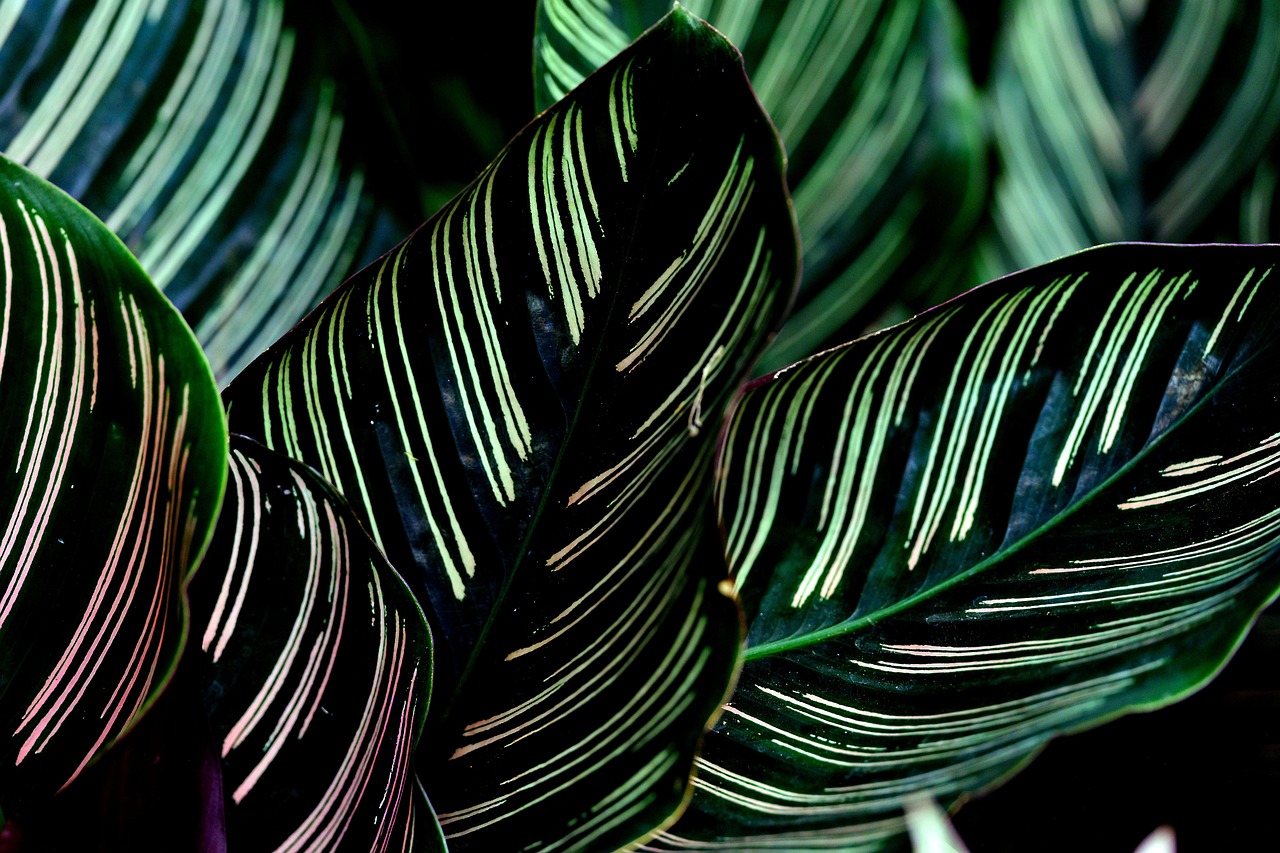
The foundation of a healthy Calathea orbifolia begins with the right soil environment. Because these plants are native to tropical rainforest floors, they require a potting medium that mimics their natural habitat: rich, airy, and consistently moist, but never waterlogged. Avoid dense garden soil, which can easily compact and suffocate the delicate root system.
For the best results, use a high-quality, peat-based potting mix. You can create an ideal environment by blending the following components:
- Peat moss or coco coir: To retain necessary moisture.
- Perlite or pumice: To ensure excellent drainage and aeration.
- Orchid bark: To provide structure and prevent the soil from packing down too tightly.
When it comes to maintenance, cleanliness is vital. If you are repotting your plant or trimming away yellowing or dead leaves, always use sharp, sterilized pruning shears. Wipe the blades with rubbing alcohol between every cut and especially between different plants. This simple habit prevents the accidental spread of fungal or bacterial pathogens that can quickly compromise a Calathea.
Fertilization should be approached with a “less is more” mindset. These plants are sensitive to salt buildup, which can cause leaf burn. During the active growing season—typically from spring through early autumn—feed your plant sparingly. Use a balanced, water-soluble houseplant fertilizer diluted to half or even quarter strength.
If you notice the edges of the leaves turning brown or crispy, it is often a sign of fertilizer salt accumulation or mineral buildup from tap water. In this case, flush the soil thoroughly with distilled or filtered water to wash away excess minerals. During the winter months, when growth naturally slows down, stop fertilizing entirely to allow the plant a period of rest. By maintaining a light touch with nutrients and prioritizing drainage, you will keep your Calathea orbifolia foliage vibrant and lush year-round.
Managing Pests and Leaf Health
The large, striking foliage of the Calathea orbifolia is its primary appeal, but those broad leaves can also act as magnets for common household pests. Because these plants thrive in humid environments, they are particularly susceptible to spider mites, which flourish in dry, stagnant air. Mealybugs may also hide in the crevices where the leaf meets the stem.
To keep your plant healthy, make it a habit to inspect the undersides of the leaves at least once a week. Early detection is the best defense against infestations.
Regular maintenance also keeps the plant photosynthesizing efficiently:
- Dusting: Gently wipe both sides of the leaves with a soft, damp cloth. This removes dust buildup that blocks sunlight and keeps the leaf pores clear.
- Cleaning: If you spot pests, use a mixture of water and a drop of mild dish soap to wipe the leaves down, or apply neem oil according to the manufacturer’s instructions.
If you notice the edges of your leaves turning brown and crispy, your plant is likely signaling an environmental stressor rather than a pest issue. This is almost always caused by one of two factors:
- Low Humidity: Calathea orbifolia requires high ambient moisture. If your home’s humidity drops below 50%, the leaf tips will dry out. Consider placing the plant near a humidifier or on a pebble tray.
- Mineral Buildup: These plants are sensitive to the chemicals found in tap water, such as chlorine and fluoride. Over time, these minerals accumulate in the soil and leaf tips, causing browning. To prevent this, switch to filtered, distilled, or rainwater.
By keeping the foliage clean and monitoring for these specific signs of distress, you can ensure your plant remains vibrant and lush. Consistent, gentle care is the most effective way to prevent long-term damage and keep your Calathea thriving in your indoor garden.

Common Questions and Troubleshooting
Even with the best intentions, Calathea orbifolia can be temperamental. If you notice your plant struggling, use these troubleshooting steps to diagnose and correct the issue before it worsens.
Yellowing Leaves
Yellow leaves are the most common sign of overwatering. These plants prefer consistently moist but well-draining soil; if the potting mix stays saturated, the roots cannot breathe, leading to yellowing foliage. Always check the top two inches of soil with your finger before watering. If the soil feels damp, wait a few more days.
Drooping Foliage
If your Calathea looks wilted or droopy, it is likely thirsty. While they dislike “wet feet,” they also suffer if allowed to dry out completely. Ensure you are watering thoroughly until liquid drains from the bottom of the pot, then discard any excess water sitting in the saucer.
Root Health
If adjusting your watering schedule does not revive the plant, carefully remove it from its pot to inspect the roots. Healthy roots should be firm and pale. If you find roots that are mushy, black, or emit a foul odor, you are dealing with root rot. Trim away the affected sections with sterilized shears and repot the plant in fresh, high-quality, well-draining soil.
Persistent Issues
Sometimes, environmental factors are not the culprit. If your plant remains stunted or develops unusual, spreading spots despite your best efforts, consider the following:
- Fungal Infections: Persistent spots or fuzzy growth may indicate a fungal issue that requires a specific fungicide.
- Pest Infestation: Check the undersides of leaves for tiny webbing or sticky residue, which could signal spider mites or scale.
- Professional Advice: If you cannot identify the cause, take a photo or a small sample to a local nursery. A professional can help you rule out persistent pathogens and recommend specific treatments tailored to your local climate and humidity levels.

Dedicated team of gardening enthusiasts with years of hands-on experience testing lawn mowers, gardening tools, and outdoor equipment. We help home gardeners and professionals alike make informed buying decisions with honest, thorough reviews. From push mowers to pruning shears, we test it all so you don’t have to. Got a gardening tool you’d like us to review? Get in touch!