
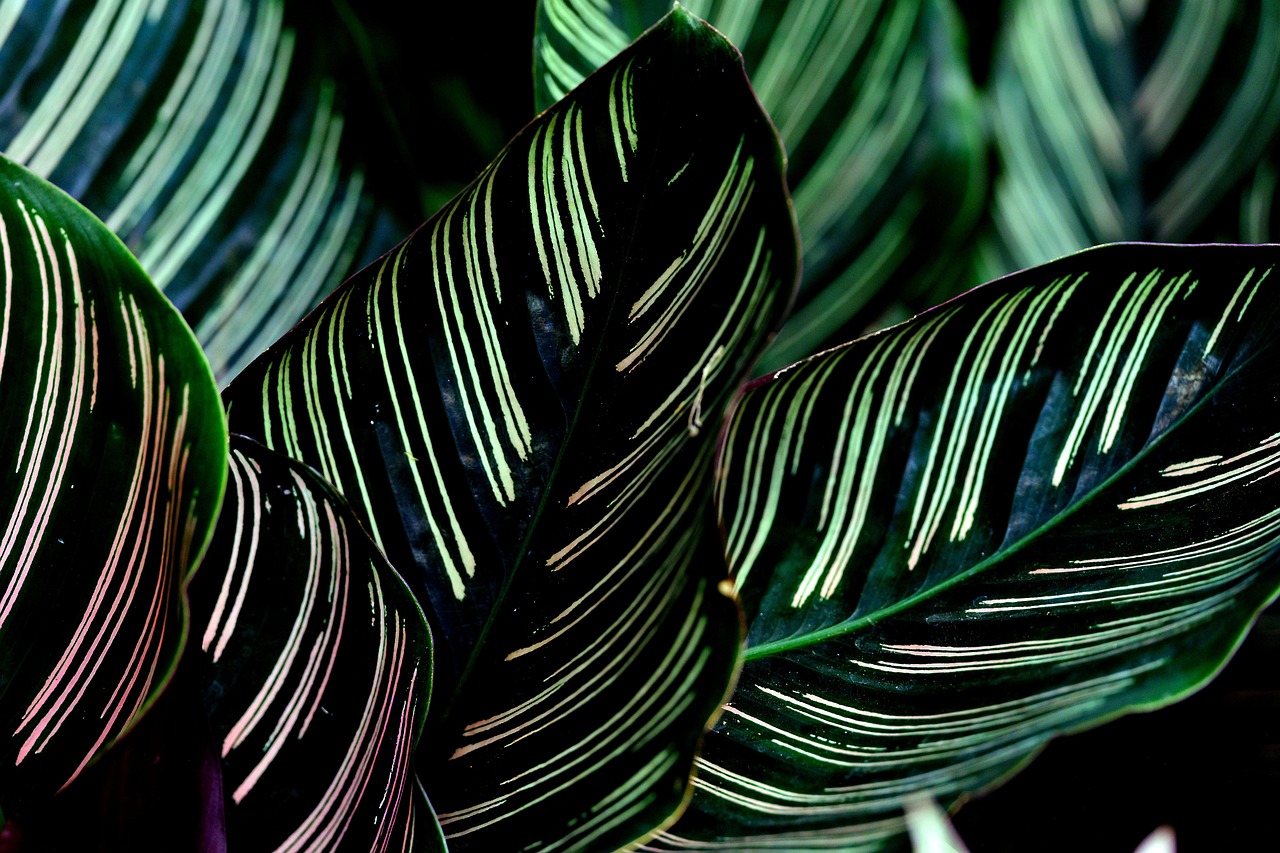
To care for a Calathea Medallion, you must provide consistent moisture, high humidity, and bright, indirect light. This striking prayer plant is famous for its intricate, medallion-patterned foliage, but it requires specific environmental conditions to stay healthy. By mimicking its natural tropical habitat, you can prevent common issues like brown leaf edges.
The Calathea Medallion is widely prized for its stunning, patterned foliage, but it has a reputation for being a bit fussy among indoor gardeners. While it may seem intimidating to beginners, understanding its unique preferences turns maintenance into a manageable routine. With the right approach, this plant becomes a rewarding centerpiece in your home.
This guide breaks down the essential light, water, and humidity requirements to help your prayer plant thrive in an indoor environment. We will cover practical tips for soil selection, fertilization schedules, and troubleshooting signs of stress. Follow these expert steps to ensure your beautiful Calathea remains vibrant, lush, and happy all year long.

Ideal Light and Temperature Conditions
To keep your Calathea Medallion thriving, you must replicate the conditions of its native tropical forest floor. In nature, these plants grow beneath a dense canopy, meaning they are accustomed to filtered, dappled light rather than harsh, direct rays.
Place your plant in a spot that receives bright, indirect light. A north or east-facing window is usually ideal. If you place your Calathea near a south or west-facing window, ensure it is set back several feet or shielded by a sheer curtain. Direct sunlight is the most common cause of leaf damage, as it can quickly scorch the delicate, patterned foliage, leading to brown, crispy edges.
Temperature consistency is equally vital for this species. Calathea Medallions are sensitive to sudden environmental shifts and prefer a stable, warm climate. Aim for an ambient temperature between 65 and 80 degrees Fahrenheit (18 to 27 degrees Celsius). If you are comfortable in a room, your plant likely is too, but you must be mindful of environmental extremes.
Follow these placement tips to avoid stress:
- Avoid placing your plant directly in front of heating or air conditioning vents, as these create drying airflow that causes leaf curling.
- Keep the plant away from drafty windows or exterior doors during winter months to prevent cold shock.
- Maintain a consistent environment; moving the plant frequently between rooms can hinder its growth and cause it to lose its vibrant coloration.
If you notice the leaves drooping or the edges turning brittle, your plant is likely signaling that it is either too cold or exposed to harsh, drying light. By providing a stable, warm location with soft, filtered light, you encourage the plant to maintain its signature rhythmic movement—opening its leaves during the day and folding them upward at night. Consistent care in these two areas is the foundation for a healthy, lush Calathea that remains a stunning focal point in your home.
Watering and Humidity Requirements
The Calathea medallion is a tropical native that thrives on consistency. Mastering its watering and humidity needs is the most important step in preventing crispy leaf edges and yellowing foliage. Because these plants are sensitive to their environment, mimicking their natural rainforest habitat is the secret to success.
When it comes to watering, your goal is to keep the potting mix consistently moist but never waterlogged. Before reaching for your watering can, check the soil moisture with your finger. If the top inch of soil feels dry to the touch, it is time to water. If the soil is still damp, wait a few more days to avoid root rot.
Water quality is just as important as frequency. Calatheas are notoriously sensitive to the minerals, salts, and chlorine found in standard tap water, which often cause brown tips. To keep your plant looking its best, follow these guidelines:
- Use filtered or distilled water: This removes harsh chemicals that build up in the soil over time.
- Use room-temperature water: Cold water can shock the root system; let your water sit out for an hour before use.
- Ensure proper drainage: Always use a pot with drainage holes to allow excess water to escape, preventing the roots from sitting in stagnant moisture.
Humidity is the second half of the equation. These plants prefer humidity levels above 50 percent. In many homes, especially during winter months when heaters are running, the air becomes too dry for a medallion to flourish.
To maintain the necessary moisture levels, consider these practical solutions:
- Use a humidifier: Placing a humidifier near your plant is the most effective way to mimic tropical conditions.
- Create a pebble tray: Fill a shallow tray with pebbles and water, then set the pot on top. As the water evaporates, it creates a localized humid microclimate.
- Group plants together: Clustering your Calatheas with other moisture-loving plants creates a shared humid environment that benefits the entire group.
Soil and Fertilization Needs
The Calathea medallion is notoriously sensitive to its root environment. Because these plants are prone to root rot, the soil must strike a delicate balance between moisture retention and drainage. Avoid heavy garden soil, which compacts easily and suffocates the root system.
For the best results, create a porous, airy potting mix. A reliable blend includes:
- 50% high-quality peat moss or coco coir to retain necessary moisture.
- 30% perlite or coarse sand to improve drainage and aeration.
- 20% standard indoor potting soil for structure and nutrients.
Always use a pot with drainage holes. If your container lacks them, the roots will quickly sit in stagnant water, leading to yellowing leaves and eventual plant decline. If you choose to use a decorative cachepot, ensure you remove the inner nursery pot to drain any excess water after each irrigation.
When it comes to feeding, less is often more. The Calathea medallion is not a heavy feeder, and excessive fertilizer can lead to salt buildup in the soil, which causes unsightly brown, crispy leaf edges. Only fertilize during the active growing season, which typically spans from early spring through late summer.
Follow these feeding guidelines to keep your plant healthy:
- Use a balanced, water-soluble liquid fertilizer designed for foliage plants.
- Dilute the solution to half the strength recommended on the product label.
- Apply the fertilizer once every four to six weeks during the growing months.
- Flush the soil with plain, filtered water every few months to wash away any accumulated mineral salts.
Cease all fertilization during the autumn and winter months. During this dormant period, the plant’s growth slows significantly, and it does not require the extra nutrients. Providing food when the plant is resting can stress the root system and lead to long-term health issues. By maintaining this consistent, gentle approach, you will support steady, vibrant growth throughout the year.
Safety and Maintenance Tips
Regular maintenance is essential to keep your Calathea medallion looking its best. Over time, it is common for the outer leaves to develop brown edges or dry patches. While these are often signs of humidity issues or water quality, pruning them helps the plant focus its energy on new, healthy growth.
When you decide to trim damaged foliage, precision is key. Always use clean, sharp pruning shears rather than tearing leaves by hand. A dull or dirty blade can crush plant tissue, creating an entry point for bacteria and fungi. To ensure your tools are safe to use, wipe the blades thoroughly with isopropyl alcohol before and after every session to prevent the accidental spread of pathogens between your houseplants.
Follow these steps for safe and effective pruning:
- Identify the damaged leaf and trace the stem back toward the base of the plant.
- Make a clean, angled cut close to the soil line or the main stem, being careful not to nick healthy foliage.
- Dispose of the removed leaves immediately to keep your growing area tidy.
Your personal safety is just as important as the health of your plant. If you have sensitive skin, wear gardening gloves while handling your Calathea to prevent minor irritation from plant sap or debris. Additionally, always tend to your plants on a stable, well-lit surface. Avoid balancing pots on uneven edges or high shelves where a slip could lead to a fall, damaging both your plant and your home.
Finally, perform a quick visual inspection during your maintenance routine. Look for signs of pests, such as webbing or sticky residue, on the undersides of the leaves. Catching these issues early is much easier than treating a full-blown infestation. By staying consistent with these simple habits, you create a stress-free environment that allows your Calathea medallion to thrive in your indoor space for years to come.

Troubleshooting Common Issues
Calathea medallion plants are notoriously expressive; when they aren’t happy, they will show you immediately. If you notice the leaves curling inward or developing crisp, brown edges, your plant is likely signaling a lack of humidity or poor water quality. These tropical beauties thrive in high-humidity environments. To remedy this, place your plant on a pebble tray filled with water or group it with other plants to create a microclimate.
Water quality also plays a significant role. Calatheas are sensitive to the minerals, chlorine, and fluoride found in tap water, which often cause leaf tip burn. If you suspect your tap water is the culprit, switch to distilled, filtered, or rainwater to see if the condition improves.
Pests can also compromise your plant’s health. Spider mites are the most common intruder, often appearing as tiny, fine webbing on the undersides of leaves. If you detect an infestation, take these steps:
- Gently wipe both sides of the leaves with a soft, damp cloth to remove dust and pests.
- Apply a light coating of neem oil or insecticidal soap to the foliage to deter further colonization.
- Isolate the plant from others to prevent the spread of pests.
If your Calathea medallion continues to decline despite providing ideal light, humidity, and water, the issue may be hidden beneath the surface. Carefully remove the plant from its pot to inspect the root system. Healthy roots should be firm and light-colored; if you find mushy, dark, or foul-smelling roots, the plant is suffering from root rot, usually caused by overwatering or poor drainage.
If you discover rot, trim away the damaged sections with sterilized shears and repot the plant into a fresh, well-draining potting mix. Ensure the new container has adequate drainage holes to prevent water from pooling at the base. By addressing these common issues promptly, you can help your Calathea recover and return to its vibrant, patterned glory.

Dedicated team of gardening enthusiasts with years of hands-on experience testing lawn mowers, gardening tools, and outdoor equipment. We help home gardeners and professionals alike make informed buying decisions with honest, thorough reviews. From push mowers to pruning shears, we test it all so you don’t have to. Got a gardening tool you’d like us to review? Get in touch!