
Learning how to care for caladiums indoors is the secret to maintaining their stunning, heart-shaped foliage year-round. These vibrant, tuberous perennials thrive inside when you successfully replicate their native tropical environment through careful light, humidity, and temperature management. With the right adjustments, you can easily turn these exotic plants into a long-lasting centerpiece for your home.
While caladiums are traditionally grown outdoors, they are surprisingly adaptable houseplants if you understand their specific growth cycles. It is important to remember that these plants are deciduous, meaning they naturally require a period of dormancy during the cooler months. Recognizing this cycle prevents unnecessary worry and helps you provide the appropriate care they need to flourish.
This guide provides actionable steps to keep your caladiums healthy and vibrant throughout their entire active growing season. We will explore essential tips for choosing the right potting soil, establishing a consistent watering schedule, and finding the perfect spot in your home. Follow these practical instructions to master indoor plant care and enjoy lush, colorful leaves in every room.
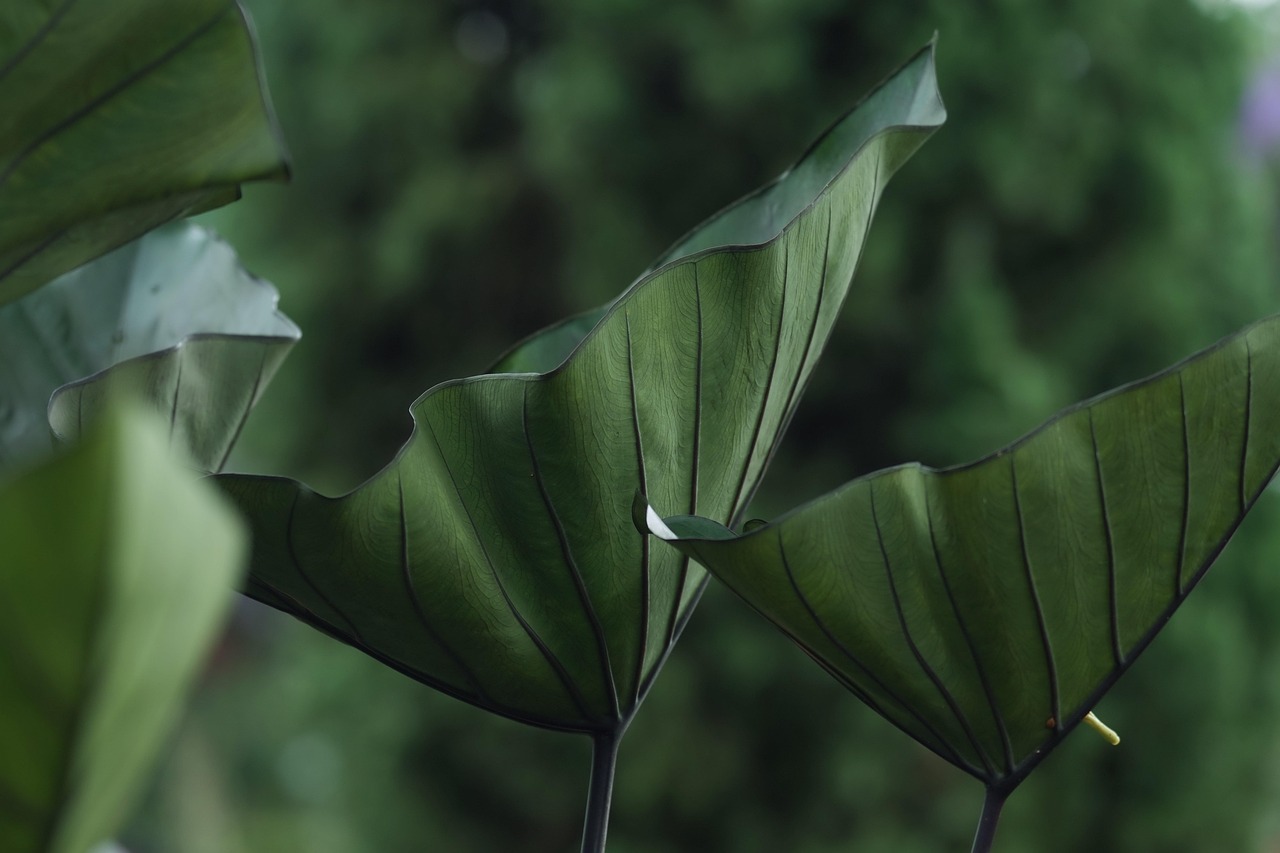
Ideal Light and Temperature Conditions
Caladiums are prized for their vibrant, paper-thin foliage, but their beauty depends heavily on getting their environment just right. Because they originate from tropical climates, they are sensitive to harsh light and temperature fluctuations.
To maintain their striking leaf coloration, place your caladium in bright, indirect light. An east-facing window is often ideal, as it provides gentle morning sun. A north-facing window also works well, offering consistent, soft light throughout the day. Avoid placing the plant in direct afternoon sun, which can quickly scorch the delicate leaves and cause them to fade or develop unsightly brown spots.
Conversely, be careful not to keep your plant in a dim corner. If a caladium does not receive enough light, it will become “leggy,” meaning the stems will stretch out and weaken in a desperate search for energy. If you notice your plant leaning heavily toward a light source, rotate the pot weekly to ensure even growth.
Temperature management is equally critical for indoor success. Caladiums thrive in warm, humid conditions. Follow these guidelines to keep your plant healthy:
- Maintain the “Sweet Spot”: Aim for indoor temperatures between 70 and 85 degrees Fahrenheit. They prefer the same comfort levels as most humans.
- Avoid Cold Drafts: Keep plants away from drafty windows, exterior doors, or air conditioning vents. Sudden chills can cause the foliage to wilt or go into premature dormancy.
- Steer Clear of Heat Sources: Never place your caladium directly next to a radiator, space heater, or heating vent. These sources dry out the air rapidly and can cause the leaf edges to curl and crisp.
By mimicking their native tropical environment, you will encourage your caladium to produce lush, full foliage throughout the growing season. Consistency is the key; once you find a spot that satisfies these light and temperature requirements, try to keep the plant there to avoid unnecessary stress.
Watering and Humidity Requirements
Caladiums are tropical plants that demand consistent moisture to thrive indoors. Because they grow from tubers, striking the right balance is essential; the soil should remain damp to the touch, but never saturated. If the potting medium becomes waterlogged, the tubers are highly susceptible to rot, which can quickly kill the plant.
To ensure proper hydration, follow these practical guidelines:
- Check the soil daily by pressing your finger an inch into the surface. If it feels dry, it is time to water.
- Always use room-temperature water. Cold water can shock the root system, causing the foliage to droop or yellow.
- Ensure your pot has adequate drainage holes. Never allow the plant to sit in a saucer filled with standing water.
Beyond soil moisture, humidity is the secret to lush, vibrant leaves. Caladiums struggle in the dry air common in most modern homes, especially during winter months when heating systems are running. If your indoor humidity levels drop below 50%, the leaf edges may begin to brown and crisp.
You can easily boost the ambient moisture around your plant using one of these methods:
- Pebble Tray: Place your pot on a shallow tray filled with pebbles and a small amount of water. Ensure the bottom of the pot rests on the stones, not directly in the water, to prevent root rot.
- Humidifier: Running a small humidifier nearby is the most effective way to mimic the plant’s natural tropical habitat.
- Grouping: Place your caladium near other moisture-loving plants. As they transpire, they create a small, humid microclimate that benefits the entire group.
By maintaining consistent soil moisture and elevating the surrounding humidity, you provide the stability these plants need to produce healthy, colorful foliage throughout their growing season. If you notice the soil pulling away from the sides of the pot, it is a clear sign that the medium has become too dry and needs an immediate, thorough watering.
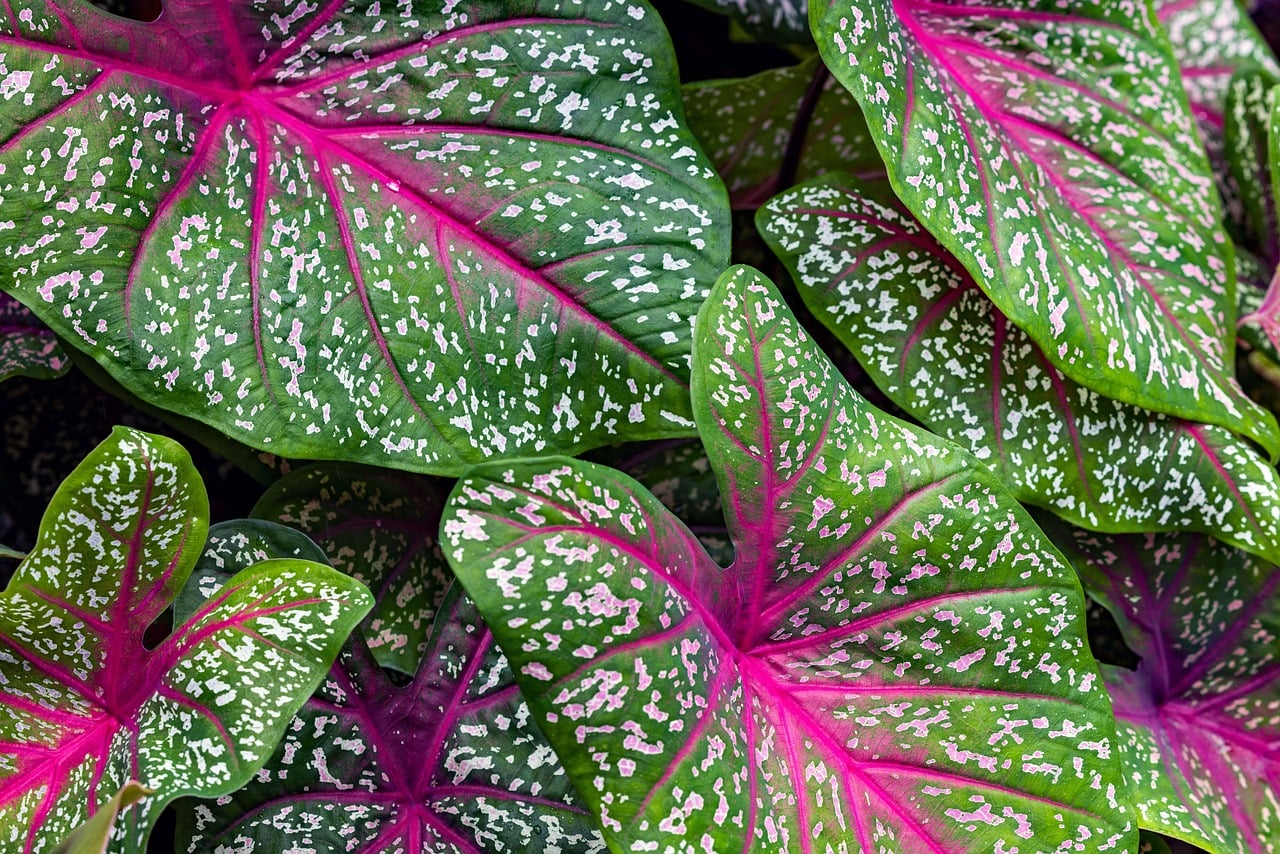
Soil and Potting Best Practices
Caladiums thrive in a potting environment that balances moisture retention with excellent drainage. Because these plants grow from tubers, they are susceptible to rot if left in waterlogged soil. To create the ideal foundation, use a high-quality, peat-based potting mix. You can enhance this further by adding perlite or coarse sand to ensure the roots receive adequate oxygen while the soil remains consistently damp.
When preparing your container, always select a pot with drainage holes at the bottom. Caladiums do not tolerate “wet feet,” and excess water must be able to escape freely to prevent the tubers from decaying. If you are repotting your plants, avoid packing the soil too tightly; a loose, airy medium allows the delicate root system to spread easily.
Safety is a priority when handling caladium tubers or foliage. The plant sap contains calcium oxalate crystals, which are known to cause skin irritation or rashes upon contact. Follow these practical steps to protect yourself and your plants:
- Always wear gardening gloves when handling tubers or repotting to prevent sap from touching your skin.
- If you need to trim yellowing or dead leaves, use clean, sharp pruning shears to make precise cuts.
- Sanitize your pruning blades with isopropyl alcohol both before and after use. This simple habit prevents the transmission of pathogens or fungal infections between your indoor plants.
If you notice a leaf beginning to yellow, it is often a natural part of the plant’s life cycle, especially as it prepares for dormancy. However, if the plant appears limp or the soil feels overly dense, check the moisture levels immediately. By maintaining a light, well-draining soil structure and practicing clean pruning techniques, you provide your caladiums with the stable environment they need to produce their signature, vibrant foliage throughout the growing season.
Fertilization and Growth Cycles
To keep your caladiums vibrant and healthy, they require consistent nourishment during their active growing season. Because these plants are heavy feeders, apply a balanced, water-soluble liquid fertilizer once every four to six weeks. To prevent fertilizer burn, always dilute the solution to half-strength before application.
If you notice the leaves becoming pale or growth slowing down mid-season, you may slightly increase the frequency of feeding. However, ensure the soil remains moist but not waterlogged, as excess fertilizer in dry soil can damage the sensitive root system.
As autumn approaches and daylight hours decrease, your caladium will naturally signal that it is entering a period of dormancy. You will observe the foliage beginning to yellow and droop; this is a normal part of the plant’s life cycle and not a sign of failure.
Follow these steps to manage the transition into dormancy:
- Gradually reduce watering as the leaves fade to prevent the tubers from rotting.
- Once the foliage has died back completely, trim the stems off near the soil line.
- Carefully remove the tubers from the pot and gently brush away excess soil.
- Store the tubers in a cool, dry, and dark location, such as a paper bag or a box filled with peat moss or vermiculite.
- Keep the storage environment between 55°F and 65°F (13°C–18°C) to ensure they remain dormant but viable.
Resist the urge to water the tubers while they are in storage. They require a period of complete rest to recharge. Check on them periodically to ensure they remain firm and free of mold. When spring arrives and temperatures rise, you can replant the tubers in fresh potting mix to restart the growth cycle.
By respecting these natural rhythms, you ensure that your caladiums return with even more vigor each year, providing you with a reliable display of stunning, colorful foliage throughout the warmer months.

Troubleshooting and Common Care Questions
Even with the best intentions, you may occasionally run into issues while growing caladiums indoors. Most problems are easy to diagnose once you know what to look for.
If you notice your plant’s leaves drooping, it is usually a cry for help regarding hydration. Caladiums are thirsty plants; check the soil moisture immediately. If the soil is dry, give it a thorough watering. If the soil is moist but the plant is still wilting, the air in your home may be too dry. Increase local humidity by placing the pot on a pebble tray filled with water or using a nearby humidifier.
When foliage begins to lose its vibrant color and appears pale or washed out, your caladium is likely suffering from insufficient light. While these plants enjoy indirect light, they still require brightness to maintain their bold patterns. Move your container closer to a window, but ensure it remains shielded from direct, harsh sun, which can scorch the delicate leaves.
Pests can occasionally find their way to indoor caladiums. If you spot webbing or small spots that indicate spider mites, take these steps:
- Gently wipe both sides of the leaves with a soft, damp cloth to remove debris and pests.
- Apply a mild insecticidal soap or neem oil, following the product instructions carefully.
- Isolate the plant from your other houseplants to prevent any potential spread.
If you observe persistent rot despite your best efforts to water sparingly, gently inspect the tuber. If you find soft, mushy spots, the soil may be holding too much moisture. Consult a local nursery professional to discuss soil amendments that improve drainage, such as adding perlite or orchid bark.
Finally, always prioritize safety. Caladiums contain calcium oxalate crystals, making them toxic if ingested. Keep your plants well out of reach of curious pets and small children. If a plant is damaged or leaking sap, wash your hands thoroughly to avoid skin or eye irritation.

Dedicated team of gardening enthusiasts with years of hands-on experience testing lawn mowers, gardening tools, and outdoor equipment. We help home gardeners and professionals alike make informed buying decisions with honest, thorough reviews. From push mowers to pruning shears, we test it all so you don’t have to. Got a gardening tool you’d like us to review? Get in touch!