
Learning how to care for begonias in a pot is simple once you understand their specific needs for light and hydration. These popular container plants are beloved for their stunning foliage and vibrant flowers, making them a perfect addition to any indoor or outdoor space that receives bright, indirect sunlight throughout the day.
While begonias are relatively low-maintenance, they do require consistent attention to thrive in containers. Because pots dry out faster than garden soil, you must monitor moisture levels carefully to prevent root rot or wilting. Understanding these environmental nuances is the key to keeping your plants healthy and lush all season long.
This guide provides actionable steps to help you maintain healthy, thriving potted begonias throughout the growing season. We will cover essential topics, including proper potting soil selection, ideal watering schedules, and fertilization tips. Follow these practical instructions to ensure your begonias remain vibrant, disease-free, and beautiful in their containers year after year.
Selecting the Right Pot and Soil
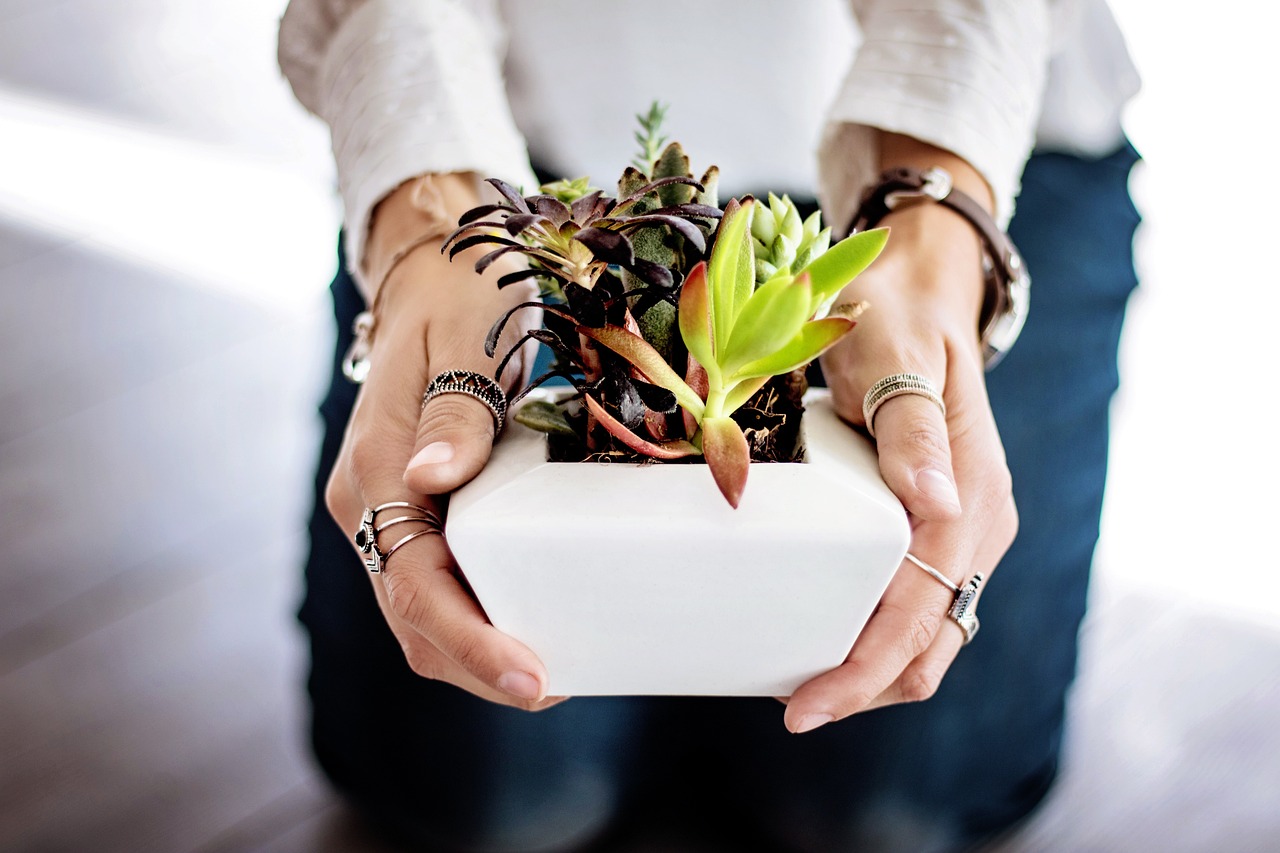
The foundation of a thriving potted begonia begins with the container. Because begonias are highly susceptible to root rot, your priority must be drainage. Always select a pot equipped with multiple drainage holes at the bottom. If you fall in love with a decorative pot that lacks holes, use it as a cachepot—keep the plant in a plastic nursery liner inside the decorative container, and remove it to water, allowing all excess moisture to drain away completely before returning it.
Size matters significantly when potting your begonia. Avoid the temptation to use an oversized container, as excess soil holds too much water, which can lead to fungal issues and root decay. Choose a pot that is only one to two inches wider in diameter than the plant’s current root ball. This snug fit encourages the plant to focus its energy on foliage and blooms rather than filling a vast space with roots.
Equally important is the medium you choose. Begonias require a balance of moisture retention and aeration. A heavy garden soil will compact and suffocate the roots, so it is essential to use a high-quality, commercial potting mix. For the best results, look for or create a blend that includes the following:
- Peat moss or coco coir: These materials provide the necessary moisture retention begonias crave.
- Perlite or vermiculite: These volcanic minerals create air pockets, ensuring the soil remains light and well-draining.
- A balanced pH: Most commercial indoor potting mixes are already pH-adjusted, which is ideal for preventing nutrient lockout.
When potting, fill the container loosely. Do not pack the soil down firmly, as this removes the air pockets that roots need to breathe. Gently tap the pot on your workspace to settle the soil around the roots, then water lightly to finish. By prioritizing drainage and choosing a lightweight, airy soil, you create the perfect environment for your begonia to establish a healthy, resilient root system.
Light and Temperature Requirements
Begonias are prized for their stunning foliage and blooms, but they are sensitive to their environment. To keep your potted begonias healthy, you must balance their need for illumination with protection from harsh conditions.
Most begonias thrive in bright, indirect light. An east-facing window is often ideal, as it provides gentle morning sun. If you must place your plant near a south or west-facing window, use a sheer curtain to filter the light. Direct midday sun is too intense and will quickly scorch delicate leaves, leaving brown, crispy patches.
Temperature consistency is equally vital for preventing leaf drop and stress. Begonias prefer a stable environment, ideally between 65 and 75 degrees Fahrenheit. While they can tolerate slight fluctuations, sudden shifts can cause the plant to go into shock.
To ensure your begonias stay within their preferred range, follow these practical placement tips:
- Avoid drafts: Keep pots away from exterior doors, drafty windows, or air conditioning vents. Cold air can cause stems to wilt and foliage to discolor.
- Steer clear of heat sources: Do not place your plants directly next to radiators, fireplaces, or heating vents. Excessive dry heat will dehydrate the soil rapidly and stress the plant.
- Monitor seasonal changes: As the seasons change, the angle of the sun shifts. A spot that was perfect in winter might become too harsh in the summer, so be prepared to move your pots accordingly.
If you notice your begonia becoming “leggy” or reaching excessively toward a light source, it is likely not receiving enough brightness. Conversely, if leaves appear bleached or develop scorched spots, move the pot further away from the window. By observing these subtle cues, you can adjust your plant’s location to maintain optimal growth throughout the year. Providing a stable, well-lit environment is the most effective way to encourage lush, vibrant foliage and consistent flowering in your potted begonias.

Watering and Feeding Best Practices
Proper hydration is the cornerstone of healthy potted begonias. These plants prefer consistent moisture but are highly susceptible to root rot if left sitting in water. Before reaching for your watering can, check the soil: insert your finger about an inch deep into the potting mix. If it feels dry, it is time to water. If the soil still feels damp, wait another day or two.
When you water, precision is key to preventing disease. Always aim the water directly at the base of the plant, focusing on the soil rather than the leaves. Begonia foliage is prone to powdery mildew and other fungal issues when it remains damp for extended periods. Keeping the leaves dry ensures your plant stays vibrant and avoids unsightly spots or decay.
Feeding your begonias during the active growing season—typically from late spring through early autumn—will encourage lush growth and frequent blooms. Because potted plants rely entirely on the nutrients provided in their container, a regular feeding schedule is essential.
Follow these best practices for optimal nutrition:
- Use a balanced, water-soluble fertilizer formulated for flowering plants.
- Dilute the fertilizer to half-strength to avoid burning the delicate root system.
- Apply the solution every two to four weeks while the plant is actively growing.
- Always apply fertilizer to moist soil rather than bone-dry soil to protect the roots.
As the days shorten and growth slows in the winter, cease fertilization entirely and reduce your watering frequency. During this dormant period, the plant requires significantly less energy and moisture. By adjusting your care routine to match the plant’s natural growth cycle, you will keep your begonias thriving year after year. Always ensure your pot has adequate drainage holes, as excess water must be able to escape freely to keep the root zone oxygenated and healthy.
Safe Maintenance and Pruning
Consistent maintenance is the secret to keeping potted begonias vibrant and blooming throughout the season. Because begonias are prone to fungal issues when debris accumulates, regular grooming is essential for plant health. By removing spent components, you redirect the plant’s energy away from seed production and toward developing fresh foliage and new flower buds.
To maintain your begonias effectively, follow these steps:
- Deadheading: Pinch off faded or wilted flowers as soon as they appear. This prevents the plant from wasting energy on spent blooms and keeps the container looking tidy.
- Removing Foliage: Inspect your plant weekly for yellowing, spotted, or damaged leaves. Gently snip these away at the base of the stem to improve airflow and prevent potential rot.
- Pruning for Shape: If your begonia becomes leggy or overgrown, use clean garden shears to trim back long stems just above a leaf node. This encourages the plant to branch out, resulting in a bushier, more compact growth habit.
Hygiene is a critical aspect of pruning. Always sanitize your garden shears with rubbing alcohol or a diluted bleach solution before and after use. This simple practice prevents the transmission of bacterial or fungal pathogens from other plants in your collection to your begonias.
Furthermore, prioritize your own safety during maintenance. Some begonia varieties produce a sap that can cause mild skin irritation or contact dermatitis in sensitive individuals. Always wear a pair of sturdy gardening gloves while pruning to create a protective barrier between your skin and the plant stems. If you accidentally get sap on your skin, wash the area thoroughly with soap and water immediately.
By staying diligent with these small, regular tasks, you create an environment where your begonias can thrive. A clean, well-pruned plant is significantly more resilient against pests and diseases, ensuring your container garden remains a healthy focal point in your home or patio.
Troubleshooting and Long-Term Care
Even with the best intentions, begonias can occasionally show signs of distress. If you notice your plant wilting despite moist soil, or if you spot dark, mushy leaf spots, you are likely dealing with overwatering or poor drainage. Begonias are highly susceptible to root rot, so ensure your pot has adequate drainage holes and never allow the plant to sit in standing water.
Poor airflow is another common culprit for fungal issues like powdery mildew, which appears as a white, dusty coating on the leaves. To remedy this, move your pot to a location with better air circulation and avoid wetting the foliage when watering. Always remove dead or decaying leaves immediately to keep the plant healthy and prevent the spread of disease.
If your plant fails to thrive despite these adjustments, consider these steps:
- Inspect the undersides of leaves for pests, such as aphids or spider mites.
- Isolate the plant from your other houseplants to prevent potential infestations from spreading.
- If you suspect a persistent fungal or bacterial infection, take a sample or a clear photograph to your local nursery. A plant specialist can provide a specific diagnosis and recommend safe, targeted treatments.
Long-term care also requires seasonal adjustments. Begonias are tropical plants and cannot tolerate freezing temperatures. If you live in a climate where temperatures drop below 50°F (10°C), you must bring your potted begonias indoors before the first frost.
Once inside, place your begonias in a spot that receives bright, indirect light. During the winter months, the plant’s growth will naturally slow down. Reduce your watering frequency, allowing the top inch of soil to dry out completely between waterings. Avoid fertilizing during this dormant period, as the plant does not need the extra nutrients while its metabolism is low. By providing this period of rest, you ensure your begonias have the energy required to produce vibrant foliage and blooms when the warmer spring weather returns.

Dedicated team of gardening enthusiasts with years of hands-on experience testing lawn mowers, gardening tools, and outdoor equipment. We help home gardeners and professionals alike make informed buying decisions with honest, thorough reviews. From push mowers to pruning shears, we test it all so you don’t have to. Got a gardening tool you’d like us to review? Get in touch!