
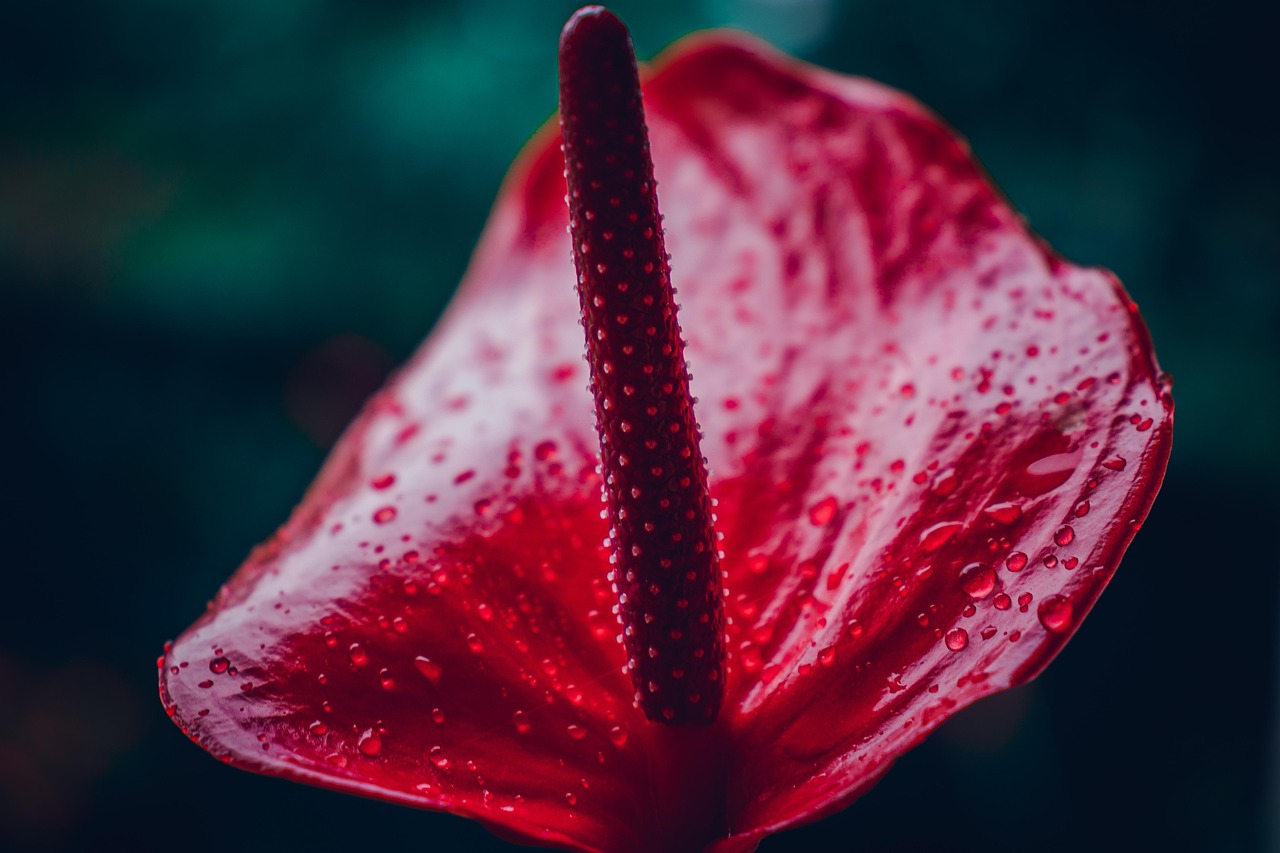
Learning how to care for anthurium indoors is simpler than many new plant owners realize. These popular houseplants thrive when you provide them with bright, indirect light, consistent humidity, and well-draining soil. By mimicking their native tropical environment, you can easily maintain their striking, waxy spathes and lush foliage right in your living room.
While anthuriums have a reputation for being somewhat finicky, they are actually quite resilient if you understand their basic needs. They are not low-light plants, and they dislike sitting in soggy soil, so finding the right balance is key. With patience and observation, you can create the perfect conditions for long-term health.
This comprehensive guide covers the essential steps required to keep your anthurium healthy and blooming year-round. From selecting the ideal potting mix to mastering a watering routine that prevents root rot, we break down everything you need to know. Follow these practical tips to help your indoor tropical plant flourish and grow vibrant new leaves.

Optimal Light and Temperature Requirements
Anthuriums are naturally adapted to the filtered light of tropical forest floors. To mimic this environment indoors, place your plant in bright, indirect light. This means the plant should “see” the sky but never the sun itself. Direct sunlight, especially during the afternoon, will quickly scorch the delicate, glossy leaves, leaving unsightly brown patches.
The best location for an anthurium is typically:
- Near an east-facing window, where the morning sun is gentle.
- A few feet back from a south- or west-facing window, shielded by a sheer curtain to diffuse the intensity of the light.
If your anthurium is not blooming, it is often a sign that it needs slightly more light. However, avoid sudden shifts in exposure, as these can stress the plant and cause leaf drop.
Temperature consistency is equally vital for healthy growth. Anthuriums thrive in the same ambient temperatures that humans find comfortable, ideally between 65 and 80 degrees Fahrenheit. Because they are sensitive to temperature fluctuations, placement is key to their long-term health.
Follow these placement tips to protect your plant:
- Avoid drafts: Keep your anthurium away from drafty windows, exterior doors, or air conditioning vents. Sudden cold snaps can damage the foliage.
- Mind the heat: Never place your plant directly above or in front of heating vents, radiators, or fireplaces. These heat sources dry out the air rapidly and can dehydrate the plant, leading to brown, crispy leaf edges.
By maintaining a stable, warm environment and providing consistent, filtered light, you create the perfect foundation for your anthurium to produce its signature waxy spathes. If you notice the leaves leaning heavily toward a light source, rotate the pot a quarter turn every week to ensure even, symmetrical growth. This simple habit encourages a balanced shape and prevents the stems from becoming weak or leggy as they reach for the sun.
Watering and Soil Needs for Anthuriums
Anthuriums are epiphytes in their natural habitat, meaning they grow on trees rather than in dense ground soil. To mimic this environment indoors, you must prioritize aeration and drainage. Using standard garden soil is often too heavy and can suffocate the roots, leading to decline.
For the best results, use a chunky, well-draining potting mix. You can create an ideal environment by combining the following ingredients:
- Orchid bark: Provides essential airflow around the root system.
- Perlite: Improves drainage and prevents the soil from compacting.
- Peat moss or coco coir: Retains just enough moisture to keep the plant hydrated without becoming waterlogged.
Alternatively, a high-quality pre-mixed orchid potting blend works exceptionally well for anthuriums. Regardless of the mix you choose, always ensure your container has functional drainage holes at the bottom. Excess water must be able to escape freely; if water collects in the saucer or at the base of the pot, the roots will quickly succumb to rot.
When it comes to your watering schedule, avoid sticking to a rigid calendar. Instead, use the “touch test.” Before adding water, insert your finger about one inch into the potting medium. If the soil feels dry, it is time to water. If it still feels damp or cool, wait a few more days.
When you do water, pour until you see liquid flowing out of the drainage holes, then discard any water that collects in the saucer. This method ensures the entire root ball is hydrated while preventing the stagnant conditions that lead to fungal issues. During the winter months, your anthurium will grow more slowly, so you will likely find that the soil stays moist for longer periods. Always adjust your frequency based on the current moisture levels of the potting mix rather than a set schedule to keep your plant thriving year-round.
Humidity and Fertilizer Best Practices
Because anthuriums originate from tropical rainforests, they thrive in environments where moisture levels remain consistently high. In most homes, the air is too dry, which can cause leaf tips to turn brown or crispy. To mimic their natural habitat, aim for a humidity level between 60% and 80%.
If your home lacks natural humidity, you can easily create a microclimate for your plant using these practical methods:
- Pebble Trays: Place your pot on a shallow tray filled with pebbles and a small amount of water. Ensure the bottom of the pot sits on the stones, not directly in the water, to prevent root rot.
- Group Plants: Clustering your anthurium with other houseplants creates a mini-ecosystem where plants release moisture through transpiration, naturally raising the humidity in the immediate area.
- Humidifiers: For a more controlled approach, placing a small humidifier nearby is the most effective way to keep moisture levels stable, especially during winter months when indoor heating dries out the air.
Proper nutrition is equally vital for maintaining the vibrant, glossy foliage and long-lasting flowers that make anthuriums so popular. During the active growing season—typically spring through early autumn—your plant requires regular feeding to support its development.
Use a balanced liquid fertilizer, such as a 20-20-20 formula, to provide essential nutrients. To avoid chemical burn or salt buildup in the soil, always dilute the fertilizer to half-strength before application. Feed your plant every six to eight weeks during these warmer months. If you notice the plant is not producing new growth during the winter, stop fertilizing entirely to allow it a period of natural dormancy.
Always water your anthurium thoroughly before applying fertilizer. Applying nutrients to bone-dry soil can shock the root system and cause damage. By maintaining consistent humidity and providing gentle, regular nourishment, you will help your anthurium stay healthy and productive year-round.
Pruning and Safety Precautions
Regular maintenance is essential to keep your anthurium looking its best. Over time, older leaves will naturally yellow, wither, or brown at the edges. Trimming these away not only improves the plant’s aesthetic appeal but also allows the anthurium to redirect its energy toward producing new, healthy growth rather than sustaining dying foliage.
When you are ready to prune, precision is key. Always use a pair of clean, sharp garden shears or scissors. Before making any cuts, wipe the blades with rubbing alcohol to sterilize them. This simple step prevents the accidental spread of bacteria or fungal spores from other plants into the open tissue of your anthurium.
To prune correctly, follow these steps:
- Identify the leaf or stem that is entirely yellow, brown, or damaged.
- Follow the stem down to the base of the plant where it meets the main stalk.
- Make a clean, swift cut close to the base without damaging the main stem or surrounding healthy foliage.
Safety should always be a priority during maintenance. Anthuriums contain calcium oxalate crystals in their sap, which can cause skin irritation or rashes in sensitive individuals. If you have delicate skin, wear a pair of gardening gloves while pruning to avoid direct contact with the plant’s juices.
Furthermore, it is vital to remember that anthuriums are toxic if ingested. The sap and plant tissue can cause significant discomfort, swelling, and irritation to the mouth and throat if consumed. Because of these properties, you must be mindful of where you place your plant:
- Keep the pot on a high shelf or a sturdy plant stand that is inaccessible to toddlers.
- Ensure the plant is situated in a room where pets cannot reach it, as curious cats and dogs may attempt to chew on the leaves.
By combining careful pruning habits with these safety precautions, you can enjoy a vibrant, thriving anthurium while maintaining a secure environment for everyone in your household.
Troubleshooting Common Issues and Follow-up Care
Even with the best intentions, your anthurium may occasionally show signs of stress. If your plant stops producing its signature blooms or the foliage begins to suffer, your first step should be to evaluate your environment. Anthuriums are tropical plants that thrive on consistency; fluctuations in light or moisture are the most common culprits behind lackluster growth.
If you notice brown tips on the leaves, the issue is usually related to your indoor climate or water quality. Low humidity is a frequent problem in modern homes, especially during winter. Additionally, tap water containing high levels of minerals or chlorine can cause salt buildup in the soil, leading to scorched leaf edges. Try switching to filtered or distilled water and placing the plant on a pebble tray to boost localized humidity.
Pests can also hinder your plant’s health. Keep a close eye on the undersides of leaves for signs of spider mites or mealybugs. If you spot an infestation, take immediate action:
- Wipe both sides of the leaves gently with a damp, soft cloth to remove dust and pests.
- Apply a light coating of neem oil or insecticidal soap to the affected areas, following the manufacturer’s instructions.
- Isolate the plant from your other houseplants until you are certain the pests are gone.
Finally, consider the root system. If your anthurium appears stunted or water runs straight through the pot without soaking in, it may be root-bound. Anthuriums prefer a snug fit, but they eventually need more room to thrive. The best time to repot is in the spring, as the plant enters its active growing season. Use a high-quality, well-draining aroid potting mix and select a new container only one size larger than the current one. Moving to a pot that is too large can hold excess moisture, which often leads to root rot. By addressing these specific needs promptly, you can help your anthurium return to its vibrant, healthy state.

Dedicated team of gardening enthusiasts with years of hands-on experience testing lawn mowers, gardening tools, and outdoor equipment. We help home gardeners and professionals alike make informed buying decisions with honest, thorough reviews. From push mowers to pruning shears, we test it all so you don’t have to. Got a gardening tool you’d like us to review? Get in touch!