
To care for anthurium houseplants, provide them with bright, indirect light and well-draining potting soil. These tropical beauties thrive when you maintain consistent moisture without letting the roots sit in standing water. By mimicking their natural rainforest environment, you can easily keep these stunning plants healthy and vibrant in your home.
While anthuriums are prized for their glossy leaves and long-lasting, waxy blooms, they do require specific conditions to reach their full potential. They are not particularly difficult to grow, but they do demand attention regarding humidity levels and temperature stability. Understanding these foundational needs is the secret to preventing common leaf issues.
This guide provides practical, actionable steps to help your tropical houseplant thrive in an indoor environment. We will cover essential care techniques, including proper watering schedules, ideal fertilization routines, and effective potting strategies. Follow these expert tips to ensure your anthurium remains a lush, eye-catching centerpiece in your indoor plant collection for years.
Light and Temperature Requirements
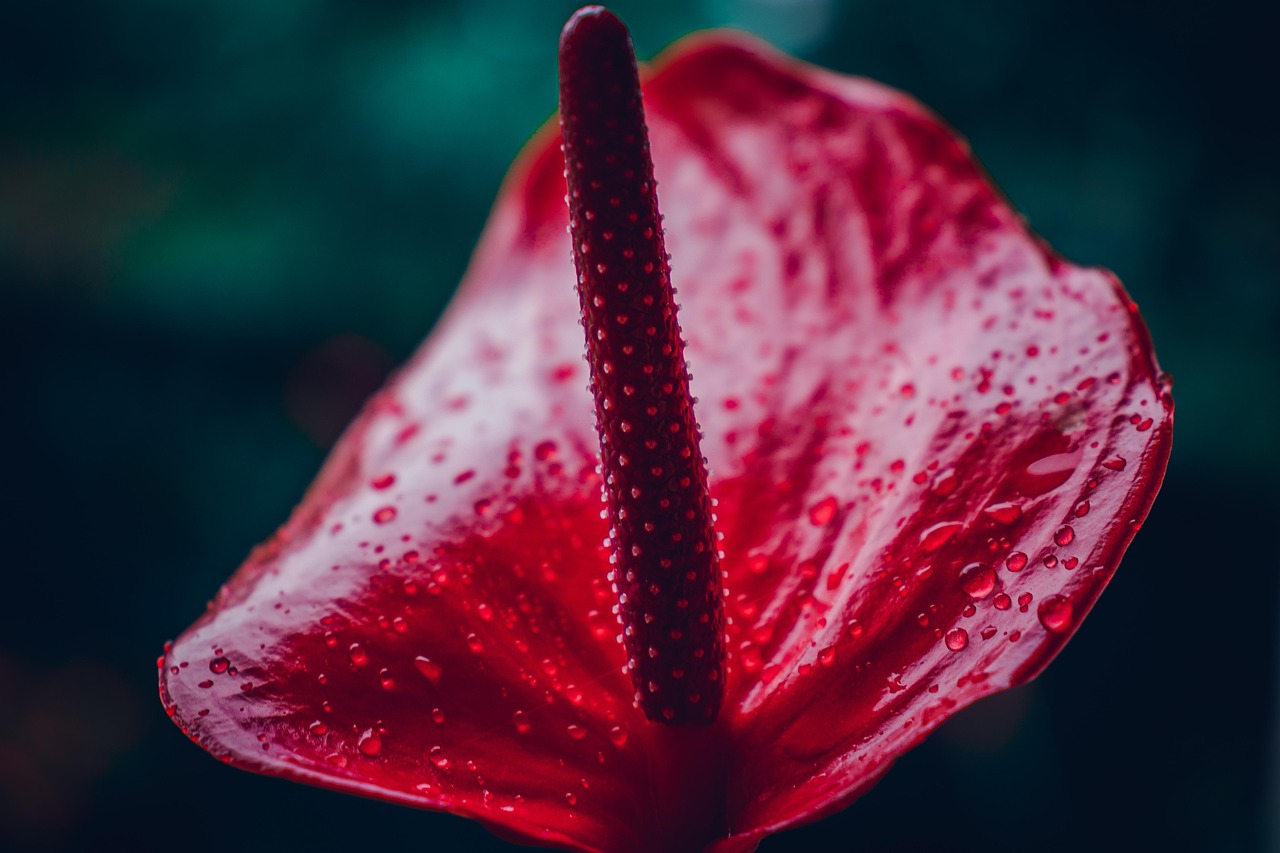
Anthuriums are prized for their glossy, heart-shaped leaves and long-lasting, waxy blooms. To keep your plant thriving and encourage consistent flowering, light management is your most important task. These plants crave bright, indirect light. Think of the dappled light found on a tropical forest floor; this is the environment they mimic best.
Place your Anthurium near an east-facing window where it can receive gentle morning sun. If you only have south or west-facing windows, pull the plant a few feet back from the glass or use a sheer curtain to filter the intensity. Avoid direct, harsh sunlight at all costs, as it will quickly scorch the delicate foliage, leaving unsightly brown patches and damaging the plant’s ability to photosynthesize.
Temperature consistency is equally vital for healthy growth. Anthuriums are tropical natives that prefer stable conditions. Aim to keep your plant in an environment between 65 and 80 degrees Fahrenheit. If you are comfortable in your home, your Anthurium likely is too, but you must be mindful of environmental extremes.
Follow these practical tips to maintain the right balance:
- Avoid cold drafts: Keep your plant away from air conditioning vents, drafty windows, or exterior doors that open frequently during winter. Sudden cold snaps can cause leaf drop or stunted growth.
- Monitor heat sources: Do not place your Anthurium near radiators, space heaters, or wood stoves. These heat sources dry out the air rapidly, which can lead to crispy leaf edges.
- Watch for signs of stress: If the leaves begin to yellow or lose their vibrant sheen, your plant may be struggling with its current temperature or light levels. Adjusting its position slightly can often lead to a quick recovery.
By mimicking these tropical conditions, you provide the stability your Anthurium needs to focus its energy on producing its signature colorful spathes throughout the growing season.
Watering and Humidity Needs
Mastering the balance of moisture is the most critical step in keeping your anthurium healthy. These tropical plants thrive when their root systems have access to consistent hydration without being left in waterlogged soil, which can quickly lead to root rot.
The most reliable approach is the “soak-and-dry” method. Before adding more water, check the soil moisture by inserting your finger about one inch deep into the potting mix. If the soil feels dry to the touch at this depth, it is time to water. If it still feels damp, wait a few more days. When you do water, saturate the soil thoroughly until excess liquid drains from the bottom of the pot, then discard any water sitting in the saucer.
Because anthuriums are native to rainforest environments, they struggle in the dry air common in most modern homes. Low humidity often leads to brown, crispy leaf tips. To mimic their natural habitat, aim to maintain ambient humidity levels above 50 percent using these practical strategies:
- Use a pebble tray: Place your plant on a shallow tray filled with pebbles and a small amount of water. Ensure the pot sits on the stones and not directly in the water to prevent root saturation.
- Run a humidifier: Placing a small humidifier near your plant is the most effective way to provide consistent moisture to the foliage.
- Group plants together: Clustering your anthurium with other houseplants creates a microclimate that naturally traps moisture in the air around the leaves.
- Avoid heat sources: Keep your plant away from direct airflow from air conditioners, heaters, or drafty windows, as these rapidly dehydrate the foliage.
By monitoring the top inch of soil and actively managing the humidity around your plant, you create the stable, tropical conditions necessary for your anthurium to produce its signature glossy leaves and vibrant blooms throughout the year.

Soil and Potting Best Practices
Anthuriums are epiphytes in their natural habitat, meaning they grow on trees rather than in dense ground soil. To mimic this environment in your home, you must provide a medium that allows for excellent airflow around the roots while retaining just enough moisture.
Avoid standard, heavy potting soils, which tend to compact and suffocate the roots. Instead, create a loose, airy blend that promotes drainage. A highly effective mixture consists of equal parts:
- Orchid bark: Provides structure and essential aeration.
- Perlite: Prevents compaction and improves water drainage.
- Peat moss or coco coir: Retains necessary moisture without becoming waterlogged.
The container you choose is just as important as the soil itself. Always select a pot with drainage holes at the bottom. Anthuriums are highly susceptible to root rot if they sit in standing water. If you use a decorative cachepot without holes, ensure the plant remains in a plastic nursery liner inside so you can easily remove it to drain excess water after each irrigation.
When preparing your potting mix, take a moment to prioritize your safety. Potting soils and additives can harbor fungi, bacteria, or irritants that may cause skin dryness or allergic reactions. Always wear a pair of gardening gloves when handling soil, especially if you have sensitive skin or minor cuts on your hands. If you are sensitive to dust, consider wearing a mask while mixing the perlite to avoid inhaling fine particles.
By providing a porous environment and ensuring proper drainage, you significantly reduce the risk of common issues like yellowing leaves and root decay. A well-draining setup allows you to water your anthurium with confidence, knowing that the roots have the oxygen they need to thrive. If you notice the soil staying soggy for more than a few days, it is a sign that your mix may be too dense and should be adjusted to include more bark or perlite.
Pruning and Maintenance
Regular maintenance is essential to keep your anthurium healthy and aesthetically pleasing. Over time, older leaves will naturally yellow and wither, and spent blooms will fade. Removing these promptly allows the plant to redirect its energy toward producing new, vibrant foliage and flowers rather than sustaining dying tissue.
To prune your anthurium safely, follow these steps:
- Sanitize your tools: Before making any cuts, wipe your pruning shears with a cloth soaked in isopropyl alcohol. This critical step prevents the transmission of bacteria, fungi, or viruses from other plants to your anthurium.
- Make clean cuts: Identify the stem of the yellowing leaf or spent flower. Using sharp, clean shears, cut the stem as close to the base of the plant as possible without damaging the main stem or crown.
- Monitor for pests: While pruning, take a moment to inspect the undersides of leaves for common pests like spider mites or scale. Early detection makes treatment significantly easier.
Always dispose of pruned material immediately; do not leave debris in the pot, as decaying plant matter can attract pests or encourage fungal growth in the soil surface.
Safety Warning: Anthuriums are toxic to both humans and pets. The plant contains calcium oxalate crystals, which can cause significant irritation, swelling, and pain if ingested or if the sap comes into contact with sensitive skin or eyes. Always keep your plant in a location inaccessible to curious pets and small children. If you have sensitive skin, consider wearing gloves while pruning to avoid contact with the plant’s sap.
By keeping your tools sterile and maintaining a consistent pruning schedule, you will help your anthurium remain a focal point of your indoor garden for years to come. If you notice a large number of leaves yellowing simultaneously, assess your watering habits, as this is often a sign of root stress rather than natural aging.

Troubleshooting and Long-Term Care
Even with perfect conditions, your anthurium may occasionally show signs of stress. Brown leaf tips are the most common issue, typically signaling low humidity or inconsistent watering. Because these plants are tropical, they struggle in dry indoor air. If you notice crisp edges, try grouping your plant with others to create a humid microclimate or place it on a tray filled with pebbles and water.
If your anthurium refuses to bloom, it is likely craving more bright, indirect light. While they tolerate lower light, they require consistent, filtered brightness to produce their signature spathes. Ensure the plant is not in a dark corner and avoid direct sun, which can scorch the foliage.
For long-term health, follow these maintenance tips:
- Fertilizing: During the growing season (spring and summer), apply a balanced, water-soluble fertilizer diluted to half-strength every four to six weeks. Avoid over-fertilizing, as salt buildup can damage the roots.
- Repotting: Anthuriums prefer to be slightly root-bound. Only repot every two to three years when the roots begin to circle the bottom of the pot. Always use a well-draining, chunky orchid mix to ensure proper aeration.
- Pruning: Regularly trim away yellow or dead leaves using clean, sharp shears to redirect energy into new growth.
While minor issues can be managed at home, some problems require expert intervention. If you notice persistent, sticky residue on leaves, webbing, or unexplained spots that spread despite treatment, your plant may be battling a severe pest infestation or a fungal infection. In these cases, isolate the plant immediately to protect your other houseplants. Take a clear photo or bring a leaf sample to a local nursery. Local experts can provide specific diagnostic advice and recommend the safest fungicides or organic pest controls tailored to your region’s climate. With consistent care and a watchful eye, your anthurium can remain a vibrant, long-lasting centerpiece in your home for years to come.

Dedicated team of gardening enthusiasts with years of hands-on experience testing lawn mowers, gardening tools, and outdoor equipment. We help home gardeners and professionals alike make informed buying decisions with honest, thorough reviews. From push mowers to pruning shears, we test it all so you don’t have to. Got a gardening tool you’d like us to review? Get in touch!