
Learning how to care for an echeveria is simple once you understand their basic environmental needs. These popular, rosette-shaped succulents thrive indoors when provided with plenty of bright, direct sunlight and well-draining soil. By mimicking their native arid habitats, you can easily keep these stunning, architectural plants healthy and vibrant for years.
While echeverias are celebrated for being relatively low-maintenance, they are not entirely indestructible. They have specific requirements regarding light intensity, watering frequency, and pot drainage to prevent common issues like rot or etiolation. Understanding these biological needs is the secret to moving beyond basic survival and helping your beautiful succulent truly flourish.
In this guide, we provide actionable, step-by-step instructions to help you master your plant care routine. From choosing the perfect potting mix to troubleshooting common signs of stress, we cover everything you need to know. Follow these practical tips to ensure your echeveria remains a striking, colorful centerpiece in your home garden.

Light Requirements for Vibrant Growth
Echeverias are sun-loving succulents that rely on intense light to maintain their signature rosette shape and vivid color palette. To keep your plant healthy and thriving, prioritize a location that mimics its native arid environment. A south-facing window is typically the ideal spot, as it provides the consistent, bright light these plants crave throughout the day.
For optimal growth, your echeveria needs a minimum of six hours of direct sunlight daily. If you live in a region with limited natural light or shorter winter days, the plant may struggle to maintain its form. In these cases, supplementing with a dedicated LED grow light can prevent the plant from losing its vibrant pigments.
Watch your plant closely for signs that its lighting conditions need adjustment:
- Etiolation (Stretching): If the stem begins to elongate and the leaves grow further apart, the plant is “reaching” for more light. This process is irreversible, so move the plant to a brighter location immediately.
- Leaning: If your echeveria tilts heavily toward one side, it is signaling that the light source is one-sided. Rotate the pot a quarter turn every week to ensure even growth and a symmetrical rosette.
- Color Fading: A loss of deep reds, purples, or blues suggests the plant is not receiving enough energy to produce its protective pigments.
Be cautious when transitioning an echeveria from a low-light area to a bright, sunny windowsill. Sudden exposure to intense, direct sun can cause the leaves to sunburn, resulting in unsightly white or brown patches. If you are moving your plant outdoors for the summer or into a much brighter room, introduce it to the new light levels gradually over the course of two weeks. Start with an hour of morning sun and slowly increase the duration to avoid heat stress. Once acclimated, your echeveria will reward you with a tight, colorful, and resilient structure.
Proper Watering Techniques
The most frequent cause of Echeveria decline is overwatering. Because these succulents store moisture in their fleshy leaves, they are highly susceptible to root rot if kept in consistently damp soil. To keep your plant thriving, you must mimic its natural arid environment by following the soak-and-dry method.
Instead of providing small, frequent sips, water your Echeveria deeply and infrequently. Follow these steps for the best results:
- Check the soil: Before adding any water, ensure the soil is completely dry. You can test this by inserting a wooden skewer or your finger an inch into the potting mix. If it feels even slightly damp, wait a few more days.
- Water thoroughly: When the soil is dry, pour water directly onto the soil surface until it begins to run out of the drainage holes at the bottom of the pot. This ensures the entire root system is hydrated.
- Drain completely: Never allow your Echeveria to sit in standing water. Empty the saucer or cachepot immediately after watering to prevent the roots from suffocating.
Precision is just as important as frequency. Always aim your watering can or squeeze bottle at the base of the plant, directing the water toward the soil rather than over the foliage. Echeveria leaves are shaped like rosettes, which easily trap water. If moisture settles in the crevices between leaves, it can quickly lead to fungal growth and stem rot, which is often fatal to the plant.
If you accidentally splash the leaves, gently blow the excess water away or use a soft cloth to blot the moisture from the center of the rosette. During the winter months, your Echeveria will enter a period of dormancy. During this time, reduce your watering frequency significantly, as the plant requires far less moisture when light levels are low and growth slows down. By prioritizing soil dryness and protecting the leaves, you will provide the ideal conditions for a healthy, vibrant succulent.
Soil and Potting Essentials
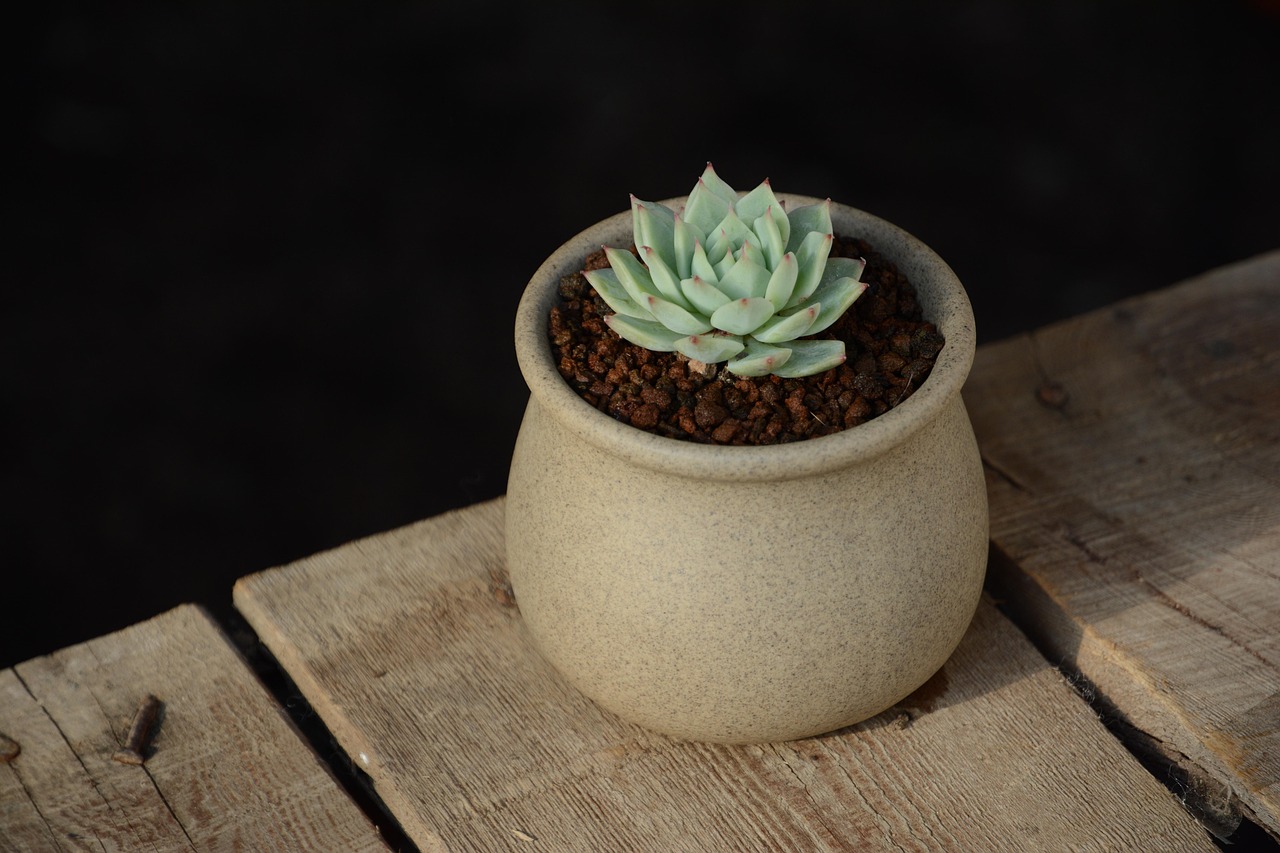
The foundation of a healthy Echeveria begins with its soil. Because these succulents are native to arid climates, they are highly susceptible to root rot if left in damp, heavy earth. To thrive, your Echeveria requires a medium that drains quickly and allows oxygen to reach the roots.
Always use a specialized cactus or succulent potting mix. These commercial blends are formulated with a higher ratio of inorganic materials, such as perlite, pumice, or coarse sand, which prevent the soil from compacting and retaining too much moisture. If you find a standard succulent mix still holds too much water, you can easily improve it by mixing in an additional handful of perlite.
Your choice of container is equally important. Regardless of the material, your pot must have functional drainage holes at the bottom. Without them, excess water will pool at the base of the roots, leading to irreversible decay. Terracotta pots are an excellent choice because the porous clay naturally wicks moisture away from the soil, providing a safer environment for your plant.
When it is time to repot your Echeveria, follow these steps to ensure the plant remains stress-free:
- Protect your hands: Wear gardening gloves to shield your skin from sharp debris or potential irritation.
- Use the right tools: Utilize a clean, sharp trowel to gently loosen the soil. Avoid forcing the plant out, as this can easily damage the delicate, brittle root system.
- Handle with care: Echeveria leaves are fragile and can bruise if handled too firmly. If the plant is large, use a strip of folded paper or a specialized tool to lift it by the base rather than the leaves.
- Wait to water: After repotting, wait about a week before watering. This allows any roots that were accidentally damaged during the process to callous over, significantly reducing the risk of fungal infection.
Temperature and Seasonal Maintenance
Echeverias thrive in moderate conditions, performing best when temperatures remain between 65 and 75 degrees Fahrenheit. Because these succulents are native to arid, warm regions, they are sensitive to extreme shifts in their environment. Consistency is the key to keeping your plant healthy and vibrant throughout the year.
To ensure your Echeveria remains stable, avoid placing the pot near sources of intense temperature fluctuation. Keep the plant away from the direct path of air conditioning vents, drafty windows during winter, and heating elements like radiators or space heaters. Sudden blasts of hot or cold air can stress the foliage and cause the plant to drop leaves prematurely.
As the seasons change, your care routine must adapt to the plant’s natural growth cycle. During the winter months, Echeverias enter a semi-dormant stage. Their growth slows significantly, and they require much less energy to survive. To keep your plant happy during this period, follow these practical maintenance tips:
- Reduce watering: Since the plant is not actively growing, it cannot process moisture as quickly. Water only when the soil is completely dry, and even then, provide just enough to prevent the leaves from shriveling.
- Prioritize light: Even in winter, these succulents need bright, indirect light. If you live in a region with short, dark days, consider moving the plant to the brightest window in your home.
- Monitor humidity: Ensure the plant is in a well-ventilated area. Stagnant, humid air combined with cool temperatures can lead to root rot or fungal issues.
- Avoid fertilizer: Do not feed your Echeveria during its dormant phase. Wait until the arrival of spring, when you see signs of new growth, to resume a regular fertilizing schedule.
By mimicking these natural seasonal shifts, you allow your Echeveria to rest properly. This dormancy is essential for the plant to store energy, ensuring it returns to a lush, robust growth phase once temperatures rise and daylight hours increase in the spring.

Common Questions and Troubleshooting
Even the most attentive gardeners occasionally run into issues with their Echeveria. Recognizing early warning signs is the best way to prevent long-term damage and keep your succulent thriving.
The most common problems usually stem from improper watering habits. Monitor your plant closely to distinguish between these two states:
- Overwatering: If the leaves feel soft, mushy, or translucent, the plant is likely taking in too much moisture. This can quickly lead to root rot. Stop watering immediately and ensure your soil is well-draining.
- Dehydration: If the leaves appear shriveled, wrinkled, or thin, the plant is thirsty. Give it a thorough soak, ensuring water drains completely from the pot.
Pests can also be a nuisance, particularly mealybugs, which look like small patches of white, cottony fluff. If you spot them, do not panic. Simply dip a cotton swab in 70% isopropyl (rubbing) alcohol and gently wipe the affected areas to remove the pests. Inspect the plant weekly to ensure they do not return.
If your Echeveria begins to look “leggy”—stretching out with large gaps between its leaves—it is likely reaching for more light. While you cannot shrink the existing stem, you can safely reset the plant’s growth pattern:
- Use a sharp, sterilized blade to behead the rosette, leaving about an inch of stem attached.
- Allow the cut end to callus over in a dry, shaded spot for two to three days.
- Place the cutting into fresh, dry succulent soil.
- Avoid watering for a week to allow roots to begin forming.
This process encourages the plant to produce a new, compact rosette, effectively restoring its aesthetic appeal. Always ensure your tools are wiped with alcohol before cutting to prevent the spread of bacteria. With consistent light and careful observation, your Echeveria will remain a healthy, vibrant centerpiece in your home garden.

Dedicated team of gardening enthusiasts with years of hands-on experience testing lawn mowers, gardening tools, and outdoor equipment. We help home gardeners and professionals alike make informed buying decisions with honest, thorough reviews. From push mowers to pruning shears, we test it all so you don’t have to. Got a gardening tool you’d like us to review? Get in touch!