
Learning how to care for air plants and succulents is simpler than you might think once you understand their unique biological needs. While both are popular, low-maintenance choices for indoor gardens, they require distinct approaches to light, water, and environment to truly thrive within your home rather than just surviving.
Many beginners assume these plants can be treated identically, but this often leads to common mistakes like overwatering or improper sun exposure. Succulents store water in their fleshy leaves and crave bright, direct light, whereas air plants absorb moisture through their foliage and prefer gentle, indirect light and consistent air circulation.
This guide provides the essential knowledge you need to master the specific care routines for both varieties. We will break down the ideal watering techniques, lighting requirements, and environmental tips to ensure your indoor greenery stays healthy. Follow these practical steps to create a flourishing, stress-free display of succulents and air plants.
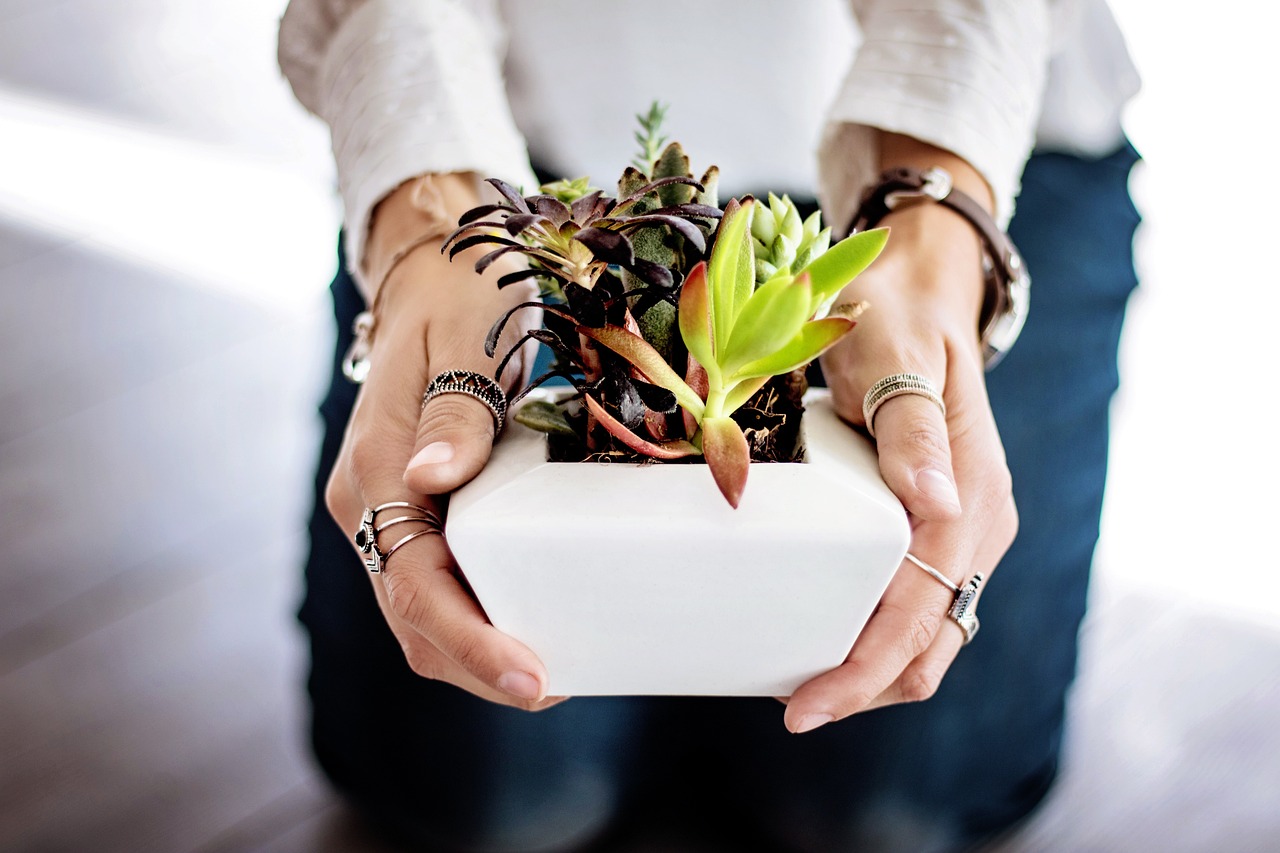
Understanding the Differences Between Air Plants and Succulents
While both air plants and succulents are popular choices for low-maintenance indoor greenery, they have distinct biological needs. Understanding how they naturally grow is the secret to keeping them thriving in your home.
Succulents are terrestrial plants, meaning they are designed to grow in soil. Their primary survival strategy is water storage. They feature thick, fleshy leaves or stems that act as reservoirs, allowing them to endure long periods of drought. Because they store their own moisture, they are highly susceptible to root rot if their soil remains damp for too long.
In contrast, air plants—scientifically known as Tillandsia—are epiphytes. In their natural habitat, they do not grow in the ground. Instead, they attach themselves to trees or rocks. They do not rely on a root system for hydration; instead, they have specialized scales on their leaves called trichomes that absorb moisture and nutrients directly from the air and rain.
To provide the best care, keep these fundamental differences in mind:
- Potting requirements: Succulents require well-draining soil and containers with drainage holes to prevent root rot. Air plants should never be planted in soil, as their roots are used only for anchoring and will rot if buried.
- Watering methods: Succulents need deep, infrequent watering at the soil level, allowing the medium to dry out completely between sessions. Air plants require regular misting or full-submersion baths, followed by thorough drying to prevent water from pooling in their centers.
- Nutrient intake: Succulents draw nutrients from their potting mix. Air plants require specialized bromeliad or air plant fertilizer applied via a light misting, as they cannot pull minerals from traditional dirt.
By treating succulents as soil-dwelling water storers and air plants as atmospheric moisture absorbers, you avoid the most common care mistakes. Tailoring your routine to these specific biological needs ensures your plants remain healthy, vibrant, and long-lasting additions to your home decor.
Essential Care Tips for Succulents
Succulents are popular for their striking shapes and low-maintenance nature, but they have specific requirements to thrive indoors. The most critical factor for success is preventing moisture buildup. Always plant your succulents in containers that feature drainage holes at the bottom; without them, water collects at the base, leading to root rot and eventual plant death.
When choosing your medium, avoid standard garden soil, which retains too much moisture. Instead, use a specialized cactus or succulent potting mix. These blends contain coarse materials like perlite, pumice, or sand, which ensure rapid drainage and proper aeration for the root system.
Proper hydration is a matter of patience. Rather than following a strict calendar schedule, adopt a “soak and dry” approach. Only water your plants when the soil is completely dry to the touch throughout the entire depth of the pot. If you are unsure, wait an extra few days; succulents are far more tolerant of drought than they are of overwatering.
Light and maintenance are equally important. Follow these guidelines to keep your plants healthy:
- Lighting: Position your succulents in a spot that receives bright, indirect sunlight. While they love light, harsh, direct midday sun can scorch their leaves.
- Pruning: Use clean, sharp garden shears to trim away dead or shriveled leaves. This keeps the plant tidy and prevents decay from spreading to healthy tissue.
- Protection: If you are handling varieties with sharp spines or needles, wear thick gardening gloves. This simple step prevents painful skin irritation and accidental scratches.
By mimicking the arid, well-ventilated conditions of their natural habitats, you can keep your succulents vibrant for years. Observe your plants closely; if the leaves look plump and firm, your care routine is working. If they appear mushy or translucent, reduce your watering frequency immediately to allow the soil to recover. With these simple adjustments, your indoor succulent collection will remain a beautiful, low-stress addition to your home.

Mastering Air Plant Maintenance
Unlike traditional houseplants, air plants (Tillandsia) are epiphytes, meaning they grow on other surfaces rather than in soil. Because they absorb moisture and nutrients directly through their leaves, they require a specific care routine to thrive indoors. Mastering this process is the secret to preventing dehydration or decay.
The most effective way to hydrate your air plants is through a weekly soak. Follow these steps to ensure your plants remain healthy:
- Submerge: Place your air plants in a bowl of room-temperature water. Ensure they are fully covered.
- Time it: Let them soak for 20 to 30 minutes. Avoid using distilled or softened water, as these lack the essential minerals the plants need.
- Shake: After removing them, gently shake the plants to dislodge excess water trapped between the leaves.
- Dry: Place the plants upside down on a clean towel in a well-ventilated area. They must dry completely within four hours.
The drying phase is the most critical step in air plant maintenance. If moisture remains trapped at the base of the leaves for too long, the plant will quickly succumb to rot. Never return a damp plant to a decorative container or a closed terrarium; wait until the foliage feels dry to the touch.
Beyond hydration, air circulation is vital. Air plants need a consistent flow of fresh air to process moisture and prevent fungal growth. Avoid placing them in stagnant, humid corners or directly in front of heating vents, which can cause them to dry out too rapidly. If your home has very low humidity, you may need to mist your plants lightly between weekly soaks, but always prioritize the deep-soaking method as your primary hydration source.
By observing your plant’s leaves, you can adjust your care. If the tips begin to curl or turn brown, increase the frequency of your soaks. If the base turns dark or mushy, your plant is likely suffering from overwatering or inadequate drying time.
Optimizing Light and Environment
Both air plants (Tillandsia) and succulents thrive when placed in bright, indirect light. While these plants are resilient, they are not designed for the intensity of harsh, direct midday sun, which can quickly scorch their leaves and cause permanent damage. Aim for a spot near a south or west-facing window where the light is filtered through a sheer curtain.
If you notice your succulents stretching or becoming “leggy,” they are likely searching for more light. Conversely, if your air plant’s leaves begin to turn pale or develop brown, crispy edges, it may be receiving too much direct exposure. Adjusting their placement by just a few feet can make a significant difference in their overall health and growth rate.
Safety is just as important as sunlight when arranging your indoor garden. If you choose to display your plants on high shelves or hanging mounts, you may need a ladder or step stool to reach them for regular watering and maintenance. Follow these safety practices to prevent accidents:
- Always place your ladder or step stool on a completely flat, stable, and level surface. Never attempt to balance equipment on rugs or uneven flooring.
- Ensure your workspace remains clean and dry. Spilled water or loose potting soil can create a significant slip hazard on hard floors.
- Keep your tools organized. Having a dedicated tray for your spray bottles and pruning shears prevents clutter and reduces the risk of tripping while you are focused on plant care.
- If a plant is located in a hard-to-reach area, consider bringing it down to a stable table for its hydration routine rather than attempting to water it while balancing precariously.
By maintaining a consistent environment and prioritizing a secure workspace, you create the ideal conditions for your plants to flourish. Proper placement not only protects your greenery from environmental stress but also ensures that your routine care remains a safe and enjoyable experience for you.

Troubleshooting Common Issues and Long-Term Care
Even the most diligent gardeners encounter setbacks. Learning to read your plant’s physical cues is the best way to ensure long-term health. Most issues stem from subtle imbalances in light, water, or airflow, but prompt intervention can often save a struggling specimen.
Watch for these common distress signals:
- Yellowing or translucent leaves: This is the classic sign of overwatering. If the foliage feels mushy or soft, your plant is likely sitting in too much moisture. Allow the soil or plant base to dry out completely before the next watering cycle.
- Shriveling or wrinkling: If the leaves look puckered or thin, your plant is likely dehydrated. For succulents, a deep soak is usually the remedy. For air plants, increase the duration of your weekly water bath.
- Leaf drop: Sudden shedding often points to a drastic change in environment, such as moving a plant from a dark corner into direct, scorching sun.
Pests can also compromise your collection. Mealybugs, which look like tiny white, cottony tufts, are the most frequent culprits. If you spot them, isolate the infested plant immediately to prevent the insects from spreading to your healthy greenery. Gently wipe the leaves with a cotton swab dipped in rubbing alcohol or treat the plant with a mild, insecticidal soap specifically formulated for houseplants.
Long-term care is about consistency rather than perfection. Air plants benefit from a monthly soak in diluted, low-nitrogen fertilizer, while succulents require a well-draining potting mix to prevent root rot. Remember that your home environment is unique; factors like humidity levels and seasonal light shifts play a major role in plant behavior.
If you have adjusted your watering schedule and light exposure but your plants continue to decline, do not get discouraged. Consider taking a clear photo of the plant and consulting a local nursery professional. They can provide tailored advice based on your specific climate and indoor conditions, helping you get your garden back on track.

Dedicated team of gardening enthusiasts with years of hands-on experience testing lawn mowers, gardening tools, and outdoor equipment. We help home gardeners and professionals alike make informed buying decisions with honest, thorough reviews. From push mowers to pruning shears, we test it all so you don’t have to. Got a gardening tool you’d like us to review? Get in touch!