
Staghorn ferns make stunning, sculptural additions to any indoor garden, but their unique growth habits can be intimidating for beginners. Learning how to care for a staghorn fern indoors requires understanding their epiphytic nature, as these plants naturally grow on trees rather than in traditional soil. Proper maintenance ensures they remain healthy and vibrant.
While these architectural plants look exotic, they are surprisingly manageable if you replicate their native tropical environment. Do not be discouraged by their unconventional appearance or the need for mounting; with the right balance of humidity and indirect light, they can flourish for years. Consistency is the true secret to long-term success.
This guide breaks down the essential requirements for light, water, and mounting to help your Platycerium thrive in a home environment. We will walk you through simple techniques for watering, choosing the perfect spot, and maintaining the ideal moisture levels. Follow these practical tips to master the art of indoor staghorn fern care today.
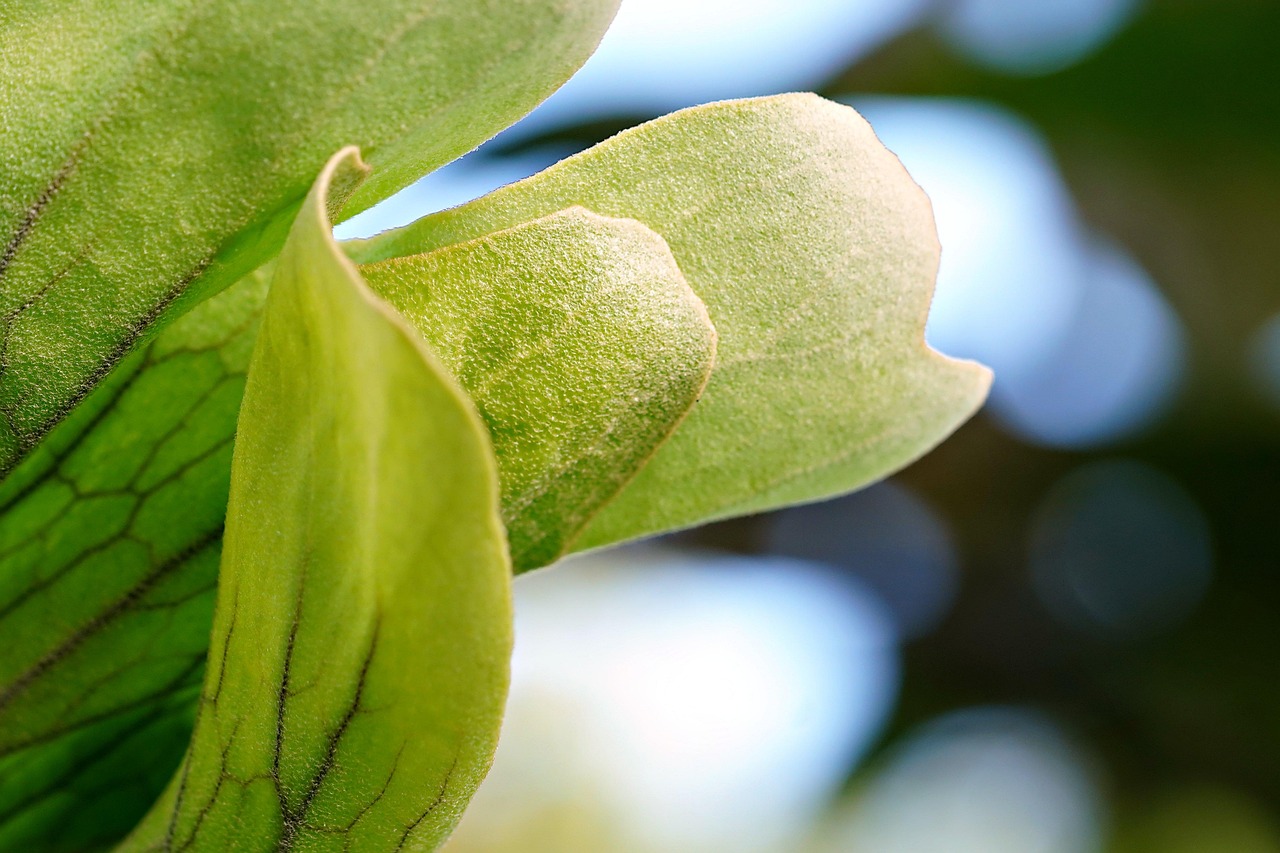
Understanding the Unique Needs of Staghorn Ferns
To successfully grow a staghorn fern (Platycerium) indoors, you must first understand that they are epiphytes, not traditional soil-dwelling plants. In their native tropical rainforests, they do not grow in the ground. Instead, they cling to the trunks and branches of trees, absorbing moisture and nutrients from the air, rain, and decaying organic matter that collects around them.
Because of this unique biology, staghorn ferns do not thrive in standard potting soil, which can cause their root systems to rot. When bringing them indoors, it is best to mount them on a wooden board with a bit of sphagnum moss or place them in a very loose, bark-heavy orchid mix. Mimicking their natural habitat is the secret to their longevity.
These fascinating plants produce two distinct types of fronds, each serving a specific purpose in the plant’s life cycle:
- Shield Fronds (Basal Fronds): These are the flat, round leaves at the base of the plant. They start green and eventually turn brown and papery. Do not remove these! They are designed to protect the roots and trap falling debris, which provides the plant with essential nutrients.
- Fertile Fronds (Antler Fronds): These are the dramatic, antler-shaped leaves that grow outward. They are responsible for photosynthesis and, when mature, will produce spores on their undersides for reproduction.
Your goal when caring for a staghorn fern is to replicate the humid, filtered-light environment of a forest canopy. They require bright, indirect light and consistent moisture, but they are highly sensitive to “wet feet.” In the wild, their root systems are constantly exposed to airflow, which prevents fungal issues. Indoors, ensure your mounting method allows for excellent drainage and air circulation.
By respecting their epiphytic nature and providing a substrate that mimics tree bark rather than dense soil, you can successfully cultivate these architectural beauties for years to come. Focus on high humidity and gentle watering, and your staghorn will reward you with steady, healthy growth.
Optimal Light and Temperature Requirements
Staghorn ferns (Platycerium) are epiphytes that naturally grow on tree trunks in tropical forests. To mimic this environment indoors, your primary goal is providing bright, indirect light. Place your fern near an east-facing window or a few feet away from a south- or west-facing window where the sun is filtered through a sheer curtain.
Direct sunlight is the most common cause of leaf burn, which manifests as brown, crispy patches on the fronds. Conversely, if your fern is placed in a dim corner, you will likely notice stunted growth and a lack of new frond development. If the plant appears to be stretching or leaning significantly, it is a clear sign that it needs more light.
Temperature stability is equally critical for long-term health. These ferns thrive in typical household temperatures, ideally between 60°F and 80°F (15°C to 27°C). Because they are tropical plants, they do not tolerate freezing temperatures or sudden, extreme fluctuations.
To keep your staghorn fern thriving, follow these environmental guidelines:
- Avoid drafts: Keep the plant away from drafty doorways, air conditioners, and uninsulated windows during winter months.
- Steer clear of vents: Never place your fern directly in the path of a heating vent or radiator, as the intense, dry airflow will rapidly dehydrate the fronds and cause them to curl or brown at the edges.
- Monitor seasonal changes: As indoor heating systems kick on in autumn, the air becomes significantly drier. You may need to move your plant to a more humid room, such as a bathroom, or increase misting to compensate for the change in ambient temperature and moisture.
By maintaining a consistent, warm, and well-lit environment, you allow the fern to focus its energy on producing its iconic, antler-like fronds. If you notice the plant struggling, evaluate its position first; often, simply moving the fern a few feet closer to or further from a light source is the most effective way to correct growth issues.

Watering Techniques for Epiphytic Ferns
Staghorn ferns are epiphytes, meaning they naturally grow on trees rather than in soil. Because they lack traditional root systems, their watering needs differ significantly from standard houseplants. Mastering the soak method is the most effective way to keep your fern hydrated and healthy.
If your fern is mounted on a wooden board or plaque, the soak method is essential for thorough hydration. Follow these steps to ensure your plant receives adequate moisture:
- Fill a basin or sink with room-temperature, filtered water.
- Submerge the root ball and the mounting medium completely.
- Allow the fern to soak for 10 to 15 minutes, ensuring the moss or coconut fiber is fully saturated.
- Lift the fern and hold it over the basin to allow all excess water to drip away.
Safety Note: If your staghorn fern is mounted high on a wall, do not attempt to reach it by standing on unstable furniture. Always use a sturdy, OSHA-compliant step stool or ladder. If the mount is too heavy or awkwardly positioned, consider using a spray bottle to mist the root ball thoroughly instead of risking a fall.
For ferns kept in containers, ensure you are using a well-draining, chunky orchid bark mix. Water these plants by running room-temperature water through the medium until it flows freely from the drainage holes. Never let the fern sit in a saucer of standing water.
Regardless of the mounting style, drainage is the most critical factor in preventing root rot. Staghorn ferns are highly susceptible to fungal issues if their roots remain waterlogged. Before rehanging your fern or returning it to its display spot, ensure it has stopped dripping entirely. If the medium feels soggy or heavy after an hour, gently pat the exterior with a towel to wick away excess moisture. By maintaining this balance of deep hydration and quick drainage, you will mimic the fern’s natural environment and encourage lush, healthy fronds.
Mounting and Maintenance Safety
Mounting your staghorn fern on a wooden plaque mimics its natural epiphytic habitat, allowing the fronds to drape beautifully while ensuring proper airflow. Before you begin, select a rot-resistant wood like cedar or redwood. Ensure your plaque is large enough to accommodate the fern’s root ball and future growth.
Working with woodworking tools requires strict adherence to safety protocols to prevent accidents. Whether you are cutting the board to size or drilling pilot holes for mounting hardware, always prioritize your physical protection:
- Wear safety goggles: Protect your eyes from wood splinters and flying debris whenever you use a saw or power drill.
- Use heavy-duty gloves: Wear cut-resistant gloves to protect your hands while handling rough timber or sharp cutting tools.
- Secure your workpiece: Never hold the wood with your hand while drilling or sawing. Use a C-clamp or a bench vise to lock the plaque firmly to a stable surface.
- Maintain a clear workspace: Keep your area free of cords and clutter to prevent tripping while operating power equipment.
To mount the fern, place a layer of damp sphagnum moss on the plaque and nestle the fern’s root ball into the center. Use fishing line or coated wire to secure the root ball to the board, wrapping it firmly in a crisscross pattern until the plant feels stable. If you need to drill holes into the plaque to anchor your wire, ensure the drill bit is sized correctly for your hardware to prevent the wood from splitting.
Once mounted, gently tuck any loose moss around the edges to retain moisture. Always unplug power tools immediately after use and store sharp blades in a locked container or sheath. By taking these precautions, you ensure that your DIY project remains a safe and rewarding experience. Once finished, hang your plaque in a spot with bright, indirect light, and remember that the wood will need to be soaked occasionally to keep the moss hydrated.

Troubleshooting Common Issues and Ongoing Care
Staghorn ferns are resilient, but they often signal distress through their fronds. If you notice yellowing leaves, the most common culprit is overwatering. These epiphytes prefer their growing medium to dry out slightly between waterings. If the shield fronds—the flat, rounded leaves at the base—turn brown and brittle, your plant likely needs a higher humidity level or a more consistent soak.
Pests can occasionally settle into the nooks of the fronds. Scale insects and mealybugs are the primary offenders, appearing as small, waxy bumps or white, cottony patches. If you spot these, gently wipe the affected areas with a soft cloth dipped in diluted neem oil or mild insecticidal soap. Avoid harsh chemicals, as the delicate fronds are sensitive to concentrated treatments.
If your fern shows signs of severe distress, such as rapid blackening of the core or a foul odor, it may be suffering from crown rot. At this stage, the plant is often beyond simple home remedies. Take a clear photo and consult a local nursery professional. They can help determine if the plant can be salvaged or if the root system has succumbed to fungal pathogens.
To keep your staghorn fern thriving year-round, follow this seasonal maintenance checklist:
- Spring: Gently flush the root ball with fresh water to remove accumulated mineral salts from fertilizers.
- Summer: Increase misting frequency if indoor temperatures rise and humidity levels drop due to air conditioning.
- Autumn: Reduce watering frequency as growth slows and light levels decrease.
- Winter: Move the plant away from cold drafts or heating vents, which can cause rapid desiccation.
Consistency is key. By observing your fern’s reaction to its environment and adjusting your care routine based on these seasonal shifts, you will encourage steady, healthy growth. Remember that these plants are slow growers; patience is just as important as proper hydration and light management.

Dedicated team of gardening enthusiasts with years of hands-on experience testing lawn mowers, gardening tools, and outdoor equipment. We help home gardeners and professionals alike make informed buying decisions with honest, thorough reviews. From push mowers to pruning shears, we test it all so you don’t have to. Got a gardening tool you’d like us to review? Get in touch!