
Learning how to care for a maidenhair fern is essential for keeping these delicate plants lush and vibrant. While they are prized for their feathery, elegant fronds, they are notoriously finicky and require specific conditions to survive indoors. Understanding their unique needs is the first step toward successfully growing them in your home.
Before bringing one home, it is important to set realistic expectations regarding their maintenance. These ferns thrive on consistency and will quickly protest if their environment fluctuates too much. They are not low-maintenance houseplants, but with a bit of patience and the right setup, you can create a thriving, beautiful indoor display.
This comprehensive guide provides actionable advice on creating the perfect environment to help your fern thrive. We will cover everything from ideal humidity levels and watering techniques to choosing the right potting mix. Follow these practical tips to master maidenhair fern care and ensure your plant remains healthy, hydrated, and stunning for years.
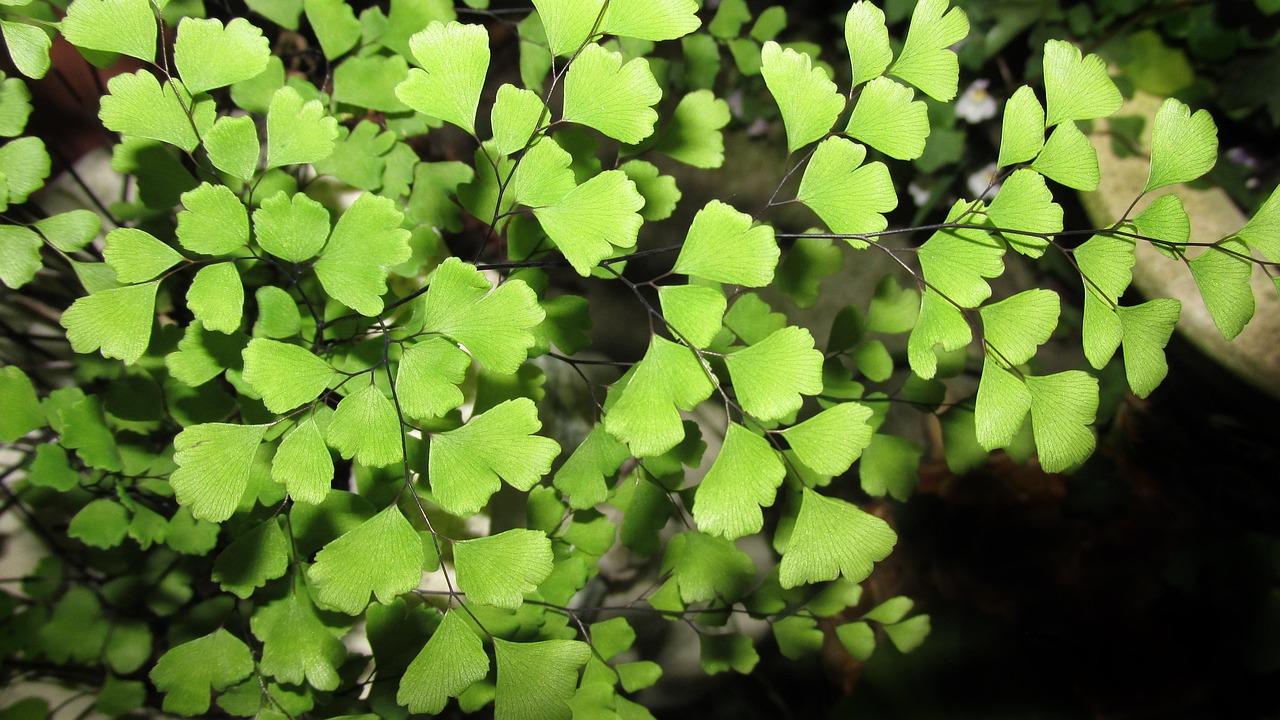
Understanding the Ideal Environment
Maidenhair ferns (Adiantum) are notoriously sensitive to their surroundings. Unlike many hardy houseplants, they originate from humid, shaded forest floors. To keep your fern from developing brown, crispy fronds, you must replicate this moisture-rich environment within your home.
The most effective way to care for a maidenhair fern is to place it in a room with naturally high ambient humidity. Bathrooms and kitchens are ideal locations. The steam from daily showers or boiling water provides the consistent moisture these delicate plants crave. If your home is particularly dry, especially during winter when heaters are running, you may need to take extra steps to prevent dehydration.
You can create a localized humid microclimate using a simple pebble tray. Follow these steps to set one up:
- Fill a shallow tray or saucer with a layer of decorative pebbles or gravel.
- Add water to the tray until it reaches just below the top of the stones.
- Place your fern’s pot on top of the pebbles, ensuring the bottom of the pot sits above the water line.
- As the water evaporates, it creates a pocket of humidity directly around the foliage.
Avoid placing your fern near heating vents, drafty windows, or air conditioning units. These sources of dry, moving air will cause the fronds to dry out rapidly, regardless of how often you water the soil. While humidity is essential, ensure the area has good air circulation to prevent fungal issues, but keep the airflow gentle.
Consistency is the secret to success. Maidenhair ferns do not tolerate fluctuations well. If you notice the edges of the leaves turning brown, it is a clear indicator that the humidity levels are too low. By maintaining a stable, moist atmosphere, you provide the foundational support your fern needs to remain lush and vibrant. Monitor the soil moisture daily; the potting mix should remain consistently damp to the touch, but never waterlogged, to complement the high-humidity environment you have established.
Light and Temperature Requirements
Maidenhair ferns (Adiantum) are notoriously particular about their environment, but understanding their light and temperature preferences is the key to preventing crispy, brown fronds. These plants thrive in bright, indirect light. Think of the dappled light found on a forest floor; this provides enough energy for growth without overwhelming the delicate, lace-like foliage.
Avoid placing your fern in direct sunlight. Even a few hours of intense afternoon sun can quickly scorch the leaves, causing them to turn yellow or brown and eventually wither. If you notice the foliage fading or becoming sparse, your plant likely needs more ambient light. Conversely, if the fronds appear burnt, move the plant further away from the window or use a sheer curtain to filter the incoming rays.
Temperature stability is just as critical as light quality. Maidenhair ferns prefer consistent, moderate temperatures, ideally between 60 and 75 degrees Fahrenheit. Because they are native to humid, sheltered environments, they are highly sensitive to sudden fluctuations.
To keep your fern healthy, follow these placement guidelines:
- Avoid drafts: Keep the plant away from drafty windows or doors where cold air can shock the foliage.
- Mind the vents: Do not place your fern directly in the path of air conditioning vents or heating ducts. These artificial air currents dry out the fronds rapidly, leading to leaf drop.
- Stable zones: Choose a spot that maintains a steady temperature throughout the day and night. Avoid areas near fireplaces, radiators, or space heaters, as the dry, hot air will cause the delicate stems to curl and die.
If you find that your home environment is naturally prone to temperature swings, try placing your fern in a bathroom or kitchen. These rooms often provide the stable, slightly warmer, and more humid conditions that maidenhair ferns require to flourish. By mimicking their natural, sheltered habitat, you will ensure the plant remains lush and vibrant year-round.
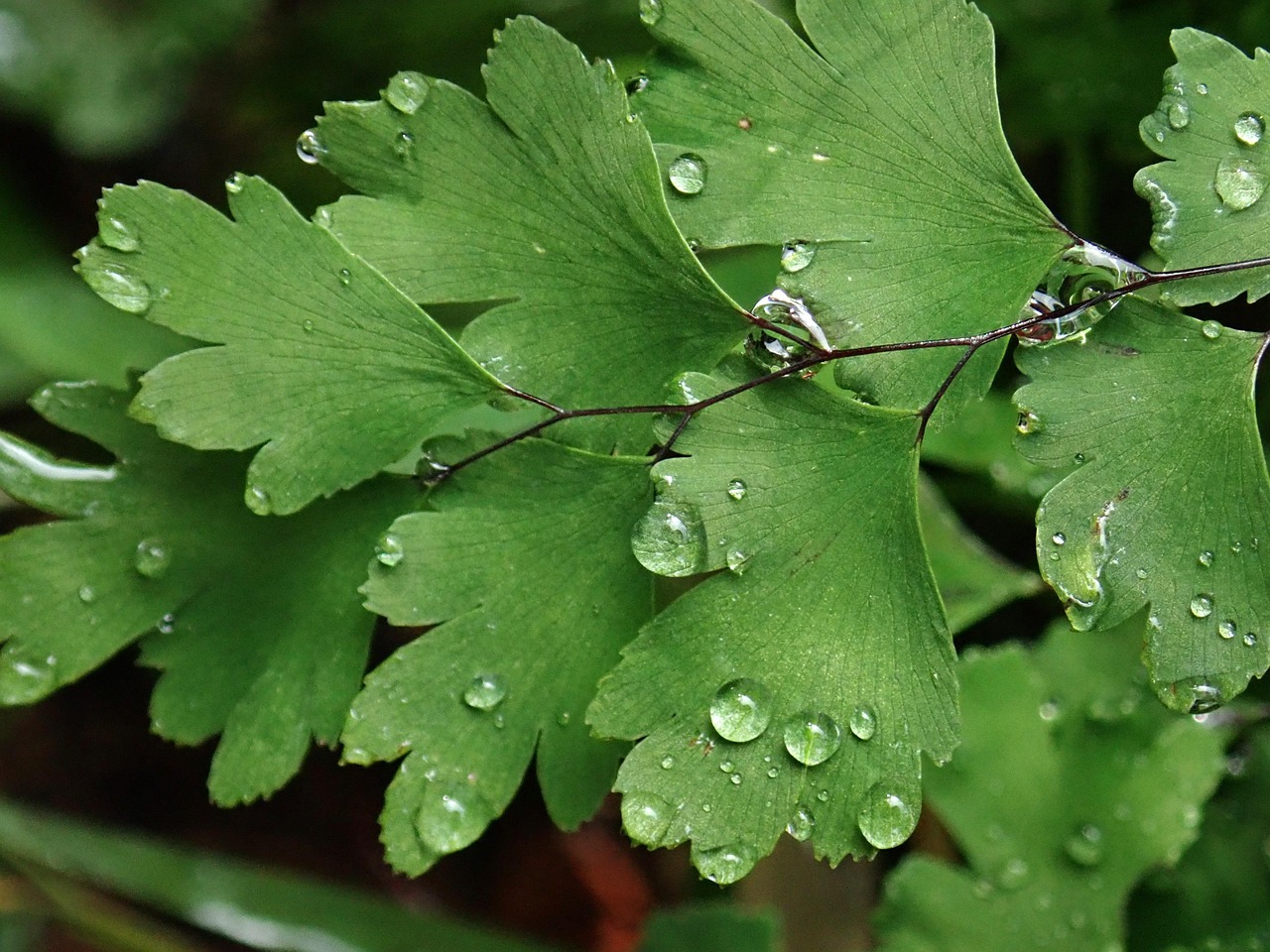
Watering and Soil Needs
Maidenhair ferns are notoriously thirsty plants that demand consistent moisture. Their delicate, paper-thin fronds act as a barometer for your care; if the soil dries out completely, the plant will quickly crisp up and shed its leaves. Your primary goal is to keep the potting medium evenly damp, but never waterlogged.
To maintain this balance, check the moisture level by pressing your finger into the soil. If the top inch feels slightly dry to the touch, it is time to water. Consistency is key, so try to establish a routine rather than waiting for the plant to show signs of distress.
When selecting a potting medium, avoid standard heavy garden soil, which can compact and suffocate the roots. Instead, use a well-draining, peat-based mix. Peat moss is excellent for these ferns because it retains essential moisture while still allowing for necessary aeration.
Water quality also plays a significant role in the long-term health of your fern. Follow these best practices for optimal hydration:
- Use room-temperature water: Cold water can shock the root system, potentially causing frond drop.
- Filter your water: If your tap water is heavily chlorinated or contains high levels of fluoride, use filtered or distilled water. Maidenhair ferns are sensitive to these chemicals, which often cause the delicate tips of the fronds to turn brown.
- Water from the base: Pour water directly onto the soil surface or allow the plant to soak from the bottom to ensure the root ball is thoroughly hydrated without saturating the fragile stems.
If you accidentally let the soil dry out, do not panic. Submerge the entire pot in a basin of room-temperature water for about 15 minutes. This “bottom-up” soak allows the peat-based mix to rehydrate fully. Once the excess water has drained away, return your fern to its usual spot. With a steady supply of moisture and the right soil composition, your maidenhair fern will maintain its lush, vibrant appearance throughout the growing season.
Pruning and Maintenance Safety
Maintaining a lush maidenhair fern requires consistent attention to its delicate structure. Because these plants are prone to browning if humidity levels drop or water schedules are inconsistent, regular grooming is essential for both aesthetic appeal and overall plant health. Removing damaged foliage allows the fern to redirect its energy toward producing vibrant, new growth.
When you notice fronds that have turned brown, crisp, or yellow, it is time to prune. Use clean, sharp pruning shears or small scissors to make precise cuts at the base of the stem, near the soil line. Avoid tearing the delicate fronds by hand, as this can damage the crown of the plant and open wounds that invite decay.
To ensure your fern remains disease-free, follow these essential maintenance safety steps:
- Sanitize your tools: Always wipe your shear blades with rubbing alcohol before and after pruning. This simple step prevents the transmission of fungal spores or bacteria from other houseplants to your sensitive fern.
- Handle with care: Maidenhair fern fronds are notoriously fragile. Support the base of the plant with one hand while trimming with the other to prevent accidental snapping of healthy stems.
- Protect your skin: While these ferns are generally non-toxic, some individuals experience mild skin irritation when handling plant sap or the fine hairs on the stems. If you have sensitive skin, wear a pair of lightweight gardening gloves during your maintenance sessions.
After pruning, inspect the soil surface for any fallen debris. Removing dead foliage from the pot prevents mold growth and keeps the environment clean. If you find that you are pruning away a significant portion of the plant, check your environmental conditions. Frequent browning often indicates that the fern needs higher humidity, a more consistent watering schedule, or protection from direct, harsh sunlight. With gentle handling and clean tools, your maidenhair fern will recover quickly and continue to produce its signature, airy foliage.
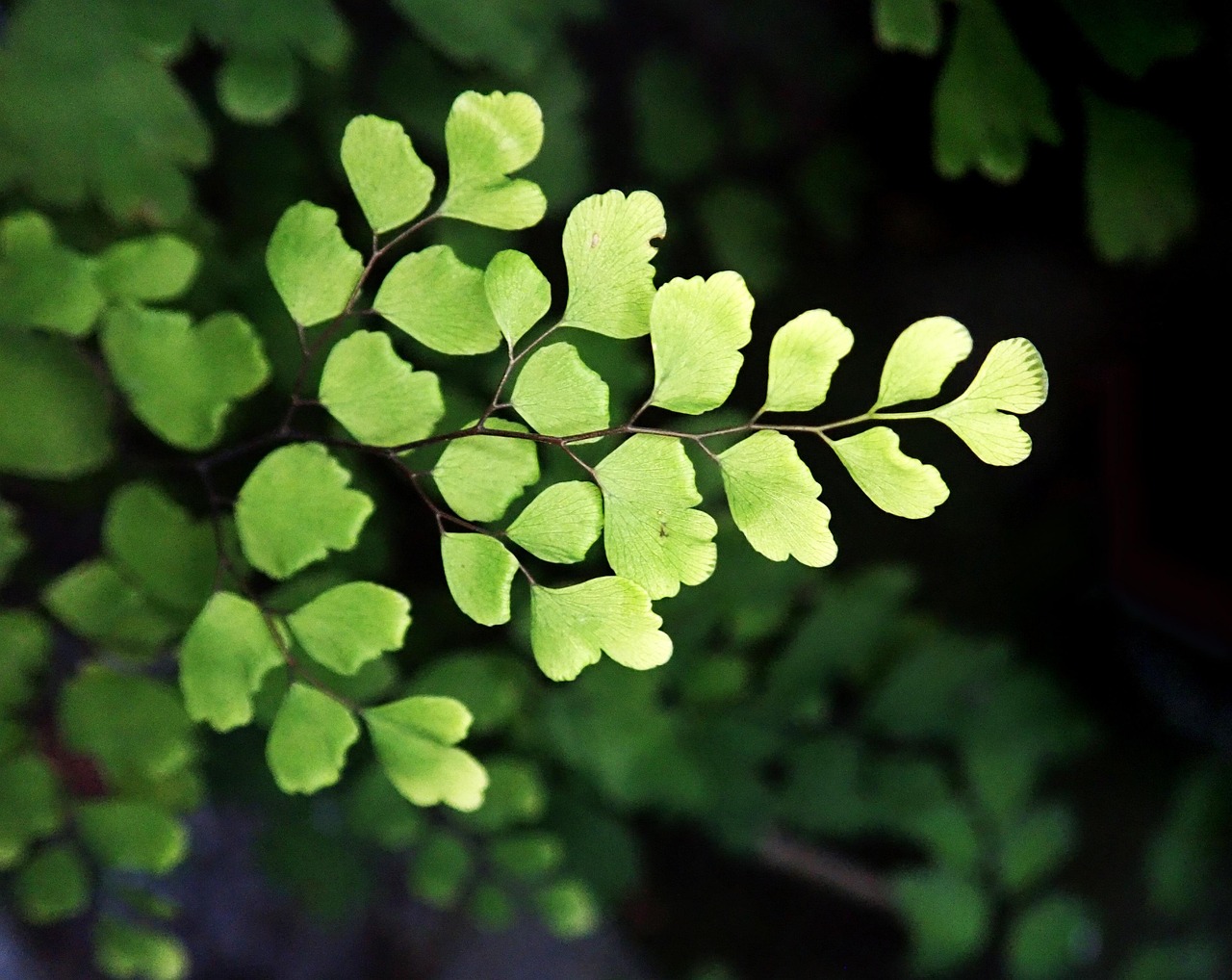
Troubleshooting and Long-Term Care
Maidenhair ferns are notoriously sensitive to their environment. If you notice your plant suddenly dropping leaves, it is almost always a signal that your fern is thirsty or suffering from low humidity. These plants thrive in high-moisture settings, so check the soil immediately. If the top inch feels dry, water it thoroughly until moisture runs through the drainage holes. To boost humidity, consider placing the pot on a pebble tray filled with water or grouping it with other moisture-loving houseplants.
If your fern begins to look thin, straggly, or sparse, do not be afraid to prune it. Cutting the fronds back to the base is a safe and effective way to reset the plant. This practice encourages the rhizomes to push out fresh, dense, and vibrant new growth. Use clean, sharp shears to trim away any brown or yellowed stems, as these will not recover and only drain the plant’s energy.
Pests can occasionally find their way onto your fern, with scale and aphids being the most common culprits. If you spot these intruders, follow these steps to protect your plant:
- Isolate: Move the affected fern away from your other houseplants immediately to prevent the infestation from spreading.
- Treat: Apply a gentle insecticidal soap directly to the affected areas.
- Safety First: Always follow the manufacturer’s label instructions regarding personal protective equipment (PPE), such as gloves, and ensure you are working in a well-ventilated area.
Long-term care for a maidenhair fern is a balancing act. Once you find a spot in your home that provides consistent, bright, indirect light and maintains steady humidity, try to avoid moving the plant. These ferns prefer stability and will reward your consistency with lush, delicate foliage. If you keep the soil consistently moist—but never waterlogged—and monitor for early signs of stress, your fern can remain a beautiful, long-lived feature in your indoor garden for many years.

Dedicated team of gardening enthusiasts with years of hands-on experience testing lawn mowers, gardening tools, and outdoor equipment. We help home gardeners and professionals alike make informed buying decisions with honest, thorough reviews. From push mowers to pruning shears, we test it all so you don’t have to. Got a gardening tool you’d like us to review? Get in touch!