
Learning how to care for a kalanchoe plant is simple because these popular, low-maintenance succulents thrive with minimal intervention. These hardy plants are widely recognized for their vibrant, long-lasting blooms and thick, fleshy leaves that store water efficiently. By following a few basic guidelines, you can easily keep your indoor kalanchoe healthy and flourishing.
While kalanchoes are incredibly resilient, they do require specific conditions to produce those signature colorful flowers repeatedly. Understanding that they are desert-native succulents helps set realistic expectations for their environment. You do not need a green thumb to succeed, but you must provide the right balance of bright light and proper soil drainage.
This guide provides actionable steps to help your plant thrive indoors throughout every season. We will cover all the essential light, water, and maintenance needs required to keep your kalanchoe happy year-round. Read on to master the practical care techniques that ensure your succulent remains a stunning, vibrant centerpiece in your home for years.
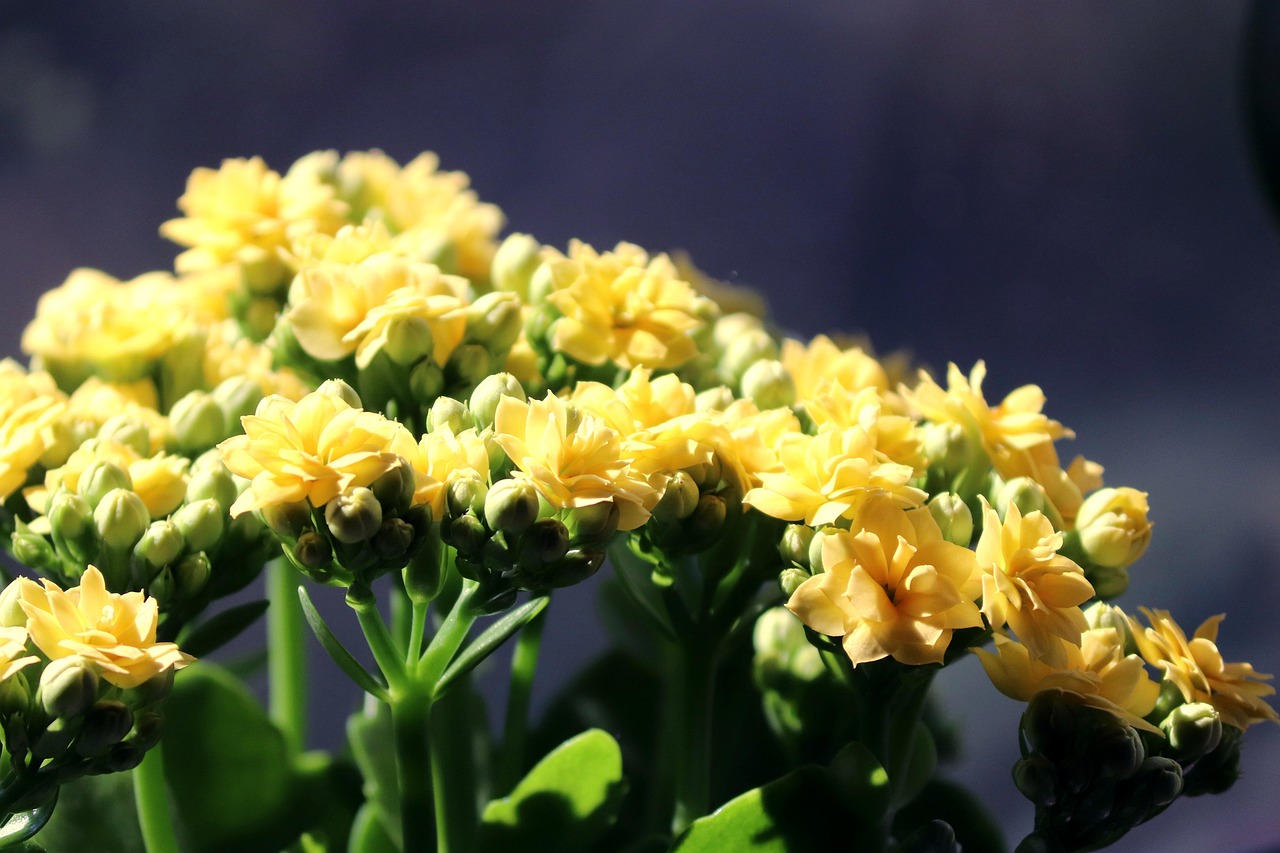
Optimal Light and Temperature Requirements
Kalanchoes are succulent plants that rely on specific light conditions to maintain their health and encourage blooming. To help your plant thrive, place it in a spot that receives bright, indirect sunlight. A south or west-facing window is generally the best location, as these areas provide the intensity the plant craves without the risk of leaf scorch.
While Kalanchoes enjoy light, direct midday sun can be too harsh, especially during the summer months. If you notice the edges of the leaves turning brown or appearing bleached, move the plant slightly further away from the window or use a sheer curtain to filter the light.
Temperature management is equally important for long-term vitality. These plants prefer a stable environment that mimics their native tropical habitats. Follow these guidelines to ensure your Kalanchoe remains comfortable:
- Ideal range: Keep indoor temperatures between 60°F and 75°F (15°C to 24°C).
- Avoid extremes: Temperatures consistently below 50°F can damage the foliage and stunt growth.
- Strategic placement: Position your plant away from cold drafts, exterior doors, or drafty windows during the winter.
- Climate control: Keep the pot at least a few feet away from heating vents, radiators, or air conditioning units. Direct airflow from these appliances can dehydrate the leaves rapidly and cause unnecessary stress.
Consistency is the key to a healthy Kalanchoe. Because these plants are sensitive to sudden changes in their environment, try to find a permanent spot where they can settle in. If you must move the plant seasonally, do so gradually to allow it to acclimate to the new light levels and temperature fluctuations. By providing a stable, bright environment, you create the perfect conditions for your Kalanchoe to develop vibrant, long-lasting flowers and thick, succulent leaves throughout the year.
Watering Habits for Succulent Health
The most critical aspect of maintaining a healthy kalanchoe is mastering your watering schedule. As succulents, these plants are highly susceptible to root rot if left in consistently damp soil. Overwatering is the leading cause of decline for indoor kalanchoes, so it is better to err on the side of caution.
Before adding more water, always check the moisture level of the potting medium. Insert your finger into the soil to a depth of two inches. If you feel any dampness, wait a few more days. Only when the top two inches of soil have dried out completely should you provide a thorough drink.
When it is time to water, follow these best practices to ensure long-term plant health:
- Use drainage holes: Never keep your kalanchoe in a decorative pot that lacks drainage. Excess water must be able to escape freely from the bottom to prevent the roots from sitting in stagnant moisture.
- Empty the saucer: If you use a saucer under your pot, discard any water that collects there within 15 minutes of watering. Never let the plant sit in a pool of runoff.
- Direct the flow: Aim your watering can at the soil surface rather than pouring water over the foliage. Wet leaves can trap moisture and lead to fungal issues or powdery mildew.
Routine maintenance often involves trimming away spent blooms or yellowing leaves to encourage new growth. If you are using sharp pruning shears for this task, ensure your blades are clean and sanitized with rubbing alcohol to prevent the spread of bacteria. Always handle your tools with care to avoid accidental injury to yourself or damage to the plant’s main stems. By keeping the plant tidy and ensuring the soil dries out between sessions, you create the ideal environment for your kalanchoe to thrive year-round.

Soil and Fertilization Needs
Choosing the right soil is the most critical step in preventing root rot, which is the most common killer of Kalanchoe plants. Because these are succulents, they require a medium that drains quickly and allows oxygen to reach the roots. Avoid standard garden soil or heavy potting mixes that retain too much moisture, as these will cause the stems to become mushy and the leaves to drop.
For the best results, use a high-quality potting mix specifically formulated for cacti and succulents. These blends typically contain perlite, pumice, or sand, which provide the necessary aeration. If you cannot find a pre-mixed succulent blend, you can create your own by combining two parts standard indoor potting soil with one part perlite or coarse sand.
Proper fertilization supports healthy foliage and vibrant blooms, but it must be applied strategically to match the plant’s growth cycle. Follow these guidelines to keep your Kalanchoe thriving:
- Active Growth Phase: During the spring and summer, apply a balanced, water-soluble fertilizer (such as a 10-10-10 formula).
- Dilution is Key: Always dilute the fertilizer to half-strength to avoid “burning” the sensitive root system.
- Frequency: Feed your plant once a month during the growing season.
- Winter Dormancy: Stop fertilizing entirely from late autumn through winter. During these months, the plant enters a natural resting phase and does not require extra nutrients.
When applying fertilizer, ensure the soil is slightly damp before pouring the solution. This prevents the concentrated nutrients from shocking the dry roots. If you notice salt crusts forming on the surface of the soil, flush the pot with clear, room-temperature water to wash away excess mineral buildup. By maintaining this seasonal rhythm, you provide your Kalanchoe with exactly what it needs to grow strong without risking chemical damage or root decay.
Encouraging Reblooming and Pruning
Kalanchoes are photoperiodic plants, meaning their flowering cycle is triggered by the length of daylight they receive. While these succulents often bloom readily in a nursery environment, getting them to flower again at home requires mimicking the natural transition of seasons.
To encourage a new flush of vibrant blooms, you must provide your plant with a period of strictly controlled light. Starting in autumn, follow this process for six weeks:
- Provide 14 hours of total, uninterrupted darkness every night. Place the plant in a dark closet or cover it with a box to ensure no ambient light reaches it.
- During the remaining 10 hours of the day, place the plant in a bright, sunny window to build up energy.
- Avoid any exposure to artificial light during the “dark” hours, as even a small amount can reset the plant’s internal clock and prevent bud formation.
Once you see flower buds beginning to form, you can return the plant to its regular light schedule. Maintaining consistent care during this phase is essential for a successful display.
Pruning is equally important for both aesthetics and plant health. As the flowers begin to fade, use clean, sharp garden scissors to deadhead the spent blooms. Snip the flower stalks off just above the first set of healthy leaves below the blossom cluster.
Regular deadheading serves two practical purposes:
- It prevents the plant from wasting energy on seed production, redirecting that vitality toward new foliage and future flower development.
- It keeps the plant looking tidy and prevents the accumulation of decaying plant matter, which can harbor pests or fungal issues.
Always ensure your scissors are sterilized with rubbing alcohol before pruning to prevent the spread of disease. If the plant becomes “leggy” or stretched out, you can also trim back overgrown stems to encourage a bushier, more compact growth habit. With this balance of light management and careful pruning, your kalanchoe will remain a healthy, long-lasting addition to your indoor garden.

Common Questions and Troubleshooting
Even with the best care, you may occasionally run into issues with your Kalanchoe. Most problems are easy to fix once you identify the cause. Here is how to troubleshoot the most common concerns:
- Yellowing leaves: This is almost always a sign of overwatering or poor drainage. Ensure your pot has drainage holes and allow the top two inches of soil to dry out completely before watering again.
- Leggy growth: If your plant looks stretched out, thin, or sparse, it is likely reaching for more light. Move it to a spot that receives bright, indirect sunlight for several hours a day.
- Pest issues: If you spot aphids or mealybugs, act quickly. Wipe them away with a damp cloth or a cotton swab dipped in rubbing alcohol. For persistent infestations, consult your local nursery for organic insecticidal soaps rather than using harsh synthetic chemicals.
While Kalanchoes are resilient and relatively low-maintenance, they do require a bit of caution regarding safety. It is important to remember that these plants are toxic if ingested. If you have curious cats, dogs, or small children in your home, place your Kalanchoe on a high shelf or in a room that is inaccessible to them.
When in doubt, observe your plant’s response to changes in its environment. Kalanchoes are communicative; if the foliage begins to wilt or discolor, it is usually asking for a simple adjustment in light or water. By monitoring these subtle shifts, you can keep your plant thriving throughout the year.
If you find that your plant is not blooming, remember that Kalanchoes are photoperiodic. They require several weeks of short days—about 14 hours of darkness—to trigger their next cycle of flowers. Simply moving the plant to a dark room or covering it with a box in the evening can encourage new buds to form. With consistent care and a little patience, your Kalanchoe will remain a healthy, vibrant addition to your home garden.

Dedicated team of gardening enthusiasts with years of hands-on experience testing lawn mowers, gardening tools, and outdoor equipment. We help home gardeners and professionals alike make informed buying decisions with honest, thorough reviews. From push mowers to pruning shears, we test it all so you don’t have to. Got a gardening tool you’d like us to review? Get in touch!