
To care for a Kalanchoe plant indoors, provide plenty of bright, indirect sunlight and allow the soil to dry out completely between waterings. These popular succulents are cherished for their vibrant, long-lasting flower clusters and resilient, low-maintenance nature, making them an ideal choice for both beginner and experienced indoor gardeners looking to brighten their living spaces.
While these plants are relatively hardy, they do require specific conditions to thrive and repeat their blooming cycle. Understanding their natural succulent habits is essential for long-term success. By mimicking their native environment, you can easily prevent common issues like root rot while ensuring your plant remains a healthy, colorful focal point all year long.
This comprehensive guide covers everything you need to know to maintain your plant’s health. We will explore the essential light, water, and soil requirements necessary to keep your Kalanchoe happy. Follow these practical tips to master your indoor gardening routine and enjoy consistent, beautiful blooms throughout every season of the year with minimal effort.
Ideal Light and Temperature Conditions
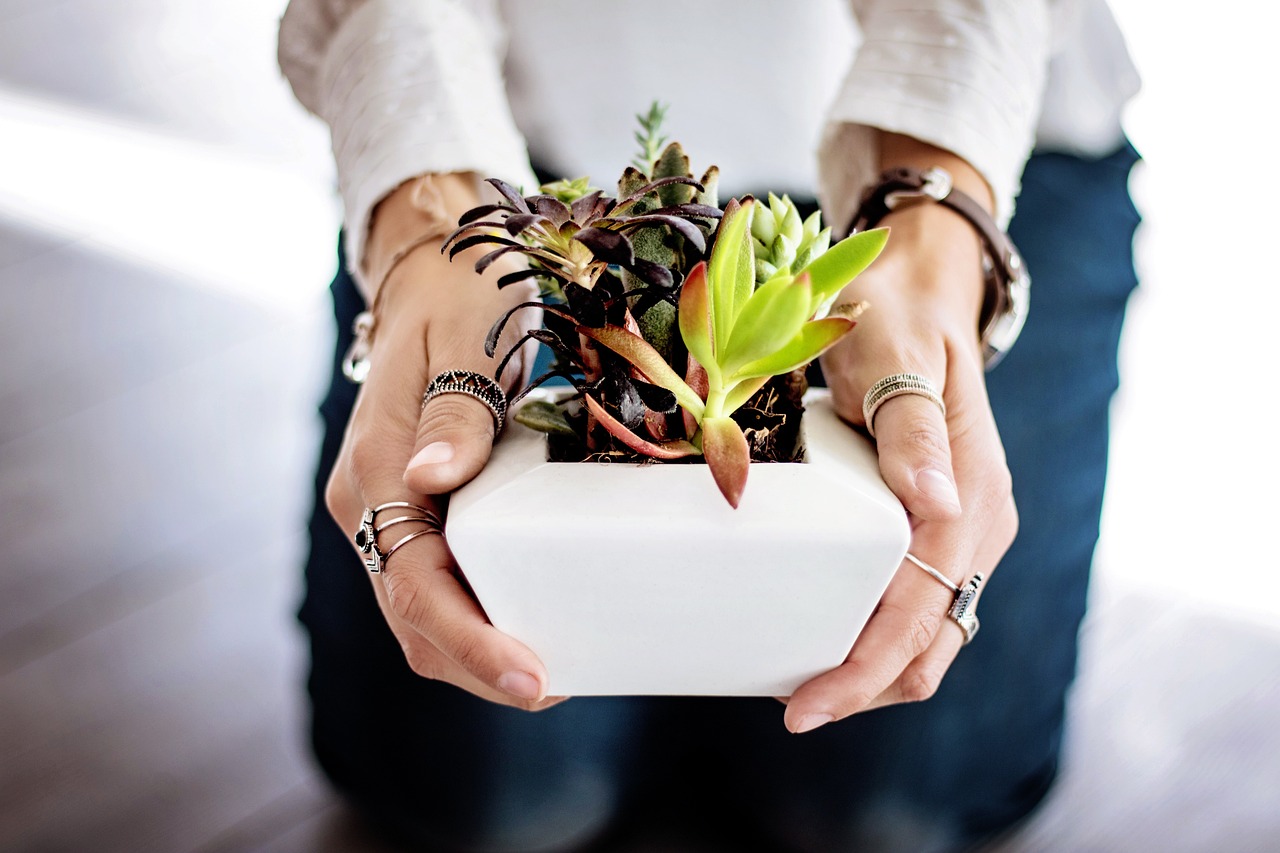
Kalanchoes are sun-loving succulents that require specific light conditions to maintain their vibrant foliage and encourage blooming. To help your plant thrive, place it in a spot that receives bright, indirect sunlight. A south or west-facing windowsill is usually the ideal location, as these areas provide the intensity the plant craves without the risk of harsh, direct rays scorching the leaves.
If your home lacks natural light, you can supplement with a grow light, but avoid placing the plant in deep shade, which often causes it to become “leggy” or stretched as it reaches for a light source. If you notice the leaves beginning to pale or the stems growing thin and weak, move the plant to a brighter location immediately.
Temperature management is equally vital for long-term health. Kalanchoes are happiest in standard indoor environments, preferring temperatures between 60 and 75 degrees Fahrenheit (15 to 24 degrees Celsius). While they are quite adaptable, they are sensitive to sudden fluctuations in their environment.
To keep your kalanchoe comfortable, follow these placement guidelines:
- Avoid drafts: Keep the plant away from drafty windows, exterior doors, or air conditioning vents, as cold air can damage the succulent leaves.
- Watch the heat: Do not place your kalanchoe near radiators, space heaters, or heating vents. Excessive dry heat can dehydrate the plant rapidly and cause the soil to dry out faster than the roots can handle.
- Monitor seasonal changes: During the winter months, ensure the plant is not touching a cold windowpane, as the freezing glass can cause localized cold damage to the foliage.
By mimicking their native, temperate climate, you provide the stability necessary for your kalanchoe to remain compact and healthy throughout the year. Consistent light and steady temperatures are the foundation of a successful indoor gardening experience with this resilient species.
Watering and Soil Requirements
Kalanchoes are resilient succulents that store moisture within their thick, fleshy leaves. Because of this adaptation, they are highly sensitive to overwatering. Providing too much hydration—or leaving the roots sitting in wet soil—is the most common cause of root rot and plant decline.
To keep your Kalanchoe healthy, follow the “soak and dry” method. Before adding more water, check the moisture level by inserting your finger into the soil. You should allow the top two inches of the potting mix to dry out completely. If the soil still feels damp, wait a few more days before watering again.
When you do water, ensure it reaches the entire root system, but never let the plant sit in a saucer of standing water. Always empty the saucer after a few minutes to prevent the roots from suffocating.
Proper soil composition is just as important as your watering schedule. These plants require a medium that promotes airflow and prevents moisture retention. Follow these guidelines for the best results:
- Use specialized soil: Use a commercial potting mix specifically formulated for cacti or succulents. These blends contain coarse materials like perlite, pumice, or sand, which improve drainage.
- Prioritize drainage holes: Never plant a Kalanchoe in a container without drainage holes. If your decorative pot lacks holes, keep the plant in its plastic nursery liner and place that inside the decorative container.
- Avoid heavy potting soil: Standard indoor potting mixes often hold too much water and stay wet for extended periods, which can lead to fungal issues and root decay.
During the winter months, your Kalanchoe will enter a period of slower growth. You should significantly reduce your watering frequency during this time, as the plant needs much less moisture when it is not actively growing. By maintaining a balance of fast-draining soil and careful hydration, you can ensure your Kalanchoe remains vibrant and healthy year-round.
Pruning and Maintenance Safety
Regular maintenance is the key to keeping your Kalanchoe healthy and visually appealing. By dedicating a few minutes to grooming your plant, you encourage robust growth and prolong its blooming cycle.
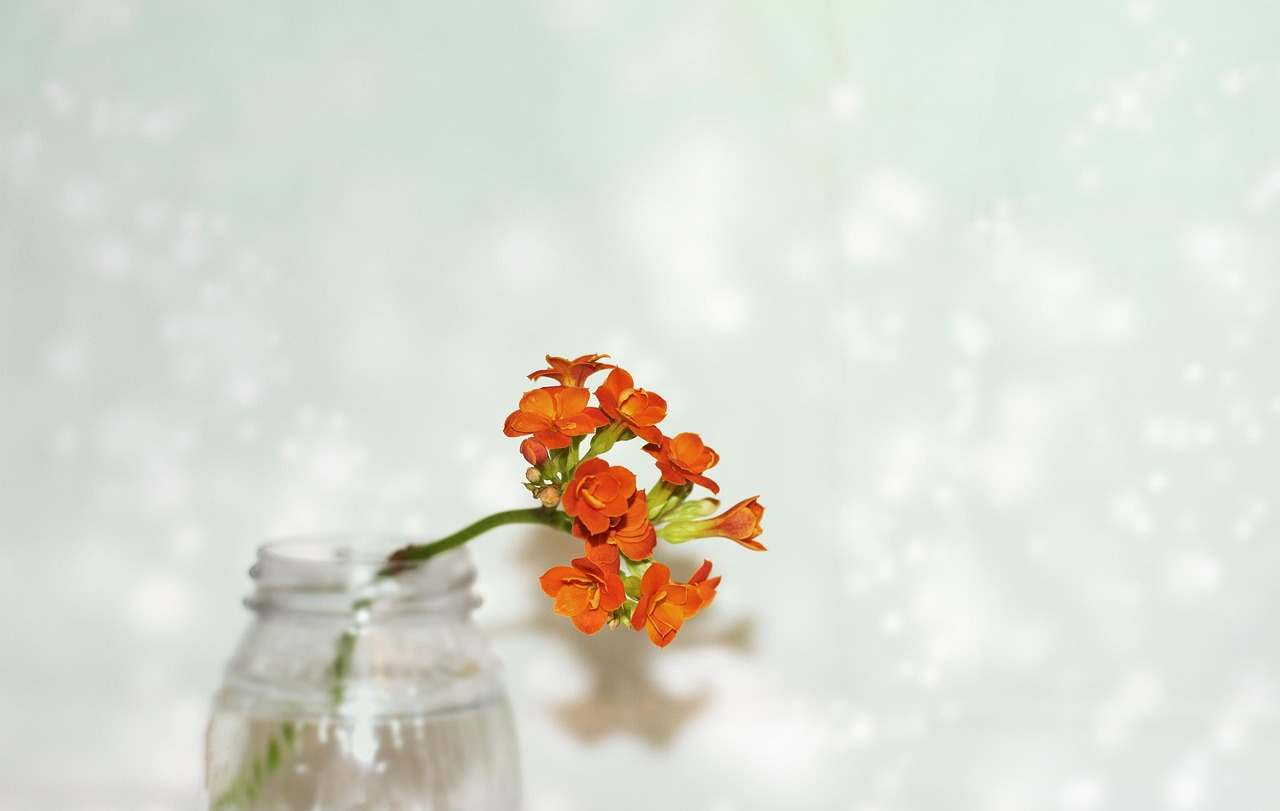
The most important maintenance task is deadheading. As your Kalanchoe’s flower clusters begin to fade and turn brown, they consume energy that the plant could otherwise direct toward new growth. Use clean, sharp pruning shears or scissors to snip off these spent stalks at the base where they meet the main stem.
Follow these safety and technique tips to ensure a successful pruning session:
- Maintain Sharp Tools: Always use sterilized, sharp blades to ensure a clean cut. Dull tools can crush stems, which increases the risk of fungal infections or rot.
- Mind Your Fingers: Keep your fingers well away from the cutting path. If you are trimming dense foliage, hold the stem firmly with one hand while the other operates the shears.
- Protect Your Skin: Kalanchoe sap can cause mild skin irritation or dermatitis in some individuals. If you have sensitive skin, wear a pair of lightweight gardening gloves while handling the plant.
- Sanitize After Use: Wipe your shears with rubbing alcohol after you finish pruning. This prevents the accidental spread of bacteria or plant diseases between your indoor collection.
Beyond removing spent flowers, take a moment to inspect the plant for any yellowing or damaged leaves. Gently pinch these off or use your shears to remove them. Keeping the base of the plant free of debris improves airflow, which is essential for preventing common indoor plant issues like powdery mildew.
Consistency is more effective than heavy pruning. By removing individual faded blooms as they appear rather than waiting for the entire plant to finish flowering, you maintain a compact, tidy shape throughout the year. If the plant becomes too leggy, you can trim back the stems to encourage a bushier, more branched structure.
Encouraging Seasonal Blooms
Kalanchoes are photoperiodic plants, meaning their flowering cycle is triggered by the length of daylight they receive. In their natural environment, these succulents bloom when days grow shorter. To encourage a new flush of vibrant flowers indoors, you must mimic these specific seasonal conditions.
For a period of six weeks during the winter, your Kalanchoe requires approximately 14 hours of total, uninterrupted darkness every single day. This process effectively signals to the plant that it is time to shift its energy from foliage growth to bud production.
To achieve this controlled environment, follow these practical steps:
- Designate a dark space: Place your plant in a completely dark closet or a room that is not used after sunset.
- Use a light-blocking cover: If a closet is unavailable, place a cardboard box or a thick, opaque cloth over the plant each evening.
- Maintain consistency: Ensure the plant remains in darkness for the full 14-hour duration. Even small amounts of artificial light, such as a lamp or streetlights filtering through a window, can disrupt the process and prevent blooming.
- Monitor the light: During the remaining 10 hours of the day, return the plant to a spot with bright, indirect sunlight to support its overall health.
After the six-week period concludes, you can resume your normal care routine. You should begin to see flower buds forming shortly thereafter. Once the buds are clearly visible, you no longer need to provide the extended darkness. Simply move the plant back to its regular sunny location and continue to water it only when the top inch of soil feels dry to the touch.
Patience is key during this cycle. By providing these precise conditions, you reward your Kalanchoe with the natural cues it needs to put on a spectacular, long-lasting floral display. If the plant does not bloom immediately, ensure that no stray light is reaching it during its “night” hours, as even minor interruptions can reset the process.

Troubleshooting and Common Questions
Even with the best care, you may occasionally run into issues with your Kalanchoe. Most problems are easily corrected by adjusting your environment or maintenance routine.
If you notice your Kalanchoe leaves turning yellow, soft, or mushy, you are likely overwatering. These succulents store water in their fleshy foliage and require their soil to dry out significantly between waterings. If the plant becomes leggy or stretched out, it is signaling a need for more light. Move it to a brighter location, such as a south-facing windowsill, to encourage compact, healthy growth.
For those dealing with persistent pests like mealybugs or aphids, take immediate action to prevent an infestation. You can manage these common intruders effectively by following these steps:
- Isolate the affected plant immediately to protect your other houseplants.
- Gently wipe away visible pests using a cotton swab dipped in rubbing alcohol.
- Apply neem oil or an insecticidal soap to the foliage. Always follow the product label instructions carefully regarding dilution and application frequency.
- Monitor the plant closely for several weeks to ensure the pests do not return.
Safety is a critical consideration for pet owners. Keep in mind that Kalanchoes are toxic to cats and dogs if ingested. The plant contains cardiac glycosides, which can cause vomiting, diarrhea, and heart rhythm abnormalities in pets. To keep your furry friends safe, always place your Kalanchoe on a high shelf or in a room that is completely inaccessible to animals.
Finally, remember that patience is key. If you have recently repotted or moved your plant, it may go through a brief period of shock. Give it time to acclimate to its new surroundings before making drastic changes to your care routine. By observing these subtle cues, you can keep your Kalanchoe thriving year-round.

Dedicated team of gardening enthusiasts with years of hands-on experience testing lawn mowers, gardening tools, and outdoor equipment. We help home gardeners and professionals alike make informed buying decisions with honest, thorough reviews. From push mowers to pruning shears, we test it all so you don’t have to. Got a gardening tool you’d like us to review? Get in touch!