
Learning how to care for a ficus plant is simpler than most people think once you understand its basic needs. These popular indoor trees are prized for their glossy foliage and elegant structure, but they require consistent light and water to truly thrive. By mimicking their native tropical environment, you can easily keep your plant healthy.
While ficus plants often have a reputation for being finicky, they are actually quite resilient if you avoid sudden environmental changes. They dislike being moved frequently and prefer stability over constant adjustment. Setting realistic expectations means understanding that these trees need a stable spot in your home where they can establish their roots without stress.
This guide covers the essential steps to keep your ficus vibrant and lush throughout the year. We will walk you through the best lighting conditions, precise watering schedules, and common troubleshooting tips for indoor growth. With these practical techniques, you will have all the knowledge necessary to master ficus care and enjoy your beautiful houseplant.

Ideal Light and Placement for Your Ficus
Finding the perfect spot for your ficus is the most critical step in ensuring its long-term health. These plants thrive when they receive plenty of bright, indirect sunlight. Think of the light conditions you might find under a forest canopy; your ficus wants to be bathed in light without being exposed to the intensity of direct solar rays.
The ideal location is near a window that offers filtered light throughout the day. A spot facing east is often perfect, as it provides gentle morning sun. If you must place your plant near a south- or west-facing window, use a sheer curtain to diffuse the light. Harsh, direct afternoon sun can quickly scorch the delicate foliage, leading to unsightly brown patches and irreparable leaf damage.
Beyond light, you must consider the stability of the environment. Ficus trees are notoriously sensitive to sudden changes in their surroundings. To keep your plant happy and prevent stress-induced leaf drop, follow these placement guidelines:
- Avoid placing the pot directly in front of drafty doors or windows that are opened frequently.
- Keep the plant at least several feet away from heating vents, radiators, or air conditioning units.
- Maintain a consistent temperature; avoid rooms that experience extreme fluctuations between day and night.
- Choose a permanent location. Ficus plants dislike being moved, so once you find a spot where the plant is thriving, try to leave it there.
If you notice your ficus beginning to shed leaves shortly after bringing it home or moving it to a new room, it is likely reacting to a change in environment. Check the light levels and ensure there are no hidden drafts nearby. By providing a stable, well-lit home, you allow the plant to focus its energy on growing lush, vibrant leaves rather than struggling to adapt to its surroundings. Consistency is the true secret to a healthy, thriving indoor tree.
Watering and Humidity Requirements
Consistency is the secret to a thriving ficus. These plants prefer a steady routine rather than erratic cycles of flooding and drought. To maintain the right balance, check the soil moisture regularly by inserting your finger about two inches deep into the potting mix. If the soil feels dry at this depth, it is time to water. If it still feels damp, wait a few more days.
Proper drainage is non-negotiable. Ficus plants are highly susceptible to root rot if left sitting in standing water. Always ensure your pot has functional drainage holes at the bottom. If you use a decorative cachepot without holes, be sure to remove the inner nursery pot to water it in the sink, allowing all excess moisture to drain completely before returning the plant to its display spot.
In addition to soil moisture, humidity plays a vital role in keeping your ficus looking lush. Because these plants are native to tropical regions, they often struggle in the dry air of modern homes, especially during winter when heating systems are running.
If you notice brown, crispy leaf tips or premature leaf drop, your plant likely needs a boost in humidity. You can easily improve the microclimate around your ficus using these methods:
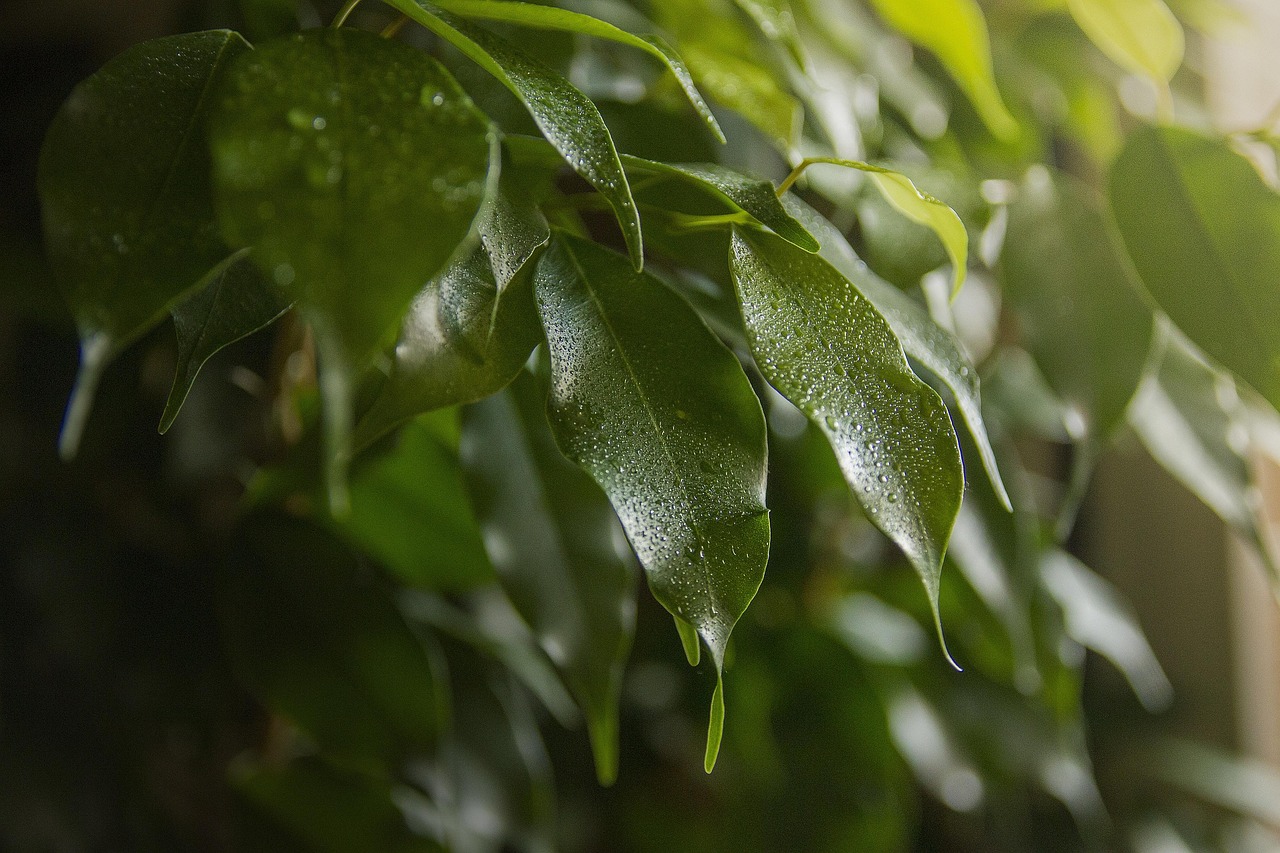
- Daily Misting: Lightly spray the foliage with a fine mist of room-temperature water. This mimics a tropical morning dew and helps keep the leaves clean.
- Pebble Trays: Place your plant on a tray filled with pebbles and a small amount of water. As the water evaporates, it creates a localized pocket of humidity around the plant.
- Group Plants: Clustering your ficus with other houseplants creates a mini-ecosystem, as plants naturally release moisture through transpiration.
Avoid placing your ficus directly in the path of air conditioning vents or heaters, as these drafts can rapidly dry out the foliage regardless of your watering schedule. By keeping the soil moisture consistent and the surrounding air humid, you will help your ficus remain vibrant and healthy year-round.
Pruning and Maintenance Safety
Pruning is an essential practice for maintaining the structural integrity and aesthetic appeal of your ficus. By selectively removing branches, you encourage denser growth and prevent the plant from becoming leggy or top-heavy. Regular maintenance also improves airflow through the canopy, which helps deter pests and fungal issues.
Before you begin, ensure your tools are prepared correctly. Use sharp, sterilized pruning shears to make clean cuts, which heal faster and reduce the risk of infection. Dull blades can crush delicate stems, leading to unnecessary stress for the plant.
Follow these safety guidelines to protect both yourself and your ficus:
- Wear protective gloves: Ficus plants contain a milky white latex sap that is a known skin and eye irritant. Always wear gloves to prevent direct contact with your skin.
- Identify the right branches: Focus your pruning on dead, damaged, or crossing branches. Removing these allows the plant to redirect energy toward healthy new growth.
- Maintain a stable workspace: If your plant is large, place it on a sturdy, level surface. Avoid reaching or overextending, as this can lead to accidental slips.
- Prioritize finger safety: Always keep your fingers well away from the blades. If a branch is difficult to reach or requires force, reposition yourself rather than straining.
When you make a cut, aim for just above a leaf node or the main trunk. If you accidentally get sap on your skin, wash the area thoroughly with soap and water immediately. If sap comes into contact with your eyes, flush them with water for several minutes and seek medical attention if irritation persists.
By approaching maintenance with patience and the right equipment, you can keep your ficus healthy and well-shaped for years to come. Remember that less is often more; avoid removing more than 20% of the plant’s total foliage in a single session to prevent shock, allowing the ficus time to recover before your next pruning cycle.
Soil, Fertilizing, and Repotting
Your ficus thrives when its root system has the perfect balance of moisture and aeration. To achieve this, always use a high-quality, well-draining potting mix. Standard indoor potting soil amended with a handful of perlite or pumice is ideal, as it prevents the soil from becoming overly compacted, which can lead to root rot.
Feeding your plant correctly is essential during its active growth phase. From early spring through late summer, apply a balanced, water-soluble liquid fertilizer once a month. Dilute the fertilizer to half-strength to avoid burning the sensitive root system. During the dormant winter months, stop fertilizing entirely to allow the plant to rest.
Ficus plants prefer to be slightly snug in their pots, but they will eventually become root-bound. You should plan to repot your plant every two to three years. You will know it is time to upgrade when you see roots circling the bottom of the pot or growing out of the drainage holes.
When it is time to move your ficus to a new home, follow these steps to ensure a smooth transition:
- Select a new container that is only one or two inches larger in diameter than the current one. A pot that is too large holds excess moisture, which often leads to waterlogged soil and root decay.
- Ensure the new container has adequate drainage holes at the bottom.
- Gently loosen the root ball with your fingers before placing it into the new pot.
- Fill the gaps with fresh potting mix, pressing down lightly to remove large air pockets.
- Water the plant thoroughly immediately after repotting to help settle the soil around the roots.
After repotting, your ficus may experience minor stress and drop a few leaves. This is a normal reaction to the change in environment. Keep the plant in its usual spot with consistent light, avoid overwatering, and it will typically stabilize within a few weeks.

Troubleshooting Common Ficus Issues
Ficus plants are notoriously sensitive to their environment. If you notice your plant suddenly dropping leaves, it is usually a reaction to a recent change. First, evaluate its location. Ficus dislike drafts, sudden temperature shifts, and being moved. Ensure your plant is away from air conditioning vents, heaters, and doorways where cold air might hit the foliage.
If the environment remains stable, inspect the plant for pests. Spider mites are the most common culprit for indoor ficus. These tiny pests thrive in dry conditions and can cause leaves to yellow, speckle, or fall off prematurely. To identify them, look for fine, silk-like webbing between the stems and the undersides of leaves.
Follow these steps to manage minor issues:
- Clean the foliage: Regularly wipe both the tops and undersides of leaves with a soft, damp cloth. This removes dust that blocks sunlight and helps dislodge small pests.
- Increase humidity: Mites dislike moisture. Gently misting your plant or placing it on a pebble tray with water can discourage infestations.
- Prune affected areas: If you spot heavily infested or dead foliage, snip it off with clean, sharp shears to prevent the spread to healthy parts of the plant.
Sometimes, the problem lies beneath the surface. If the soil remains soggy for long periods or the plant displays mushy, blackened stems near the base, you may be dealing with root rot caused by overwatering. Allow the top two inches of soil to dry out completely between waterings to prevent this condition.
If you encounter persistent pest infestations that do not respond to cleaning, or if you suspect severe root rot, do not hesitate to act. Consult a local nursery professional for guidance. They can recommend specific soil amendments, organic insecticidal soaps, or specialized treatments tailored to your plant’s specific needs. Bringing in a professional early can often save a struggling ficus that might otherwise be beyond recovery.

Dedicated team of gardening enthusiasts with years of hands-on experience testing lawn mowers, gardening tools, and outdoor equipment. We help home gardeners and professionals alike make informed buying decisions with honest, thorough reviews. From push mowers to pruning shears, we test it all so you don’t have to. Got a gardening tool you’d like us to review? Get in touch!