
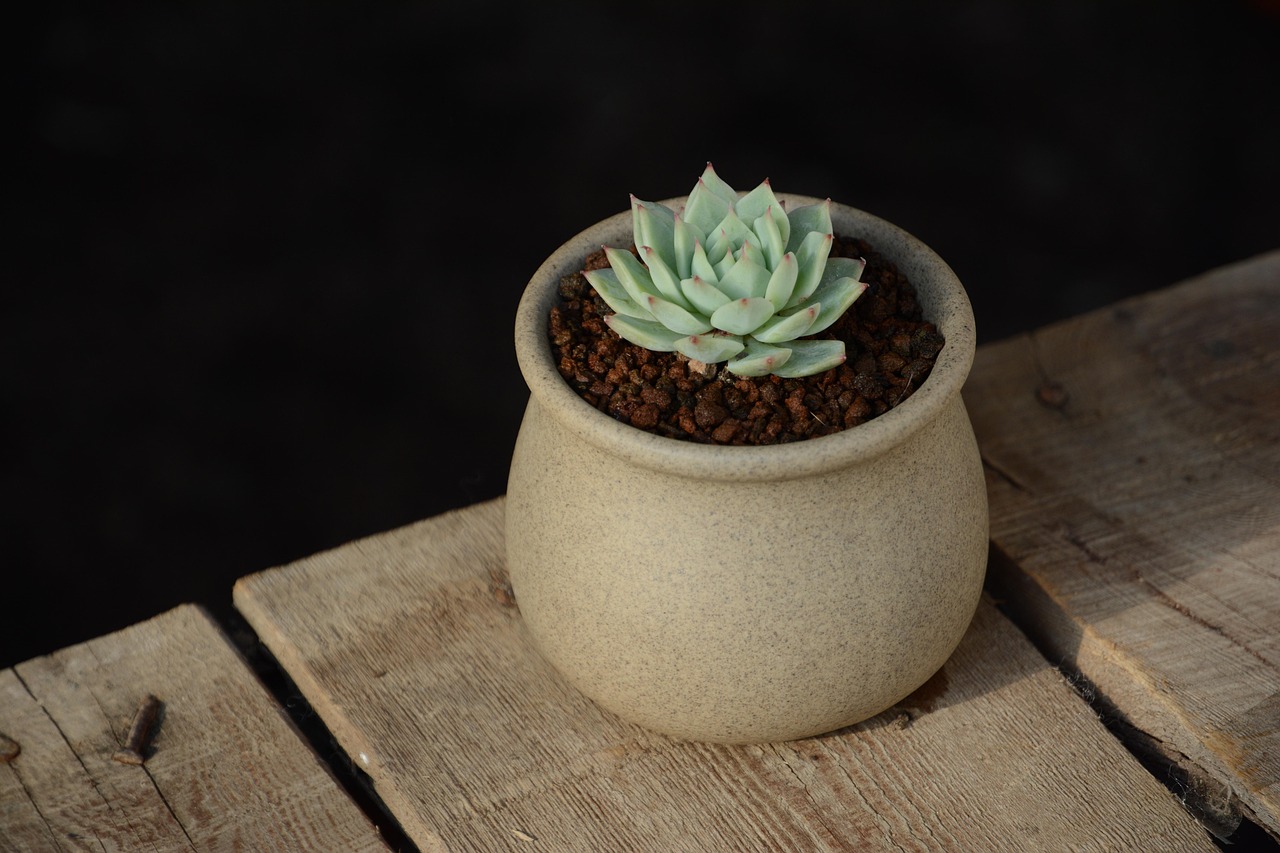
To care for an echeveria, provide it with at least six hours of bright, direct sunlight and water only when the soil is completely dry. These popular, rosette-shaped succulents are known for their stunning colors and architectural beauty, making them a favorite choice for indoor and outdoor container gardens.
While echeverias are relatively low-maintenance, they do have specific requirements regarding light, water, and soil to thrive. It is important to understand that these plants are native to arid regions, meaning they are highly sensitive to overwatering and poor drainage, which can quickly lead to root rot if ignored.
This guide covers the essential steps to keep your echeveria healthy and vibrant throughout the seasons. From choosing the right gritty potting mix to mastering the soak-and-dry irrigation method, you will learn practical techniques to prevent common issues and encourage your succulent to grow into a beautiful, long-lasting centerpiece for your home.

Ideal Light and Temperature Conditions
Echeverias are sun-loving succulents that rely on intense light to maintain their signature rosette shape and vibrant pigments. To keep your plant healthy and compact, prioritize bright, direct sunlight. A south or west-facing windowsill is typically the best location in your home, as these spots provide the consistent, high-intensity exposure these plants crave.
Aim for at least six hours of direct sun every day. If you notice your echeveria beginning to stretch, lean toward the light, or develop large gaps between its leaves—a condition known as “etiolation”—it is a clear signal that the plant is not receiving enough energy. In such cases, move it to a brighter location or supplement with a dedicated grow light.
Temperature plays an equally important role in your plant’s development. Echeverias thrive in standard household conditions, preferring temperatures between 65 and 80 degrees Fahrenheit. While they are resilient, they are not frost-tolerant and require protection from extreme environmental stressors.
Follow these practical tips to maintain an ideal environment:
- Monitor for drafts: Keep your plant away from air conditioning vents, drafty windows during winter, or heating ducts, as sudden temperature fluctuations can shock the foliage.
- Rotate regularly: Even in a sunny spot, rotate your pot every few weeks to ensure all sides of the rosette receive equal light, which prevents lopsided growth.
- Acclimatize carefully: If moving an indoor echeveria to an outdoor patio for the summer, introduce it to direct sun gradually over two weeks to prevent sunburn on the delicate leaves.
By mimicking the arid, high-light conditions of their native habitats, you ensure your echeveria remains sturdy and colorful. If you live in a region with very dark winters, do not hesitate to use artificial lighting to sustain the plant’s tight, aesthetic form until the spring sun returns. Consistent light and stable warmth are the cornerstones of successful long-term echeveria care.
Watering Techniques for Succulent Health
The most frequent cause of echeveria decline is overwatering. Because these succulents store water in their fleshy leaves, they are highly susceptible to root rot if kept in consistently damp soil. To keep your plant thriving, you must mimic the arid conditions of its natural habitat by following the “soak and dry” method.
When the soil is completely parched, water the plant thoroughly. Pour water directly onto the soil until it begins to drain freely from the drainage holes at the bottom of the pot. Ensure you discard any excess water sitting in the saucer; never let your echeveria sit in standing water, as this quickly leads to fungal issues.
Wait until the potting medium is entirely dry before watering again. In warmer months, this may happen every week or two, while in winter, the plant enters a semi-dormant state and may require water only once a month.
Follow these essential tips to prevent damage and disease:
- Avoid the rosette: Never pour water directly into the center of the plant. Moisture trapped between the tightly packed leaves can lead to crown rot, which is often fatal. Always aim for the soil line.
- Monitor leaf health: If you notice dead or shriveled leaves at the base of the plant, they are a natural part of the growth cycle. Gently pull them away or, if they are stubborn, use clean, sharp pruning shears to trim them.
- Use clean tools: Always sterilize your shears with rubbing alcohol before trimming. This prevents the transfer of bacteria or pathogens into the stem.
By prioritizing soil dryness and keeping the foliage moisture-free, you provide the ideal environment for your echeveria to remain firm, colorful, and healthy. If the leaves feel soft or appear translucent, you are likely watering too frequently; allow the plant a longer recovery period to dry out completely.

Choosing the Right Soil and Potting
Proper drainage is the single most important factor in keeping your Echeveria healthy. These succulents are highly susceptible to root rot if they sit in moisture for too long, so your choice of soil and container is critical to their long-term survival.
For the best results, use a specialized cactus or succulent potting mix. These blends are formulated with higher amounts of grit, perlite, or pumice to ensure fast water drainage and proper aeration. Avoid standard indoor potting soils, as they retain too much moisture and can suffocate the plant’s root system.
When selecting a container, ensure it has at least one drainage hole at the bottom. If you fall in love with a decorative pot that lacks a hole, use it as a cachepot—simply keep the Echeveria in a plastic nursery liner pot inside the decorative container, and remove it whenever you water to allow excess liquid to drain away completely.
Follow these steps for safe and effective repotting:
- Protect your skin: Wear gardening gloves to shield your hands from potential irritants and accidental scratches from tools.
- Handle with care: Echeverias are fragile. When moving the plant, grip it gently by the root ball rather than the leaves to avoid bruising.
- Preserve the farina: Many Echeverias feature a powdery, wax-like coating called farina. This natural layer protects the plant from sun damage and pests. Avoid touching the leaves directly, as the oils from your skin can permanently rub off this delicate coating.
- Settle the roots: After repotting, wait about a week before watering. This allows any roots damaged during the transition to heal, preventing rot from setting in.
By prioritizing a fast-draining environment and handling your plant with a light touch, you create the stable foundation your Echeveria needs to thrive and maintain its beautiful, symmetrical rosette shape for years to come.
Fertilizing and Seasonal Maintenance
Echeverias are considered light feeders, meaning they do not require heavy applications of nutrients to thrive. Over-fertilizing can lead to weak, leggy growth, so moderation is essential for maintaining their compact, rosette shape.
During the active growing season—typically spring and summer—you can support your plant’s health with a balanced, water-soluble fertilizer. To ensure safety and prevent root burn, always dilute the fertilizer to half-strength. Apply this mixture once a month during a regular watering session.
As temperatures drop and daylight hours decrease, your Echeveria will enter a period of dormancy. During these winter months, you must cease all fertilization entirely. Allow the plant to rest, as it will not be processing nutrients and any added fertilizer will only accumulate in the soil, potentially damaging the root system.
Seasonal maintenance also includes routine health checks. Regularly inspecting your plant helps you catch issues before they escalate. Keep a close eye on the undersides of leaves and the crevices between the rosettes for common pests like mealybugs.
If you spot these pests, follow these steps to manage the infestation:
- Identify mealybugs by their signature white, cottony masses or sticky residue.
- Isolate the affected plant immediately to prevent the pests from spreading to your other succulents.
- Dip a cotton swab in 70% isopropyl (rubbing) alcohol.
- Gently dab the cotton swab directly onto the insects to eliminate them on contact.
By keeping your fertilization schedule consistent with the seasons and performing regular visual inspections, you provide the stable environment your Echeveria needs to remain vibrant year-round. Remember that when in doubt, it is always better to under-fertilize than to overdo it. Focus on providing bright, indirect light and proper drainage, and your succulent will reward you with steady, healthy growth.
Common Questions and Troubleshooting
Even with the best intentions, Echeveria can occasionally show signs of stress. Observing your plant’s leaves is the most reliable way to diagnose its needs. If you notice the leaves are shriveled, thin, or wrinkled, your plant is likely dehydrated and requires a more frequent watering schedule. Conversely, if the leaves appear yellow, translucent, or mushy, you have likely overwatered it. In cases of overwatering, stop immediately and allow the soil to dry out completely before resuming care.
Light levels also play a critical role in your succulent’s appearance. If your Echeveria begins to lose its vibrant color or starts “stretching” toward a light source—a process known as etiolation—it is not receiving enough sunlight. Gradually move the plant to a brighter location, such as a south-facing windowsill, to restore its compact, rosette shape.
If you encounter persistent fungal issues or severe stem rot that does not improve after drying the soil, the plant may be beyond recovery. Rather than discarding it, you can often save the healthy parts to start anew:
- Leaf Propagation: Gently twist off healthy, firm leaves from the stem and place them on top of dry, well-draining succulent soil.
- Beheading: If the base is rotting, use a sterilized blade to cut off the top rosette. Allow the cut end to callous over for a few days before placing it in fresh soil.
- Hygiene: Always use sharp, clean tools when cutting. Sanitize your blades with isopropyl alcohol before and after each use to prevent the spread of bacteria or fungal spores to other plants in your collection.
By monitoring these subtle cues, you can catch problems early. Most Echeveria issues are reversible with minor adjustments to your watering or lighting routine. Patience is key; succulents often take time to recover, but with consistent care, your plant will return to its healthy, architectural form.

Dedicated team of gardening enthusiasts with years of hands-on experience testing lawn mowers, gardening tools, and outdoor equipment. We help home gardeners and professionals alike make informed buying decisions with honest, thorough reviews. From push mowers to pruning shears, we test it all so you don’t have to. Got a gardening tool you’d like us to review? Get in touch!