
Daffodils are a cheerful sign of spring, but bringing them indoors requires specific care to keep them healthy. This guide covers the essential light, water, and temperature requirements to help your indoor daffodils thrive throughout their blooming season. By following these simple steps, you can easily extend the life of your vibrant, sun-colored flowers.
It is important to remember that indoor daffodils are typically treated as temporary seasonal guests rather than permanent houseplants. Because they require a period of cold dormancy to bloom, most potted bulbs will not re-flower indoors the following year. However, with the right environment, you can enjoy their beauty for several weeks before planting them outdoors.
To ensure your plants remain strong, we will explore how to balance bright, indirect sunlight with cool room temperatures. You will also learn the best watering techniques to prevent bulb rot while keeping the soil consistently moist. Follow these practical tips to master indoor daffodil care and keep your home feeling bright and fresh all season long.
Selecting and Preparing Your Indoor Daffodils
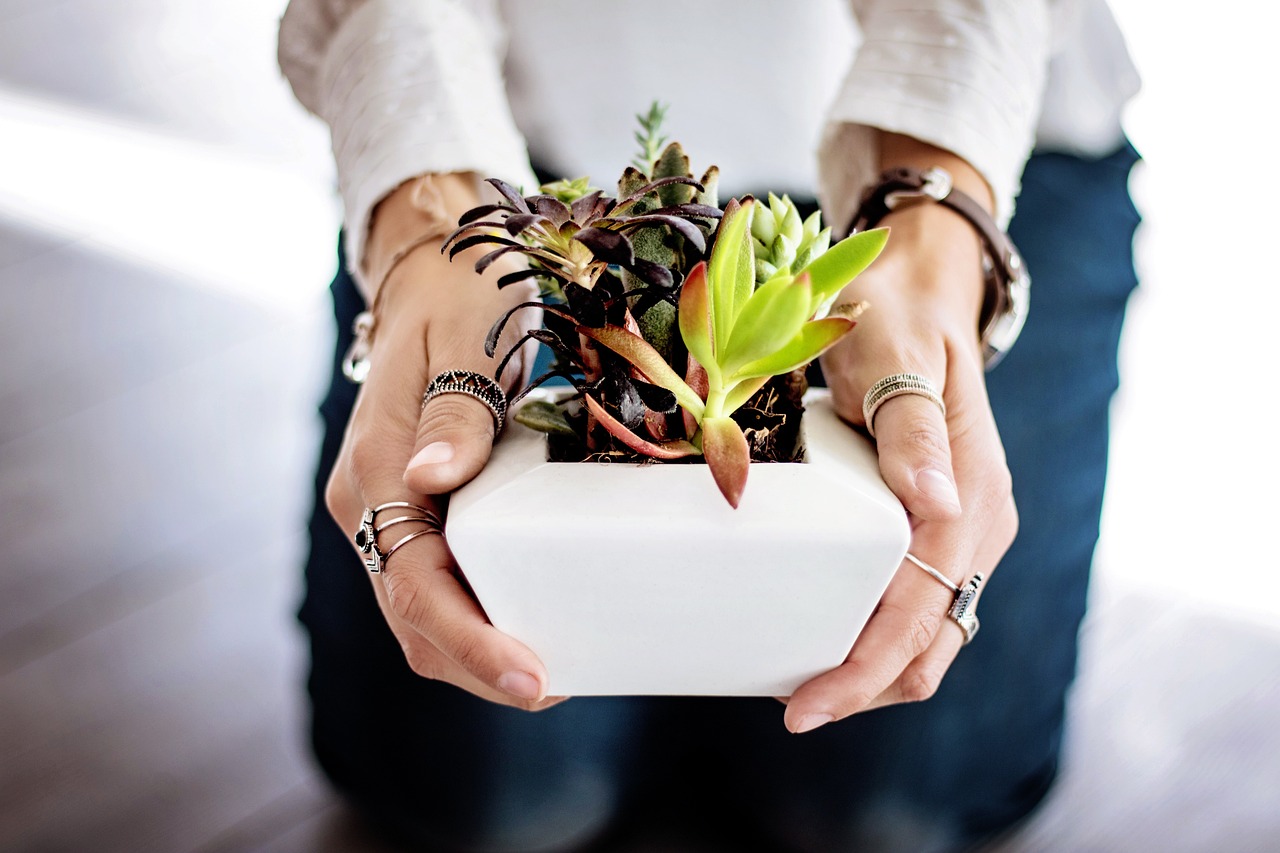
The success of your indoor daffodils begins long before the first bloom appears. Choosing the right container is the most critical step in maintaining bulb health. Always select a pot that features adequate drainage holes at the bottom. Daffodils are highly susceptible to bulb rot if they sit in stagnant water; proper drainage ensures that excess moisture can escape, keeping the root system healthy and oxygenated.
When selecting your vessel, consider the following practical tips:
- Material matters: Terra cotta pots are excellent for indoor bulbs because they are porous, allowing the soil to breathe and moisture to evaporate more evenly.
- Size requirements: Ensure the pot is deep enough to accommodate the bulbs with at least two inches of soil beneath them. You can plant bulbs closely together for a fuller display, as long as they are not touching the sides of the pot or each other.
- Weight: Because daffodils can become top-heavy once they bloom, a heavier ceramic or clay pot provides better stability than lightweight plastic.
If you have purchased pre-potted bulbs, your immediate goal is to establish a strong root system. Do not place the plant in a sunny window or near a heat source right away. Instead, move the pot to a cool, dark, or dimly lit location—ideally between 40°F and 50°F (4°C to 10°C)—for the first few weeks. This “chilling period” mimics the natural winter conditions daffodils require to develop robust roots before they send up foliage.
Monitor the soil moisture during this initial stage. The soil should feel slightly damp to the touch but never soggy. Once you notice green shoots emerging from the bulbs, you can gradually transition the plant to a brighter, warmer area of your home. This slow acclimation prevents the stems from becoming weak or “leggy” and ensures your daffodils have the structural integrity to support their vibrant spring flowers.
Optimal Light and Temperature Conditions
To successfully grow daffodils indoors, light is your most critical factor. These plants require bright, indirect sunlight to develop strong stems and vibrant blooms. A south or west-facing window is ideal, as these locations typically provide the high-intensity light daffodils crave without the harsh, direct rays that can scorch the foliage.
If you notice your daffodils leaning heavily toward the light, rotate the pot every few days. This simple practice ensures the plant grows straight and prevents it from becoming top-heavy or lopsided.
Temperature management is equally vital for extending the life of your flowers. While daffodils appreciate light, they are naturally cool-weather plants. High indoor temperatures will cause the blooms to fade prematurely and the foliage to yellow rapidly. For the best results, aim for the following conditions:
- Ideal Temperature Range: Keep your daffodils in a cool room, ideally between 55 and 65 degrees Fahrenheit (13 to 18 degrees Celsius).
- Avoid Heat Sources: Place your containers away from active radiators, heating vents, or drafty fireplaces. These heat sources dry out the soil too quickly and stress the bulb.
- Nighttime Cooling: If your home is generally warm, moving the plant to a cooler spot, such as an unheated sunroom or a porch, during the night can help the blooms last significantly longer.
By mimicking the cool, bright conditions of early spring, you encourage the plant to put its energy into the flowers rather than rapid, leggy growth. If the room is too warm, the daffodil will perceive it as late spring and accelerate its life cycle, causing the petals to drop much sooner than expected. Consistency is key; avoid placing the plant in areas with wild temperature swings, such as directly next to an exterior door that opens frequently. A stable, cool environment is the secret to maximizing the display of your indoor daffodils.

Watering and Maintenance Best Practices
Proper hydration is the cornerstone of indoor daffodil care. Your goal is to keep the potting medium consistently moist to mimic the natural spring conditions these bulbs crave. However, avoid the common mistake of overwatering, which can quickly lead to bulb rot. If the soil becomes waterlogged, the roots will suffocate, causing the plant to decline rapidly.
To determine if your plant needs water, use the finger test. Gently press your index finger into the top inch of the soil. If it feels dry to the touch, it is time to water. If the soil still feels damp, wait another day or two before checking again. Always ensure your container has adequate drainage holes so that excess moisture can escape freely from the bottom.
Maintenance extends beyond watering. As your daffodils bloom and eventually begin to fade, you should practice deadheading to keep the plant healthy and tidy. Follow these steps for best results:
- Use sharp, clean gardening shears to make a precise cut.
- Remove only the spent flower head and the stem immediately below it.
- Leave the foliage intact, as the leaves are essential for photosynthesis.
Deadheading is not just about aesthetics; it is a vital biological process. By removing the faded blooms, you prevent the plant from wasting energy on seed production. Instead, the daffodil redirects that stored energy back into the bulb. This process is critical for ensuring the bulb remains strong and nutrient-dense, which increases the likelihood of the plant blooming again in future seasons.
Finally, keep an eye on the leaves as they yellow. Even when the flowers are gone, continue to provide light and water until the foliage dies back naturally. This period of post-bloom care is when the bulb builds its reserves for the following year. Once the leaves have turned completely brown and dry, you can trim them back to the soil line, allowing the bulb to enter a period of dormancy before its next growth cycle.
Safety and Handling Precautions
While daffodils are a cheerful addition to any indoor space, they require careful handling to ensure your home remains a safe environment. Understanding the potential risks associated with these bulbs is essential for every indoor gardener.
The primary concern when handling daffodils is the presence of calcium oxalate crystals. These microscopic, needle-like structures are found throughout the plant, particularly in the bulbs and the sap within the stems. If these crystals come into direct contact with your skin, they can cause significant irritation, redness, or a painful rash. To protect yourself, always wear sturdy gardening gloves whenever you are planting, repotting, or pruning your daffodils.
Beyond skin sensitivity, it is vital to remember that all parts of the daffodil plant are toxic if ingested. This includes the flowers, leaves, and especially the bulbs. To prevent accidental poisoning, follow these safety protocols:
- Placement: Keep your potted daffodils in areas that are completely inaccessible to curious pets and young children. High shelves or rooms that can be closed off are ideal locations.
- Supervision: Never leave bulbs or plant clippings within reach while you are working on your indoor garden.
- Disposal: Immediately discard any plant debris, such as trimmed leaves or spent flower stalks, in a secure trash bin.
Finally, exercise caution when using pruning tools. Because daffodils require clean cuts to maintain their health, you may be using sharp shears or knives to remove faded blooms. Always cut away from your body and maintain a steady grip to avoid accidental nicks or deeper lacerations. Once you have finished your maintenance tasks, clean your tools thoroughly to remove any lingering plant sap, and store them securely in a locked drawer or tool kit. By following these simple precautions, you can enjoy the beauty of your indoor daffodils while keeping your household safe and healthy.

Post-Bloom Care and Common Questions
Once your daffodils finish blooming, resist the urge to trim the foliage immediately. The green leaves are essential, as they continue to photosynthesize and store energy in the bulb for next year’s growth. Continue to water the plant sparingly, keeping the soil lightly moist but never soggy, until the leaves naturally turn yellow and wither.
Once the foliage has completely died back, you have two options for the dormant bulb:
- Outdoor Planting: If you live in a climate where the ground does not freeze solid, transplant the bulb into your garden. Plant it at a depth of about three times the height of the bulb.
- Storage: Gently remove the bulb from the pot, trim off the dried roots, and brush away excess soil. Place the bulb in a paper bag or a mesh container and store it in a cool, dark, and dry location until the following autumn.
Indoor daffodils occasionally struggle with environmental stressors. If you notice signs of fungal growth—such as fuzzy white patches on the soil surface or mushy, discolored stems—remove the affected parts immediately. Improve air circulation around the plant and allow the top inch of soil to dry out completely before watering again. If the plant shows signs of severe wilting despite moist soil, check for root rot by gently lifting the bulb; if the roots appear dark or slimy, the bulb may be beyond recovery.
Keep in mind that daffodils are not typically suited for year-round indoor cultivation. They require a period of cold dormancy to reset their internal clock. If you attempt to force the same bulb to bloom indoors for a second consecutive year, the results are often disappointing. For the best success, prioritize moving the bulbs to an outdoor garden bed where they can experience natural seasonal temperature changes. With a little patience, these hardy perennials will reward you with fresh blooms when spring returns.

Dedicated team of gardening enthusiasts with years of hands-on experience testing lawn mowers, gardening tools, and outdoor equipment. We help home gardeners and professionals alike make informed buying decisions with honest, thorough reviews. From push mowers to pruning shears, we test it all so you don’t have to. Got a gardening tool you’d like us to review? Get in touch!