
Learning how to care for a Calathea orbifolia requires mastering specific environmental conditions to keep its foliage looking pristine. To help your plant thrive, you must prioritize high humidity, consistent moisture, and bright, indirect light. By mimicking its natural tropical habitat, you can easily prevent common issues like brown leaf edges or drooping stems.
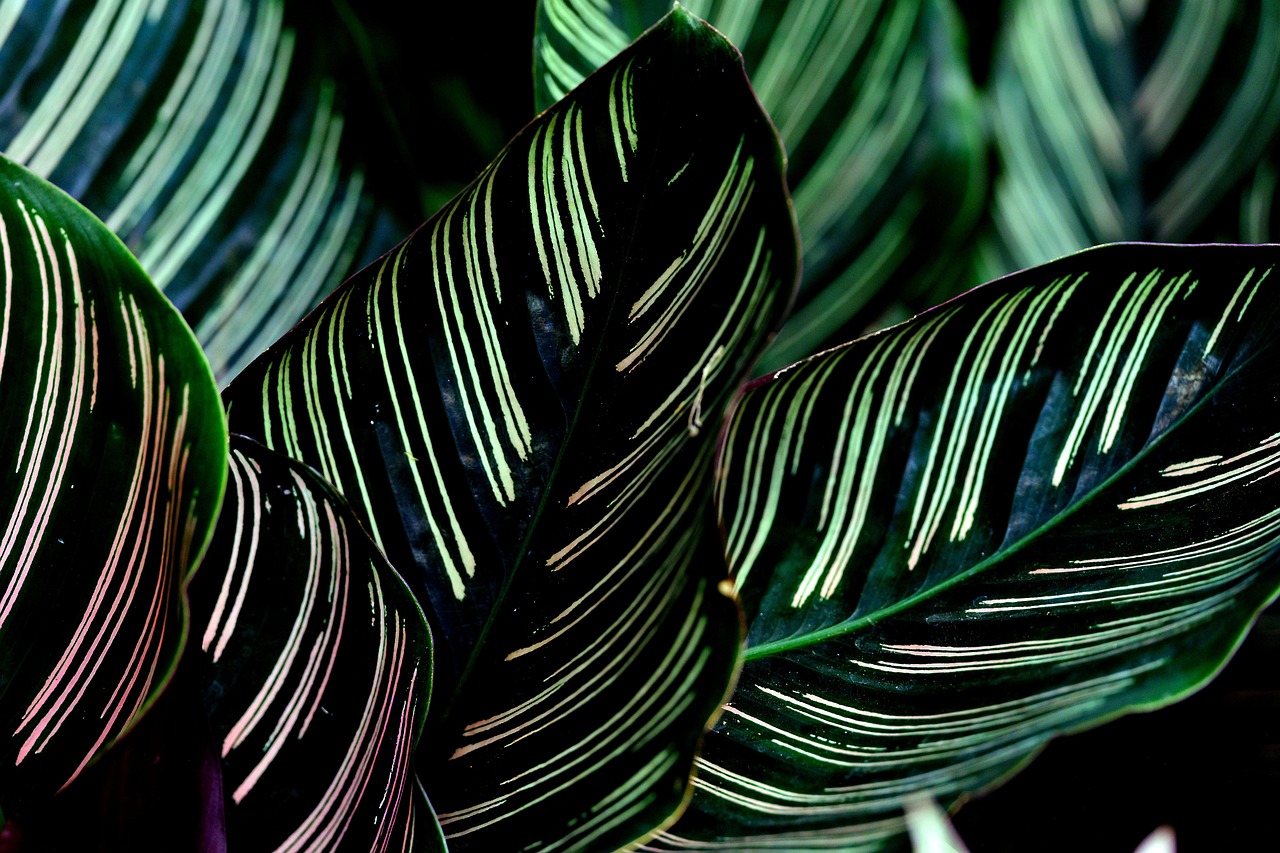
While the Calathea orbifolia is prized for its stunning, wide, silver-striped leaves, it has a reputation for being temperamental. It is not an ideal choice for beginners who prefer low-maintenance plants, as it reacts quickly to neglect. However, with a bit of patience and consistent monitoring, you can successfully maintain its lush appearance indoors.
This comprehensive guide breaks down the essential light, water, and humidity requirements to help you keep your plant healthy and vibrant in a home environment. We will explore practical tips for soil selection, fertilization schedules, and troubleshooting common pests. Follow these expert recommendations to ensure your beautiful Calathea remains a centerpiece in your indoor garden.

Finding the Perfect Lighting Conditions
The Calathea orbifolia is famous for its striking, silver-striped foliage, but its beauty is highly dependent on finding the right light balance. Because these plants originate from the shaded floors of tropical rainforests, they are not equipped to handle intense, direct sun. Providing the correct lighting is the most effective way to prevent leaf damage and encourage healthy, steady growth.
Your goal is to provide consistent, bright, indirect light. Think of this as a spot where the plant can “see” the sky, but the sun’s rays never touch the leaves directly. If the light is too harsh, the delicate foliage will develop unsightly brown, crispy patches or bleached spots. Conversely, if the light is too dim, the plant will stop producing new leaves and may lose the vibrant contrast in its patterns.
To achieve the perfect environment, consider these placement tips:
- East-facing windows: These are often ideal, as they provide gentle morning sun that is rarely intense enough to cause scorching.
- South or West-facing windows: These areas receive much stronger light. If you place your plant here, position it at least three to five feet away from the glass.
- Filtered light: If your chosen spot feels too bright, use a sheer curtain to diffuse the sunlight. This softens the intensity while still allowing enough brightness for the plant to photosynthesize efficiently.
Keep a close eye on your Calathea during seasonal shifts. As the sun’s angle changes throughout the year, a spot that was safe in the winter might become too harsh during the summer months. If you notice the leaves curling or the edges turning brown, move the plant further back from the window. If the plant appears leggy or the growth stalls significantly, it is likely signaling that it needs a slightly brighter location. Regular observation is the best way to ensure your plant remains vibrant and healthy year-round.
Mastering Watering and Humidity Needs
The Calathea orbifolia is a tropical native that thrives on consistency. Mastering its watering schedule is the most effective way to prevent common issues like yellowing leaves or root rot. The golden rule is to keep the soil evenly moist but never waterlogged.
To determine if your plant needs a drink, perform a simple finger test. Insert your finger about one inch into the soil. If the soil feels dry at that depth, it is time to water. If it still feels damp, wait another day or two. Always ensure your pot has adequate drainage holes, as these plants despise sitting in standing water, which quickly leads to root decay.
Because this species originates from the rainforest floor, it requires significantly higher humidity than the average home provides. Without sufficient moisture in the air, you will likely notice the hallmark brown, crispy edges on your beautiful, broad leaves. To replicate a tropical environment, try these practical methods:
- Use a humidifier: Placing a humidifier near your plant is the most effective way to maintain steady humidity levels throughout the day.
- Create a pebble tray: Fill a shallow tray with pebbles and water, then place your pot on top. Ensure the base of the pot sits above the water line to avoid direct saturation.
- Group your plants: Clustering the Calathea with other tropical plants creates a microclimate, as plants naturally release moisture through transpiration.
Avoid placing your plant directly in the path of air conditioning vents or heaters, as these dry out the air rapidly and can cause the foliage to curl. If your home remains exceptionally dry, you might consider keeping the plant in a bright bathroom, where the steam from daily showers will naturally boost the ambient humidity. By balancing soil moisture with consistent air hydration, you will keep your Calathea orbifolia looking lush and vibrant year-round.

Soil, Potting, and Fertilization
The foundation of a healthy Calathea orbifolia is its potting medium. Because these plants are prone to root rot, you must use a well-draining, peat-based mix that retains essential moisture without becoming waterlogged. A high-quality indoor potting soil amended with perlite or orchid bark is ideal, as it creates the necessary aeration for delicate roots to breathe.
When it is time to repot your plant—typically every one to two years or when roots begin circling the drainage holes—follow these steps to ensure a smooth transition:
- Gently remove the plant from its current container and shake away old soil to inspect the root system.
- Use sharp, sanitized pruning shears to trim away any mushy, brown, or dead roots.
- Always wear gardening gloves during this process to protect your skin from potential soil pathogens or irritating plant sap.
- Choose a new pot that is only one to two inches larger in diameter than the previous one, ensuring it has adequate drainage holes.
Fertilization should be approached with caution, as Calathea orbifolia can be sensitive to salt buildup. Only apply fertilizer during the active growing season, which generally spans from early spring through late summer. Use a balanced, water-soluble houseplant fertilizer, but always dilute it to half-strength. Applying too much fertilizer can lead to scorched leaf edges, so it is better to under-feed than to over-feed.
If you notice the soil staying wet for too long after watering, your potting mix may be too dense. In such cases, consider adding more perlite to improve drainage. Conversely, if the soil dries out completely within a day or two, your mix may lack sufficient moisture-retaining organic matter. Consistent, slightly damp soil—comparable to the feel of a wrung-out sponge—is the gold standard for keeping your orbifolia vibrant and free from stress.
Temperature and Environmental Stability
The Calathea orbifolia is a tropical plant that thrives when its environment remains consistent. To keep your plant healthy and vibrant, aim to maintain an indoor temperature between 65 and 80 degrees Fahrenheit. This range mimics the stable conditions of its native rainforest habitat, where extreme shifts are rare.
Environmental stability is just as important as the temperature itself. Because these plants are highly sensitive to their surroundings, sudden fluctuations act as a significant stressor. If the plant experiences a rapid drop or spike in temperature, it will often signal its distress by curling its leaves or, in more severe cases, dropping them entirely.
To protect your plant from these stressors, be mindful of where you place it within your home. Avoid positioning your Calathea in areas that experience frequent temperature swings, such as:
- Direct paths of air conditioning vents or cooling fans.
- Near drafty windows or exterior doors that open frequently during winter.
- In close proximity to radiators, space heaters, or wood-burning stoves.
- Above or directly next to kitchen appliances that generate heat.
If you live in a home with central heating or cooling, try to place your Calathea in a room that maintains a steady climate, such as a bright bathroom or a living area away from direct airflow. If you are unsure about the stability of a specific spot, you can use a small digital thermometer to monitor the area for 24 hours. If the temperature remains within the ideal 65-to-80-degree range without significant spikes, it is likely a safe location.
By minimizing exposure to drafts and heat sources, you create a predictable environment that allows your Calathea orbifolia to focus its energy on producing its signature, wide-reaching leaves. Consistent care is the most effective way to prevent premature leaf loss and ensure your plant remains a lush, beautiful focal point in your home.
Troubleshooting Common Issues and Ongoing Care
Even with the best intentions, the Calathea orbifolia can be temperamental. If you notice your plant struggling, use this systematic approach to identify and resolve the issue quickly.
Addressing Foliage Changes
Yellowing leaves or drooping stems are often the first signs of stress. In most cases, these symptoms point to an improper watering schedule or poor drainage. Ensure your pot has adequate drainage holes and allow the top inch of soil to dry out before watering again. If the soil remains consistently soggy, the roots may be suffocating.
Managing Pests
Low humidity levels make your plant a prime target for spider mites. These tiny pests thrive in dry air and can quickly damage the foliage. To keep your plant healthy, perform a routine inspection:
- Check the undersides of leaves weekly for fine webbing or small, light-colored specks.
- Gently wipe the leaves with a damp cloth to remove dust and discourage pests.
- Increase ambient humidity using a pebble tray or a humidifier if your home air is dry.
Root Health and Stability
If your plant continues to decline despite providing optimal light and moisture, inspect the root system. Carefully remove the plant from its pot to check for mushy, dark, or foul-smelling roots, which indicate root rot. If the roots appear healthy, your plant may simply be reacting to environmental fluctuations. Move it to a location with more stable temperatures, away from drafty windows, air conditioning vents, or heaters.
Sanitation Practices
When pruning away dead or damaged leaves to encourage new growth, always use sterilized tools. Wipe your shears with rubbing alcohol before and after each cut. This simple step is the most effective way to prevent the spread of fungal or bacterial diseases, ensuring your Calathea orbifolia remains vibrant and disease-free. Consistent, gentle maintenance is the key to long-term success with this beautiful tropical houseplant.

Dedicated team of gardening enthusiasts with years of hands-on experience testing lawn mowers, gardening tools, and outdoor equipment. We help home gardeners and professionals alike make informed buying decisions with honest, thorough reviews. From push mowers to pruning shears, we test it all so you don’t have to. Got a gardening tool you’d like us to review? Get in touch!