
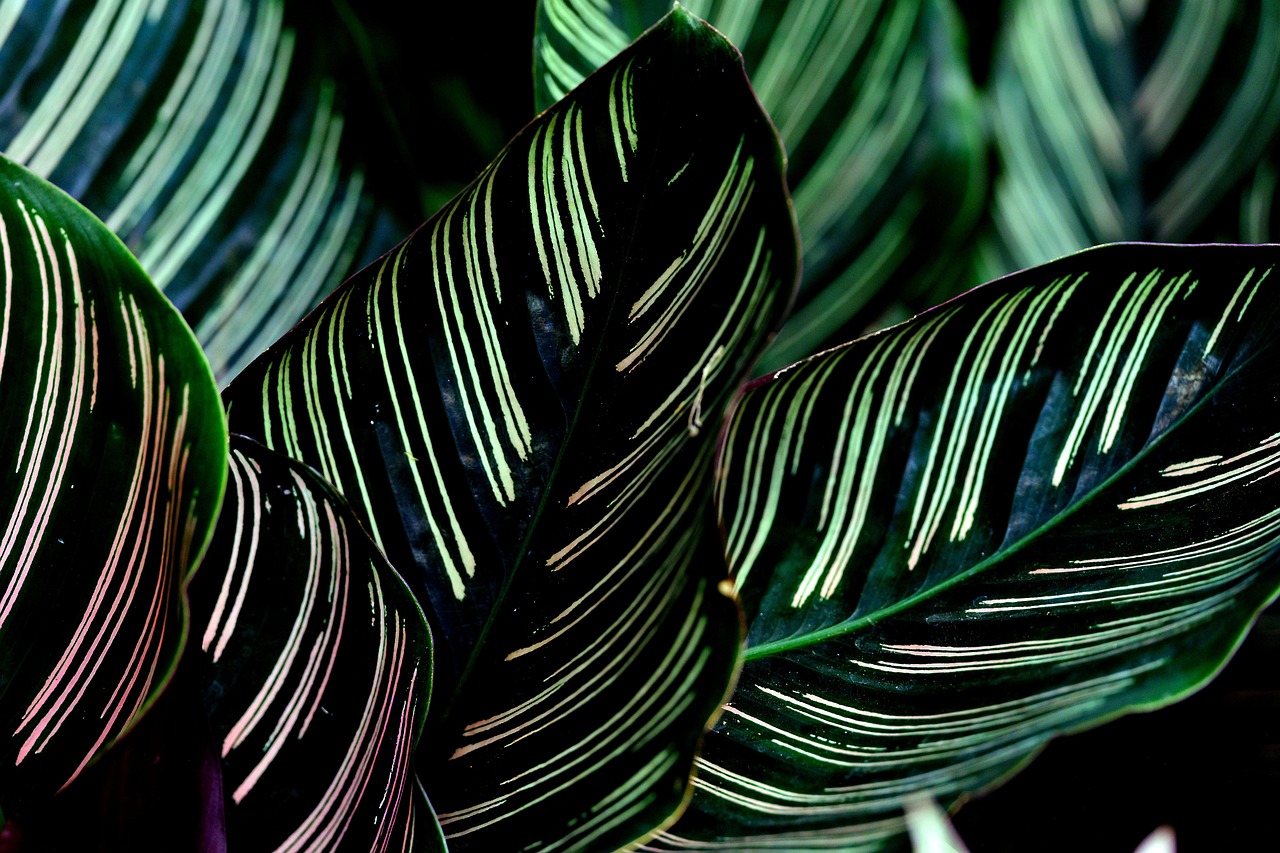
Learning how to care for a Calathea plant requires mastering a specific balance of moisture and indirect light. These stunning tropical beauties, often called prayer plants for the way their leaves fold at night, are notoriously picky houseplants that demand consistent environmental conditions to truly thrive and maintain their vibrant, patterned foliage.
While Calatheas have a reputation for being dramatic, they are not impossible to grow if you understand their native habitat. They naturally flourish on the shaded forest floor, meaning they prefer stable temperatures and high humidity over direct sunlight. Set realistic expectations, as these plants will quickly signal distress if their specific needs go unmet.
This comprehensive guide breaks down the essential light, water, and humidity requirements to help your Calathea thrive in your home environment. We will cover practical troubleshooting tips for common issues like brown leaf edges and drooping stems, ensuring you have the knowledge necessary to keep your plant healthy, lush, and consistently beautiful for years.

Understanding Light Requirements for Calatheas
To keep your Calathea thriving, you must mimic its natural habitat. In the wild, these plants grow on the shaded forest floor, protected by a dense canopy of trees. Because they have evolved to survive in low-to-medium light conditions, they are highly sensitive to the intensity of the sun.
The most important rule for Calathea care is to avoid direct sunlight at all costs. Harsh, unfiltered rays will quickly scorch their delicate, patterned leaves, leading to unsightly brown spots, crispy edges, and faded foliage. Once a leaf is scorched, it cannot recover its original beauty.
Instead, prioritize bright, indirect light. This provides the energy your plant needs to maintain its vibrant colors without causing heat stress. Here is how to find the perfect spot in your home:
- East-facing windows: These are ideal because they offer gentle morning sun that is rarely strong enough to burn the leaves.
- South or West-facing windows: If you use these locations, place the plant several feet away from the glass. You can also use a sheer curtain to diffuse the light, creating the soft, filtered environment Calatheas love.
- North-facing windows: These provide consistent, low-intensity light, which is safe for Calatheas, though growth may be slower.
How do you know if your lighting is correct? If your plant’s growth seems stunted or the patterns on the leaves begin to fade, it likely needs a slightly brighter spot. Conversely, if you notice curling leaves or scorched patches, move the plant further away from the window or into a more shaded area.
Remember that light needs can shift with the seasons. A spot that feels perfect in the winter might become too intense during the peak of summer as the sun’s angle changes. Keep an eye on your plant throughout the year and be prepared to adjust its position to keep those beautiful leaves healthy and vibrant.
Watering and Humidity Needs
Calatheas are notoriously particular about their hydration, but once you master the balance, your plant will thrive. The golden rule is to keep the soil consistently moist, similar to a wrung-out sponge. Never allow the soil to become bone-dry, as this causes leaf edges to curl and brown. Conversely, ensure the pot has adequate drainage holes; sitting in waterlogged soil will quickly lead to root rot, which is often fatal.
Water quality matters significantly for these tropical beauties. Calatheas are sensitive to the chemicals commonly found in tap water, such as fluoride, chlorine, and excess minerals. These can cause unsightly brown tips on your leaves. To keep your plant looking its best, use one of the following:
- Filtered water: Removes the majority of harsh chemicals.
- Distilled water: The safest option for preventing mineral buildup.
- Rainwater: An excellent, natural alternative if you can collect it.
Beyond soil moisture, humidity is the most critical factor for Calathea health. Originating from the rainforest floor, these plants require high ambient humidity to prevent their leaves from crisping. If your home air is dry, especially during winter months, your plant will struggle without intervention.
You can effectively mimic their native tropical habitat using these practical methods:
- Humidifier: Placing a small humidifier near your plant is the most effective way to maintain steady moisture levels.
- Pebble tray: Fill a shallow tray with pebbles and water, then set the pot on top. Ensure the base of the pot sits above the water line to avoid root saturation.
- Grouping: Cluster your Calatheas with other humidity-loving plants. As they transpire, they create a small, localized microclimate of increased humidity.
Monitor your plant closely for signs of stress. If the leaves begin to droop or lose their vibrant color, it is often a signal that your humidity levels have dropped or that you have missed a watering cycle. Consistency is the secret to a lush, healthy Calathea.
Soil and Fertilizer Best Practices
Calatheas are sensitive plants that require a specific soil environment to thrive. Because they are native to tropical forest floors, they prefer a growing medium that mimics their natural habitat—one that stays consistently moist but never waterlogged.
The best potting mix for a Calathea is a high-quality, peat-based blend. Peat moss is excellent for retaining the necessary moisture these plants crave. However, it is essential to ensure the mix remains airy. Avoid using heavy garden soil, as it tends to compact quickly, which suffocates the roots and frequently leads to root rot.
To create the ideal environment, you can amend a standard peat-based potting mix with the following ingredients to improve drainage:
- Perlite: Adds essential aeration to the soil structure.
- Orchid Bark: Helps prevent compaction and improves drainage.
- Coco Coir: An excellent, sustainable alternative to peat that maintains moisture levels.
When it comes to nutrition, Calatheas are light feeders. Over-fertilizing can lead to salt buildup in the soil, which often causes the delicate leaf edges to turn brown and crispy. Stick to these guidelines to keep your plant healthy:
- Timing: Only fertilize during the active growing season, which typically spans from early spring through late summer. Do not fertilize during the winter months when the plant is dormant.
- Frequency: Apply a balanced, water-soluble liquid fertilizer no more than once a month.
- Dilution: Always dilute the fertilizer to half or even quarter strength. Applying a weaker solution more frequently is much safer for the root system than a single heavy dose.
If you notice the leaves beginning to yellow or the plant struggling despite proper watering, flush the soil with distilled or filtered water. This helps wash away any accumulated mineral salts from previous fertilizing sessions. Always ensure your pot has adequate drainage holes at the bottom to allow excess water to escape freely, preventing the roots from sitting in stagnant moisture.
Safe Maintenance and Pruning
Maintaining your Calathea requires a gentle, methodical approach. Because these plants are prized for their lush, patterned foliage, keeping the leaves clean and healthy is essential for both aesthetics and overall plant vitality. Regular maintenance helps the plant direct its energy toward new growth rather than attempting to repair dying tissue.
When you notice yellowing, browning, or crispy leaves, it is time to prune. Use a pair of sharp, clean pruning shears to make a precise cut near the base of the leaf stem, taking care not to nick the main stalk of the plant. Using dull scissors can crush the plant fibers, creating an entry point for bacteria and pests.
To keep your Calathea disease-free, follow these sanitation best practices:
- Disinfect your tools: Always wipe your shear blades with rubbing alcohol before you begin and between every single cut. This prevents the accidental spread of fungal spores or pathogens from one leaf to another.
- Prioritize safety: If you have sensitive skin, wear gardening gloves while handling soil or pruning. Some Calathea varieties can cause mild irritation if their sap contacts your skin.
- Clear your space: Before you start, ensure your workspace is free of spilled soil, loose leaves, or water puddles. A cluttered area increases the risk of trips or falls while you are maneuvering heavy pots or delicate foliage.
After pruning, inspect the remaining leaves for dust. Calatheas have large surface areas that collect dust, which can block sunlight and hinder photosynthesis. Gently wipe the leaves with a soft, damp microfiber cloth. This simple step keeps the plant breathing efficiently and looking vibrant. If you notice any unusual spots or persistent pests during your grooming session, isolate the plant immediately to protect your other indoor greenery. Consistent, clean maintenance is the most effective way to ensure your Calathea remains a healthy, striking centerpiece in your home for years to come.

Troubleshooting Common Calathea Issues
Even with the best intentions, Calatheas can be finicky. If you notice brown, crispy edges on your leaves, your plant is likely struggling with low humidity or sensitivity to minerals in tap water. To fix this, increase ambient humidity using a pebble tray or humidifier, and switch to filtered, distilled, or rainwater to avoid chemical buildup.
Drooping or curling leaves are usually your plant’s way of signaling stress. Before reaching for the watering can, check the soil moisture. If the soil is dry, your plant is likely thirsty. However, if the soil is damp and the leaves are curling, inspect the area for cold drafts from windows or air conditioning vents, as Calatheas prefer consistent, warm temperatures.
Pests can also take hold if the plant is stressed. Spider mites are the most common culprit, often appearing as tiny webs on the undersides of leaves. If you spot them, take these steps immediately:
- Isolate the plant from your other houseplants to prevent the infestation from spreading.
- Wipe the leaves down with a damp cloth to remove visible mites.
- Treat the foliage thoroughly with a gentle insecticidal soap or neem oil, following the product instructions carefully.
- Increase humidity, as spider mites thrive in dry environments.
If your Calathea continues to decline despite providing ideal light, water, and humidity, the issue may be hidden beneath the soil. Gently remove the plant from its pot to inspect the root system. Healthy roots should be firm and pale. If you find roots that are mushy, dark, or smell foul, you are dealing with root rot, typically caused by overwatering or poor drainage. Trim away the affected roots with sterilized shears and repot the plant in fresh, well-draining soil. Ensure your pot has adequate drainage holes to prevent future water retention issues. With patience and these adjustments, most Calatheas can recover and return to their vibrant, patterned beauty.

Dedicated team of gardening enthusiasts with years of hands-on experience testing lawn mowers, gardening tools, and outdoor equipment. We help home gardeners and professionals alike make informed buying decisions with honest, thorough reviews. From push mowers to pruning shears, we test it all so you don’t have to. Got a gardening tool you’d like us to review? Get in touch!