
Transform your outdoor space into a vibrant sanctuary for hummingbirds by understanding their specific needs for food, water, and shelter. This guide provides practical steps to create a welcoming environment that encourages these fascinating birds to visit and stay throughout the season, ensuring your garden becomes a reliable, high-traffic destination for them.
Attracting these aerial acrobats requires more than just hanging a single feeder; it involves strategic planning and consistent garden maintenance. While you cannot force birds to arrive, cultivating a landscape rich in nectar-producing flowers and native plants significantly increases your chances. Patience and the right equipment are essential for long-term success in your yard.
We will explore how to utilize essential hand tools and outdoor power equipment to prepare your beds for hummingbird-friendly flora. From selecting the best nectar-rich perennials to maintaining clean water sources, this article offers actionable advice. Get ready to transform your lawn into a thriving habitat that keeps hummingbirds returning all summer long.
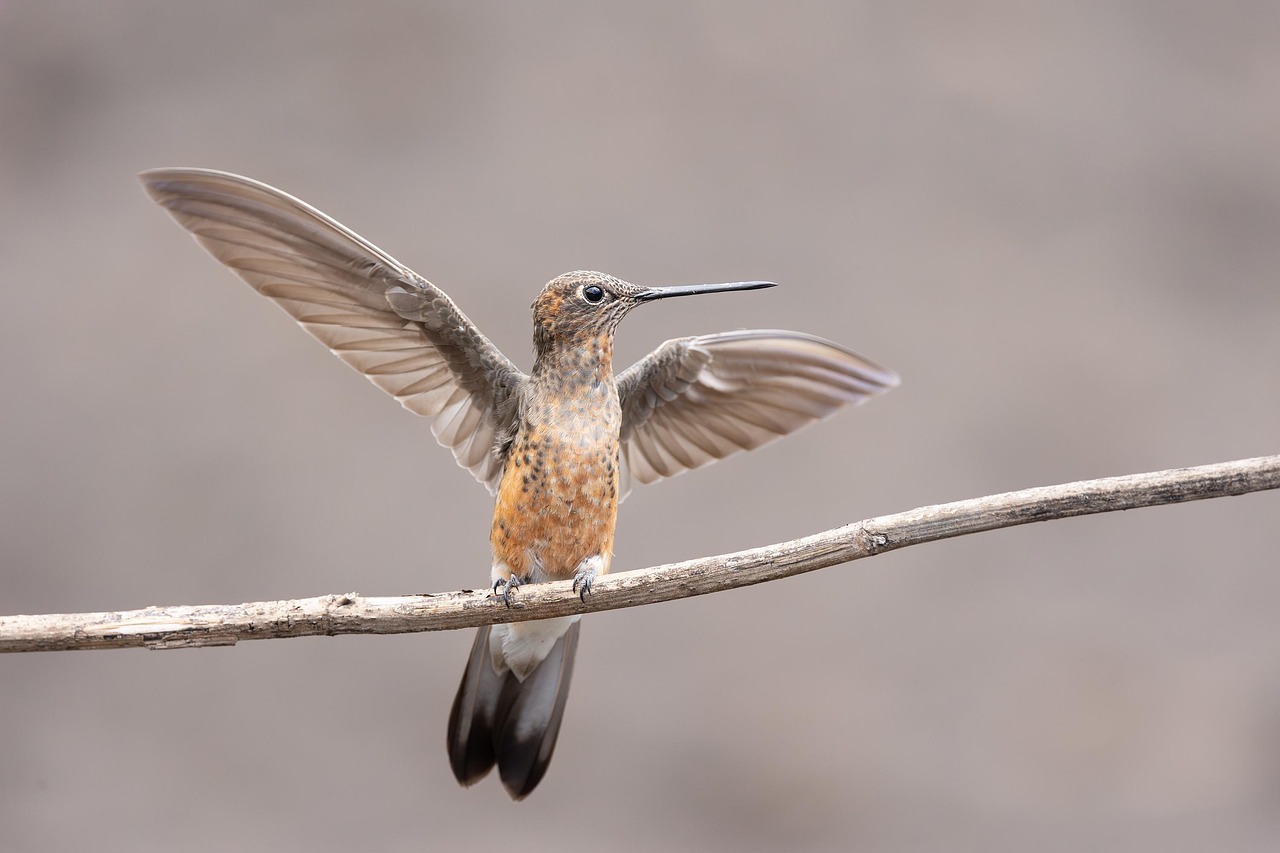
Selecting the Right Plants for Nectar
To turn your garden into a hummingbird sanctuary, you must prioritize high-energy nectar sources. These birds have incredibly high metabolic rates and require a constant supply of fuel. By selecting the right plants, you provide the essential calories they need to thrive throughout the season.
Focus your planting efforts on tubular-shaped flowers. Hummingbirds have specialized beaks and tongues designed to probe deep into these blossoms, which often exclude other pollinators. Prioritize vibrant shades of red, orange, and pink, as these colors are particularly attractive to their visual spectrum.
A successful hummingbird garden requires a continuous bloom cycle. If your flowers fade mid-summer, the birds will move on to more reliable food sources. Plan your landscape by incorporating a diverse mix of perennials that stagger their flowering times from early spring through late autumn:
- Spring: Columbine (Aquilegia) offers early-season nectar just as hummingbirds begin their migration.
- Summer: Bee Balm (Monarda) acts as a powerhouse, providing massive amounts of nectar during the peak of summer heat.
- Autumn: Salvia and Cardinal Flower (Lobelia cardinalis) provide critical energy reserves for birds preparing for their long southward journey.
When installing these plants, use a sturdy hand trowel to ensure you are planting at the correct depth. Proper soil preparation is vital; incorporate organic compost to boost moisture retention, as healthy, well-hydrated plants produce more abundant nectar. Avoid using chemical pesticides or herbicides in these areas, as hummingbirds also rely on tiny insects for protein. If you find yourself needing to clear invasive weeds or manage overgrown brush to make room for these nectar-rich species, use sharp, clean bypass pruners to avoid damaging the surrounding native perennials.
Group your plants in clusters rather than scattering them individually. Hummingbirds are more likely to spot a dense patch of color from a distance. If you have limited space, consider using hanging baskets filled with fuchsia or petunias. These containers allow you to place nectar sources at varying heights, mimicking the natural vertical structure of a forest edge. By maintaining a consistent, pesticide-free environment, you create an inviting habitat that will keep these energetic visitors returning to your garden year after year.
Setting Up and Maintaining Feeders
While planting native flowers provides a sustainable food source, installing nectar feeders is the most effective way to guarantee a steady stream of hummingbirds in your yard. To attract the highest volume of birds, consistency and hygiene are paramount.
The best nectar is a simple homemade solution that mimics natural flower nectar. Mix one part white granulated sugar with four parts water. Boil the water first to ensure the sugar dissolves completely, then allow it to cool entirely before filling your feeders. Never use honey, which can cause dangerous fungal infections, or artificial dyes, which are unnecessary and potentially toxic to these small birds.
Maintaining a clean feeding station is critical for bird health. Fermented sugar water and mold growth can be fatal to hummingbirds. Follow this maintenance routine to keep your feeders safe:
- Frequency: Clean your feeders every two to three days, or more often during periods of extreme heat when the sugar solution spoils quickly.
- Cleaning Method: Disassemble the feeder completely. Wash all parts with hot water and a small bottle brush to reach into crevices where mold hides.
- Sanitization: If you notice black spots or mold, soak the feeder parts in a solution of one part white vinegar to two parts water, then rinse thoroughly until no scent remains. Avoid using harsh soaps or bleach, as residue can be harmful.
Position your feeders in a location that is easy for you to reach for frequent cleaning, ideally in a semi-shaded area to prevent the nectar from overheating. If you have multiple feeders, space them out across your landscape. Hummingbirds are highly territorial; placing feeders out of sight from one another allows more birds to feed simultaneously without constant fighting.
When selecting equipment, prioritize feeders with wide-mouth openings and minimal parts. Complex designs with intricate decorative elements are often difficult to scrub, leading to neglected maintenance. A simple, durable feeder that you can easily disassemble and sanitize will ultimately attract more birds because it remains a safe, reliable food source throughout the season. By keeping the nectar fresh and the equipment pristine, you create a welcoming environment that will keep hummingbirds returning to your garden year after year.

Providing Essential Water and Shelter
To keep hummingbirds returning to your garden, you must provide more than just nectar; they require reliable sources of water and secure shelter. Creating a sanctuary that mimics their natural habitat ensures they feel safe enough to linger, preen, and nest.
Hummingbirds rarely use traditional deep birdbaths. Because they are tiny and vulnerable, they prefer shallow water where they can easily bathe without the risk of drowning. They are also highly attracted to the sound and movement of water. To entice them, consider these practical setups:
- Misters: A dedicated hummingbird mister attached to a garden hose or a small pump provides a fine, cloud-like spray. Hummingbirds love to fly through this mist to clean their feathers.
- Drippers: A simple dripper kit installed over a shallow basin creates consistent ripples. The movement catches the sunlight, making the water source visible to birds from high above.
- Fountains: If you use a fountain, ensure it has a very shallow basin or a wide, tiered edge where the water depth is less than an inch.
Beyond hydration, hummingbirds need places to hide and rest. Their high metabolism requires frequent breaks, and they are constantly on alert for predators like hawks or neighborhood cats. Strategic landscaping provides the necessary cover:
Incorporate dense shrubs or small, twiggy trees within 10 to 15 feet of your feeders or nectar-rich flowers. These plants serve as essential perches where birds can scan their territory and retreat quickly if threatened. Native plants are particularly effective, as they often provide the structural complexity hummingbirds prefer for nesting.
When performing garden maintenance, avoid over-pruning these protective areas during nesting season. If you are using outdoor power equipment, such as hedge trimmers or leaf blowers, be mindful of the noise and disturbance. Hummingbirds are easily spooked; try to schedule heavy yard work for early mornings or late evenings when bird activity is lower. By keeping these zones quiet and undisturbed, you create a peaceful refuge that encourages hummingbirds to stay throughout the season. Remember, a garden that offers both safety and hydration is far more likely to become a permanent home for these remarkable pollinators than one that relies on feeders alone.
Safety and Maintenance Best Practices
Creating a hummingbird-friendly landscape often requires installing hanging feeders, mounting nectar stations, or pruning overgrown shrubs to improve visibility. While these tasks enhance your garden’s appeal, your safety must remain the top priority during installation and maintenance.
When working at heights to secure hooks or feeders, always use a sturdy, stable ladder on level ground. Never overreach; instead, reposition the ladder to maintain your center of gravity. If you are pruning branches to create clear flight paths for hummingbirds, wear appropriate personal protective equipment, including heavy-duty work gloves and safety glasses, to shield yourself from sharp twigs and falling debris.
If your garden maintenance requires outdoor power equipment, such as electric hedge trimmers or blowers, follow these safety protocols to prevent accidents:
- Inspect before use: Always examine power cords for cracks, fraying, or exposed wires before plugging them in. If damage is visible, do not operate the tool.
- Manage cords: Keep all electrical cords clear of water sources, irrigation lines, and damp foliage to prevent electrical shorts.
- Clear the area: Before starting power tools, ensure the workspace is free of tripping hazards like garden hoses or loose hand tools.
- Store properly: Once maintenance is complete, unplug equipment and store it in a dry, secure location away from the reach of children and pets.
Hand tools, such as bypass pruners and trowels, also require careful handling. Keep blades sharp to ensure clean cuts, which promote faster healing for your plants and reduce the physical effort required. Always clean your tools after use to prevent the spread of plant diseases, and store them in a dedicated shed or garage to prevent rust and accidental injury.
Finally, be mindful of your environment while working. Hummingbirds are sensitive to sudden movements and loud noises. By maintaining your garden equipment in top condition and working methodically, you create a safer space for yourself and a more tranquil habitat for your feathered visitors. Consistent maintenance not only keeps your tools functional but also ensures that your hummingbird haven remains accessible and hazard-free throughout the blooming season.

Common Questions and Long-Term Care
Maintaining a hummingbird-friendly garden requires diligent care of your equipment to ensure the environment remains safe and inviting. When managing nectar feeders, ant infestations are a common frustration. The most effective, chemical-free solution is to install an ant moat. These small cups sit above the feeder and are filled with water, creating a barrier that ants cannot cross. Avoid using any grease or oil on the feeder ports, as these substances can coat a hummingbird’s feathers and hinder their ability to fly or regulate body temperature.
Keeping your garden pesticide-free is critical for the long-term health of your hummingbirds. While you may be tempted to use sprays to manage garden pests, these chemicals can be lethal to the insects that hummingbirds rely on for protein. Instead, focus on these practical maintenance steps:
- Manual Pest Control: Use hand tools like weeding forks or cultivators to manage invasive plants rather than relying on herbicides.
- Natural Deterrents: Encourage beneficial insects, such as ladybugs and lacewings, which act as natural predators for aphids and other garden pests.
- Equipment Hygiene: Regularly clean your nectar feeders with a solution of one part white vinegar to four parts water. Rinse thoroughly to ensure no residue remains that could harm the birds.
- Tool Maintenance: Keep your pruning shears and loppers sharp and clean. Proper cuts promote healthy plant growth, providing better cover and natural nesting sites for your visitors.
Long-term success often involves thoughtful landscape planning. If you are looking to redesign your outdoor space to better support local wildlife, consider consulting with a professional horticulturalist who specializes in native plants. Native flora is better adapted to your local climate, requires less water, and provides the best nectar sources for hummingbirds without needing chemical fertilizers.
Finally, observe your garden closely for any signs of distress. If you encounter an injured hummingbird, do not attempt to treat it yourself. These birds have extremely high metabolisms and require specialized care. Contact a local wildlife rehabilitator immediately for guidance on how to safely transport the bird to a professional facility. By prioritizing non-toxic maintenance and providing a clean, safe habitat, you ensure that your garden remains a sanctuary for hummingbirds for years to come.

Dedicated team of gardening enthusiasts with years of hands-on experience testing lawn mowers, gardening tools, and outdoor equipment. We help home gardeners and professionals alike make informed buying decisions with honest, thorough reviews. From push mowers to pruning shears, we test it all so you don’t have to. Got a gardening tool you’d like us to review? Get in touch!