
To attract multiple hummingbirds to your yard, you must provide diverse nectar sources and ample space to reduce territorial fighting. Creating a backyard haven requires more than just a single feeder; it involves designing a multi-layered landscape that offers the food, water, and essential shelter necessary to support several birds simultaneously throughout the season.
While these energetic creatures are delightful to watch, they are naturally aggressive when competing for limited resources. You should set realistic expectations by understanding that hummingbirds are highly territorial. By planting a variety of native flowers at different heights and spacing feeders strategically, you can minimize conflicts and encourage more hummingbirds to visit your garden together.
In this guide, we will explore the best garden maintenance practices and outdoor power equipment needed to cultivate a thriving habitat. We will provide practical advice on selecting the right hand tools for planting nectar-rich perennials and maintaining your lawn. Follow our expert tips to transform your outdoor space into a welcoming sanctuary that keeps hummingbirds returning all year long.
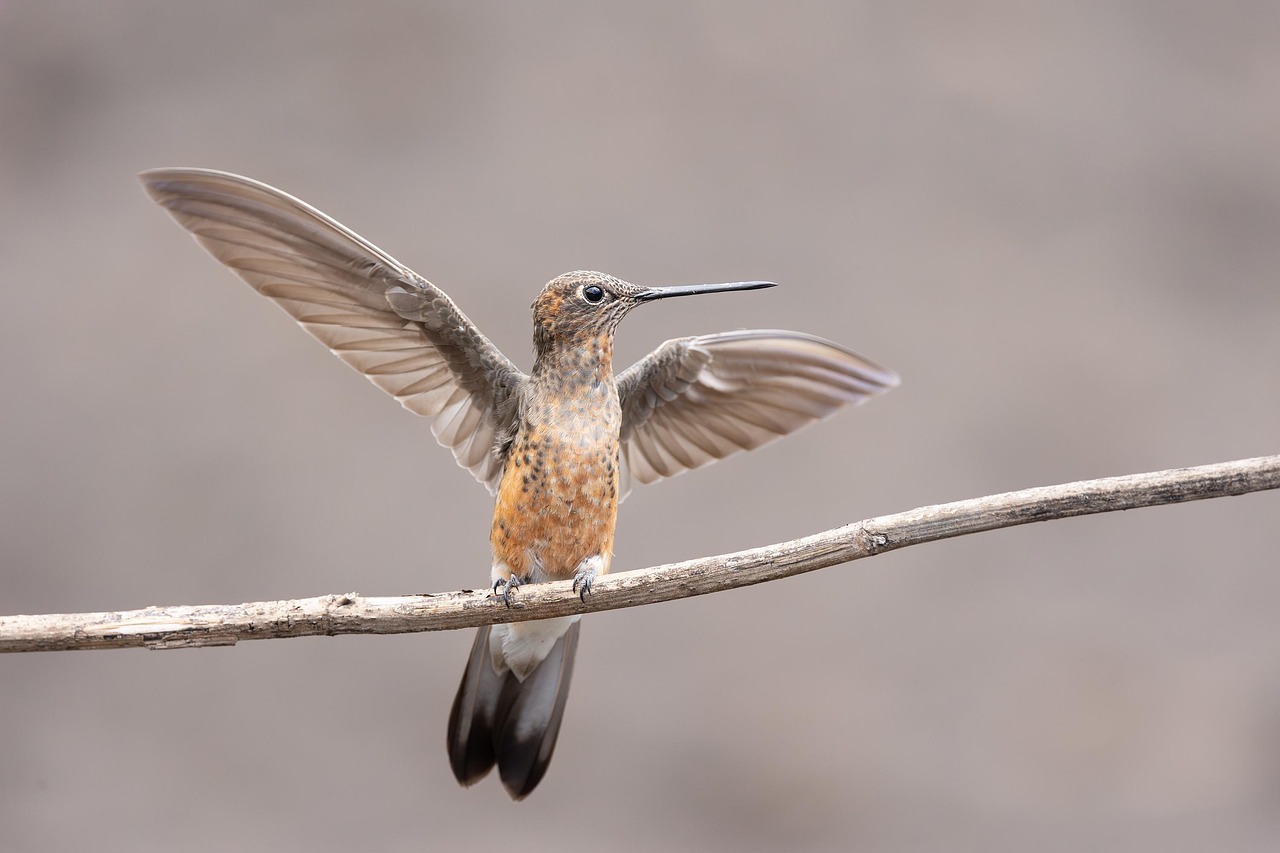
Strategic Feeder Placement to Reduce Competition
Hummingbirds are fiercely territorial creatures. If you cluster all your feeders in a single location, a dominant bird will likely claim the entire area, aggressively chasing away any newcomers. To host multiple hummingbirds simultaneously, you must disrupt these lines of sight and create a more inclusive landscape.
The most effective strategy is to space your feeders at least 10 to 15 feet apart. By increasing the distance between feeding stations, you force dominant birds to choose a single “territory,” leaving other feeders open for submissive or younger hummingbirds to visit undisturbed.
Beyond simple distance, you should use your garden layout to create visual barriers. If a dominant bird cannot see the other feeders from its current perch, it is far less likely to defend them. Consider these practical ways to break up the view:
- Install garden trellises: Place a sturdy trellis between two feeder locations. Climbing vines like honeysuckle or clematis provide a natural screen that hides one feeder from the view of another.
- Utilize existing shrubs: Position feeders near the edges of dense bushes or small ornamental trees. These act as physical dividers and offer hummingbirds a place to quickly retreat if they feel threatened.
- Vary the height: Hang feeders at different elevations. A bird guarding a feeder at eye level may not notice a second feeder tucked higher up near a porch eave or lower down near a garden bed.
When setting up these stations, ensure each location remains easy for you to access for routine maintenance. You will need to clean these feeders frequently to prevent mold and bacteria growth, especially during hot summer months. Use a long-handled bottle brush to scrub the ports and nectar reservoirs thoroughly.
Finally, keep your outdoor power equipment and lawn care tools organized nearby so you can easily maintain the surrounding vegetation. Trimming back overgrown branches or clearing debris around your feeders ensures that you have a clear view of your visitors while keeping the area safe from predators like outdoor cats. By thoughtfully arranging your garden space, you transform a competitive environment into a peaceful sanctuary that welcomes a diverse group of hummingbirds throughout the entire season.
Selecting the Right Nectar Plants
While feeders provide a reliable energy boost, native plants are the cornerstone of a thriving hummingbird habitat. By integrating nectar-rich flora, you create a sustainable food source that mimics the bird’s natural environment and encourages them to linger in your yard.
To attract multiple hummingbirds, focus on tubular-shaped flowers. These blossoms are perfectly adapted to the bird’s long beak and tongue. Prioritize shades of red, orange, and pink, as these vibrant colors are most visible to hummingbirds from a distance.
Consider incorporating these reliable favorites into your landscape:
- Bee Balm (Monarda): A perennial powerhouse that offers long-lasting, nectar-filled blooms.
- Salvia: Available in many varieties, these are highly attractive to pollinators and drought-tolerant once established.
- Columbine: Excellent for early-season feeding when other flowers may not yet be in bloom.
- Trumpet Vine: A vigorous climber that provides a massive amount of nectar, though it requires sturdy support structures.
Planting strategy is just as important as plant selection. Instead of scattering individual plants across your garden, group them in clusters. A dense patch of color creates a high-visibility target for passing hummingbirds, signaling a rich, reliable food supply. This “massing” technique also makes it easier to maintain your garden, allowing you to focus your irrigation and soil amendment efforts on specific zones rather than individual plants.
When preparing your beds, use a sharp hand trowel to ensure you are planting at the correct depth, which helps roots establish quickly. If you are working with larger shrubs or vines, a sturdy spade will help you dig wider holes to accommodate root balls without damaging them. Keep your garden beds tidy by using hand pruners to deadhead spent blooms; this encourages the plant to direct its energy into producing new flowers rather than seeds, extending the nectar season well into late summer.
Remember that hummingbirds are territorial. By planting multiple clusters of nectar-rich flowers in different areas of your yard, you can reduce competition between birds. This allows several hummingbirds to feed simultaneously without constant fighting, ultimately turning your outdoor space into a busy, vibrant sanctuary that keeps these energetic visitors returning day after day.

Providing Essential Water and Shelter
To turn your yard into a hummingbird haven, you must look beyond nectar sources. Hummingbirds require consistent access to water and secure spots for resting and nesting. By integrating thoughtful garden maintenance and strategic planting, you can create an environment where these birds feel safe enough to linger.
Hummingbirds rarely use traditional deep birdbaths. Because of their small size, they prefer shallow water and are particularly attracted to movement, which mimics the natural light reflecting off dew or flowing streams. Installing a dedicated water feature is a practical addition to your outdoor space:
- Use a mister or dripper: Hummingbirds love to fly through fine mists. Attaching a simple mister to your garden hose or installing a solar-powered dripper over a shallow basin will draw them in much more effectively than standing water.
- Keep it shallow: Ensure the water depth is no more than half an inch. If your birdbath is deep, place smooth, clean river stones in the center to create safe landing platforms.
- Maintain cleanliness: Use a soft hand brush to scrub the basin weekly. Stagnant water can harbor bacteria, so change the water frequently to keep the environment healthy.
Beyond hydration, hummingbirds need dense foliage for protection from predators and harsh weather. Proper garden maintenance plays a vital role here. When using outdoor power equipment or hand tools to prune your landscape, be careful not to over-groom. Hummingbirds rely on the structural complexity of your yard to feel secure.
Incorporate native trees and shrubs to provide essential perching spots and nesting sites. Native plants are not only easier to maintain, but they also support the insects hummingbirds need for protein. Focus on these landscaping practices:
- Layer your plantings: Use a combination of tall trees, mid-sized shrubs, and ground-level perennials. This vertical layering provides multiple levels of cover.
- Prune strategically: Avoid aggressive “clean-up” sessions in the fall. Leaving some twiggy growth on shrubs provides the perfect framework for hummingbirds to anchor their tiny, lichen-covered nests.
- Limit chemical use: Avoid pesticides in your garden. Hummingbirds consume small spiders and gnats; a healthy, chemical-free ecosystem ensures they have a reliable food source while they shelter in your foliage.
By providing both moving water and undisturbed, dense vegetation, you create a sanctuary that encourages hummingbirds to establish your yard as a permanent part of their territory.
Safety and Maintenance Best Practices
Creating an inviting sanctuary for hummingbirds often requires minor landscape adjustments, such as pruning overhanging branches to improve visibility or installing sturdy hooks for feeders. When performing these tasks, your safety is the top priority. Always use a stable, level ladder on firm ground and enlist a spotter if you are working at height. When using hand tools like bypass pruners or saws, wear heavy-duty work gloves to prevent blisters and cuts, and always use safety glasses to protect your eyes from falling debris.
Maintaining a healthy environment for these birds extends to the equipment you use. Keep your feeders pristine by following a strict cleaning schedule. Because hummingbirds are highly susceptible to nectar spoilage and mold, you should wash all feeders at least twice a week using hot water and a mild vinegar solution. Avoid harsh chemical soaps, as residual scents or toxins can deter birds or cause illness. Thoroughly rinse the equipment with clean water and allow it to dry completely before refilling.
Your approach to general lawn and garden maintenance also plays a critical role in attracting hummingbirds. While a manicured lawn is common, hummingbirds rely heavily on small insects—such as gnats, spiders, and fruit flies—to meet their protein requirements. To support this natural food source, adopt the following practices:
- Eliminate Pesticides: Avoid using chemical insecticides or herbicides in your garden. These substances can kill the beneficial insects that hummingbirds need to survive and may leave toxic residues on flowers.
- Embrace Natural Pest Control: Encourage predatory insects, like ladybugs and lacewings, to manage garden pests naturally rather than reaching for chemical sprays.
- Maintain Tool Hygiene: Keep your pruning shears and loppers sharp and clean. Dull blades crush plant stems rather than slicing them, which can lead to disease in your flowering shrubs and trees.
- Prioritize Native Plants: Focus your outdoor power equipment usage on maintaining native plant borders rather than expansive turfgrass. Native plants naturally attract more pollinators and require fewer chemical interventions.
By integrating these safety and maintenance habits into your routine, you create a sustainable, toxin-free habitat. When your garden is healthy and well-maintained, hummingbirds will recognize your space as a reliable source of both nectar and essential protein, encouraging them to return throughout the season.

Common Questions and Ongoing Care
Maintaining a hummingbird-friendly garden requires more than just hanging a feeder. To keep your outdoor space thriving, you must balance garden maintenance with the safety of your visitors. Regular upkeep of your hand tools—such as pruning shears and trowels—ensures that you can easily deadhead flowers and manage native plantings, which provide essential natural nectar and nesting materials.
One of the most frequent concerns for enthusiasts is managing unwanted pests. If ants are invading your nectar supply, avoid using chemical pesticides near feeders, as these can be toxic to birds. Instead, use an ant moat, which is a small cup of water that acts as a physical barrier. Ensure the moat is kept clean and filled to prevent ants from reaching the sugar water.
Ongoing care also involves seasonal transitions. You do not need to take your feeders down early for fear of delaying migration; hummingbirds are driven by instinct and changing daylight, not by the availability of supplemental food. In fact, keeping feeders clean and full during late summer and autumn can provide vital energy for birds preparing for their long journey south.
To keep your garden safe and functional, follow these practical maintenance tips:
- Sanitize Feeders Regularly: Clean feeders at least twice a week with hot water and a mild vinegar solution to prevent mold and bacterial growth.
- Inspect Power Equipment: When using lawn care equipment or power trimmers near hummingbird habitats, always check for hidden nests in shrubs or tall grasses before starting work.
- Prioritize Native Plants: Focus on native species that require less water and fewer fertilizers, reducing the need for chemical interventions that could harm local wildlife.
- Monitor Bird Health: If you notice birds appearing lethargic, having trouble flying, or showing visible signs of discharge around the eyes or beak, remove all feeders immediately to prevent the spread of disease.
If you encounter birds showing signs of illness or if you are unsure about the safety or invasiveness of a specific plant species in your yard, consult your local agricultural extension office or a native plant society. These organizations offer expert guidance tailored to your specific region, ensuring your gardening efforts support a healthy, thriving ecosystem for hummingbirds and other pollinators alike.

Dedicated team of gardening enthusiasts with years of hands-on experience testing lawn mowers, gardening tools, and outdoor equipment. We help home gardeners and professionals alike make informed buying decisions with honest, thorough reviews. From push mowers to pruning shears, we test it all so you don’t have to. Got a gardening tool you’d like us to review? Get in touch!