
To attract more than one hummingbird to your garden, you must strategically layer your landscape to break up sightlines and reduce territorial aggression. By planting a diverse array of nectar-rich flowers and installing multiple feeders out of view from one another, you can successfully host a flurry of these vibrant birds simultaneously.
While hummingbirds are famously territorial, understanding their behavior is the key to creating a peaceful sanctuary. You cannot force them to share, but you can provide enough resources and spatial separation to minimize conflict. With the right garden maintenance and thoughtful layout, your outdoor space will naturally support a larger, harmonious population.
In this guide, we explore the essential gardening tools and outdoor power equipment needed to cultivate a thriving habitat. From selecting the best native plants to maintaining your lawn care equipment for optimal garden health, we provide practical tips to help you transform your yard into a bustling, multi-bird hummingbird haven today.
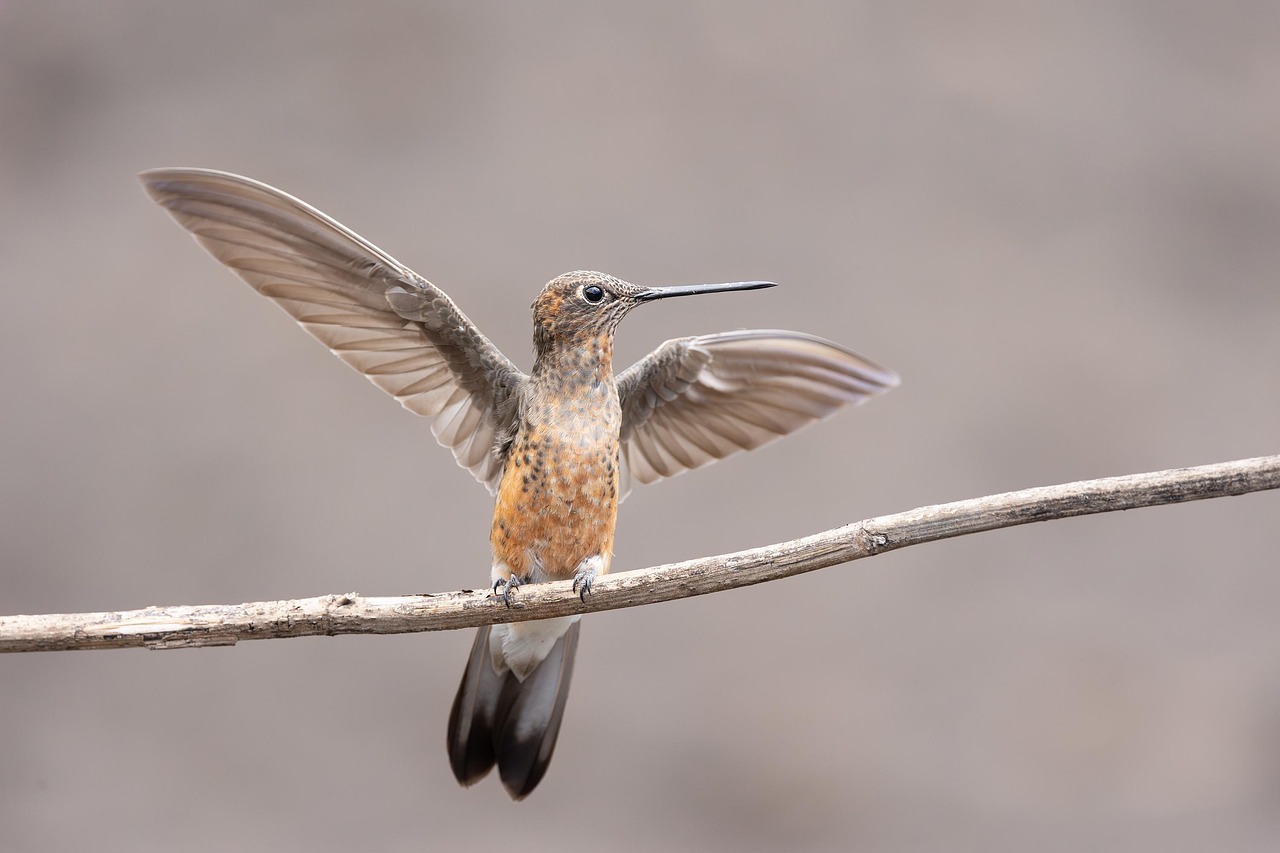
Strategic Feeder Placement to Reduce Territorial Disputes
Hummingbirds are notoriously territorial creatures. A single dominant male will often claim a feeder as his private property, aggressively chasing away any other birds that dare to approach. If you want to host multiple hummingbirds at once, you must outsmart this behavior by strategically placing your feeders to break the bird’s line of sight.
When a dominant hummingbird can see all food sources from a single perch, he can effectively guard them simultaneously. To prevent this, you need to create visual barriers that hide one feeder from another. By compartmentalizing your garden, you create distinct “territories” that are easier for multiple birds to share.
Use these practical landscaping and garden maintenance techniques to create natural partitions:
- Utilize Garden Structures: Place feeders on opposite sides of a corner of your house, a garage, or a shed. The solid wall acts as a total visual block.
- Leverage Dense Foliage: Position feeders behind large shrubs, hedges, or small ornamental trees. The thick branches and leaves provide the necessary cover to keep the birds from spotting each other.
- Install Decorative Trellises: If your garden is open, install a trellis covered in climbing vines between two feeder locations. This creates a functional, aesthetically pleasing barrier that effectively divides the space.
- Adjust Hanging Heights: While less effective than physical barriers, hanging feeders at varying heights and distances can sometimes confuse a territorial bird, forcing it to focus on one area at a time.
When setting up these stations, ensure that each location has clear flight paths for the birds to enter and exit safely. Avoid placing feeders too close to high-traffic areas or where outdoor power equipment might disturb them, as hummingbirds prefer a sense of security while feeding. If you are using hand tools to prune back branches for better placement, ensure you maintain enough cover nearby for the birds to perch and rest.
By creating these “hidden” zones, you allow subordinate hummingbirds to access nectar without being constantly harassed. You will find that once the dominant bird can no longer monitor the entire yard, your garden will quickly transform from a site of constant skirmishes into a peaceful, multi-bird sanctuary. Patience is key; it may take a few days for the birds to discover and accept the new arrangement.
Planting a Diverse Hummingbird-Friendly Landscape
To attract more than one hummingbird to your yard, you must move beyond artificial feeders and create a sustainable, natural food supply. Hummingbirds are territorial; by providing a dense, diverse landscape, you create enough resources to support multiple birds simultaneously rather than forcing them to compete for a single feeder.
Start by selecting nectar-rich plants that offer high sugar content. Hummingbirds are particularly drawn to tubular flowers, which act as perfect reservoirs for their long beaks. Incorporate a variety of species to ensure your garden remains a reliable destination throughout the entire season:
- Bee Balm (Monarda): A perennial favorite that provides a long blooming window and attracts a wide range of pollinators.
- Salvia: Available in many varieties, these are hardy, drought-tolerant, and offer consistent nectar production.
- Honeysuckle: A vigorous climber that provides both vertical interest and a high volume of nectar-rich blooms.
- Columbine: Excellent for early-season feeding when other flowers have yet to emerge.
The key to keeping hummingbirds in your yard is staggering your bloom times. If your garden only peaks in mid-summer, the birds will inevitably move on once those flowers fade. Aim to have early, mid, and late-season bloomers so there is always a fresh supply of nectar available. This consistency is what builds site fidelity, encouraging hummingbirds to return to your garden day after day.
When planting, think in terms of layers. Use a combination of tall shrubs, perennials, and vines to create a complex habitat. This not only provides more food but also offers essential cover and perching spots where birds can rest and survey their territory. Use a high-quality hand trowel to ensure proper root depth during planting, and apply a light layer of organic mulch to retain soil moisture during the heat of the summer.
Finally, avoid the use of pesticides and herbicides in your landscape. Hummingbirds also consume small insects and spiders to supplement their protein intake. A healthy, chemical-free garden supports a robust insect population, which serves as a vital secondary food source. By cultivating a diverse, multi-layered environment, you transform your yard into a thriving ecosystem that naturally invites multiple hummingbirds to stay and feed.

Providing Essential Water Features and Perching Spots
Creating a sanctuary for hummingbirds involves more than planting nectar-rich flowers. Because these birds have high metabolic rates and spend much of their day defending territory, they require reliable access to water and safe, strategic perching spots. By integrating these elements into your landscape, you encourage hummingbirds to linger longer and return frequently.
Hummingbirds rarely use traditional deep birdbaths. Instead, they prefer shallow, moving water, which mimics the natural droplets they find on leaves. To attract them, consider these practical setup tips:
- Install a mister or dripper: Hummingbirds are drawn to the sound and sparkle of moving water. A simple mister attachment for your garden hose or a solar-powered fountain dripper creates a fine spray that allows birds to fly through and bathe.
- Keep it shallow: Ensure the water depth is no more than half an inch. If your birdbath is deep, place smooth, decorative stones in the center to create a safe landing platform.
- Maintain cleanliness: Regularly scrub the basin with a stiff-bristled hand brush to prevent algae buildup. Clean water is essential for preventing disease and keeping feathers in top condition.
Rest is equally vital. Hummingbirds spend roughly 80% of their time perched, scanning for rivals or waiting for the next nectar source. If your garden is too dense or lacks structure, they may move on to a more hospitable area. Use your garden maintenance tools to shape the environment for their comfort:
Incorporate small, twiggy branches or thin, horizontal shrubs near your feeders and water features. These provide the perfect vantage points for their territorial displays. When pruning your trees or shrubs, leave a few thin, leafless twigs exposed at the top of the canopy; these are highly sought-after perches. Avoid using pesticides or harsh chemicals in these areas, as hummingbirds frequently land on branches to preen their feathers.
By balancing nectar sources with these essential water features and resting areas, you transform your backyard into a functional habitat. Proper placement ensures that your garden remains a preferred stop, allowing you to enjoy the presence of these remarkable birds throughout the season.
Safety and Maintenance for Garden Equipment
Creating a hummingbird-friendly landscape often requires installing hardware and shaping vegetation. Whether you are mounting heavy-duty feeder hooks or pruning dense shrubs to provide nesting sites, your safety must remain the primary concern. Always inspect your tools and environment before beginning any outdoor project.
When hanging feeders at height, stability is critical. Never attempt to balance on chairs, buckets, or uneven surfaces. Use a sturdy, industrial-grade ladder on flat, solid ground. If you must work on soft soil, place a wide board under the ladder feet to prevent sinking or shifting. Always maintain three points of contact while climbing and avoid overreaching; move the ladder instead of leaning to reach a distant branch.
Pruning is essential for maintaining the health of nectar-producing plants, but sharp blades pose significant risks. Follow these safety protocols to protect yourself while grooming your garden:
- Wear protective gear: Always use heavy-duty, puncture-resistant gardening gloves. They protect your hands from thorns, stinging insects, and accidental nicks from blades.
- Focus on blade placement: Keep your fingers well away from the cutting path. If a branch is too thick for your shears, use a pruning saw rather than forcing the tool.
- Maintain your equipment: Dull blades require more force, which increases the likelihood of slipping and injury. Keep your shears sharp and lubricated to ensure clean, effortless cuts.
- Clear the work area: Before making a cut, ensure your footing is clear of debris, tangled vines, or garden hoses that could cause a trip.
Proper maintenance of your outdoor power equipment and hand tools also contributes to a safer gardening experience. Regularly inspect the handles of your rakes, shovels, and loppers for cracks or loose connections. If you use power equipment, such as hedge trimmers for shaping hummingbird-attracting shrubs, ensure the power cord is positioned behind you or that the battery is removed before you clear away clippings. Never clear jammed debris from a blade while the power source is connected.
By keeping your tools in top condition and following these simple safety habits, you can transform your yard into a secure, thriving sanctuary for hummingbirds without risking your own well-being. A well-maintained garden is not only more productive for wildlife but also a safer space for you to enjoy throughout the season.

Frequently Asked Questions and Long-Term Care
Maintaining a hummingbird-friendly garden requires more than just planting nectar-rich flowers; it involves consistent care of your feeders to ensure the birds remain healthy and keep returning. Proper maintenance is the most effective way to prevent illness and ensure your backyard remains a safe haven.
Nectar Freshness and Feeder Hygiene
To prevent mold and fermentation, nectar must be replaced frequently. In hot weather, sugar water can spoil in as little as 48 hours. Follow these guidelines for a clean feeding station:
- Clean feeders at least twice a week, or more often if you notice cloudy or discolored nectar.
- Use a solution of one part white vinegar to two parts water to scrub away mold. Rinse thoroughly with hot water.
- Avoid using soap, as residue can be toxic to hummingbirds.
- Never add red dye to your nectar. Commercial dyes are unnecessary and can be harmful to a bird’s kidneys and liver. Hummingbirds are attracted to the red color of the feeder itself, not the liquid inside.
Managing Aggression
Hummingbirds are naturally territorial. If you notice one bird chasing others away, it is a sign that your garden is successful but needs better spatial management. Instead of removing the feeder, add more in hidden zones throughout your yard. By placing feeders out of sight from one another—such as on opposite sides of a shed or behind dense foliage—you break the line of sight for the dominant bird, allowing multiple hummingbirds to feed peacefully simultaneously.
Long-Term Maintenance and Safety
Keep your outdoor power equipment and garden tools away from active nesting sites during the spring and summer. If you are trimming hedges or mowing, always inspect the area first for camouflaged nests. When it comes to garden maintenance, prioritize native plants that require less chemical intervention, as pesticides can reduce the insect population that hummingbirds rely on for essential protein.
What to Do if You Find an Injured Bird
If you encounter a bird that appears injured, lethargic, or unable to fly, do not attempt to treat it yourself. Hummingbirds have incredibly high metabolic rates and fragile anatomy. Instead, contact a local wildlife rehabilitator immediately. They have the specialized training and equipment necessary to provide the appropriate care for these delicate creatures. Keep the bird in a quiet, dark box with air holes until you can transport it to a professional.

Dedicated team of gardening enthusiasts with years of hands-on experience testing lawn mowers, gardening tools, and outdoor equipment. We help home gardeners and professionals alike make informed buying decisions with honest, thorough reviews. From push mowers to pruning shears, we test it all so you don’t have to. Got a gardening tool you’d like us to review? Get in touch!