
To attract many hummingbirds to your yard, you must provide a consistent supply of nectar-rich flowers and a reliable water source. These vibrant birds thrive in landscapes that offer both high-energy food and safe, sheltered perches. By strategically selecting native plants and minimizing chemical use, you can easily turn your garden into a bustling avian sanctuary.
Creating a hummingbird-friendly landscape requires more than just a feeder. By combining the right plants, water sources, and safe maintenance practices, you can turn your yard into a reliable sanctuary for these birds throughout the season. Remember that patience is essential, as it takes time for local populations to discover and trust your new outdoor oasis.
In this guide, we explore the essential gardening tools and outdoor power equipment needed to maintain your habitat effectively. From selecting the best hand tools for pruning nectar plants to managing lawn care equipment for a healthy ecosystem, we provide practical advice. Follow these steps to ensure your backyard remains a thriving, beautiful haven for hummingbirds all year.
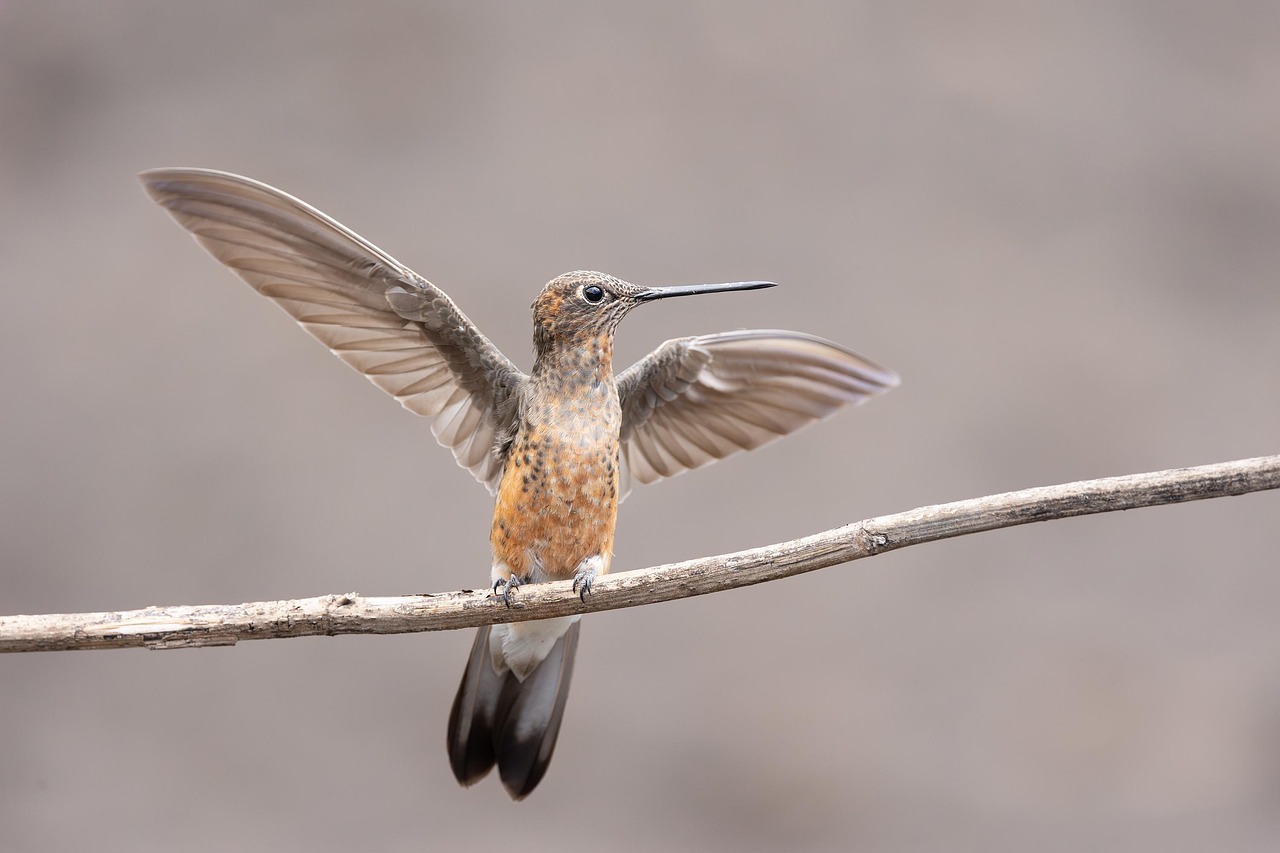
Choose High-Energy Nectar Plants
To turn your yard into a hummingbird magnet, you must prioritize high-energy nectar sources. Hummingbirds have incredibly high metabolic rates and require a constant supply of sugar-rich fuel. They are naturally drawn to tubular flowers, which act as perfect reservoirs for nectar while keeping larger insects away.
When selecting your landscape palette, prioritize native perennials. Native plants have evolved alongside local hummingbird populations, providing the specific nutritional profile these birds require. Focus your planting efforts on these reliable favorites:
- Bee Balm (Monarda): A perennial powerhouse that offers multiple blooms throughout the summer.
- Columbine (Aquilegia): An early-season bloomer that provides essential nectar when other sources are scarce.
- Cardinal Flower (Lobelia cardinalis): Its deep red, tubular shape is specifically adapted for hummingbird beaks.
- Trumpet Vine (Campsis radicans): A vigorous climber that offers a massive volume of nectar, though it requires sturdy support structures.
How you arrange these plants is just as important as the species you choose. Hummingbirds are aerial foragers; they scan the landscape from high above while searching for food. If you scatter plants individually across your yard, they may remain invisible to birds passing overhead.
Instead, plant your nectar-rich flowers in dense, generous clusters. Grouping three to five of the same species together creates a “target zone” that is much easier for a bird to spot from a distance. This strategy also allows the hummingbird to feed efficiently without expending unnecessary energy flying between isolated plants.
When maintaining these beds, use sharp hand pruners to deadhead spent blooms. Removing faded flowers encourages the plant to direct its energy into producing new buds rather than seeds, effectively extending your nectar season. Keep your garden beds mulched and weeded to ensure your chosen perennials do not have to compete for soil nutrients or moisture.
Finally, avoid the use of chemical pesticides in your garden. Hummingbirds supplement their sugar-rich diet with small insects and spiders for protein. By maintaining a healthy, chemical-free ecosystem, you provide a complete, natural food source that will keep these energetic visitors returning to your yard throughout the entire season.
Provide Essential Water Features
Hummingbirds are naturally drawn to the sound and movement of water. Unlike many other backyard birds, they rarely bathe in deep basins. Instead, they prefer to fly through a fine mist or hover near a shallow, trickling water source to clean their feathers and hydrate. Integrating a water feature into your landscape is one of the most effective ways to make your garden a permanent destination for these energetic pollinators.
To create an inviting environment, prioritize shallow water features. A birdbath with a depth of no more than one inch is ideal. If your current birdbath is too deep, place a few smooth, flat river stones in the center to provide a safe landing spot and a shallower basin for the birds to utilize.
For the best results, consider these practical setup tips:
- Use a mister or dripper: Hummingbirds are fascinated by the sparkle and sound of moving water. Attaching a simple mister to your garden hose or installing a small solar-powered fountain pump creates the motion they crave.
- Placement matters: Position your water feature near your nectar-rich flowers or hummingbird feeders. This allows the birds to transition easily between feeding and bathing.
- Maintain visibility: Keep the area around the water feature clear of dense foliage so hummingbirds can spot predators while they bathe, but ensure there is a nearby branch or shrub where they can perch to preen afterward.
Hygiene is critical when maintaining water features. Stagnant water can quickly become a breeding ground for mosquitoes or harbor harmful bacteria and algae that endanger bird health. Use a stiff-bristled scrub brush—the same type you might use for cleaning hand tools or patio pavers—to scrub the basin at least twice a week. Avoid harsh chemical cleaners; a simple solution of one part white vinegar to nine parts water is sufficient to remove mineral deposits and grime.
Rinse the basin thoroughly with fresh water after scrubbing. If you use a recirculating pump, inspect the intake filter regularly to ensure it remains free of debris. By keeping the water moving and the basin pristine, you provide a safe, refreshing oasis that will keep hummingbirds returning to your garden throughout the entire season.

Install and Maintain Feeders Safely
Attracting hummingbirds requires more than just nectar-rich flowers; maintaining clean, reliable feeders is essential for the health of these high-energy visitors. To maximize your success, choose feeders that feature bright red components, as this color naturally draws hummingbirds from a distance. Avoid feeders with red dye inside the nectar, as these additives can be harmful to avian health.
The ideal nectar is a simple, homemade solution that mimics natural flower sugar. Mix one part white granulated sugar with four parts boiling water. Stir until fully dissolved and allow the mixture to cool completely before filling your feeders. Never use honey, which can cause fatal fungal infections, or artificial sweeteners, which lack the necessary calories for hummingbird metabolism.
Maintaining a hygienic environment is the most critical step in hummingbird care. Fermented sugar water and mold growth can quickly lead to illness. Follow these maintenance practices to keep your feeders safe:
- Clean your feeders at least every two to three days, or more frequently during periods of extreme heat.
- Use a dedicated bottle brush to scrub the interior ports and reservoir to remove hidden residue.
- Rinse thoroughly with hot water; avoid using harsh soaps or bleach, which can leave toxic chemical traces behind.
- If you notice black spots or cloudy nectar, discard the solution immediately and sanitize the entire feeder.
Position your feeders in a shaded or semi-shaded area to prevent the nectar from spoiling too quickly under the sun. If you have multiple feeders, space them out to reduce territorial aggression, as hummingbirds are highly protective of their food sources. By keeping your equipment clean and your nectar fresh, you create a sustainable, safe sanctuary that will encourage these birds to return to your garden throughout the season.
When performing your regular garden maintenance, ensure that your cleaning tools and brushes are stored in a dry, clean location away from lawn chemicals or outdoor power equipment lubricants. Cross-contamination is a silent threat in backyard wildlife management; always keep your avian cleaning supplies separate from those used for lawn care or heavy-duty outdoor equipment. A little diligence in your cleaning routine ensures that your garden remains a healthy, thriving habitat for the hummingbirds you love to watch.
Maintain a Safe Garden Environment
Creating a sanctuary for hummingbirds requires more than just planting nectar-rich flowers; it demands a well-maintained, safe environment. Consistent garden maintenance ensures your space remains an inviting habitat throughout the season.
Regular deadheading is essential for keeping your blooms consistent. Using sharp, high-quality hand pruners, snip off faded flower heads to encourage the plant to direct its energy into producing new blossoms rather than seeds. This simple manual task keeps your nectar sources abundant and visually appealing for visiting birds.
When managing larger areas of your garden, you may need to utilize outdoor power equipment. If you use power trimmers or edgers to tidy up borders, always prioritize safety to avoid accidents that could disturb nesting sites or harm wildlife:
- Wear impact-resistant safety glasses to protect your eyes from flying debris.
- Use hearing protection to minimize noise pollution, which can startle sensitive birds.
- Check the area thoroughly for hidden nests or fledglings before operating any machinery.
In addition to physical maintenance, your chemical choices significantly impact the local ecosystem. Avoid using synthetic pesticides and herbicides entirely. While these chemicals might target unwanted weeds or pests, they often eliminate the small insects—such as gnats, spiders, and fruit flies—that hummingbirds rely on for essential protein. A healthy, chemical-free garden provides a natural buffet that sustains these birds beyond just the sugar found in nectar.
Finally, consider the safety of your pets while attracting hummingbirds. Cats, in particular, are natural predators that can easily disrupt or harm birds visiting low-hanging feeders or flowers. Keep pets indoors during peak bird activity, typically during the early morning and late afternoon hours, to ensure your garden remains a peaceful refuge. By combining careful tool use with a commitment to natural pest management, you create a sustainable environment where hummingbirds feel secure and well-fed.

Common Questions and Long-Term Care
A common concern for hummingbird enthusiasts is knowing exactly when to take down feeders. Contrary to popular myths, leaving your feeders out will not prevent hummingbirds from migrating. These birds rely on internal biological cues triggered by changing daylight hours rather than food availability. To ensure you support late-season travelers, keep your feeders cleaned and filled until at least two weeks after you stop seeing your last visitor.
Maintaining a healthy environment is just as important as providing food. If you observe birds acting lethargic, struggling to fly, or showing visible signs of illness, remove all feeders immediately. Hummingbirds are susceptible to avian diseases that spread rapidly through contaminated nectar. To sanitize your equipment, follow these steps:
- Take down all feeders and discard any remaining nectar.
- Disassemble the units completely, ensuring you reach every crevice.
- Soak all plastic and glass components in a solution of one part bleach to nine parts water for at least one hour.
- Rinse thoroughly with hot water until no scent of bleach remains.
- Allow the feeders to air-dry completely before refilling with fresh, homemade nectar.
For those looking to transform their yard into a permanent hummingbird sanctuary, thoughtful landscaping is key. While adding native plants and water features is a great DIY project, large-scale modifications often require more than just hand tools. If your project involves heavy outdoor power equipment, such as excavators or stump grinders, consult a professional landscaper. They can help you design a sustainable habitat that integrates irrigation systems and structural plantings without damaging existing root zones or disrupting the local ecosystem.
Regular garden maintenance—such as pruning back overgrown shrubs and clearing debris—helps keep the area safe for small birds. When using power equipment, always work carefully around nectar-rich perennials. Keeping your garden tidy not only makes it more attractive to hummingbirds but also prevents the buildup of mold and pests that could harm your feathered guests. By balancing diligent equipment care with a commitment to habitat hygiene, you create a reliable, long-term haven that hummingbirds will return to year after year.

Dedicated team of gardening enthusiasts with years of hands-on experience testing lawn mowers, gardening tools, and outdoor equipment. We help home gardeners and professionals alike make informed buying decisions with honest, thorough reviews. From push mowers to pruning shears, we test it all so you don’t have to. Got a gardening tool you’d like us to review? Get in touch!