
Attracting hummingbirds to your garden is a rewarding way to support local biodiversity. By selecting the right plant species and maintaining a welcoming environment, you can turn your backyard into a seasonal sanctuary for these agile pollinators. Choosing vibrant, nectar-rich flowers is the most effective strategy to ensure these tiny visitors return to your landscape regularly.
While hummingbirds are naturally drawn to bright colors, success requires more than just planting a few blooms. You must consider your local climate, the timing of flower growth, and the overall maintenance of your outdoor space. Utilizing the right gardening tools and lawn care equipment helps create a healthy, thriving habitat that sustains these birds throughout the season.
In this guide, we will explore the best flower varieties and essential garden maintenance tips to keep your sanctuary flourishing. From selecting the proper hand tools for planting to managing your outdoor power equipment for optimal garden health, you will learn practical steps to transform your home garden into a vibrant, hummingbird-friendly paradise starting today.

Choose High-Nectar Native Plants
To turn your garden into a hummingbird sanctuary, your plant selection is the most critical factor. Hummingbirds are high-energy creatures that require significant amounts of nectar to fuel their rapid metabolism. They are naturally drawn to vibrant, tubular-shaped flowers that act as perfect reservoirs for this sugary fuel.
Prioritizing native species is the most effective way to support these birds. Native plants have co-evolved with local hummingbird populations, ensuring that the nectar quality and blooming cycles align perfectly with the birds’ migration and nesting patterns. Furthermore, native plants are generally hardier, requiring less supplemental watering, fertilization, or chemical intervention once established.
When planning your landscape, focus on these top-performing, high-nectar options:
- Bee Balm (Monarda): Known for its striking, spiky blooms that are irresistible to hummingbirds.
- Columbine (Aquilegia): These early-season bloomers provide essential energy during the spring migration.
- Trumpet Honeysuckle (Lonicera sempervirens): A vigorous vine that offers a steady supply of nectar throughout the summer.
- Salvia: Available in many varieties, these plants offer long-lasting, tubular flowers that hummingbirds frequent repeatedly.
When integrating these plants into your garden maintenance routine, keep a few practical gardening tips in mind. Use a sharp pair of bypass pruners to deadhead spent blooms; this encourages the plant to direct its energy into producing new flowers rather than seeds, extending the nectar supply for your visitors. When planting, ensure you group your flowers in clusters rather than scattering them individually. Hummingbirds are more likely to spot and visit a concentrated “patch” of color from high above, making your garden a more efficient feeding station.
Avoid using pesticides in your garden, even on non-flowering plants. Hummingbirds also consume small insects and spiders to obtain necessary protein, and chemical treatments can inadvertently eliminate this vital food source. Instead, focus on building healthy soil with organic compost and using mulch to retain moisture, which supports robust plant growth. By choosing plants adapted to your specific climate and maintaining them with gentle, organic practices, you create a sustainable, self-sufficient habitat that hummingbirds will return to season after season.
Design for Continuous Blooms
To keep hummingbirds returning to your yard, you must move beyond a one-time planting strategy. Hummingbirds have high metabolic rates and require a constant supply of nectar from the moment they arrive in spring until they depart for migration in the fall. A garden that blooms only in mid-summer will fail to sustain them, causing these birds to seek food sources elsewhere.
The key to success is designing for continuous blooms. This requires selecting a diverse array of plants with staggered flowering periods. By overlapping the bloom times of early, mid, and late-season varieties, you create a reliable “nectar corridor” that keeps hummingbirds anchored to your landscape.
When planning your garden beds, consider this seasonal approach:
- Early Season: Incorporate perennials like columbine and bleeding heart. These provide essential energy for hummingbirds just arriving from their long migration.
- Mid-Season: Focus on high-nectar plants such as bee balm, salvia, and penstemon. These robust growers offer a heavy volume of food during the peak of the nesting season.
- Late Season: Prioritize cardinal flower, trumpet vine, and hardy fuchsias. These late bloomers are vital for providing the caloric intake hummingbirds need to build fat reserves for their return journey south.
Practical maintenance is just as important as initial selection. Keep your gardening tools, such as sharp bypass pruners and deadheading shears, accessible throughout the season. Regularly removing spent blooms—a process known as deadheading—encourages many nectar-rich plants to produce a second flush of flowers, extending their bloom time by several weeks.
Additionally, use a hand trowel to amend your soil with organic compost before planting. Healthy, well-fed plants produce more nectar-rich flowers than those struggling in poor soil. If you use outdoor power equipment like a string trimmer or edger to maintain garden borders, be careful to avoid damaging the base of your nectar plants. Keeping these plants healthy and vibrant ensures that your garden remains a preferred destination for hummingbirds all season long.
By layering these plant types, you eliminate “nectar gaps.” A garden designed with this overlapping strategy provides a dependable, sustainable ecosystem that rewards both the gardener and the hummingbirds.

Essential Garden Maintenance and Safety
Creating a thriving sanctuary for hummingbirds requires more than just planting nectar-rich flowers; it demands consistent garden maintenance to ensure your landscape remains healthy and accessible. A well-tended garden provides the structure and safety these birds need to feed and nest effectively.
To keep your plants blooming throughout the season, regular deadheading is essential. Removing spent blooms encourages your plants to redirect energy into producing new flowers rather than seeds. When performing this task, use sharp, high-quality hand tools like bypass pruners or floral shears. Always wear durable work gloves to protect your hands from thorns, stinging insects, and blisters during repetitive cutting motions.
For larger projects, such as shaping shrubs or clearing overgrown areas near your flower beds, you may rely on outdoor power equipment like motorized hedge trimmers or string trimmers. While these tools make maintenance faster, they require strict safety protocols. Follow these guidelines to protect yourself and your garden:
- Wear Personal Protective Equipment: Always use ANSI-rated eye protection to shield your vision from flying debris and sturdy, closed-toe boots for foot protection.
- Maintain Stable Footing: Never operate power equipment on slippery, uneven, or steep terrain. Ensure you have a clear, balanced stance before starting the motor.
- Check Your Surroundings: Before trimming, inspect the area for hidden nests or wildlife. Hummingbird nests are exceptionally small and easily overlooked in dense foliage.
- Keep Blades Sharp: Dull blades tear plant tissue rather than cutting it cleanly. Sharp tools ensure faster healing for your shrubs and reduce the strain on your equipment’s motor.
Proper tool storage is the final step in effective garden care. After completing your chores, clean sap and debris from your blades, wipe them with a light coat of oil to prevent rust, and store them securely out of reach of children. By keeping your tools in top condition and prioritizing safety, you create a more efficient workflow. This allows you to spend less time on maintenance and more time enjoying the vibrant activity of hummingbirds in your yard.
Create a Hummingbird-Friendly Habitat
Creating a thriving hummingbird sanctuary requires more than just planting nectar-rich blooms. To truly attract and sustain these birds, you must cultivate a habitat that provides essential resources beyond sugary nectar. Hummingbirds rely on small insects—such as gnats, spiders, and fruit flies—for the protein necessary for muscle development and egg production. Consequently, maintaining a chemical-free environment is paramount. Avoid all synthetic pesticides and herbicides, as these disrupt the natural food chain and can be toxic to the very birds you are trying to invite.
Water is another critical component of a hummingbird-friendly landscape. Unlike many songbirds that enjoy deep basins, hummingbirds prefer shallow water sources. They are particularly drawn to the sound and movement of water, which helps them locate fresh sources amidst dense foliage. Integrating a water feature can significantly increase your garden’s appeal.
Consider these practical tips for managing your outdoor space:
- Install a mister: Hummingbirds often bathe by flying through fine mist or damp leaves. A simple mister attachment for your garden hose or a dedicated solar-powered fountain can create an inviting bathing station.
- Keep it shallow: If using a birdbath, ensure the water depth is no more than one inch. You can place decorative stones or pebbles in the basin to provide safe perching spots for the birds to stand while they drink.
- Prioritize safety: Use hand tools like pruning shears to keep your garden tidy without the noise and fumes of heavy gas-powered equipment, which can startle delicate birds. Keep your garden maintenance schedule consistent but gentle, ensuring you leave some “wild” areas with twigs and shrubs for natural perching.
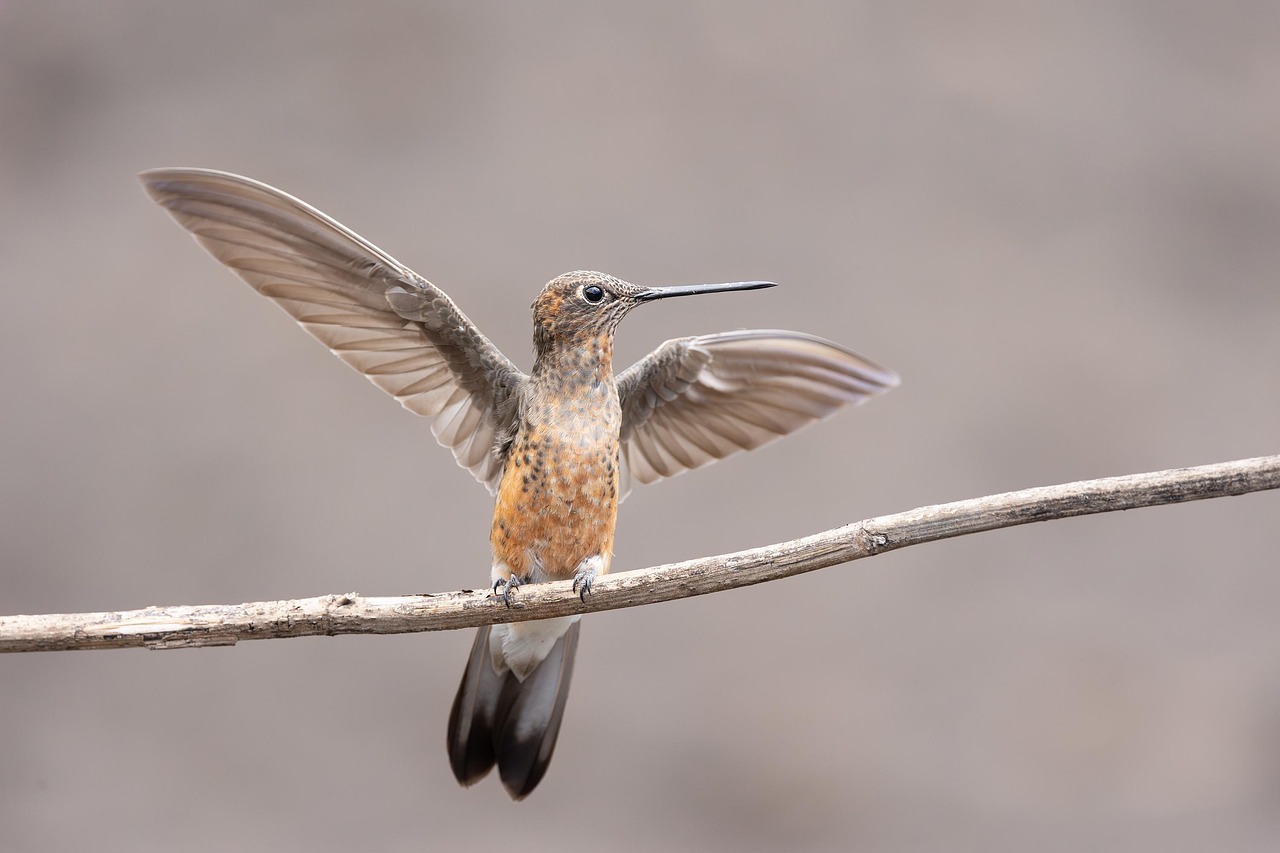
Safe perching spots are just as vital as food and water. Hummingbirds spend a significant portion of their day resting to conserve energy. By strategically placing small, dead branches or installing thin, horizontal wires in sheltered areas of your garden, you provide them with perfect vantage points to survey their territory. When selecting plants, aim for a mix of nectar-heavy flowers and dense shrubs. The shrubs offer essential cover from predators and protection from harsh weather, while the flowers provide the fuel. By combining these elements—clean, moving water, a pesticide-free food supply, and secure resting spots—you transform your backyard into a reliable, year-round haven for these remarkable pollinators.
Common Questions and Long-Term Care
Many gardeners wonder if they should supplement their flower beds with artificial hummingbird feeders. While feeders provide a reliable energy source during migration or periods of low bloom, natural flowers are always the preferred choice. Nectar-rich plants offer a more sustainable, diverse nutritional profile and support the broader ecosystem hummingbirds rely on.
If you decide to use a feeder, cleanliness is non-negotiable. Fermented sugar water can harbor dangerous bacteria or mold that causes avian illness. If you ever notice a bird that appears lethargic, has matted feathers, or seems unable to fly, do not attempt to handle it. Contact a local wildlife rehabilitation center immediately for professional guidance, as they have the expertise to provide necessary medical care.
Maintaining a healthy garden environment also requires diligent equipment care. Hummingbirds thrive in lush, disease-free landscapes, and your maintenance habits play a direct role in plant health. Regularly inspecting your hand tools ensures that you are providing the best care for your nectar-producing perennials and shrubs.
Follow these maintenance tips to keep your garden tools in top condition:
- Check for Rust: Oxidation on metal blades can harbor pathogens. Remove rust with a wire brush and a light coating of oil to prevent future corrosion.
- Sharpen Blades Regularly: Dull pruning shears crush plant tissue rather than slicing through it. Clean, sharp cuts heal faster, significantly reducing the risk of fungal infections or pest infestations in your flowers.
- Sanitize Equipment: Wipe your blades with rubbing alcohol between plants, especially if you are pruning back spent blooms. This simple step prevents the accidental spread of disease from one plant to another.
- Store Properly: Keep your outdoor power equipment and hand tools in a dry, covered area. Moisture is the primary enemy of metal longevity and structural integrity.
By keeping your tools sharp and your garden well-tended, you create a vibrant, thriving habitat. A clean, well-pruned garden encourages more vigorous blooming, which in turn provides more nectar for your hummingbirds. Focus on long-term plant health rather than quick fixes, and you will be rewarded with a reliable sanctuary that attracts these pollinators season after season.

Dedicated team of gardening enthusiasts with years of hands-on experience testing lawn mowers, gardening tools, and outdoor equipment. We help home gardeners and professionals alike make informed buying decisions with honest, thorough reviews. From push mowers to pruning shears, we test it all so you don’t have to. Got a gardening tool you’d like us to review? Get in touch!