
Attracting hummingbirds to your house is best achieved by planting native, nectar-rich flowers and installing clean, reliable feeders. These vibrant creatures are a delightful addition to any garden, providing both remarkable beauty and effective natural pest control for your outdoor space throughout the active spring and summer seasons.
Creating an inviting habitat requires more than just hanging a feeder; it involves thoughtful garden maintenance and a commitment to safe practices. While these birds are naturally curious, they rely on a consistent environment free from harsh chemicals. Setting realistic expectations ensures you provide a sustainable sanctuary that encourages frequent, long-term visits.
This guide outlines the essential steps to create an ideal environment using the right plants, specialized equipment, and proper garden maintenance practices. From selecting the best hand tools for pruning to choosing efficient outdoor power equipment for lawn care, we provide practical, actionable advice to help you transform your yard into a hummingbird paradise.
Choose the Right Nectar-Rich Plants
The most effective way to transform your yard into a hummingbird sanctuary is by prioritizing native, nectar-rich plants. Hummingbirds have high metabolisms and require a constant supply of energy, making your choice of flora the single most important factor in attracting them to your home.
Focus your landscape design on tubular, brightly colored blooms. These shapes are perfectly adapted to the hummingbird’s long beak and tongue, while the vibrant colors—particularly reds, oranges, and pinks—act as natural beacons for these birds. To maximize your success, integrate these high-performance options:
- Trumpet Vine: A vigorous climber that produces profuse, nectar-heavy flowers.
- Bee Balm (Monarda): A perennial favorite that thrives in moist soil and offers a long blooming window.
- Salvia: Available in many varieties, these plants are reliable producers that hummingbirds visit repeatedly.
- Columbine: An excellent choice for early spring, providing food before many other plants have matured.
When selecting your plants, avoid modern hybrids that have been bred for double petals or showy appearances, as these often contain significantly less nectar than their wild counterparts. Always prioritize native species, as they are naturally synchronized with the local environment and the migration patterns of native hummingbird populations.
A successful garden requires a staggered blooming schedule. If all your flowers bloom simultaneously in June, your hummingbirds will leave by July. Plan your garden beds to ensure that different species peak at different times throughout the spring and summer. By layering early, mid, and late-season bloomers, you create a reliable, consistent food source that encourages hummingbirds to nest nearby and return year after year.
When installing these plants, use quality hand tools like a sturdy trowel and a transplanting spade to ensure deep, healthy root establishment. Proper soil preparation is essential; amend your planting holes with organic compost to provide the nutrients these nectar-producers need to thrive. Once established, keep your garden beds well-maintained by deadheading spent flowers, which often encourages the plant to put its energy into producing a second flush of nectar-rich blooms. By maintaining a healthy, diverse landscape, you provide the essential fuel these birds need to flourish in your own backyard.
Setting Up and Maintaining Hummingbird Feeders
While cultivating nectar-rich flowers is the most sustainable way to support hummingbirds, supplemental feeders are essential for ensuring a consistent food source, especially while your perennials and annuals are still maturing. Feeders provide a reliable energy boost that keeps these high-metabolism birds returning to your garden throughout the season.
The most effective and safest nectar recipe is simple: mix one part white granulated sugar with four parts water. Bring the water to a boil to ensure the sugar dissolves completely, then let it cool entirely before filling your feeder. Never use honey, which can cause dangerous fungal infections, or artificial sweeteners, which provide no nutritional value. Avoid adding red dye, as it is unnecessary and potentially harmful to the birds.
Proper maintenance is critical for bird health. Fermented sugar water or mold growth can be fatal to hummingbirds, so keeping your equipment clean is non-negotiable. Follow these maintenance steps to ensure a safe environment:
- Clean your feeders at least twice a week, or more frequently during hot, humid weather when bacteria thrive.
- Use hot water and a dedicated long-handled bottle brush to scrub the interior, paying close attention to the feeding ports where residue accumulates.
- Avoid using harsh soaps or detergents, which can leave toxic chemical traces; a mild vinegar solution is a safe, natural alternative for disinfecting.
- Rinse the feeder thoroughly with clean water until no scent remains before refilling.
When selecting your gear, look for feeders designed for easy disassembly. The fewer crevices and hidden corners a feeder has, the easier it will be to maintain with your hand tools and brushes. If you notice black spots inside the reservoir or the nectar appears cloudy, discard the liquid immediately and perform a deep cleaning.
Place your feeders in a shaded area to prevent the sugar water from spoiling quickly under direct sun. By maintaining a strict cleaning schedule and using a fresh, simple syrup, you create a safe, inviting sanctuary that hummingbirds will visit repeatedly. As you manage your lawn and garden, keep your cleaning supplies in a convenient outdoor storage bin so that feeder maintenance becomes a seamless part of your regular yard care routine.

Creating a Hummingbird-Friendly Environment
Attracting hummingbirds requires more than just nectar-rich flowers; you must transform your yard into a sanctuary that mimics their natural habitat. While food sources draw them in, providing safe perching spots and water features will encourage these birds to linger and nest nearby.
To create a welcoming environment, focus on these essential landscape maintenance strategies:
- Install a mister or shallow fountain: Hummingbirds rarely use traditional deep birdbaths. Instead, they prefer to fly through fine mists or hover near shallow, moving water. A simple misting nozzle attached to a garden hose or a specialized solar-powered fountain can provide the perfect bathing experience.
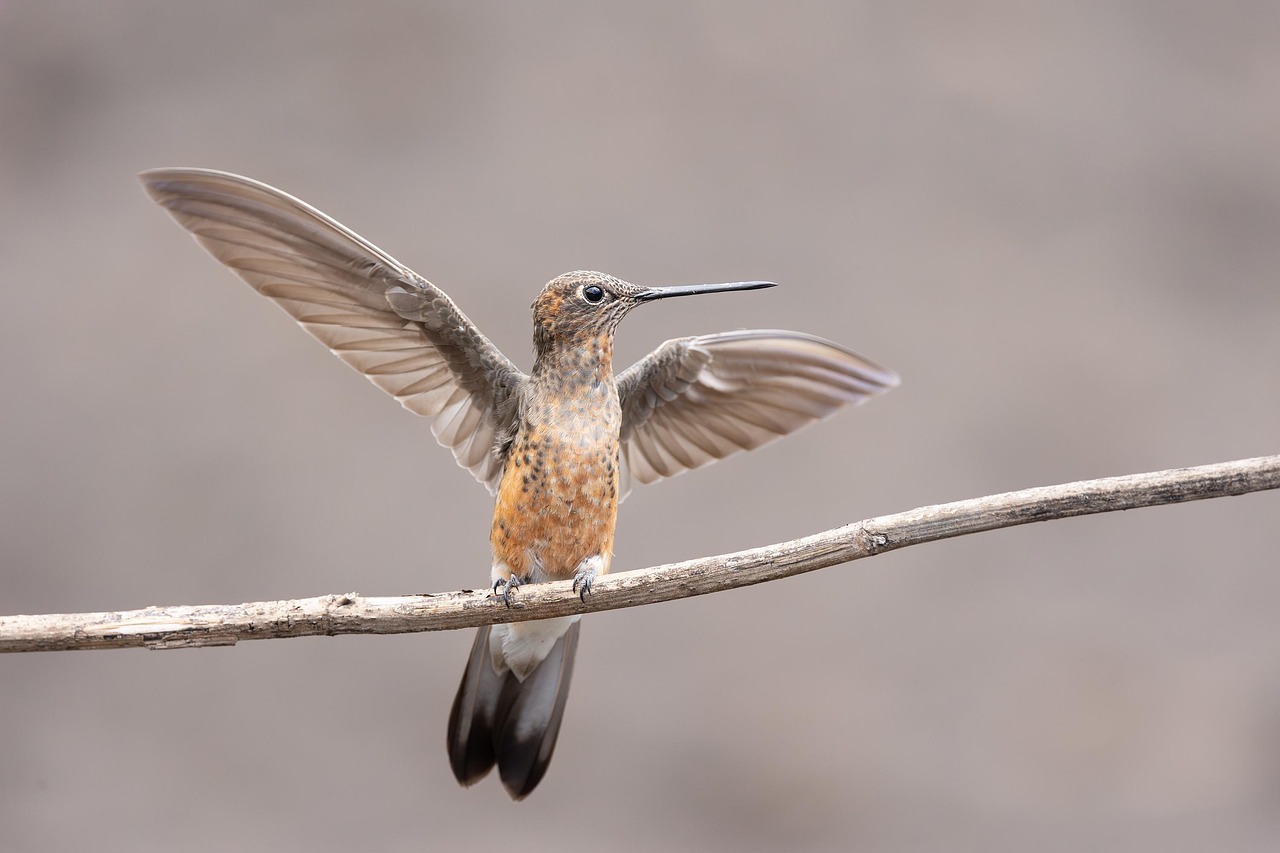
- Provide strategic perches: Hummingbirds spend a significant portion of their day resting to conserve energy. Use hand pruners to leave small, dead twigs on shrubs or install thin, horizontal branches in open areas. These provide ideal vantage points for them to watch over their territory.
- Maintain an organic landscape: Hummingbirds consume small insects and spiders to meet their protein requirements. Avoid using chemical pesticides or herbicides in your garden, as these eliminate the very food sources the birds rely on. Instead, use manual weeding tools and organic mulch to manage your garden beds.
- Create shelter: Dense shrubs and trees offer protection from predators and harsh weather. When performing seasonal garden maintenance, avoid aggressive pruning during nesting season. Keep your lawn care equipment focused on defined areas, leaving corners of your yard slightly “wild” to provide the cover hummingbirds need to feel secure.
When selecting plants, aim for a layered approach. Incorporate tall trees for nesting, medium-sized shrubs for shelter, and low-growing perennials for feeding. By keeping your outdoor power equipment use to a minimum during the peak morning and evening feeding hours, you reduce noise pollution, making your garden a quieter, more inviting space for these sensitive creatures.
Finally, remember that water quality is as important as availability. If you use a birdbath or mister, clean it weekly with a soft brush and fresh water to prevent algae growth and bacteria. A clean, mist-filled garden is the ultimate invitation for hummingbirds to make your home a permanent stop on their flight path.
Safe Gardening Practices and Tool Use
Creating a hummingbird-friendly sanctuary requires careful garden maintenance. By using the right tools correctly, you promote the vibrant, healthy plant growth that attracts these birds while keeping your workspace safe and efficient.
Start with high-quality hand tools. Use sharp, bypass pruning shears when maintaining shrubs and nectar-rich flowers. A clean, precise cut helps plants heal faster and prevents disease, which is essential for maintaining a lush, nectar-filled environment. Always keep your blades clean and oiled to ensure smooth operation throughout the season.
When working with your landscape, prioritize personal protection and site safety:
- Wear durable gloves: Always use heavy-duty gardening gloves when handling thorny roses or dense, woody perennials. This protects your hands from scratches and potential infections while you prune.
- Clear your workspace: Before operating outdoor power equipment like hedge trimmers, thoroughly inspect the area. Remove loose rocks, sticks, and garden debris that could become dangerous projectiles if caught in the blades.
- Use eye protection: When shaping nesting areas or trimming hedges, always wear safety glasses. They are vital for shielding your eyes from fine dust, sap, and flying plant matter that can be kicked up by motorized tools.
When using power equipment to maintain hedges, move slowly and deliberately. Hummingbirds often seek shelter in dense foliage, so avoid aggressive trimming during nesting season. By keeping your tools well-maintained and your technique precise, you minimize stress on your plants and create a safer, more inviting habitat for visiting birds.
Finally, keep your garden maintenance routine consistent but gentle. Avoid over-pruning, as hummingbirds rely on the structure of your garden for security. If you are using gas-powered equipment, consider switching to electric or battery-operated tools; they are generally quieter, which helps keep your garden environment calm and less disruptive for the wildlife you are trying to attract. By staying mindful of your equipment use, you ensure that your gardening efforts translate into a beautiful, thriving ecosystem that hummingbirds will return to year after year.

Frequently Asked Questions and Ongoing Care
Creating a reliable haven for hummingbirds requires more than just filling a feeder. Consistent maintenance of your outdoor space ensures that these delicate visitors return season after season. By integrating smart garden habits with proper equipment care, you create a safe, inviting environment.
When to Hang Feeders
Timing is critical for supporting migrating populations. Begin hanging your feeders as soon as you spot the first hummingbirds in your area. Keep them active until two weeks after your final sighting of the season. This ensures that late-season migrants have the high-energy fuel they need to complete their journey.
Ongoing Maintenance and Safety
A clean feeder is essential for bird health. Use a soft-bristled hand brush to scrub the feeding ports weekly, ensuring no mold or fermented sugar builds up. When working in your garden, keep your hand tools sharp and clean to prevent the spread of plant diseases that could affect the nectar-producing flowers hummingbirds rely on.
To keep your hummingbird habitat safe and thriving, follow these best practices:
- Pest Deterrence: Use ant moats on feeder hooks to prevent crawling insects from contaminating the nectar. Avoid using chemical pesticides in your garden, as these can harm the small insects that hummingbirds also eat for protein.
- Minimize Disturbance: If you discover a hummingbird nest, maintain a respectful distance. Do not prune nearby shrubs or use loud power equipment, such as leaf blowers or string trimmers, in the immediate vicinity until the fledglings have left.
- Monitor Behavior: If you observe birds acting lethargic, unable to fly, or showing signs of injury, avoid handling them directly. Contact a local wildlife rehabilitation expert or your state’s wildlife agency for professional guidance.
Equipment Care
Your outdoor power equipment and garden tools play a role in habitat management. Keep your lawn care equipment in good working order to ensure precise, quiet operation. When pruning nectar-rich perennials, use clean, sharp bypass pruners to make clean cuts, which helps plants recover quickly and produce more blooms. By maintaining your tools and feeders with care, you provide a consistent, disease-free landscape that hummingbirds will recognize as a safe sanctuary year after year.

Dedicated team of gardening enthusiasts with years of hands-on experience testing lawn mowers, gardening tools, and outdoor equipment. We help home gardeners and professionals alike make informed buying decisions with honest, thorough reviews. From push mowers to pruning shears, we test it all so you don’t have to. Got a gardening tool you’d like us to review? Get in touch!