
Attracting hummingbirds to your home is achieved by providing a consistent food source and a secure, welcoming habitat. These delightful creatures require specific conditions to thrive, making your backyard setup essential for their frequent visits. By carefully selecting the right plants and maintaining your outdoor space, you can easily turn your garden into a vibrant, buzzing sanctuary.
Creating a hummingbird haven requires more than just hanging a feeder; it demands a thoughtful approach to your overall landscape. You must balance nectar-rich flowers with proper garden maintenance to ensure these birds feel safe and well-fed. While success depends on local migration patterns and your specific climate, these proven strategies will significantly increase your odds of success.
This comprehensive guide covers how to create a welcoming environment using the best plants, reliable feeders, and essential garden maintenance practices. We will explore the necessary hand tools and outdoor power equipment needed to keep your sanctuary pristine. Follow these practical steps to transform your backyard into a hummingbird paradise that you can enjoy throughout the entire season.
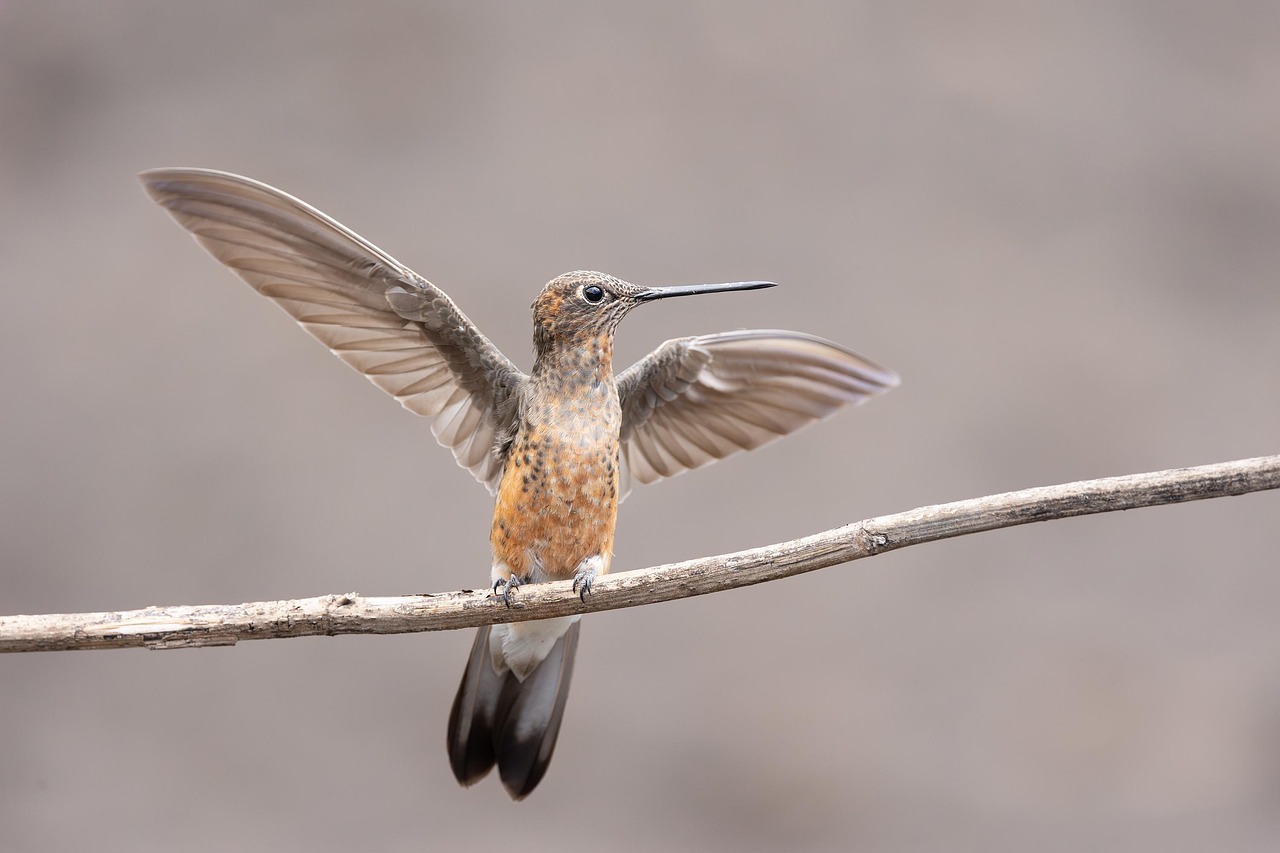
Choose the Right Hummingbird-Friendly Plants
Creating a hummingbird haven begins with selecting the right flora. These birds possess high metabolisms and require a constant supply of nectar, making your plant choices the most critical factor in attracting them. Focus on native species, as they are naturally adapted to your local climate and provide the most reliable nutrition for local hummingbird populations.
Hummingbirds are anatomically designed to feed from tubular-shaped flowers. Their long, slender beaks and specialized tongues are perfect for reaching deep into these blossoms. To maximize your garden’s appeal, prioritize the following nectar-rich varieties:
- Bee Balm (Monarda): A perennial favorite that provides vibrant, nectar-filled blooms throughout the summer.
- Salvia: Available in many varieties, these plants offer long-lasting, tubular flowers that hummingbirds find irresistible.
- Penstemon: These hardy plants produce bell-shaped flowers that are perfectly suited for hummingbird feeding.
- Trumpet Vine: A vigorous climber that provides a massive amount of nectar, though it should be planted in areas where it can be contained.
To keep hummingbirds in your yard from spring through autumn, you must plan for a continuous bloom cycle. If your garden only flowers for a few weeks, the birds will move on to more reliable food sources. Aim to stagger your plantings so that as one species finishes its bloom, another begins. Incorporating early-season, mid-season, and late-season bloomers ensures a consistent food supply that encourages hummingbirds to nest nearby and return year after year.
When preparing your garden beds, use high-quality hand tools like a sharp trowel and hand rake to ensure proper soil aeration and planting depth. Proper maintenance is essential; regularly deadheading spent blooms encourages plants to produce more nectar-rich flowers rather than diverting energy into seed production. Keep your garden organic by avoiding synthetic pesticides, as these can be toxic to the very insects hummingbirds also consume for protein. A well-maintained, chemical-free garden not only provides the necessary nectar but also creates a healthy ecosystem that supports the birds’ complete dietary needs. By choosing native, tubular plants and maintaining them with care, you provide a sustainable sanctuary that will keep your garden buzzing with activity all season long.
Setting Up and Maintaining Feeders
Setting up and maintaining feeders is one of the most effective ways to invite hummingbirds into your garden. While natural nectar sources are ideal, supplemental feeders provide a reliable energy boost, especially during migration or peak summer heat. To create a safe, healthy environment for these birds, consistency and hygiene are essential.
The solution you provide must mimic natural nectar. Mix four parts water with one part white granulated sugar. Boil the water first to ensure it is clean and to help the sugar dissolve completely, then let it cool entirely before filling your feeders. Never use honey, which promotes dangerous fungal growth, or brown sugar and molasses, which contain iron levels that can be toxic to hummingbirds. Furthermore, avoid adding red dye to the mixture; the bright red color of the feeder itself is sufficient to attract them.
Proper maintenance is critical to prevent the spread of avian diseases. Hummingbirds are sensitive to mold, which can grow rapidly in warm, sugary water. Follow these best practices to keep your feeders safe:
- Clean feeders at least twice a week. In extreme heat, clean them every other day to prevent fermentation.
- Use hot water and a dedicated bottle brush to scrub the interior of the reservoir and the feeding ports.
- Avoid harsh chemical soaps. If you must use soap, ensure it is mild and rinse the feeder thoroughly until no residue remains.
- Inspect the feeder for cracks or damaged gaskets where mold might hide.
Placement also plays a role in maintenance. Hang your feeders in a shaded area away from direct sunlight to slow down the fermentation process of the sugar water. If you notice the solution becoming cloudy or see black spots inside the feeder, take it down immediately, discard the contents, and perform a deep cleaning.
By keeping your equipment clean and using a simple, fresh sugar-water mixture, you create a dependable food source that hummingbirds will return to throughout the season. This routine maintenance not only protects the birds but also ensures that your garden remains a vibrant, welcoming habitat. When you prioritize feeder hygiene, you spend less time worrying about health risks and more time enjoying the spectacular sight of hummingbirds visiting your home.

Creating a Safe and Welcoming Habitat
To turn your garden into a hummingbird sanctuary, you must look beyond nectar sources. These birds require a habitat that offers security, shelter from the elements, and safe perching spots. By layering your landscape with a mix of small shrubs, dense evergreens, and deciduous trees, you provide the necessary cover for hummingbirds to rest and hide from predators.
Strategic placement is key. Position your perching spots within a few feet of feeders and water sources. Hummingbirds are territorial and prefer to survey their food supply from a nearby branch before diving in. If you are shaping your landscape to create these zones, proper maintenance is essential for both plant health and bird safety.
When using gardening tools to prune branches for better visibility or to encourage denser growth, follow these safety and horticultural best practices:
- Prioritize Sharpness: Always use sharp, high-quality bypass pruners or loppers. Dull blades crush plant tissue rather than slicing it, creating jagged wounds that take longer to heal and can harbor fungal diseases or pests harmful to the plant.
- Wear Eye Protection: When working with outdoor power equipment or manual hand tools, always wear safety glasses. Flying debris and stray twigs pose a significant risk to your eyes during routine garden maintenance.
- Clean Your Equipment: Disinfect your blades with rubbing alcohol between plants. This prevents the accidental spread of pathogens throughout your garden, ensuring your habitat remains a healthy environment for visiting wildlife.
- Make Clean Cuts: Cut at a 45-degree angle just above a bud or branch collar. This promotes rapid healing and prevents water from pooling on the cut surface, which reduces the risk of rot.
Beyond pruning, consider the physical structure of your outdoor space. Hummingbirds often use small, twiggy branches to preen and rest. If your garden consists mostly of large, broad leaves, add smaller flowering shrubs or ornamental grasses to provide the intricate structure they prefer. Avoid the use of heavy-duty pesticides or herbicides in these areas. These chemicals can contaminate nectar sources and eliminate the tiny insects that hummingbirds rely on for essential protein. By maintaining your garden with clean tools and organic practices, you create a sustainable, welcoming haven that encourages hummingbirds to return to your yard season after season.
Essential Garden Maintenance and Safety
Maintaining a vibrant, bird-friendly landscape requires a balance between tidy aesthetics and natural habitats. While keeping your garden well-groomed helps nectar-rich plants thrive, the equipment you use can inadvertently disrupt the very wildlife you are trying to attract. Always prioritize the safety of hummingbirds and their delicate nesting sites during routine maintenance.
Before firing up power trimmers or edgers, perform a visual sweep of your flower beds. Hummingbirds often build tiny, camouflaged nests in the forks of tree branches or dense shrubs. If you are trimming hedges or clearing tall grasses, move slowly and inspect the foliage for activity before making any cuts. If you spot a nest, leave a wide buffer zone until the fledglings have departed.
When operating outdoor power equipment, follow these safety protocols to protect both your garden and your household:
- Clear the zone: Keep children and pets indoors while using loud or high-speed equipment to prevent accidents and minimize stress on nesting birds.
- Gear up: Always wear sturdy, closed-toe boots and heavy-duty work gloves to protect yourself from debris and sharp garden tools.
- Control the reach: Use hand pruners or shears for precision work near delicate blooms to avoid accidentally damaging the nectar sources hummingbirds depend on.
- Maintain equipment: Keep blades sharp to ensure clean, quick cuts that heal faster for the plant, reducing the risk of disease.
Perhaps the most critical aspect of garden maintenance is your approach to pest control. Hummingbirds do not live on nectar alone; they require protein from small insects and spiders to survive and raise their young. Avoid using chemical pesticides or insecticides in your landscape, as these products kill the beneficial bugs that hummingbirds hunt. Instead, embrace a natural approach by encouraging biodiversity, which provides a sustainable food source for your avian visitors.
Finally, keep your hand tools organized and stored in a shed or garage when not in use. This prevents accidental damage to your garden beds and ensures that sharp edges do not pose a hazard to curious pets or local wildlife. By combining careful tool use with organic gardening practices, you create a safe, welcoming sanctuary that hummingbirds will return to year after year.

Common Questions and Ongoing Care
A common concern among gardeners is whether maintaining sugar-water feeders discourages hummingbirds from pollinating nearby flowers. Rest assured, feeders do not replace natural foraging. Hummingbirds are instinctual nectar seekers that rely on a diverse diet. They will continue to visit your perennials and annuals for essential nutrients and insects, even when feeders are present. In fact, providing both sources creates a more reliable habitat that encourages birds to stay in your garden longer.
Ongoing garden maintenance is vital for keeping these visitors safe. If you observe a hummingbird acting lethargic, struggling to fly, or showing signs of visible injury, do not attempt to handle or treat the bird yourself. Instead, contact a local wildlife rehabilitator immediately for professional guidance. Quick action is often the difference between recovery and a fatal outcome.
To optimize your garden for hummingbirds, consider keeping a seasonal log. Tracking the dates when birds first arrive in your area and when they depart helps you refine your gardening strategy for the following year. Use this data to coordinate your efforts:
- Spring Planting: Schedule your planting so that high-nectar flowers are in full bloom exactly when the first migrants arrive.
- Feeder Setup: Place your feeders out a week before your recorded historical arrival date to ensure a food source is ready for hungry travelers.
- Tool Maintenance: Keep your hand tools and pruning shears clean and sharp. Well-maintained tools allow you to deadhead flowers efficiently, which encourages plants to produce more nectar-rich blooms throughout the season.
Practical home gardening for hummingbirds is a balance of patience and observation. While your outdoor power equipment—such as leaf blowers or lawn mowers—is necessary for general lawn care, try to minimize noise and activity during the peak morning hours when hummingbirds are most active. If you must perform heavy maintenance, work in sections to allow the birds to move to quieter parts of your yard. By creating a predictable, low-stress environment, you ensure that your garden remains a preferred destination for these remarkable pollinators year after year.

Dedicated team of gardening enthusiasts with years of hands-on experience testing lawn mowers, gardening tools, and outdoor equipment. We help home gardeners and professionals alike make informed buying decisions with honest, thorough reviews. From push mowers to pruning shears, we test it all so you don’t have to. Got a gardening tool you’d like us to review? Get in touch!