
Transforming your balcony into a hummingbird sanctuary is achievable even in small spaces. By selecting the right nectar-rich plants and installing specialized feeders, you can easily attract these vibrant pollinators to your home. With a few strategic adjustments to your outdoor setup, your urban balcony will quickly become a buzzing, lively haven for local wildlife.
While hummingbirds are naturally drawn to bright colors and high-energy food sources, creating a successful habitat requires patience and consistency. You do not need a sprawling backyard to see results, but you must prioritize safety and maintenance. Understanding how to manage your space effectively ensures these delicate birds remain healthy visitors throughout the entire season.
This guide covers the essential plants, feeders, and safety considerations needed to invite these pollinators to your home. We will walk you through the best gardening tools and maintenance tips to keep your balcony ecosystem thriving. Follow these practical steps to optimize your outdoor area and enjoy the frequent company of hummingbirds right outside your window.
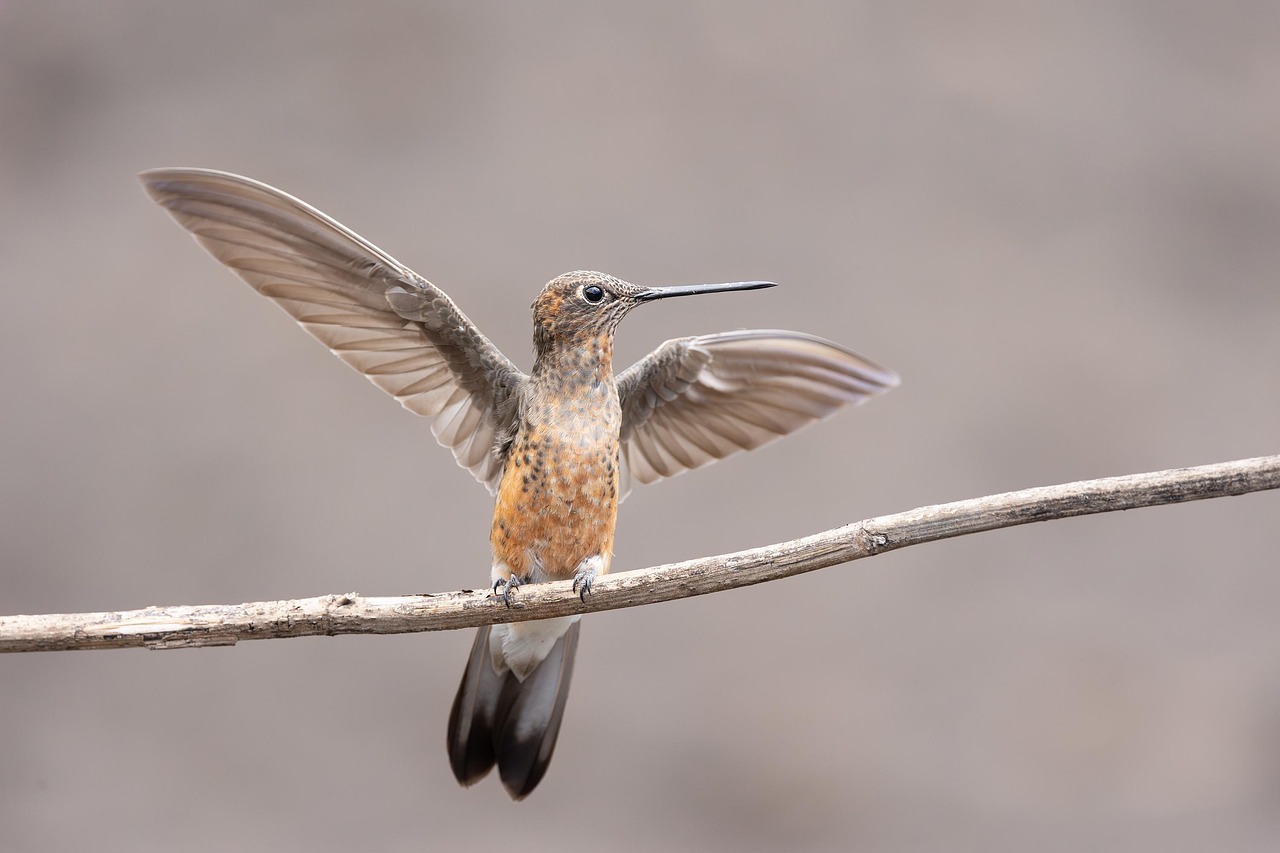
Selecting the Right Hummingbird Feeders
Selecting the right feeder is the most critical step in transforming your balcony into a hummingbird sanctuary. Because hummingbirds are naturally drawn to the color red, prioritize feeders that feature bright red accents, petals, or bases. This visual cue acts as a beacon, signaling a reliable food source to passing birds.
Beyond aesthetics, functionality is paramount for the health of your visitors. Hummingbird nectar is a sugar solution that ferments quickly, especially in warm, sun-exposed balcony environments. To prevent the growth of harmful mold and bacteria, you must clean your feeder at least twice a week. Choose models designed for simple maintenance:
- Wide-mouth openings: These allow for easy filling and ensure you can reach the interior with a bottle brush.
- Few components: Feeders with minimal parts are faster to disassemble, scrub, and sanitize.
- Dishwasher-safe materials: If you prefer convenience, look for high-quality, BPA-free plastic or glass options labeled as dishwasher-safe.
Avoid feeders with complex, narrow crevices where mold can hide, as these are difficult to disinfect thoroughly. If you cannot reach every corner of the feeder with a brush, it is not safe for long-term use.
Once you have selected an easy-to-clean model, secure mounting is essential for safety and stability. Balconies can be windy, and a swinging feeder may spill nectar or startle birds. Use heavy-duty metal wall brackets or specialized railing clamps designed for your specific balcony configuration. Avoid using temporary adhesives or light-duty suction cups, which can fail under the weight of a full feeder or during a gust of wind.
When installing your hardware, ensure the feeder hangs at a height that is easy for you to reach for daily monitoring and cleaning, but high enough to be out of reach of curious pets. By combining a high-visibility red design with a strict sanitation routine and rock-solid mounting, you create a safe, inviting environment that hummingbirds will return to throughout the season. Remember, a clean feeder is far more attractive to a hummingbird than a dirty one, so prioritize ease of disassembly above all else when making your purchase.
Choosing Bird-Friendly Balcony Plants
Attracting hummingbirds to a balcony requires selecting nectar-rich plants that provide a reliable food source. These high-energy birds are particularly drawn to tubular-shaped flowers in vibrant shades of red, orange, and pink. To create an ideal feeding station, prioritize varieties like fuchsia, salvia, and petunias, which offer the high-sugar nectar these birds need to fuel their rapid metabolisms.
Because balcony space is often limited, you must use your gardening tools and hardware strategically to maximize your planting area. Vertical gardening and hanging baskets are the most efficient ways to increase floral density without cluttering your floor space. When setting up these systems, consider the following practical steps to ensure safety and longevity:
- Assess Structural Capacity: Before installing heavy ceramic pots or large window boxes, verify that your balcony structure can safely support the combined weight of the container, damp soil, and mature plants.
- Secure Your Containers: Use heavy-duty mounting hardware, such as galvanized steel brackets or reinforced nylon straps, to anchor planters firmly to railings or walls. This prevents them from tipping over during high winds, which is a common hazard on elevated balconies.
- Optimize Drainage: Ensure every container has adequate drainage holes. Use a quality potting mix rather than heavy garden soil to reduce overall weight and prevent root rot.
- Vertical Tool Usage: Utilize long-reach hand tools, such as extended-reach pruners or watering wands, to maintain hanging baskets and high-mounted vertical planters without needing a ladder, which can be unstable on balcony surfaces.
When arranging your plants, aim for a layered effect. Placing taller plants or vertical trellises at the back and trailing varieties like fuchsia in hanging baskets creates a lush, tiered environment that hummingbirds find inviting. Keep your maintenance routine consistent by deadheading spent blooms regularly; this encourages the plant to direct its energy into producing more nectar-rich flowers throughout the season.
Finally, avoid using chemical pesticides or synthetic fertilizers on your balcony plants. Hummingbirds are highly sensitive to toxins, and even small amounts of residue on petals can be harmful. Opt for organic, slow-release fertilizers and integrated pest management techniques, such as manual removal or neem oil, to keep your garden healthy and safe for your visiting pollinators.

Safe Installation and Maintenance
Installing hummingbird feeders and hanging plants requires a few essential hand tools, but safety must remain your top priority. Before you begin, ensure your workspace is clear of clutter. When using a power drill to mount brackets into balcony walls or railings, always wear safety glasses to shield your eyes from flying masonry dust or wood splinters.
If your balcony is elevated, focus on maintaining a stable, wide stance. Never lean over the railing to reach a mounting point. If a spot is difficult to access, use a sturdy step stool rather than overextending your reach. If you are unsure about the structural integrity of your balcony wall, consult a professional rather than risking a loose installation that could fall.
Keep your garden maintenance tools organized to prevent accidents. A disorganized workspace on a balcony is a recipe for disaster, as dropped tools can cause serious injury to people or pets below. Follow these best practices to maintain a safe environment:
- Secure your workspace: Place all hand tools, screws, and drill bits in a heavy-duty tool belt or a secured container rather than leaving them loose on the ground.
- Check your equipment: Before starting, inspect your power drill and bits for damage. Ensure batteries are fully charged so you aren’t struggling with equipment while leaning over the edge.
- Clear the area below: If possible, ensure the area directly beneath your balcony is clear of foot traffic while you are working. If you are working in an apartment building, notify neighbors below that you are performing maintenance.
- Use proper fasteners: Always use hardware specifically rated for the weight of your feeder and the type of material you are drilling into. Hummingbird feeders become significantly heavier once filled with sugar water.
After installation, perform a final check on all brackets and hooks. Give them a firm tug to ensure they are secure. Regularly inspect these mounts throughout the season, as outdoor power equipment vibration or harsh weather can loosen screws over time. By keeping your tools organized and your installation techniques precise, you create a safe, welcoming environment for both yourself and the hummingbirds you hope to attract.
Creating a Welcoming Environment
Transforming your balcony into a hummingbird sanctuary requires more than just nectar-rich flowers. To attract these high-energy visitors, you must create a safe, inviting environment that mimics their natural habitat while respecting the constraints of a small urban space.
Hummingbirds require a reliable source of clean water for both drinking and preening. Because they are wary of deep water, choose a shallow birdbath or a specialized mister. A mister is particularly effective, as hummingbirds often prefer to fly through fine sprays of water to clean their feathers. Ensure you clean these water sources daily with a soft brush and fresh water to prevent algae buildup and mosquito breeding.
Safety is paramount when designing your balcony layout. Hummingbirds are agile flyers, but they need clear, unobstructed flight paths to enter and exit your space without colliding with glass or furniture. Keep your balcony clutter-free by organizing your gardening tools and lawn care equipment in a dedicated storage box or vertical rack. This minimizes physical obstacles and ensures the area remains tidy.
When maintaining your container garden, prioritize organic practices. Hummingbirds rely on small insects for protein, and they are highly sensitive to toxins. Avoid using synthetic pesticides, herbicides, or harsh chemical fertilizers on your balcony plants, as these can be fatal if ingested or absorbed through their feet. Instead, use these practical maintenance tips to keep your plants healthy:
- Manual Pest Control: Use a gentle stream of water from a spray bottle or a soft-bristled hand tool to remove aphids from foliage rather than relying on chemical sprays.
- Organic Fertilization: Opt for liquid seaweed or fish emulsion fertilizers, which provide nutrients without leaving toxic residues.
- Pruning: Use sharp, clean hand pruners to deadhead flowers, which encourages continuous blooming and keeps the plant structure open for easy access.
Finally, provide a place for these birds to rest. Hummingbirds spend a significant portion of their day perched to conserve energy. If space allows, include a small, leafy shrub in a large pot or a decorative trellis with thin, sturdy stems. By keeping the environment free of chemicals and providing clear, accessible perches, you create a peaceful oasis that hummingbirds will return to throughout the season.

Ongoing Care and Troubleshooting
Maintaining a hummingbird-friendly balcony requires consistent attention to hygiene and equipment safety. Because nectar ferments quickly in warm weather, cleanliness is your top priority. Fermented sugar water can harbor dangerous mold and bacteria that cause illness in hummingbirds.
To keep your feeders safe, follow this routine:
- Clean all feeder components thoroughly every three to four days.
- Use a solution of one part white vinegar to two parts hot water to sanitize the plastic or glass.
- Rinse the feeder extensively with clean water to ensure no vinegar residue remains before refilling.
- Use a small bottle brush to reach inside narrow ports where mold often hides.
If you notice unwanted visitors like ants or bees, you do not need to resort to harsh chemicals, which can be toxic to birds. Instead, rely on physical barriers. An ant moat—a small cup filled with water placed above the feeder—creates an impassable barrier for crawling insects. If bees are a persistent problem, swap your current model for a bee-proof feeder design, which features smaller feeding ports or specialized guards that prevent insects from reaching the nectar.
Beyond sanitation, the structural integrity of your balcony is paramount. Hummingbird feeders, especially those filled with nectar, become significantly heavier than they appear. Furthermore, constant exposure to wind and outdoor elements can weaken mounting hardware over time. Always inspect your hooks, brackets, and railings for signs of rust, loose screws, or material fatigue.
If you are planning a complex setup, such as installing heavy-duty mounting arms or drilling into balcony walls, proceed with caution. Many apartment or condo balconies have specific weight limits or prohibited modification policies. If you have any concerns regarding the structural capacity of your balcony or the safety of your mounting method, consult a professional contractor. A quick assessment by an expert ensures your setup is secure, protecting both your neighbors below and the birds you are working so hard to attract. Prioritizing safety and cleanliness creates a sustainable environment where hummingbirds will feel comfortable returning throughout the season.

Dedicated team of gardening enthusiasts with years of hands-on experience testing lawn mowers, gardening tools, and outdoor equipment. We help home gardeners and professionals alike make informed buying decisions with honest, thorough reviews. From push mowers to pruning shears, we test it all so you don’t have to. Got a gardening tool you’d like us to review? Get in touch!