
Transforming your outdoor space into a hummingbird sanctuary is a rewarding project that combines thoughtful landscaping with simple maintenance. To attract these energetic pollinators, you must provide a consistent food source through nectar-rich flowers and reliable water features. Selecting the right plants and maintaining a clean environment are the most effective ways to invite them home.
Creating a thriving habitat requires more than just picking a few bright blossoms. You will need to manage your garden space effectively, ensuring your lawn care equipment and hand tools are ready to handle seasonal planting and pruning. Consistency is key, as hummingbirds will return to reliable areas that offer both safety and nourishment.
This guide outlines the essential steps to create a welcoming environment for these energetic pollinators using the right tools and planting strategies. We will explore how to use your outdoor power equipment for site preparation and offer practical home gardening tips to keep your backyard blooming. Get ready to turn your garden into a buzzing hummingbird haven.
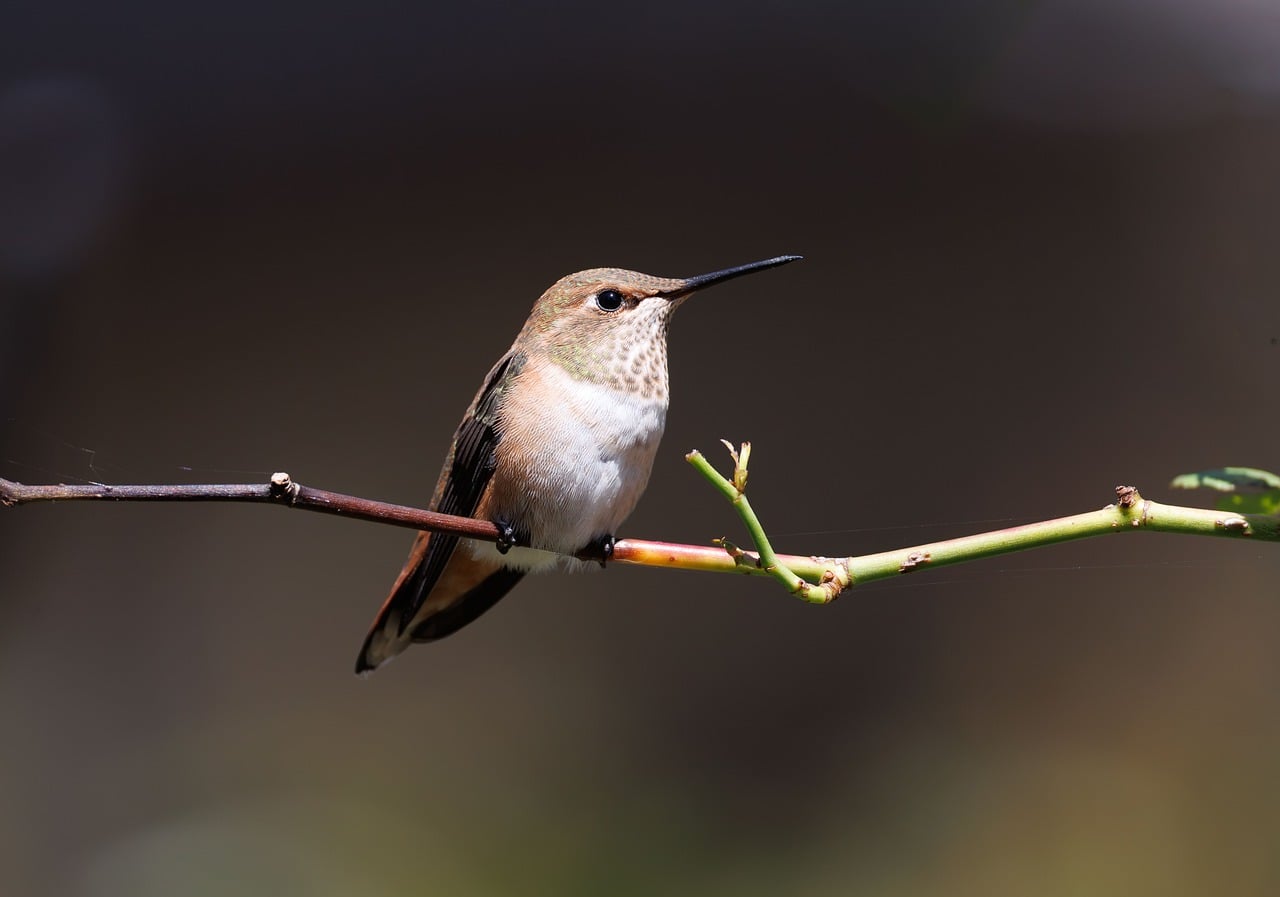
Selecting the Right Nectar-Rich Plants
To attract hummingbirds, your garden must function as a reliable refueling station. These birds are naturally drawn to tubular, brightly colored flowers—especially those in shades of red, orange, and pink. By prioritizing native species, you provide the high-quality nectar hummingbirds need while supporting the local ecosystem.
Focus your planting efforts on these proven favorites:
- Bee Balm (Monarda): A perennial powerhouse that offers long, nectar-filled blooms throughout the summer.
- Salvia: Available in many varieties, these plants provide the perfect structure for a hummingbird’s beak.
- Trumpet Vine: A vigorous climber that produces large, bell-shaped flowers capable of feeding multiple birds.
- Columbine: An excellent choice for early-season nectar when other food sources may be scarce.
The success of these plants depends heavily on the quality of your soil. Hummingbirds require healthy, robust blooms, which only occur when plants have access to oxygen and nutrients. Before planting, use a high-quality hand trowel to dig deep, consistent holes, ensuring the root ball is positioned correctly.
After planting, use a hand cultivator to gently break up the top layer of soil around the base of your new flowers. This process, known as aeration, prevents soil compaction and allows water and nutrients to reach the roots more efficiently. Proper root development is the foundation of a nectar-rich garden; if the roots are stressed, the nectar production will suffer.
When preparing your beds, avoid using heavy machinery near delicate root systems. Instead, rely on ergonomic hand tools that allow for precision work. A well-maintained bed with loose, friable soil encourages your native plants to establish quickly and bloom more prolifically.
Remember to avoid chemical pesticides in these areas. Hummingbirds also consume small insects and spiders to supplement their diet with protein. By maintaining a natural, healthy garden environment, you provide a complete habitat that encourages these birds to visit your backyard repeatedly throughout the season. Keep your tools clean and sharp to ensure you can manage your garden beds with minimal disturbance to the surrounding environment, keeping the focus entirely on creating a thriving, nectar-rich sanctuary for your local pollinators.
Installing and Maintaining Feeders
Supplementing natural nectar with feeders is a highly effective way to sustain hummingbirds, especially during peak migration periods when their energy demands are at their highest. To ensure these birds return to your yard consistently, your maintenance routine must be as reliable as the food supply itself.
When shopping for equipment, prioritize feeders that are easy to disassemble. Complex designs with deep crevices are difficult to sanitize and can quickly harbor harmful mold. Opt for simple, wide-mouthed models that allow you to reach every internal surface with a bottle brush.
Regular cleaning is non-negotiable for bird health. Follow these steps to maintain a safe feeding station:
- Empty the feeder completely every two to three days, or more frequently during extreme heat.
- Disassemble all parts and wash them thoroughly using mild, fragrance-free soap and warm water.
- Rinse the components multiple times to ensure no soap residue remains, as this can be toxic to hummingbirds.
- Allow the feeder to air dry completely before refilling it with a fresh sugar-water solution.
Proper placement is equally vital for both the longevity of your equipment and the safety of the birds. Use sturdy, rust-resistant hooks to mount your feeders, as these will withstand outdoor elements without corroding or failing under the weight of a full reservoir.
Position your feeders in shaded, quiet areas of your garden. Direct sunlight accelerates the fermentation of sugar water, which can cause the liquid to spoil rapidly and grow dangerous bacteria. By keeping the feeder in the shade, you maintain the freshness of the nectar and provide a comfortable environment for the birds to feed without overheating.
Finally, consider the structural integrity of your setup. If you are using a shepherd’s hook or a wall-mounted bracket, ensure it is anchored firmly into the ground or a solid surface. A wobbling or unstable feeder can startle hummingbirds, causing them to abandon the site entirely. By combining high-quality hardware with a rigorous cleaning schedule, you create a dependable sanctuary that will keep hummingbirds visiting your backyard throughout the season.

Creating a Safe and Welcoming Habitat
Hummingbirds require more than just a reliable food source; they need a secure environment that mimics their natural habitat. To transform your backyard into a sanctuary, you must provide safe perching spots and access to clean, moving water. Because hummingbirds rarely bathe in traditional deep birdbaths, install a shallow basin equipped with a mister or a dripper. The sound and movement of dripping water are highly attractive to these birds, encouraging them to visit and linger.
Maintaining a healthy garden is essential for providing natural nesting sites. When shaping your trees or shrubs, focus on creating dense, sheltered areas where birds can hide from predators and harsh weather. However, proper technique is vital to ensure your plants remain healthy and resilient.
Follow these best practices when performing garden maintenance:
- Prioritize Safety: Always wear impact-resistant safety glasses and durable gardening gloves. Debris can fly unexpectedly during trimming, and thorns or rough branches pose a risk to your hands.
- Maintain Your Tools: Use high-quality bypass pruning shears or hedge trimmers. Ensure the blades are sharp before you begin; dull tools crush plant stems rather than slicing through them, which invites disease and causes unnecessary stress to the shrub.
- Make Clean Cuts: Aim for precise, angled cuts just above a bud or branch junction. Clean cuts heal significantly faster, allowing the plant to recover quickly and continue providing the foliage cover hummingbirds need for nesting.
- Avoid Over-Pruning: While tidying up is helpful, leave some “wild” corners in your yard. Hummingbirds often utilize small twigs and spiderwebs to construct their delicate, cup-shaped nests, so a perfectly manicured landscape may actually be less hospitable than one with a few natural nooks.
When using outdoor power equipment, such as gas or electric hedge trimmers, remain mindful of your surroundings. Before starting your engine, perform a quick visual sweep of the area to ensure no birds are currently nesting in the branches you intend to trim. If you spot a nest, delay your maintenance until the fledglings have vacated the area. By combining well-maintained tools with a thoughtful, bird-first approach to landscaping, you create a sustainable, welcoming habitat that will keep hummingbirds returning to your garden season after season.
Essential Garden Maintenance for Pollinators
A thriving hummingbird habitat requires more than just nectar-rich flowers; it demands a balanced ecosystem. Hummingbirds are not strictly vegetarians. While they visit blooms for sugar-rich nectar, they rely heavily on small insects and spiders as their primary source of protein. Maintaining a chemical-free yard is the most effective way to ensure this vital food source remains available throughout the season.
Avoid the use of synthetic pesticides and herbicides, as these chemicals can indiscriminately eliminate the very insects hummingbirds need to survive. Instead, focus on natural gardening practices that encourage biodiversity. By fostering a healthy environment where beneficial insects can flourish, you provide a consistent, high-protein diet that keeps hummingbirds healthy and likely to return to your garden year after year.
When performing routine garden maintenance, balance the need for a tidy space with the protection of your local wildlife. Use manual hand tools whenever possible to keep noise levels down and minimize disturbance to nesting birds. If you must use outdoor power equipment, such as leaf blowers or string trimmers, follow these safety and conservation guidelines:
- Prioritize Safety: Always wear high-quality hearing protection and sturdy, closed-toe footwear to prevent injury while operating power equipment.
- Time Your Cleanup: Avoid aggressive clearing during peak nesting seasons. Leave some leaf litter and brush in out-of-the-way corners, as these areas provide essential habitats for the insects that hummingbirds hunt.
- Spot-Clean Only: Use string trimmers sparingly. Focus on clearing invasive weeds rather than removing all native ground cover, which often acts as a nursery for small pollinators and prey insects.
- Maintain Equipment: Keep your tools sharp and well-oiled. Dull blades on mowers or trimmers can damage plants, leaving them vulnerable to disease and reducing the overall health of your garden.
By shifting your approach to garden maintenance, you create a sanctuary that supports the entire life cycle of a hummingbird. A yard that is slightly “wilder” and free from toxic chemicals is far more attractive to these birds than a manicured, sterile lawn. Focus on fostering natural processes, and your backyard will become a reliable, high-energy refueling station for every hummingbird that passes through your area.
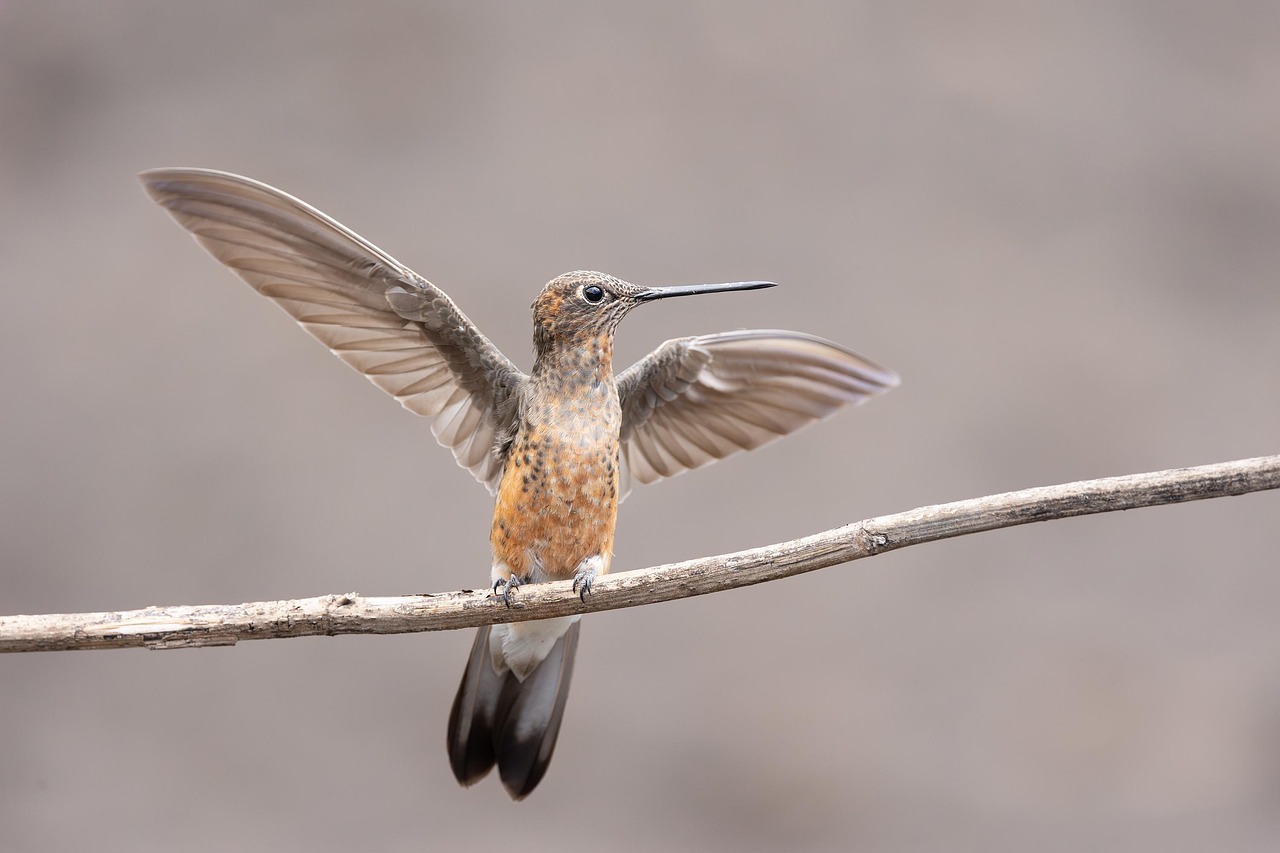
Frequently Asked Questions and Long-Term Care
Maintaining a hummingbird-friendly habitat requires consistent upkeep and a few essential tools. To keep your garden flourishing, use sharp, high-quality pruning shears to deadhead perennials, which encourages continuous blooming. For larger landscape projects, such as installing drip irrigation systems to support moisture-loving nectar plants, consult a certified arborist or professional landscaper. They can help design a sustainable water source that minimizes waste while keeping your garden lush.
One of the most common questions involves feeder maintenance. Hummingbird nectar is highly susceptible to fermentation and bacterial growth, especially in warm weather. Follow these guidelines to ensure the health of your visitors:
- Nectar Frequency: Change the sugar water every two to three days. If temperatures exceed 85°F (29°C), replace the nectar daily to prevent spoilage.
- Cleaning: Every time you refill the feeder, rinse it thoroughly with hot water. Once a week, use a specialized bottle brush to scrub the ports and reservoir to remove mold.
- Pest Control: If ants are invading your feeder, install an “ant moat.” These small devices fill with water, creating a barrier that ants cannot cross. Avoid using pesticides near feeders, as these chemicals are toxic to birds.
For long-term success, consider keeping a dedicated garden journal. Tracking the bloom times of your native plants helps you understand the seasonal patterns of your backyard. By noting when specific flowers peak, you can adjust your planting schedule to ensure there is always a reliable food source available throughout the migration season.
Practical home gardening is as much about observation as it is about physical labor. Keep your hand tools organized and clean to prevent the spread of plant diseases, and always ensure your garden remains a chemical-free zone. If you ever encounter an injured hummingbird, do not attempt to treat the bird yourself. Instead, contact a local wildlife rehabilitator or your state’s wildlife agency immediately. They have the expertise to provide the necessary care and can offer advice on how to make your backyard a safer, more sustainable ecosystem for future generations of birds.

Dedicated team of gardening enthusiasts with years of hands-on experience testing lawn mowers, gardening tools, and outdoor equipment. We help home gardeners and professionals alike make informed buying decisions with honest, thorough reviews. From push mowers to pruning shears, we test it all so you don’t have to. Got a gardening tool you’d like us to review? Get in touch!