
Creating a hummingbird-friendly garden is a rewarding way to bring vibrant energy to your outdoor space. You can easily attract these tiny, fast-moving pollinators by strategically selecting nectar-rich flowers and providing reliable water sources. With the right approach to landscaping and maintenance, your yard will quickly become a buzzing sanctuary for local wildlife.
However, turning your landscape into a hummingbird haven requires more than just planting a few flowers. Success depends on understanding their specific dietary needs, nesting preferences, and the importance of avoiding harmful pesticides. By setting realistic expectations and focusing on creating a natural, chemical-free environment, you provide the essential support these birds need to thrive.
This guide outlines the essential steps to turn your yard into a sanctuary for these tiny, fast-moving pollinators by focusing on food sources, water, and safe habitat practices. We will cover the best tools for garden maintenance and the specific plants that keep hummingbirds returning year after year to your beautiful, thriving home garden.
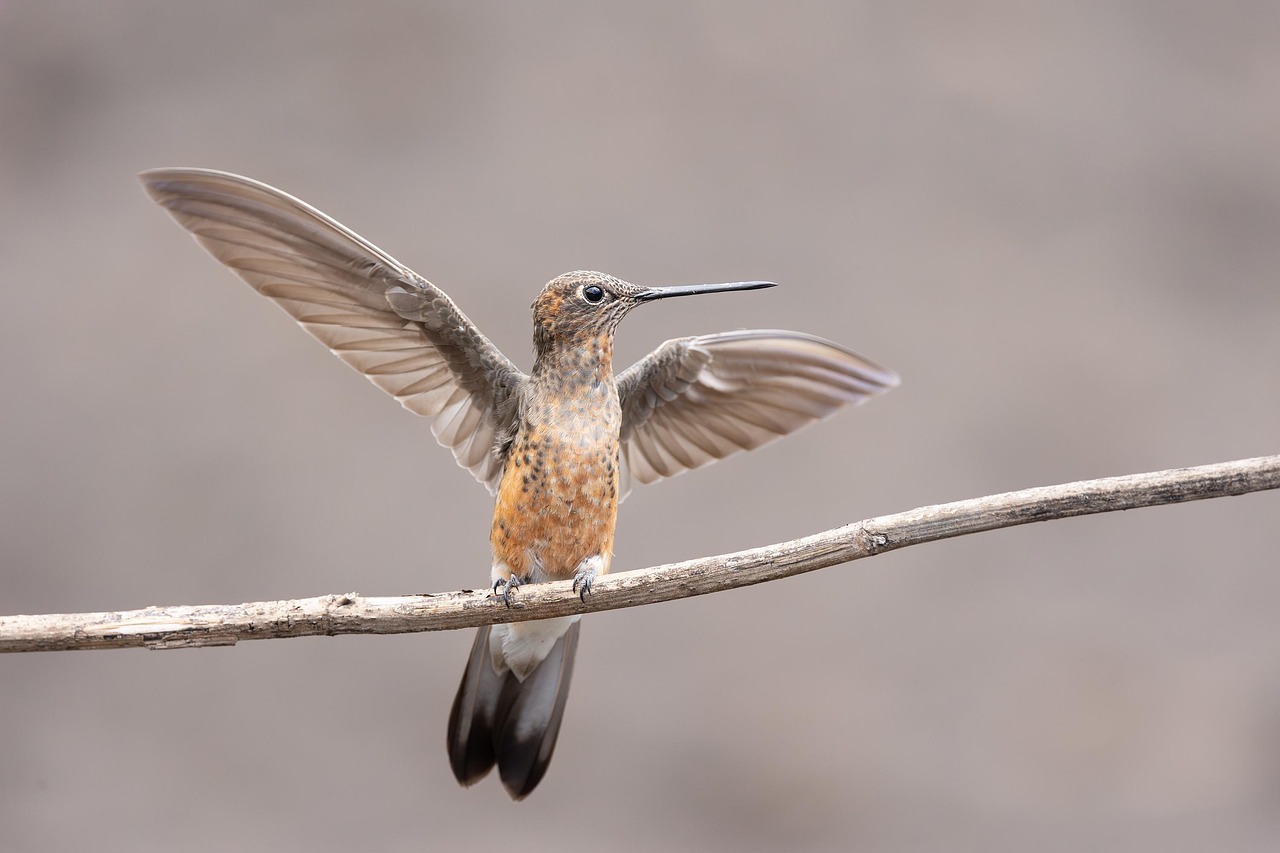
Choose the Right Native Plants for Nectar
To turn your yard into a reliable hummingbird sanctuary, your primary focus should be on native plants. Hummingbirds have evolved alongside local flora, meaning their unique beak shapes are perfectly adapted to extract nectar from specific native blossoms. While exotic flowers may look beautiful, they often lack the high-energy nectar content these birds require to sustain their rapid metabolism.
When selecting your garden palette, prioritize plants that offer a continuous bloom cycle. A mixture of perennials and vines ensures that your garden remains a functional food source from early spring through late autumn. Focus on these hummingbird favorites:
- Bee Balm (Monarda): A staple for any pollinator garden, providing tubular flowers that hummingbirds find irresistible.
- Columbine (Aquilegia): These early-season bloomers provide essential energy for birds returning from migration.
- Salvia: Available in many varieties, these hardy plants offer long-lasting nectar spikes that are easy for birds to navigate.
- Trumpet Vine (Campsis radicans): A vigorous grower that provides a high volume of nectar; ensure you have a sturdy trellis or fence to support its growth.
When planting, use a quality hand trowel to ensure proper root depth, and consider the soil drainage requirements for each species. While native plants are generally low-maintenance, they still require consistent care during their first growing season. Use a sharp pair of bypass pruners to deadhead spent blooms, which encourages the plant to direct its energy into producing new flowers rather than seeds. This simple maintenance task keeps your nectar sources productive for much longer.
Avoid the use of chemical pesticides or herbicides in these areas. Hummingbirds also consume small insects and spiders to supplement their diet with necessary protein. By maintaining a natural, chemical-free environment, you provide not just a nectar station, but a complete ecosystem that supports the birds’ total nutritional needs.
Group your plantings in clusters rather than scattering them individually. This “massing” technique creates a larger visual target for hummingbirds as they fly over your yard, making it easier for them to locate your garden. By choosing native species and maintaining them with proper pruning and soil care, you create a sustainable habitat that will bring hummingbirds back to your yard year after year.
Install and Maintain Hummingbird Feeders
While planting native flowers provides a natural food source, installing hummingbird feeders is the most effective way to guarantee frequent visits. Feeders act as a reliable energy supplement, especially during migration periods or when local blooms are scarce. To keep your backyard visitors healthy and returning, consistency and hygiene are essential.
The recipe for hummingbird nectar is simple and mimics natural flower nectar. Mix one part white granulated sugar with four parts water. Bring the water to a boil to ensure the sugar dissolves completely, then let it cool entirely before filling your feeders. Never use honey, which can cause fatal fungal infections, or artificial sweeteners, which lack the necessary calories for a hummingbird’s high-metabolism lifestyle. You do not need to add red dye; the bright red color of the feeder itself is sufficient to attract them.
Proper maintenance of your equipment is critical to prevent the spread of avian diseases. Because sugar water ferments quickly in the sun, you must clean your feeders at least twice a week—or more often during extreme heat waves.
Follow these steps for effective feeder sanitation:
- Empty any remaining nectar and discard it.
- Disassemble the feeder completely to reach all ports and crevices.
- Scrub the interior and exterior with hot water and a long-handled bottle brush. Avoid using harsh soaps, as residue can be toxic to birds; a mild vinegar solution is a safer alternative if the feeder requires a deep clean.
- Rinse thoroughly with clean water until no scent remains.
- Allow the feeder to air dry completely before refilling.
When choosing equipment, look for feeders that are easy to dismantle. Complicated designs with hard-to-reach corners often trap mold, which can be dangerous for hummingbirds. Select a model with a built-in ant moat to keep crawling insects away from the sugar water. If you notice black spots inside the feeder or if the nectar appears cloudy, it is a sign of mold growth. Remove the feeder immediately, clean it thoroughly, and replace the nectar. By maintaining a clean, reliable feeding station, you create a safe environment that encourages hummingbirds to make your yard a permanent stop in their daily routine.

Provide Water and Protective Shelter
Hummingbirds require more than just nectar to thrive in your landscape; they need reliable sources of water for both drinking and preening. Because these birds have such high metabolisms, they frequently visit water features to stay hydrated and clean their feathers. However, they are cautious creatures that avoid deep water where they might struggle to stay afloat.
To create an inviting environment, install a shallow birdbath. Hummingbirds are particularly attracted to the sound and movement of water. You can easily upgrade a standard basin by adding a small solar-powered mister or a gentle fountain attachment. The fine spray mimics the dew or mist they encounter in nature, encouraging them to fly through the droplets for a quick bath.
Beyond water, your garden maintenance routine plays a critical role in providing essential shelter. Hummingbirds need safe places to perch, rest, and hide from predators like hawks or neighborhood cats. A well-manicured yard should still include “wild” zones that offer structural protection.
Focus on these practical steps to optimize your landscape for shelter:
- Maintain native shrubs: Keep a mix of dense, twiggy shrubs nearby, as these provide excellent cover and nesting sites. Avoid aggressive pruning during nesting season.
- Strategic tree care: Leave dead or bare branches on trees. Hummingbirds frequently use these high, clear vantage points to survey their territory and guard their favorite nectar sources.
- Create windbreaks: Position taller plants or hedges to block prevailing winds. This helps the birds conserve energy, especially during cooler weather or storms.
- Avoid chemical use: Maintain your garden using organic practices. Pesticides can eliminate the tiny insects and spiders that hummingbirds rely on for essential protein, while also posing direct health risks to the birds.
By blending functional water features with thoughtful plant management, you transform your outdoor space into a sanctuary. When you provide the right balance of moving water and protective cover, you significantly increase the likelihood that hummingbirds will not just visit your yard, but choose to stay throughout the season. Keep your tools clean and your garden beds tidy, but remember that a little bit of natural clutter is exactly what these birds need to feel secure and at home.
Safe Gardening Practices and Equipment Use
Creating a hummingbird-friendly sanctuary requires consistent garden maintenance, but your methods matter as much as the plants you choose. When pruning nectar-rich shrubs or shaping perennial borders, always use sharp, high-quality hand tools. Dull blades crush plant tissue rather than slicing through it, which creates ragged wounds that invite disease and pests. A clean, precise cut ensures your plants remain healthy and continue to produce the high-quality nectar hummingbirds crave.
If your landscape design involves larger hedges or extensive shrubbery, you may rely on outdoor power equipment like hedge trimmers or leaf blowers. While these tools make maintenance efficient, they pose risks to both the operator and the local wildlife. Before starting any power equipment, perform a quick visual sweep of the area to ensure no nesting birds are hidden within the foliage. When operating machinery, prioritize your own safety with these essentials:
- Eye Protection: Wear impact-resistant safety glasses to shield your eyes from flying debris and wood chips.
- Hearing Protection: Use earplugs or earmuffs to prevent long-term damage from the high decibel levels of gas or electric motors.
- Sturdy Footwear: Always wear closed-toe shoes or boots to protect your feet from accidental slips or falling branches.
Hummingbirds are often drawn to water features, such as misters or small fountains, which provide a place to bathe and drink. If you install an electric pump or light for these features, safety is non-negotiable. Ensure that all electrical cords are specifically rated for outdoor use, as indoor-rated cables will degrade quickly when exposed to sunlight and moisture, creating a fire or shock hazard.
Furthermore, every outdoor electrical connection must be plugged into a Ground Fault Circuit Interrupter (GFCI) outlet. A GFCI monitors the flow of electricity and cuts power instantly if it detects a ground fault, which is critical when working near water. Regularly inspect your cords for cracks or exposed wiring, and replace any damaged equipment immediately. By maintaining your tools and following these safety protocols, you create a secure environment where you can enjoy your garden and the hummingbirds can thrive without disruption. A well-maintained, safe yard is the foundation of a successful pollinator habitat.

Common Questions and Seasonal Maintenance
Timing is everything when preparing your yard for hummingbirds. To ensure your garden is ready for their arrival, place your feeders out approximately one week before the expected migration dates in your region. This allows early scouts to locate your food source before the peak migration period begins.
Maintaining your equipment is just as important as the nectar itself. Hummingbirds are highly sensitive to bacteria and mold, which can grow rapidly in feeders during warm weather. If you notice birds acting lethargic, struggling to fly, or showing visible signs of illness, take the feeders down immediately. Sanitize them thoroughly using a solution of one part white vinegar to four parts water, or a very mild bleach solution, followed by a vigorous scrub and a complete rinse before refilling.
Beyond cleaning, here are a few practical maintenance tips to keep your hummingbird sanctuary safe and functional:
- Regular Inspections: Check feeder ports for clogs or debris that could impede feeding. Use a small, dedicated brush to clear nectar buildup from the feeding holes.
- Tool Hygiene: When pruning nectar-rich shrubs or grooming your garden, ensure your hand tools are clean. Pruning shears should be wiped down with rubbing alcohol to prevent the spread of plant pathogens.
- Pest Management: If ants or bees become a persistent issue at your feeders, avoid using chemical pesticides near your feeding stations. Instead, use physical barriers like ant moats or switch to feeders specifically designed with bee guards.
- Safe Plant Selection: Always verify that the flowers you introduce to your landscape are non-toxic to birds and local wildlife.
If you encounter persistent issues with pests, notice recurring health problems in your local bird population, or are unsure about the toxicity of specific garden plants, reach out to your local agricultural extension office. These offices provide professional, science-based advice tailored to your specific climate and ecosystem.
By keeping your feeders clean and your garden tools well-maintained, you create a healthy, inviting habitat that hummingbirds will return to year after year. Consistent, small maintenance tasks are the most effective way to protect your feathered visitors and ensure your outdoor space remains a safe haven for them throughout the season.

Dedicated team of gardening enthusiasts with years of hands-on experience testing lawn mowers, gardening tools, and outdoor equipment. We help home gardeners and professionals alike make informed buying decisions with honest, thorough reviews. From push mowers to pruning shears, we test it all so you don’t have to. Got a gardening tool you’d like us to review? Get in touch!